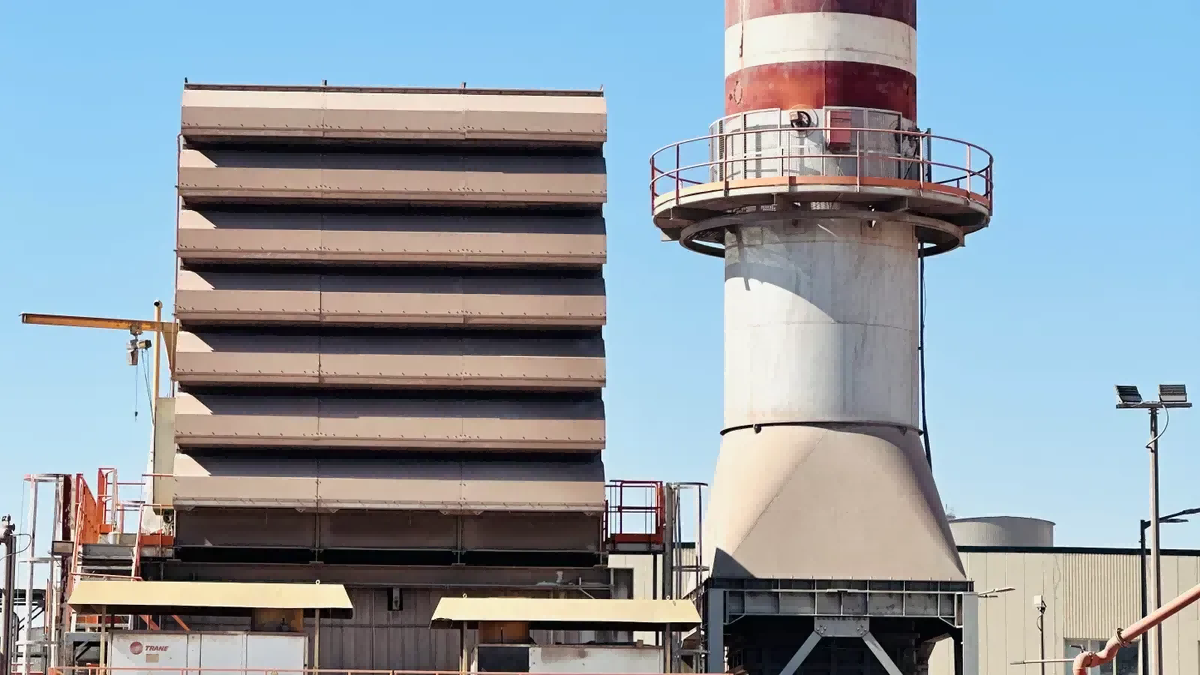
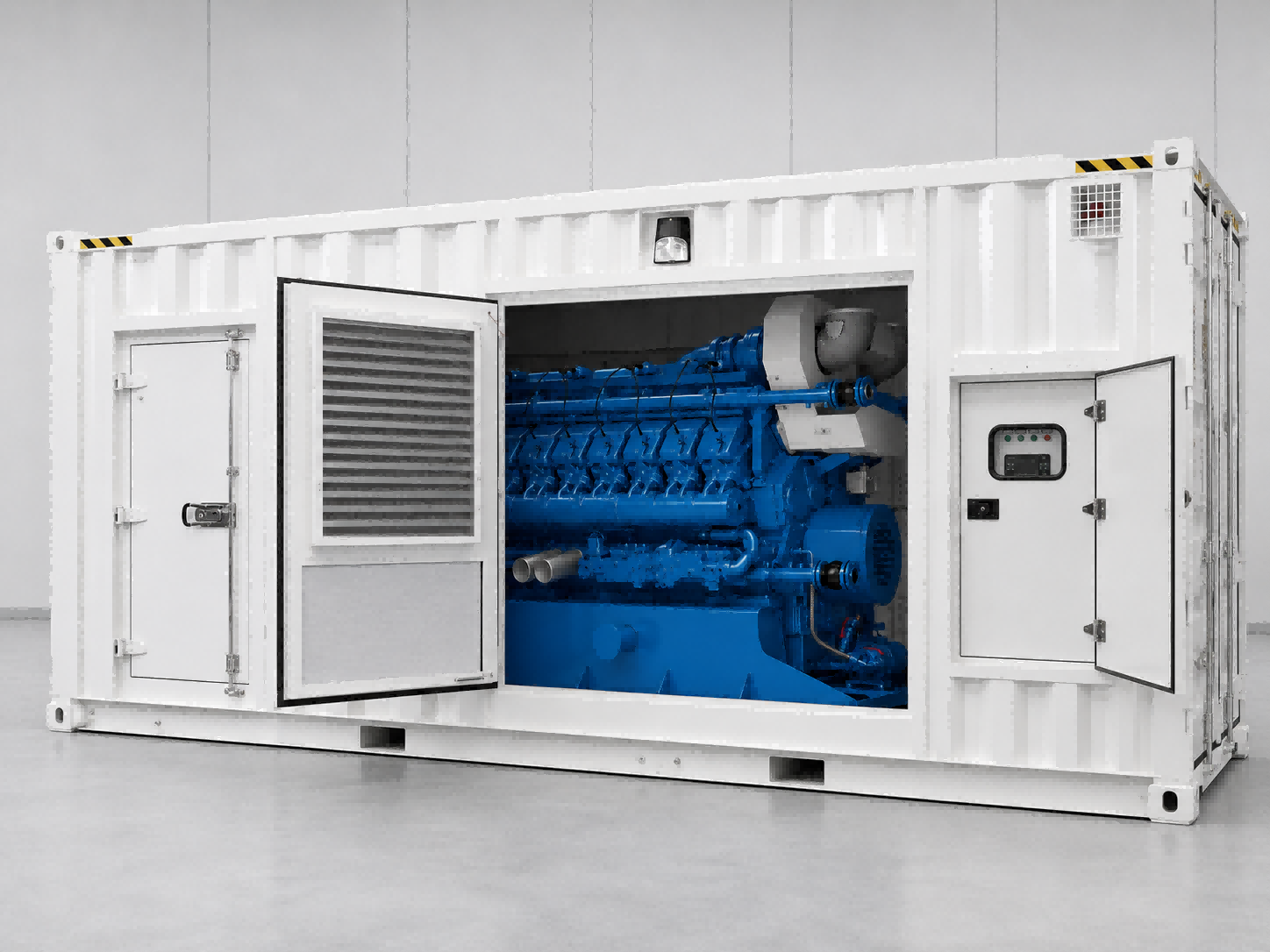
A Single Piece of Equipment Is No Longer Enough:
The Genset Industry Is Entering the Era of “Diesel Generation + Energy Storage” Synergy
Introduction
In today’s evolving energy application scenarios, what customers need is no longer just a single piece of equipment, but a system solution that is more efficient, more stable, and delivers greater lifecycle value.
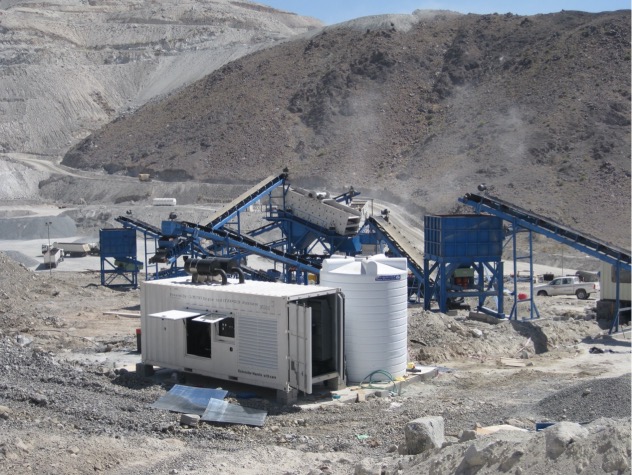
From off-grid mining sites and weak-grid regions to temporary power assurance, industrial backup power, and highly reliable power supply scenarios, the competitive logic of the genset industry is changing.
In the past, competition centered on standalone unit specifications. Today, it is about system coordination.
And “diesel generation + energy storage” is becoming a key direction in this upgrade.
1. Why the Single Genset Model Is Becoming Increasingly Inadequate for Complex Scenarios
Diesel generator sets remain critical equipment in many scenarios. Especially in off-grid power supply, emergency backup, and weak-grid support applications, the independent power supply capability, starting capability, and environmental adaptability of gensets are still irreplaceable.
The issue, however, is that today’s customers are no longer only concerned with “whether there is electricity,” but rather:
Can it be more stable?
Can it be more energy-efficient?
Can it be more flexible?
Can total cost be controlled over long-term operation?
These are exactly the areas where the single genset model most easily encounters bottlenecks.
Industry research indicates that under low-load operating conditions, the fuel efficiency of diesel generator sets deteriorates significantly. At the same time, problems such as carbon buildup, higher maintenance frequency, and reduced equipment life become more pronounced. In other words, in many complex scenarios, a genset is not automatically efficient simply because it is running. Inefficient operation itself may create even greater cost pressure.
In addition, under operating conditions involving frequent start-stop cycles, high-power load impacts, voltage and frequency fluctuations, and switching response requirements, the standalone genset model is increasingly unable to balance both power supply reliability and operating economy.
2. What “Diesel Generation + Energy Storage” Changes Is Not the Number of Devices, but the System’s Operating Mode
Many people understand “diesel generation + energy storage” as simply “adding a battery system next to the genset.”
However, the value of energy storage is not just adding another piece of equipment, but changing the operating logic of the entire system.
In a coordinated system, energy storage can perform multiple functions, including fast response, peak shaving and valley filling, fluctuation absorption, and energy shifting:
when the load fluctuates, it can smooth load changes;
when the load changes suddenly, it can respond instantly;
when renewable energy is connected, it can improve renewable energy utilization;
in switching and grid-connected/off-grid scenarios, it can also improve power continuity and power quality.
In other words, diesel generator sets used to have to “face all problems alone,” but now diesel generators and energy storage can form a more rational division of labor:
The diesel generator is responsible for stable and efficient power output;
the energy storage system is responsible for fast regulation, fluctuation absorption, and switching support.
This is the fundamental difference between “single-unit power supply” and “system-based energy supply.”
3. What You Really Need Is No Longer One Piece of Equipment, but a Complete Answer
Under traditional sales logic, customers were more concerned with power rating, fuel consumption, configuration, and price.
Today, however, especially in complex energy scenarios, the questions customers truly care about have become:
Can this system operate stably under weak-grid conditions?
Can it reduce fuel waste caused by low-load operation?
Can it reduce the impact of frequent start-stop cycles on genset life?
Can it maintain power quality during sudden load changes?
Can it deliver lower overall operating costs over the coming years?
These are no longer questions that a single device can answer independently. They require system-level solutions. Industry materials also show that the future competitive core of microgrids and diesel-plus-storage systems is shifting from standalone hardware capability to system coupling capability, including V/F regulation, seamless switching, reverse power protection, harmonic mitigation, black start, and multi-unit parallel control.
This means that in the future, customers will not simply be purchasing “a genset,” but “a more efficient and more reliable energy supply solution.”
4. From an Industry Trend Perspective, Why Genset Companies Must Move Toward Coordination
From the perspective of market applications, “diesel generation + energy storage” is demonstrating value in an increasing number of scenarios.
In off-grid and weak-grid regions, diesel generator sets have long undertaken the main power supply role. However, diesel prices, logistics costs, and load fluctuations are continuously increasing the operating pressure of pure diesel-generation models.
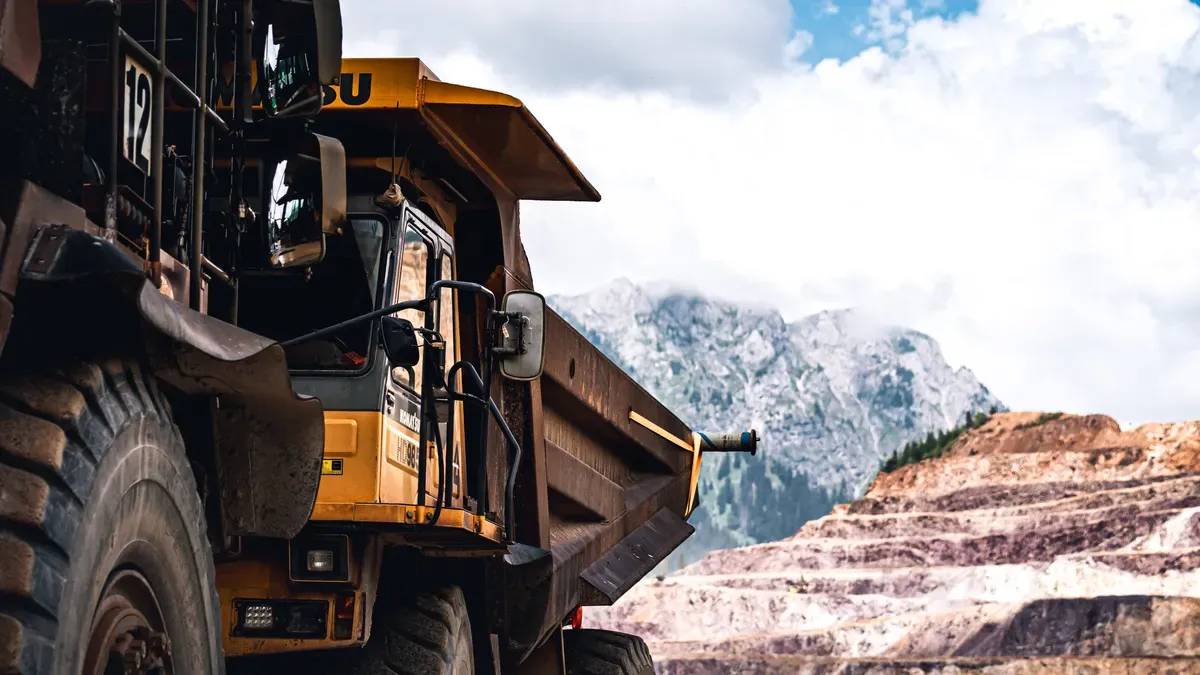
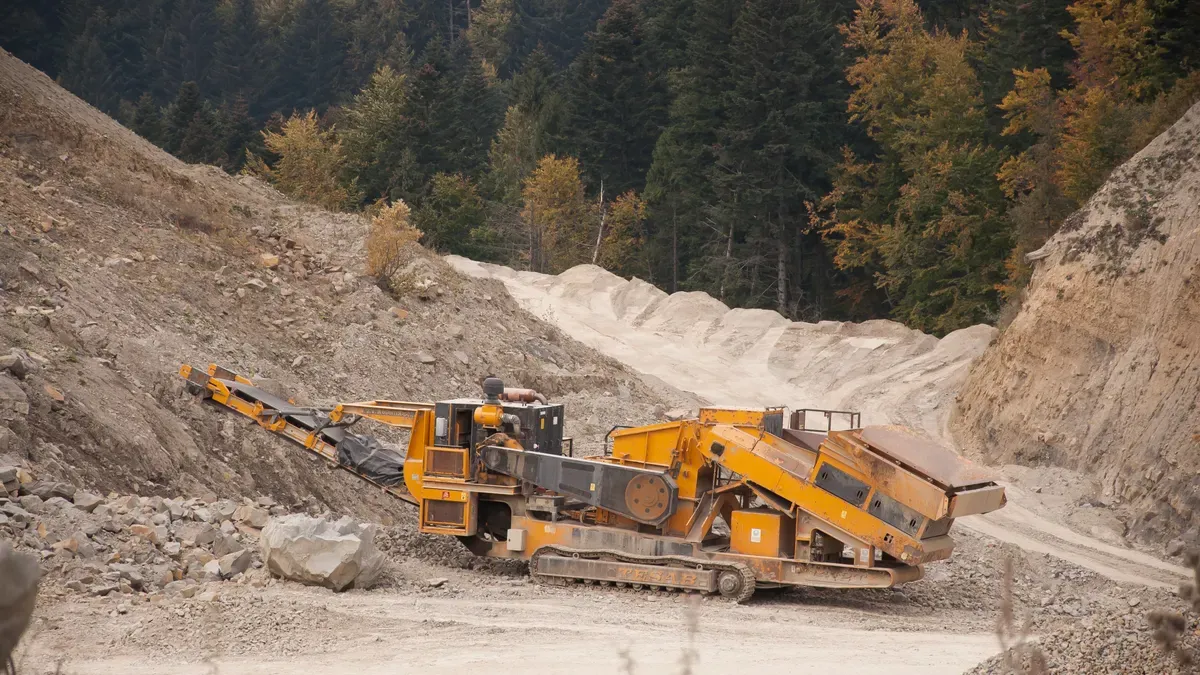
In scenarios such as mining, oilfields, and construction camps, large equipment starts and stops frequently, and day-night load variations are obvious, placing higher demands on system flexibility.
In highly reliable power supply scenarios such as data centers and precision manufacturing, customers demand not only uninterrupted power, but high-quality uninterrupted power, which places even higher requirements on system response speed, switching capability, and power quality.
At the same time, from an economic perspective, once energy storage is integrated, diesel generator sets can operate as much as possible within a more efficient range, and the overall LCOE also has room for optimization. Although different projects are influenced by diesel prices, load profiles, storage configurations, and control strategies, the trend is already very clear: customers are increasingly focused not merely on one-time procurement costs, but on the overall value delivered over the coming years.
5. SWT: Integrating Power Generation, Energy Storage, Control, and Dispatch into One Solution
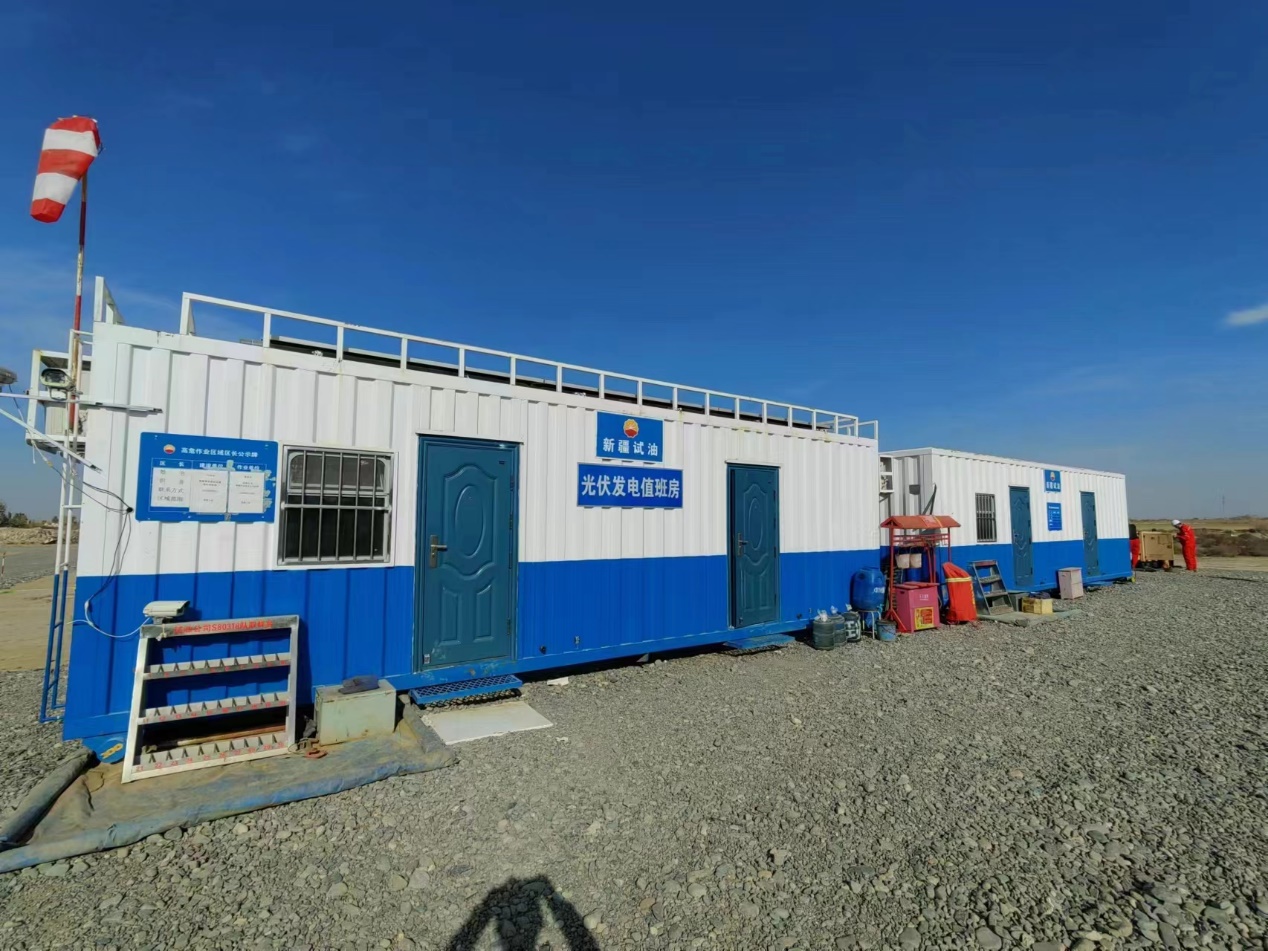
In response to scenarios such as off-grid, weak-grid, temporary power assurance, and complex loads, SWT’s answer is not a single piece of equipment, but system coordination.
SWT’s approach is not to simply stack generator sets and energy storage equipment together, but to build an integrated hybrid energy solution that combines power generation, energy storage, control, and dispatch around complex energy-use scenarios.
Within this solution, the generator set plays the role of stable energy supply and backup support. When PV output fluctuates, energy storage capacity is insufficient, or system load rises rapidly, the generator set can promptly provide supplementary power to ensure continuous and stable system operation. This means that the generator set is no longer an isolated standalone device, but a critical energy supply node within the overall energy system.
The energy storage system is responsible for fast response, load regulation, and energy optimization. It can shave peaks and fill valleys during load fluctuations, helping the generator set operate as much as possible within a more efficient range; and when PV is connected, it can enhance renewable energy consumption and improve overall system utilization.
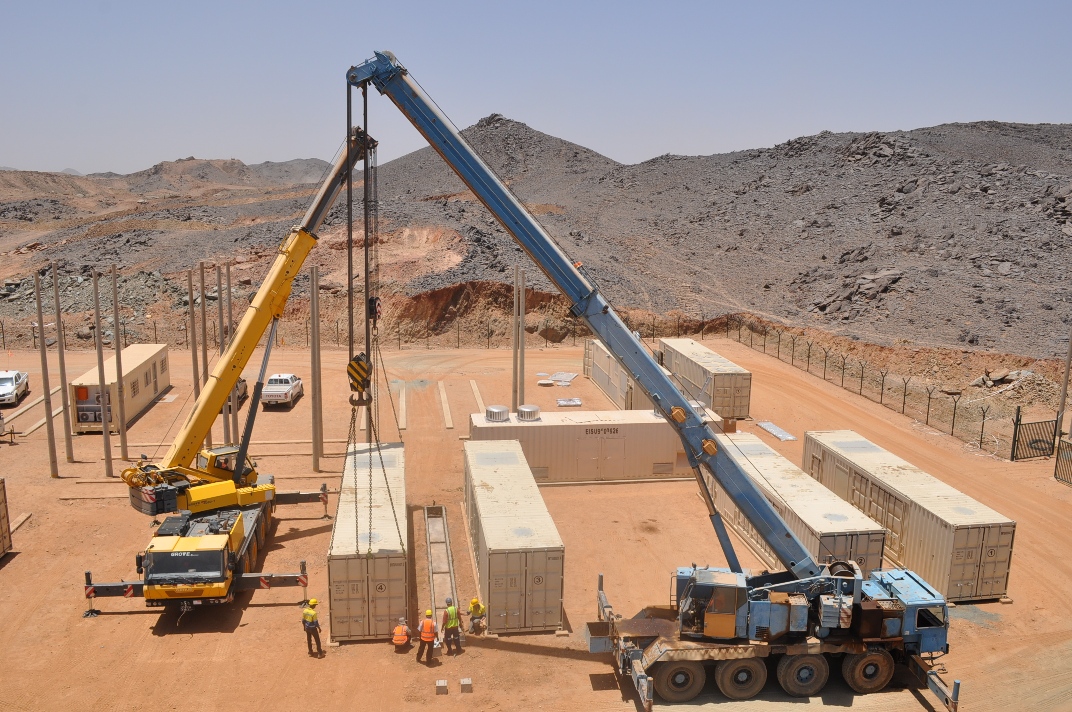
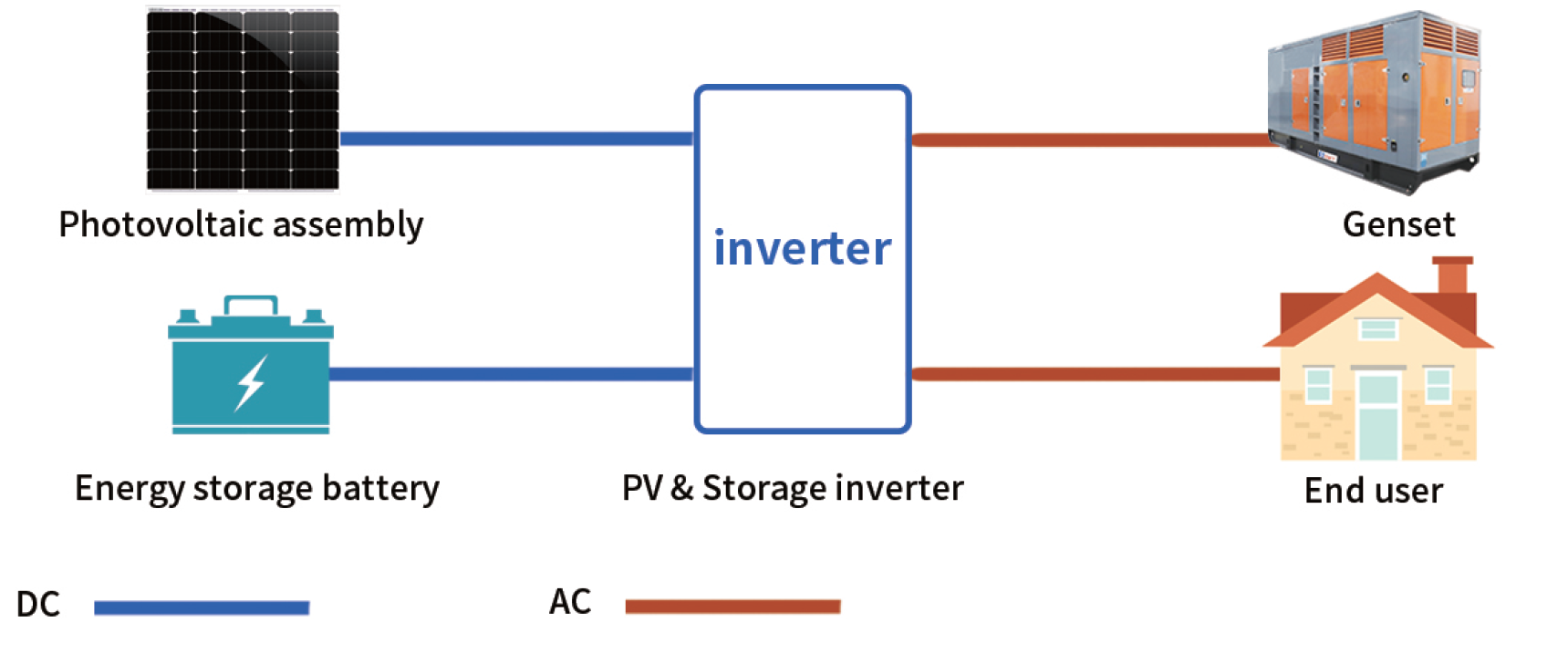
In terms of system architecture, SWT has already incorporated PV modules, MPPT, PCS/inverters, energy storage batteries, generator sets, and user-side loads into a unified system framework. Through energy conversion and coordinated control on both the DC and AC sides, the company enables linked operation among multiple devices. Its product portfolio is not developed in isolation, but around modular directions such as “containerized hybrid energy micro power stations,” “hybrid energy generator sets,” and “residential energy storage products.”
What truly upgrades this solution from a “combination of equipment” to a “system solution” is its control and dispatch capability. SWT integrates the BMS battery management system, EMS energy management system, intelligent genset dispatch, and local/remote monitoring capabilities into the overall solution.
The capabilities SWT emphasizes—such as “PV and storage prioritized power supply,” “intelligent dispatch of diesel generator sets,” “EMS-based economical operation control of diesel generator sets,” “local or remote real-time monitoring,” and “seamless switching”—all essentially answer the same question: how to enable multiple energy sources to work together more efficiently in the same scenario.
In this sense, what SWT is accomplishing is not just an expansion of its product lines, but an upgrade from “standalone equipment supply” to “system solution delivery.”
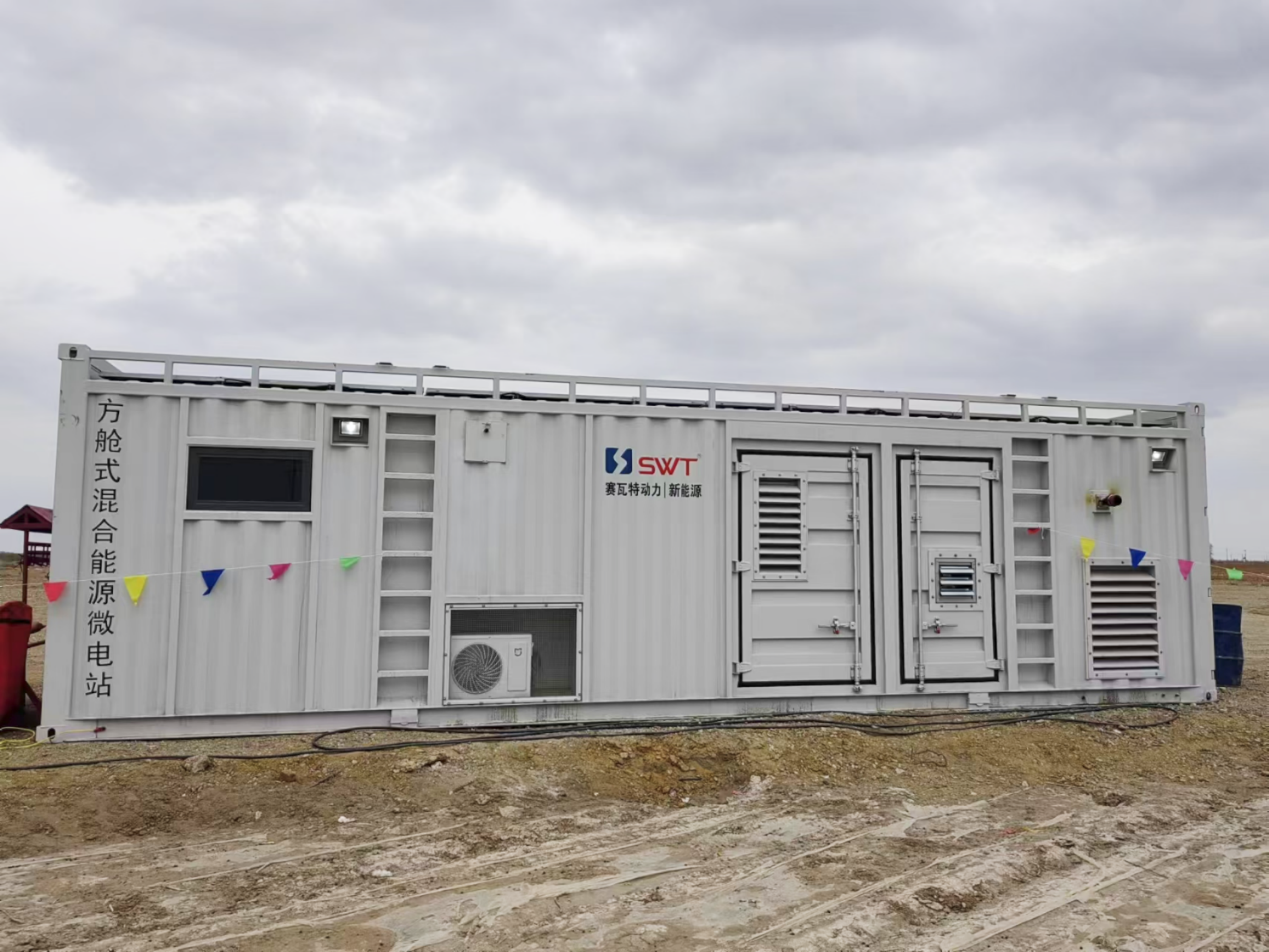
6. From Equipment Supplier to Energy Solution Participant
The development of new energy does not mean diesel generator sets are leaving the stage.
On the contrary, in scenarios such as off-grid, weak-grid, emergency backup, and highly reliable power supply, generator sets still have irreplaceable value.
But their role is changing.
They are no longer just isolated standalone devices, but are taking on key responsibilities within smarter, more efficient, and more coordinated energy systems.
This is the true meaning of “from standalone units to systems.”
For genset companies, moving toward “diesel generation + energy storage” coordination is not a passive response to trends, but an inevitable choice aligned with upgraded customer needs, technological evolution, and shifts in market competition logic.
The truly competitive companies of the future will not just be those capable of building a good genset,
but those able to deliver a more efficient, more reliable, and more lifecycle-valuable system solution for complex scenarios.
And this may well be the starting point for the next stage of transformation in the genset industry.