
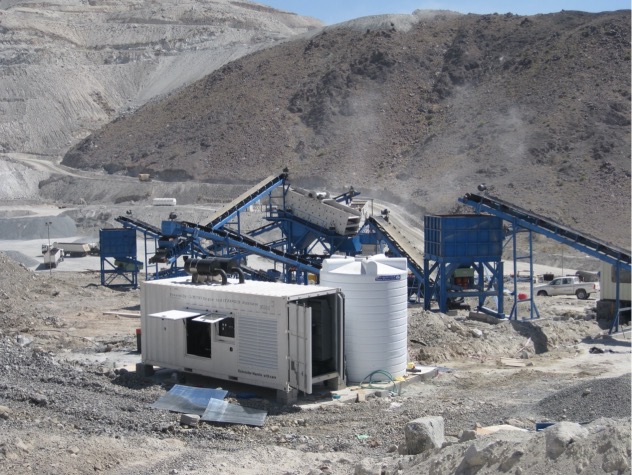
What should buyers check in mining generator procurement? They must verify power sizing, mobility compliance, engine and alternator quality, documentation, test reports, and common pitfalls. This checklist prevents costly downtime and regulatory fines. A generator that lacks proper highway certification cannot legally move between sites. An undersized unit trips breakers and stalls production. Poor documentation leaves buyers without warranty coverage. Each check protects the investment. The following sections provide a step-by-step procurement guide. Readers will learn how to evaluate load profiles, inspect trailer chassis, assess engine brands, request load bank results, and avoid hidden costs. These steps help buyers select a reliable diesel generator set for demanding mining operations.
Define power requirements and scope
Buyers must establish the true power demand before evaluating any generator. A mining site rarely operates at a constant load. Crushers, conveyors, pumps, and ventilation fans cycle on and off throughout the day. This creates a load profile with peaks and valleys. Buyers should record the highest simultaneous demand, the average running load, and the duration of each peak. A generator sized only for average load will trip breakers during peak demand. A generator sized for peak load alone may run inefficiently at low loads, wasting fuel and increasing maintenance costs.
Duty cycle matters just as much. Prime power applications run continuously with varying loads. Standby applications run only during outages. Mining sites often need prime-rated units that handle sustained operation. Buyers should confirm whether the generator will run 24 hours a day or only during peak shifts. This distinction affects engine selection, cooling capacity, and warranty terms.
Determine load profile and duty cycle
Site geography directly influences generator sizing. Haul trucks climbing steep inclines draw more power from electric drive systems. Conveyor belts moving ore uphill require higher torque. Declines may reduce load but introduce regenerative braking that affects power quality. Buyers should map the site layout and identify every incline or decline that affects equipment power draw. A generator sized for flat terrain may fail on a sloped site.
Buyers should also account for future expansion. Adding a second crusher or a larger pump later will increase demand. A generator with no spare capacity forces an early upgrade. Sizing with a reasonable margin prevents this problem.
Check voltage, frequency, and ambient conditions
Voltage and frequency must match the equipment on site. Mining equipment commonly operates at 380V, 400V, or 415V with 50 Hz or 60 Hz frequency. A mismatch damages motors and control systems. Buyers should verify the nameplate ratings of every major load before selecting a generator.
Ambient conditions reduce generator output. High altitude lowers air density and limits oxygen for combustion. Diesel generators lose output at higher elevations. A 100 kW generator at 5000 ft delivers only 85–90 kW. High ambient temperatures further reduce air density and force the engine to work harder. Low temperatures cause diesel fuel to gel, clogging filters and preventing startup. Buyers should share site altitude and temperature ranges with the supplier to ensure proper derating.
Inspect trailer chassis and mobility
A mining generator rarely stays in one place. Sites expand, pits deepen, and equipment moves between benches. The trailer chassis determines whether that movement happens legally and safely. Buyers should inspect the frame for rust, cracks, and previous repair welds. A chassis that flexes under load will fatigue quickly on rough haul roads. Cross members, kingpin plates, and landing gear deserve close attention. Paint hides corrosion, so buyers should request photos of bare metal before coating.
Verify highway compliance and gross vehicle weight
Highway compliance starts with federal hazmat rules. The Pipeline and Hazardous Materials Safety Administration (PHMSA) clarified that the Hazardous Materials Regulations (HMR, 49 CFR Parts 171-180) govern highway transport of fuel tanks on mobile generator sets. Portable generators with securely closed fuel tanks generally fall outside the HMR, even when the tank holds more than 500 mL (17 ounces) of liquid fuel, under the modal exceptions in § 173.220(b)(4)(i) and § 173.220(h). Empty tanks also qualify for exemption once drained, cleaned, and purged of vapors under § 173.220(a)(2). States must adopt rules comparable to the HMR. Buyers should confirm the trailer plate matches the gross vehicle weight rating and that axle ratings cover the fully fueled generator.
Assess suspension, tires, and towing setup
Suspension choice affects ride quality and component life. Leaf springs suit rugged haul roads, while air ride cushions sensitive control panels. Buyers should check shackle bushings, equalizers, and shock absorbers for wear. Tires must carry the loaded weight at highway speed, and sidewalls should show even wear. Underinflation overheats tires and causes blowouts on remote routes.
The towing setup deserves equal scrutiny. Buyers should verify hitch class, safety chains, breakaway brakes, and lighting connectors. A lunette eye suits off-road towing better than a ball coupler. Electric brakes need a functioning breakaway switch with a charged battery. Buyers should test every light circuit before delivery. These checks keep the generator road legal and protect the investment during every site transfer.
What should buyers check in engine and alternator?
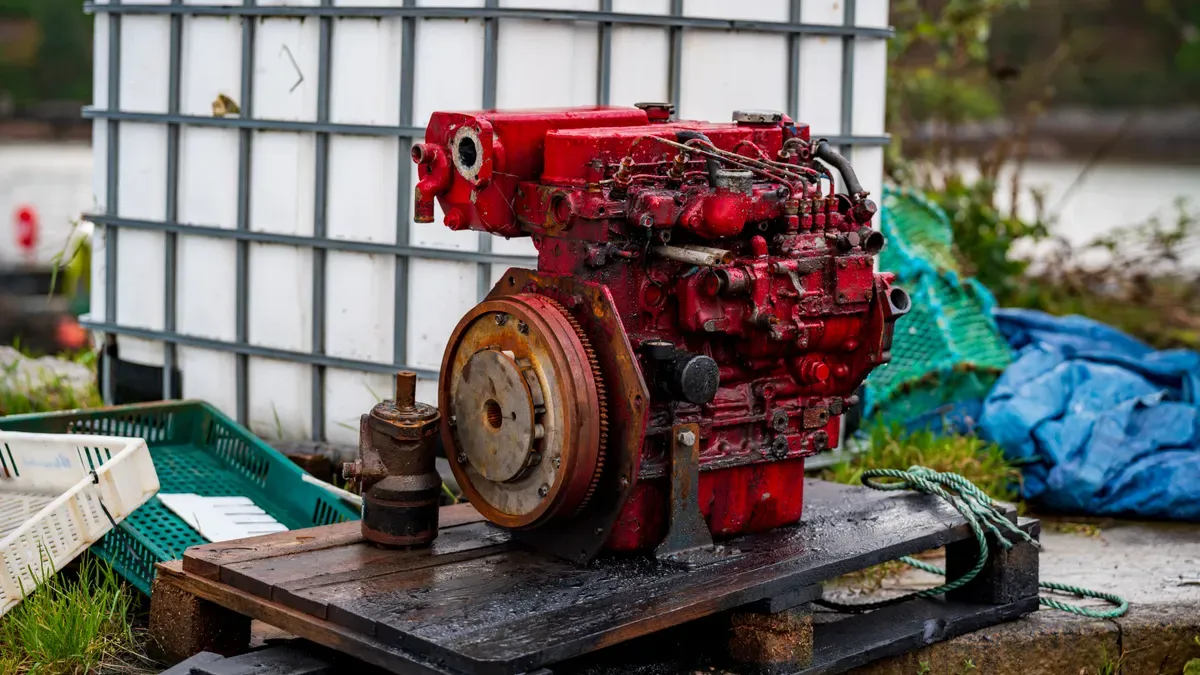
The engine and alternator form the heart of any mining generator set. Buyers should inspect these components for rust, corrosion, fuel system integrity, cooling system condition, and electrical connections. A corroded fuel line leaks diesel onto hot surfaces. A clogged radiator causes overheating during peak demand. Loose electrical terminals arc and fail without warning.
Engine brand and serviceability
Engine brand affects reliability, fuel economy, and maintenance costs. Cummins and Perkins both serve mining operations well, but they suit different applications. The table below compares two popular models.
| Specification Metric | Cummins QSX15-G8 | Perkins 2506A-E15TAG2 |
|---|---|---|
| Fuel Consumption (100% Load) | ~13.5 gal/hr | ~14.5 gal/hr |
| Emissions Standard | EPA Tier 4 Final | EPA Tier 3 |
| Dry Weight | 7,500 lbs | 6,500 lbs |
| Ideal Application | Heavy prime power generation | Compact commercial retrofits |
Cummins dominates heavy-duty, continuous operation above 200kVA. Perkins offers strong initial ROI below that threshold. Perkins engines share up to 75% of components interchangeably across series, which drives down repair costs. Historical tracking shows a potential 13% lifecycle maintenance advantage over a 100,000-hour continuous run. Buyers should weigh these factors against their duty cycle. SWT offers diesel generator sets powered by Cummins, Perkins, Kubota, Yuchai, SDEC, SME, and Weichai engines. These units come in containerized, open, and silent configurations to match any mining environment.
Alternator insulation and control panel
Alternator insulation class determines heat tolerance and service life. Buyers should verify the insulation rating matches the site’s ambient temperature and altitude. A control panel protects the engine through continuous monitoring. Key safety features include sensors for temperature, speed, and oil pressure. A microprocessor interprets sensor inputs and regulates performance. Automatic shutdown prevents damage during overheating or low oil pressure. Integration with an Automatic Transfer Switch enables seamless power transition during outages. Modern panels offer remote monitoring via 4G, 5G, or satellite communication. Real-time fault alerts and predictive maintenance capabilities reduce on-site personnel needs.
Verify documentation and test reports
What should buyers check in the paperwork phase? Service records, load bank results, and compliance certifications require careful review. A generator without proper documentation exposes buyers to hidden costs and regulatory penalties. The following documents provide a complete picture of the unit’s history and condition.
| Required Document | Purpose / Verification Detail |
|---|---|
| Hours of operation | Verified from ECM download where available |
| Original OEM manuals | Confirms original specifications and service guidance |
| Service history | Shows prior maintenance and operation |
| Recent load bank test report | Ideally within the last 12 months |
| Insulation resistance readings | Assesses winding condition |
| Engine oil analysis results | For diesel units |
| Photos of unit running | Controller display must be visible |
Service history confirms how the generator operated and stored. Consistent professional servicing indicates long-term reliability. Buyers should request maintenance records and inspection documentation whenever possible.
Request load bank test results and hour meter history
A load bank test proves the generator delivers its rated power under controlled conditions. The report should show the unit running at 25%, 50%, 75%, and 100% load for specified durations. Recent results within the last 12 months provide the most reliable snapshot. Buyers should verify the hour meter reading against the service history. Electronic control module downloads provide the most accurate hours. A discrepancy between the meter and the ECM suggests tampering or meter replacement.
Insulation resistance readings assess winding condition and predict alternator life. Engine oil analysis reveals metal particles, coolant leaks, or fuel dilution. These tests expose internal wear before it causes failure. Buyers should request all available test reports and compare them with the service timeline. Another area to inspect is what should buyers check in the ECM data logs. These logs store fault codes and runtime events that reveal hidden operational stress.
Confirm compliance certifications and warranty terms
Compliance certifications protect buyers from regulatory fines. The generator must meet emissions standards for the operating region. EPA Tier certification applies in the United States. European sites require EU Stage compliance. Buyers should request copies of all certification documents.
Warranty terms vary significantly between suppliers. Some cover the entire unit for one year. Others exclude the engine or alternator after 90 days. Buyers should read the warranty document carefully. SWT provides online assistance and a dedicated sales team to support buyers through the documentation process. This backing helps buyers verify every certificate and understand every warranty clause before signing.
Avoid common procurement pitfalls
Mining operations cannot afford a generator that fails under load. Buyers who rush the procurement process often discover problems after delivery. These problems cost money, time, and production. Two major pitfalls deserve attention: underrated specifications and incomplete cost analysis.
Beware of underrated generators and hidden costs
Some suppliers advertise power ratings that the generator cannot sustain. A unit rated at 500 kW may deliver only 400 kW under continuous load. This shortfall causes overheating, breaker trips, and premature engine wear. Buyers must verify every claim with independent documentation.
What should buyers check to expose an underrated unit? They should demand certified load bank test reports. These reports prove true power output under full stress. A load bank report validates cooling performance and alternator health. Buyers should also verify Class H insulation and 2/3 pitch alternator design. These features affect heat tolerance and waveform quality. Emissions ratings matter too. EPA Tier 4 Final certification confirms the engine meets current standards. An acoustic certificate shows verified dB(A) sound output at 7 meters. This certificate ensures compliance with urban noise laws. For used units, fluid analysis reports reveal microscopic metal shavings in oil. These shavings indicate premature engine wear.
| Document Type | What It Proves | Why Buyers Need It |
|---|---|---|
| Load Bank Report | Empirical performance under 100% stress | Validates cooling and alternator health, confirming true power output |
| Acoustic Certificate | Verified dB(A) sound output at 7 meters | Ensures compliance with urban noise laws |
| Fluid Analysis | Microscopic metal shavings in oil | Detects premature engine wear in used units |
Buyers should also calculate wet weight before towing. A generator filled with fuel and coolant weighs far more than the dry shipping weight. An overloaded trailer creates towing hazards and may violate highway weight limits. Fuel autonomy at 75% and 100% load reveals how long the unit runs between refueling. A generator that burns through fuel quickly forces frequent stops on remote sites.
Hidden costs extend beyond the purchase price. Undersized generators waste fuel at low loads. Oversized generators cost more upfront and run inefficiently. Buyers should assess load profiles carefully to avoid both errors. A transparent warranty breakdown exposes exclusions before they cause disputes. Buyers should demand this breakdown in writing.
Inspection steps help buyers verify condition before payment. They should demand comprehensive specification sheets upfront. They should require verified load test data before making any financial commitments. They should examine chassis welds for deep structural integrity. They should check enclosure seals for proper weatherproofing. They should boot up the digital control panel to test screen responsiveness. If travel is not possible, they should conduct a live-video inspection. These steps expose problems that photos alone cannot reveal.
Consider total cost of ownership and lead times
Purchase price represents only one part of the total cost. Fuel, maintenance, parts, and downtime add up over the generator’s life. A cheaper unit with poor fuel economy costs more to operate. A unit with limited service support spends more days idle. Buyers should calculate fuel consumption at expected load levels. They should research parts availability and service network coverage. A generator from a brand with no local dealer may wait weeks for a replacement belt or filter.
Lead times affect project schedules. Custom containerized units may take longer to build than open-type units. Buyers should confirm delivery dates in writing. They should ask about production capacity and current order volume. A supplier who cannot meet the deadline forces the buyer to rent a temporary unit. Rental costs erode the savings from a lower-priced generator.
Warranty terms also affect total cost. A one-year comprehensive warranty protects against early failures. A 90-day engine warranty leaves the buyer exposed. Buyers should compare warranty coverage across suppliers. They should read every clause and ask about claim procedures. A warranty that requires shipping the unit overseas for repair offers little value.
SWT provides online assistance and a dedicated sales team to support buyers through this analysis. This backing helps buyers compare total costs and confirm lead times before signing any agreement.
Buyers now hold a complete checklist. They must confirm power sizing against real load profiles. They must inspect trailer chassis for highway compliance and safe towing. They must assess engine brands, alternator insulation, and control panels. They must verify load bank reports, hour meter history, and warranty terms. They must avoid underrated units and hidden ownership costs. What should buyers check before signing? These five areas decide whether a mining generator delivers reliable power or becomes a costly liability. Thorough verification saves money and reduces operational risk. Buyers should apply this guide to every quote and inspection. For a detailed quote or further guidance, contact SWT’s sales team.