
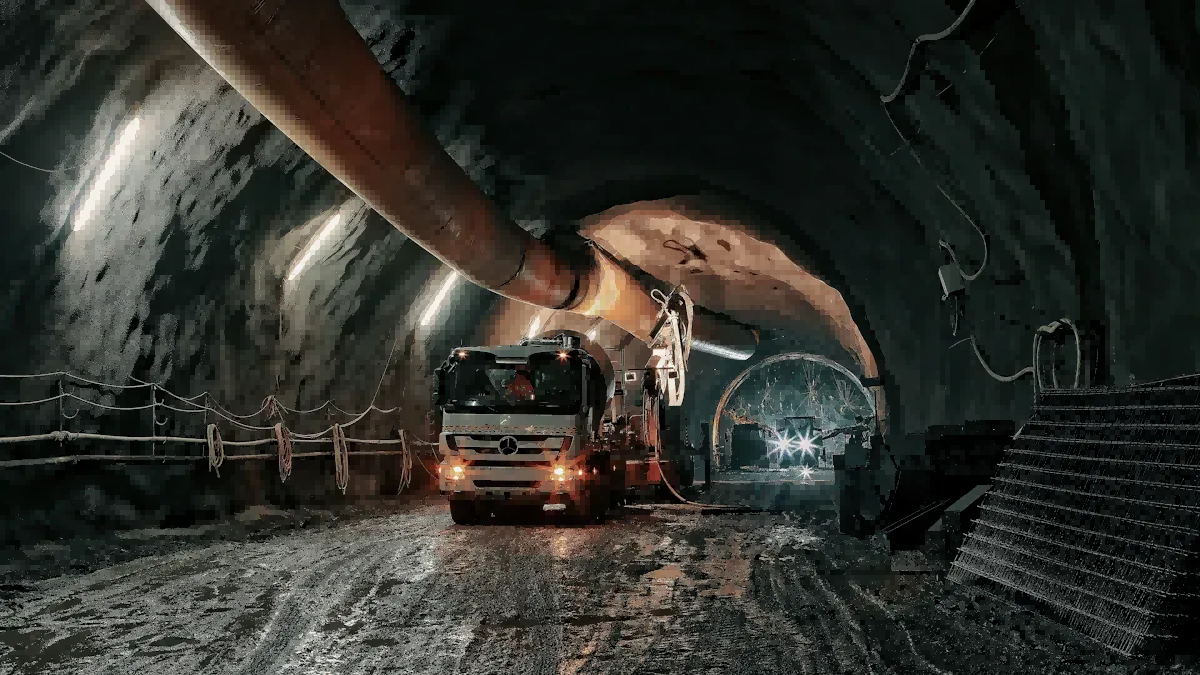
A mining power solution proves reliable in extreme environments when it combines rugged construction, built-in redundancy, adaptability, and straightforward maintenance. Picture a mine site perched at high altitude, where heavy dust clogs filters and temperatures swing from scorching heat to bitter cold. Crushers, conveyors, and ventilation fans suddenly demand massive power surges. These conditions punish ordinary equipment. Power failures here carry serious consequences: they endanger workers, halt production lines, and damage expensive machinery. Operators need power systems engineered to withstand these relentless pressures, not merely survive them. The challenge demands thoughtful design and proven technology.
Mining Power Sources and Uptime Challenges
Primary Power Source Options for Remote Mines
Remote mining operations face a fundamental choice about electricity generation. Grid power rarely reaches these sites. The distances prove too great, and the infrastructure costs become prohibitive. Natural gas generators appear only where pipelines or LNG transport exist. Most mines therefore rely on diesel generators as their dependable backbone.
| Power Source | Prevalence for Remote Mining | Key Characteristics |
|---|---|---|
| Diesel Generators | Most common | High reliability, high output, easy installation |
| Renewable Hybrid Systems | Common as supplement | Reduce fuel costs, still require diesel backup |
| Natural Gas Generators | Less common | Used where gas pipeline or LNG is available |
| Grid Power | Rare | Impractical for most remote sites |
Renewable hybrids add solar panels, wind turbines, and battery storage to the mix. These systems cut fuel consumption and emissions. However, they cannot stand alone. Weather conditions change without warning. Storage capacity has limits. Diesel generators fill the gaps and provide consistent power when renewables fall short. This combination ensures 24/7 operation at isolated locations.
Why Continuous Power Matters in Mining Operations
Power interruptions threaten more than production targets. They endanger lives. Ventilation systems depend on steady electricity to remove dangerous gases and control air quality. A failure here puts every worker underground at risk. Conveyor systems also suffer. A single breakdown can halt ore removal completely. Unplanned downtime costs $100,000 to $500,000 or more per hour. Waiting for replacement parts adds further pain, with critical components carrying 12-24 week lead times.
Dewatering pumps present the most severe danger. These powerful units run continuously to keep water out of the mine. Losing electrical power allows water to rise. Flooding can damage underground openings, electrical equipment, and ore stability. Recovery may become uneconomical. Redundancy in pump power supplies becomes essential.
Mine dewatering pumps remove water from the mine before it can cause flooding. Such pumps are highly powerful and run continuously without major issues. This ensures the miner’s safety and avoids any damage to the infrastructure. When choosing a dewatering pump, the availability of power supply is a key factor to consider.
Operators must treat power reliability as a safety system, not just a utility expense. Every minute of interruption carries measurable cost and potential harm. The right power source prevents these outcomes before they begin.
Extreme Conditions That Test Mining Power
Environmental Stressors at Mine Sites
Mining environments punish power equipment relentlessly. Temperature extremes alone force significant design compromises. Sub-zero conditions thicken fuel, causing poor atomization and incomplete combustion. Battery capacity drops up to 50% at -20°C, making cold starts unreliable. Intake heating systems become mandatory for ignition assurance. High temperatures create opposite problems. Radiator heat dissipation falls, reducing power output. Electronic control modules suffer thermal stress and premature failure.
Humidity and moisture introduce corrosion. Condensation attacks electrical systems and critical components. Salt-laden coastal air accelerates this damage further. Dusty conditions present perhaps the greatest challenge. Air filtration systems struggle against fine particles. Accelerated engine wear shortens maintenance intervals dramatically.
| Environmental Condition | Specific Performance Impact |
|---|---|
| Cold temperatures (sub-zero) | Fuel viscosity increases → poor atomization & incomplete combustion; battery capacity drops up to 50% at -20°C → starting reliability compromised |
| High temperatures | Radiator heat dissipation reduced → power output derated; electronic control modules suffer thermal stress → premature failure |
| Humidity & moisture | Condensation → electrical system failures & accelerated corrosion of critical components |
| Salt-laden coastal air | Aggressive corrosive conditions → compromise both mechanical and electrical systems |
| Dusty/sandy conditions | Air filtration struggles → accelerated engine wear & reduced maintenance intervals |
Altitude compounds these problems. Diesel generators lose approximately 3–4% of output per 300 meters above sea level. This translates to 10–13.3% derating per 1,000 meters. A generator rated at 100 kW at sea level delivers only 70–75 kW at 3,000 meters. Dual-stage turbocharging maintains power loss below 12% at 3,000 meters elevation. IP54+ protection and dry air filters with 99.8% dust filtration efficiency prevent accelerated wear.
Dust concentrations vary by location. Belt conveyor drift areas show respirable dust concentrations of 5.18 mg/m³. Office buildings measure just 0.02 mg/m³. Particle sizes average 7 μm in aerodynamic diameter. These particles infiltrate every opening.
Mechanical and Operational Stressors
Vibration threatens generator integrity continuously. Misaligned drive components, loose mounting bolts, damaged flexible couplings, or failing alternator parts produce abnormal vibration. These conditions accelerate wear on all components. Fatigue failures appear in fuel lines, exhaust components, and electrical connections.
Misaligned drive components, loose mounting bolts, damaged flexible couplings, or failing alternator components can all produce abnormal vibration. These conditions accelerate wear on all generator components and can cause fatigue failures in fuel lines, exhaust components, and electrical connections.
Fluctuating loads from crushers and conveyors add mechanical stress. Increased combustion pressures under high load exert substantial stress on engine blocks, crankshafts, connecting rods, and bearing systems. Premature fatigue failure, crankshaft deflection, and bearing wear result. Electrical components face thermal stress causing insulation breakdown. Voltage fluctuations and harmonic distortion lead to system instability or shutdown. Variable fuel quality compounds these issues, stressing engine components and control systems alike.
Key Reliability Factors in a Mining Power Solution
Rugged Design, Cooling, and Air Filtration
A mining power solution must withstand relentless punishment from its environment. Rugged enclosures form the first line of defense. These housings protect internal components from dust ingress, moisture intrusion, and physical impact. Manufacturers build them from heavy-gauge steel with sealed seams and gasketed doors. The enclosures also dampen noise, keeping sound levels manageable for nearby workers.
Cooling systems require special attention in mining applications. Standard radiators often prove inadequate when ambient temperatures soar. Oversized cooling packages maintain proper operating temperatures even under full load. These systems use larger fans, higher-capacity radiators, and improved airflow paths. They prevent overheating that would otherwise derate the generator or cause premature component failure.
Air filtration demands equally careful engineering. Mine sites generate dust concentrations hundreds of times higher than typical urban environments. Standard filters clog quickly, restricting airflow and reducing combustion efficiency. Advanced filtration systems use multi-stage designs. Cyclonic pre-cleaners remove large particles first. Fine filters then capture smaller contaminants. High-efficiency dry filters achieve 99.8% dust filtration efficiency, protecting engine internals from abrasive wear.
| Reliability Factor | Supporting Evidence |
|---|---|
| Ruggedness & Durability | Units engineered for ruggedness and durability operate in the most challenging environments without compromising performance. |
| Proactive Maintenance | Regular inspections, preventive schedules, and timely repairs minimize downtime and maximize productivity. |
| Monitoring Systems | Remote monitoring tracks fuel consumption, engine health, and power output in real-time, using data analytics to prevent unplanned downtime. |
| Safety Compliance | Stringent safety regulations require proper installation, maintenance, and operation procedures to protect workers and the environment. |
| Environmental Compliance | Generator sets must meet strict emissions standards using cleaner technologies and emission control measures. |
SWT engineers its generator sets with these principles in mind. The company factory-tests every unit before shipment. This testing verifies performance under simulated load conditions. It catches defects before equipment reaches the mine site. SWT also offers containerized configurations that provide additional protection against harsh elements. These containers integrate cooling, filtration, and sound attenuation into a single weatherproof package.
Redundancy, Remote Monitoring, and Serviceability
Redundancy forms the backbone of reliable mining power. A single generator cannot guarantee uptime. Component failures, scheduled maintenance, or fuel supply issues can force shutdowns. Multiple units operating in parallel provide backup capacity. If one unit fails, others continue supplying power. This configuration also allows operators to perform maintenance without halting production.
Remote monitoring systems add another layer of protection. These systems track critical parameters in real-time. Operators can view data from a central control room or even from remote locations. The monitoring provides early warning of developing problems. It enables predictive maintenance rather than reactive repairs.
| Sensor Input | Monitored Metric / Purpose |
|---|---|
| Temperature sensors | Engine heat, coolant levels, exhaust conditions (prevents overheating) |
| Fuel level sensors | Real-time fuel consumption, abnormal drops, potential leakage |
| Voltage & current sensors | Electrical output stability, load balance |
| RPM & runtime sensors | Operational cycles, usage patterns, total runtime hours |
| Oil pressure sensors | Engine health, early mechanical stress detection |
| Power & phase monitoring | Power output, voltage/load imbalance across phases |
| Fuel management | Fuel level and temperature (prevents shortage/leakage in isolated sites) |
| Maintenance alerts | Low battery warnings, service alerts, predictive maintenance scheduling |
These monitoring parameters enable early fault detection. Overheating triggers alerts before damage occurs. Oil pressure drops signal mechanical stress. Abnormal fuel consumption indicates potential leaks. Operators can address these issues promptly, avoiding costly breakdowns.
Serviceability determines how quickly repairs happen. Easy access to service points reduces downtime significantly. SWT designs its generator sets with maintenance in mind. Service doors open wide for component access. Filters and belts sit in reachable positions. Control panels provide clear diagnostics. This thoughtful layout allows technicians to complete routine maintenance quickly and safely.
A complete mining power solution integrates these factors into a cohesive system. Rugged construction protects against environmental threats. Redundant units ensure continuous operation. Remote monitoring provides visibility and predictive capability. Serviceable design minimizes repair time. Together, these elements create a power system that keeps mines running safely and productively.
Diesel Generators for Extreme Mining Environments
Why Diesel Is a Dependable Mining Power Backbone
Diesel generators dominate remote mining operations for concrete reasons. Their fuel carries a higher energy density than natural gas. This means generators run longer on less fuel, a critical advantage when refueling requires long-haul trucking over rough terrain. Diesel fuel also exhibits lower volatility. The chemical stability reduces explosion risks in underground or enclosed spaces where combustible dust and gases accumulate. This safety characteristic alone makes diesel the preferred choice for many mine operators.
The mechanical simplicity of diesel engines contributes to their reliability. They lack spark plugs and carburetors, components that wear out or require adjustment. Fewer wear-prone parts translate to lower maintenance demands. This matters greatly at sites where spare parts and skilled technicians remain hours or days away. Diesel generators also demonstrate superior performance under harsh conditions. They maintain reliable output in dusty, hot, and vibration-heavy environments where natural gas units may degrade.
Diesel systems offer remarkable scalability. Power outputs range from small portable units for hand tools to large-scale systems running processing equipment. This adaptability suits diverse mining operations. Natural gas generators often present limited size options, particularly at temporary sites without gas infrastructure. Diesel generators arrive in compact, trailer-mounted, or containerized configurations. Operators can relocate them easily across multiple mining sites.
Load handling capability further distinguishes diesel generators. Mining equipment such as crushers, conveyors, and ventilation systems create fluctuating power demands. Inductive equipment like crushers and ball mills can draw two to four times normal power at startup, sometimes reaching five to six times. Proper sizing requires multiplying inductive loads by a starting factor, usually two to three times. Operators should add twenty to thirty percent extra capacity to prevent overloads and avoid trips. Inductive loads typically operate at a 0.7 to 0.9 power factor, which must factor into generator sizing. Soft starters or staged startup sequences reduce initial surges and prevent voltage drops.
A quantitative example illustrates this calculation. For a 500 kW crusher with a starting factor of 2.5 and power factor 0.7, the instant start power equals 1250 kW. Dividing by the power factor gives a generator size of approximately 1786 kVA. Adding twenty to thirty percent reserve yields a recommended 2143 to 2322 kVA generator. This ensures smooth operation without trips.
Scalable, Maintainable Generator Set Designs
SWT exemplifies proven diesel generator design for mining applications. The company brings more than thirty years of experience since 1993. Every unit undergoes factory testing before shipment, verifying performance under simulated load conditions. This testing catches defects before equipment reaches the mine site. SWT offers a power range from 8 kVA to 3781 kVA, covering applications from small auxiliary loads to primary mine power.
Containerized and silent configurations provide decisive advantages for remote sites. Heavy-duty corrugated steel shells offer superior weather resistance against rain, snow, wind, and dust. These enclosures eliminate the need for permanent engine houses or concrete foundations. Integrated acoustic insulation and aerodynamic baffling reduce operating noise to compliant levels. Standardized ISO dimensions and corner castings enable effortless global transport via flatbed, rail, or ship without special permits. Forklift slots and plug-and-play connection boxes accelerate on-site commissioning.
Silent canopy configurations meet 65 to 75 dB(A) at 7 meters, making them suitable for sites near offices or residences. Containerized units provide built-in weather protection for outdoor deployment. Heavy-duty lockable steel doors hide fuel tanks and controls, reducing theft and tampering. Sealed enclosures with motorized louvers and sand traps protect internal components. Marine-grade C4/C5 paint resists corrosion in harsh environments. IP44 alternator ratings ensure electrical protection against dust and water ingress.
Service access remains a priority in these designs. Walk-in maintenance access in larger 40-foot configurations allows technicians to work comfortably. Filters and belts sit in reachable positions. Control panels provide clear diagnostics. This thoughtful layout enables quick routine maintenance, minimizing downtime. A complete mining power solution integrates these design elements to keep operations running safely and productively.
Choosing and Maintaining a Mining Power Solution
Specifying Power for Site-Specific Conditions
Site conditions dictate generator sizing more than any other factor. Altitude reduces air density, which lowers combustion efficiency. The standard derating rule subtracts 3% of generator capacity for every 300 meters above sea level. Temperature adds another penalty: 1% capacity loss for every 1°C above 40°C ambient. A 1000 kVA generator at 1,500 meters altitude delivers only 850 kVA effective capacity. To achieve 1000 kVA usable output, operators must upsize to approximately 1200 kVA.
Dust levels change maintenance schedules dramatically. Clogged air filters increase intake restriction and reduce turbo efficiency. In dusty environments, filter intervals may drop from 500 hours to 250 hours or less. Daily filter restriction checks become essential.
Load profiles determine the right configuration. An oversized generator operates at low load, wasting fuel and causing wet stacking. Right-sizing keeps the unit in the 60–80% efficiency window. If peak load reaches 800 kW but average load sits at 400 kW, two smaller units in parallel outperform one 1000 kW unit.
| Site-Specific Factor | Key Consideration for Generator Sizing |
|---|---|
| Altitude | Reduces air density, decreasing combustion efficiency; requires capacity derating |
| Temperature | Affects engine performance and electrical components; necessitates proper cooling specifications |
| Dust Levels | Requires adequate air filtration maintaining airflow for cooling and combustion |
| Load Profile | Peak demand during startup creates spikes; diversity factors allow realistic sizing |
Installation, Commissioning, and Preventive Maintenance
Commissioning verifies equipment performance before full operation. The process begins with a Factory Acceptance Test (FAT), typically lasting 1-2 days per unit. After delivery, operators run a Site Acceptance Test (SAT). Load-bank testing at 100% capacity for at least 2 hours reveals latent problems before the asset enters service. Step load acceptance verifies the generator handles sudden demand changes. Alarm and shutdown verification confirms safety functions operate correctly.
Preventive maintenance sustains reliability over the equipment’s lifetime. Daily checks cover engine oil level, coolant, fuel, air filters, water tank, exhaust piping, and gauges. In high-dust environments, air filter service intervals drop to 25–50% of the OEM recommendation. At altitudes above 3,000 feet, coolant testing should occur monthly instead of at standard intervals. Engines run hotter relative to cooling capacity at altitude, so cooling system inspections need tighter intervals.
A full-service supplier simplifies this entire process. SWT follows a customer-first approach: listen to requirements, recommend the right configuration, provide free design assistance, and support installation, commissioning, and preventive maintenance. This partnership keeps the mining power solution dependable throughout its service life.
Reliable power serves as the lifeline of every mining operation. The right mining power solution prevents costly downtime while safeguarding personnel and equipment. Rugged construction, redundancy, adaptability, and maintainability form the foundation of dependable performance in extreme conditions.
Investing in a tailored system delivers measurable returns. Preventive maintenance reduces unplanned downtime by 27% in the first year and 32% by year two. One case study showed maintenance intervals extending from 70 days to 160–200 days on processing equipment. Each avoided incident saves hundreds of thousands of dollars.
Operators seeking customized, mine-ready solutions benefit from manufacturers offering global delivery and comprehensive after-sales support. Such partnerships ensure long-term reliability and profitability.