
No single power solution suits every remote oilfield. The best power solution depends on site-specific factors, and operators must weigh each option against their own conditions. Diesel generator sets, natural gas generator sets, solar-hybrid systems, wind-diesel hybrids, and grid extension each fit different situations. This post offers a practical decision framework built on reliability, cost, fuel logistics, maintenance capacity, and emissions compliance. Readers can apply these criteria to their own sites and identify a shortlist of viable options. The right choice emerges from the site itself, not from a default preference for one technology.
Factors Behind the Best Power Solution
Fuel Logistics and Site Access
Fuel logistics shape every power decision on a remote oilfield. Diesel and gas systems depend on a steady supply chain, and long delivery routes raise cost and risk. Site access matters just as much. Narrow roads, soft ground, and seasonal weather limit the size and type of equipment a crew can move. A system that arrives late or runs dry delivers no value, however efficient its design.
Operators should map delivery distance, road conditions, and refueling frequency before comparing technologies. Sites far from supply lines often favor solutions that reduce or eliminate fuel deliveries. Off-grid equipment should be plug-and-play and easy to deploy, with containerized or silent configurations that simplify transport and commissioning. Remote pump, compressor, and platform sites also demand rugged systems built for uptime, safety, and extreme conditions.
Load Profile and Maintenance Capacity
Load profile determines the required duty class. Standby systems cover emergencies and run intermittently. Prime systems carry variable loads for extended periods. Continuous systems run at a steady rating around the clock. Sizing a generator outside its intended duty class shortens service life and wastes fuel. Operators should measure peak demand, average demand, and daily load swings before selecting equipment.
Maintenance capacity is an equally practical filter. Sites with limited technicians need systems with long service intervals and simple upkeep. Emissions regulations add another layer, because local rules may restrict certain fuels or require cleaner combustion. Harsh-environment requirements, including dust, heat, humidity, and cold, test every option in the same way. Each technology is judged against these shared criteria, and no single option wins on all of them.
Comparing the Main Power Options
Diesel, Natural Gas, and Grid Extension
Diesel generator sets deliver predictable performance and remain the primary source of sustained off-grid power. They fit best where fuel delivery is reliable and the continuous load is high. A diesel unit starts quickly, carries variable loads well, and needs no gas infrastructure. SWT diesel generator sets span 8–4500 kVA and come in containerized and silent configurations, which suits demanding environments and simplifies transport to remote sites.
Natural gas generator sets offer a cost-effective path where field or associated gas is available. They fit best where operators can capture gas rather than flare it, turning an available resource into useful power. SWT gas generator sets, including green energy solutions, give operators an option that pairs fuel availability with lower operating cost. Sites with a steady gas supply and a long-term load profile often find this route attractive.
Grid extension fits best where the site sits close to existing infrastructure and the load is long-term. Distance and terrain limit this option. Long runs across rough ground raise construction cost and complexity, and a remote well site far from any line rarely justifies the investment. Where a line already passes nearby, however, grid power can serve as a simple and dependable supply.
Solar-Hybrid and Wind-Diesel Hybrids
Solar-hybrid systems with storage provide reliable energy for remote well sites, pipeline monitoring, and automation. Solar plus storage can deliver 24/7 power when sized correctly. These systems fit best where the load is moderate and sunlight is strong. They cut fuel deliveries and reduce runtime on backup generators, which helps sites with difficult access. A modest monitoring load on a sunny site is a natural match.
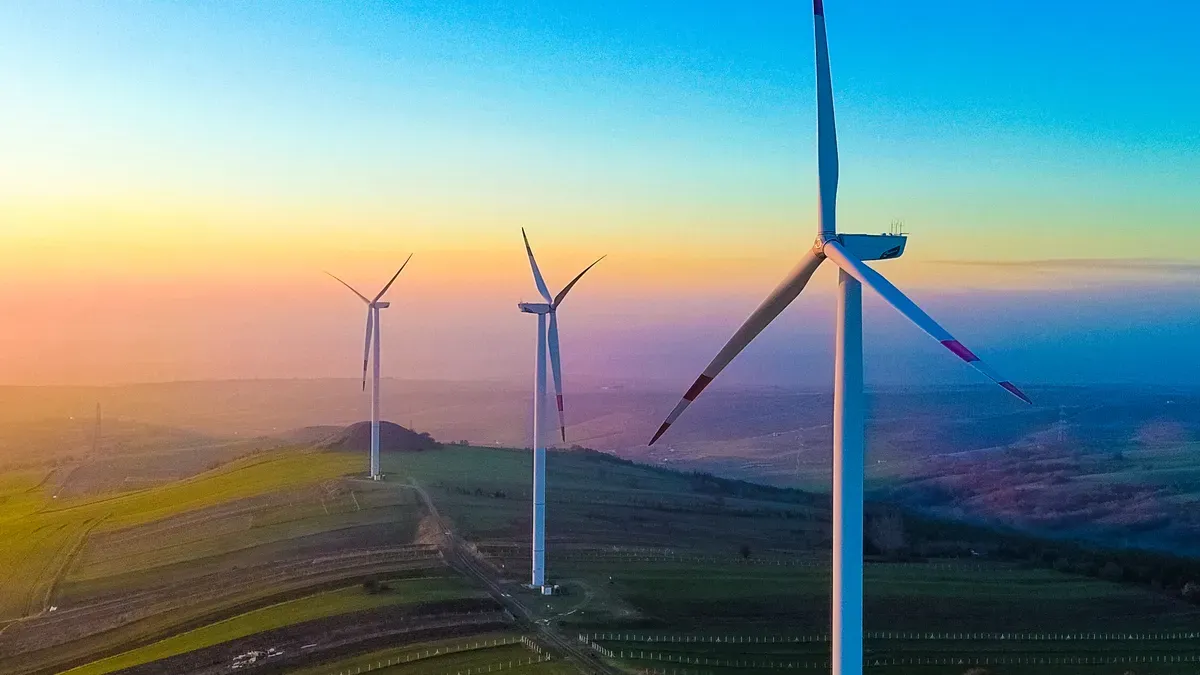
Wind-diesel hybrids fit best in suitable wind regimes with moderate loads. They combine a wind turbine with diesel backup, and the diesel unit covers calm periods. Variability is the main consideration, because wind output rises and falls with weather. Maintenance also matters, since turbines add moving parts and service tasks. Sites with steady wind and a crew able to handle routine upkeep see good results from this configuration.
No single option wins everywhere. Each technology fits a distinct set of site conditions, and the best power solution for one field may be a poor match for another. Diesel suits high continuous loads with reliable fuel. Gas suits sites with captured gas. Grid extension suits sites near infrastructure. Solar hybrids suit moderate loads in strong sunlight. Wind-diesel hybrids suit windy sites with moderate demand. Operators who compare these options against their own fuel logistics, load profile, and maintenance capacity will find a clear shortlist.

Choosing the Best Power Solution for Your Site
A Decision Framework for Remote Oilfields
A decision matrix turns site conditions into a shortlist. Operators map five inputs against the available technologies: fuel access, gas availability, grid distance, load size, and climate. The table below shows where each option fits best.
| Site Condition | Diesel | Natural Gas | Grid Extension | Solar-Hybrid | Wind-Diesel |
|---|---|---|---|---|---|
| Reliable fuel delivery, high continuous load | Best fit | Viable with gas supply | Poor fit if distant | Backup role | Backup role |
| Captured field or associated gas available | Viable | Best fit | Poor fit if distant | Backup role | Backup role |
| Short distance to existing line, long-term load | Backup role | Backup role | Best fit | Poor fit | Poor fit |
| Moderate load, strong sunlight, difficult access | Backup role | Poor fit without gas | Poor fit | Best fit | Possible |
| Moderate load, steady wind regime | Backup role | Poor fit without gas | Poor fit | Possible | Best fit |
Three scenarios show how the framework works in practice. A gas-rich site with a long-term load shortlists natural gas generator sets first, because captured gas replaces delivered diesel and lowers operating cost. A distant well site with monitoring loads shortlists solar-hybrid systems with storage, since 24/7 power comes from solar plus storage and fuel deliveries drop sharply. A high-continuous-load facility near reliable fuel routes shortlists diesel generator sets, which carry steady loads around the clock and start quickly after outages.
Cost and Emissions Trade-Offs
Cost comparisons must cover the full picture. Purchase price is only the entry point. Fuel delivery, service visits, downtime risk, and emissions compliance all shape lifetime cost. A cheap unit with frequent refueling on a distant site often costs more than a pricier system that cuts deliveries. Emissions rules vary by region, and local regulators may restrict certain fuels or demand cleaner combustion. Operators should confirm the applicable limits before committing to a technology.
Hybrid configurations often balance reliability and cost. A solar-hybrid system pairs storage with a diesel backup, and the diesel unit runs only when sunlight fades. A wind-diesel hybrid works the same way, with diesel covering calm periods. These designs cut fuel use without sacrificing uptime. Mobile lighting towers can support site operations alongside the main power source, covering night work and maintenance tasks without drawing on the primary supply.
No single technology wins on every criterion. Diesel leads on continuous load and predictable starts. Gas leads where captured fuel is available. Grid extension leads near infrastructure. Solar and wind hybrids lead on fuel reduction at moderate loads. SWT supplies every option compared here, so the guidance stays neutral. The best power solution is the one that matches the site’s own fuel logistics, load profile, maintenance capacity, and regulatory environment. Operators who run their conditions through the matrix will reach a defensible shortlist, and that shortlist points to the best power solution for their field.
The best power solution for a remote oilfield matches the site’s fuel logistics, load profile, maintenance capacity, and regulatory environment. No single technology wins everywhere. The decision framework turns those site conditions into a shortlist of viable options, and the shortlist points to a defensible choice.
Operators should evaluate every option against their own criteria rather than defaulting to one technology. Hybrid approaches often balance reliability and cost, especially where fuel deliveries are difficult. A careful comparison of site conditions, not a fixed preference, identifies the best power solution for each field.
FAQ
Is a hybrid system worth the added complexity?
Hybrid designs often balance reliability and cost. A solar-hybrid system pairs storage with a diesel backup, and the diesel unit runs only when sunlight fades. Wind-diesel hybrids work the same way. These configurations cut fuel use without sacrificing uptime, which helps sites with difficult access.
How does an operator size a generator correctly?
Operators should measure peak demand, average demand, and daily load swings first. They then match those figures to the duty class: standby, prime, or continuous. Sizing a unit outside its intended class shortens service life and wastes fuel.
Does available gas always make natural gas the cheaper choice?
Captured field or associated gas often lowers operating cost, because it replaces delivered diesel. The fit still depends on a steady gas supply and a long-term load. Sites without that supply should compare other options against the same criteria.
Can one power solution serve several remote sites?
Rarely. Each field carries its own fuel logistics, load profile, and climate. A high-continuous-load facility near fuel routes suits diesel, while a distant monitoring site suits a solar-hybrid system. Operators should evaluate each site separately.
What role do mobile lighting towers play?
Mobile lighting towers support site operations alongside the main power source. They cover night work and maintenance tasks without drawing on the primary supply. SWT offers these units as part of its power lineup.