
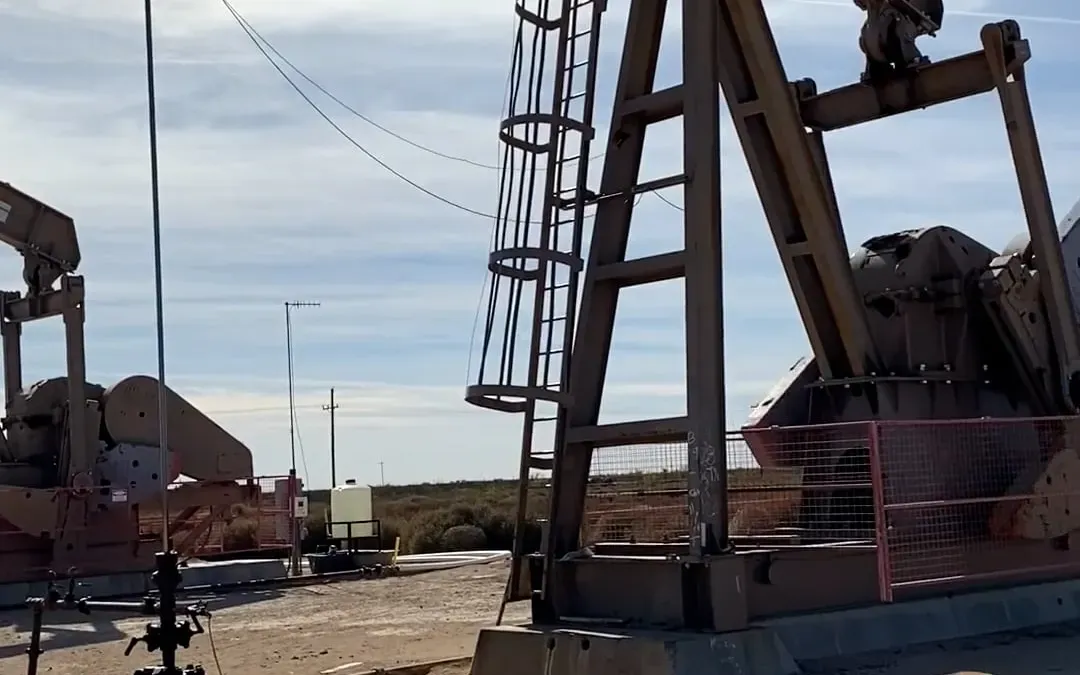
Gas gensets deliver measurable advantages in oilfield power. Operators see lower fuel costs, reduced emissions, dependable runtime, fuel flexibility, and a strong fit with emissions rules. These benefits reach drilling rigs, artificial lift systems, processing facilities, and remote microgrid power needs. The advantages of gas gensets grow clearer when operators compare them directly with diesel units. Fuel prices, maintenance demands, and exhaust output all shift the economics. This article breaks down each advantage with technical specifics and side-by-side comparisons to diesel gensets. Readers gain a practical view of where gas power fits best in oilfield operations.
Key Advantages of Gas Gensets in Oilfields
The advantages of gas gensets in oilfields center on fuel economics, emissions performance, and dependable runtime. This section anchors the core case for gas power and sets up the detailed comparisons that follow. Gas gensets can run on pipeline gas, wellhead gas, or stranded gas. That fuel flexibility gives operators a fuel-cost advantage for base load and continuous-duty power wherever gas is available. The subsections below examine fuel savings and emissions in turn.
Fuel Cost Savings vs. Diesel
Fuel price drives the operating economics of any oilfield power plant. Diesel must be purchased, trucked to site, and stored in tanks. Natural gas often arrives through an existing pipeline or comes directly from the wellhead. Operators who run gas gensets on these supplies avoid the delivered cost of diesel and the logistics burden that comes with it. The savings grow with runtime, so continuous-duty applications capture the most value. A unit that runs every day of the year sees the fuel line item dominate its budget.
Base load power is where the gap widens. A diesel unit running around the clock burns a large volume of fuel every month. A gas unit on the same duty draws from a lower-cost supply. Operators also reduce exposure to peak rural power charges when they build a gas-fired microgrid instead of buying grid power at premium rates. The microgrid approach keeps generation close to the load and avoids long distribution runs.
Lower Emissions and Reduced Flaring
Natural gas burns more cleanly than diesel. Gas gensets produce less particulate matter and lower exhaust output per unit of power. Cleaner combustion helps operators meet air quality limits at the site and reduces visible exhaust. Fewer exhaust aftertreatment demands also simplify maintenance routines.
Associated gas presents a second opportunity. Many fields flare this gas because no market exists for it nearby. A gas genset converts that stream into useful electricity. The operator cuts flaring, gains on-site power, and turns a waste stream into a productive asset. This combination strengthens the advantages of gas gensets for fields with limited gas export options. The practice also supports emissions reporting goals at the corporate level.
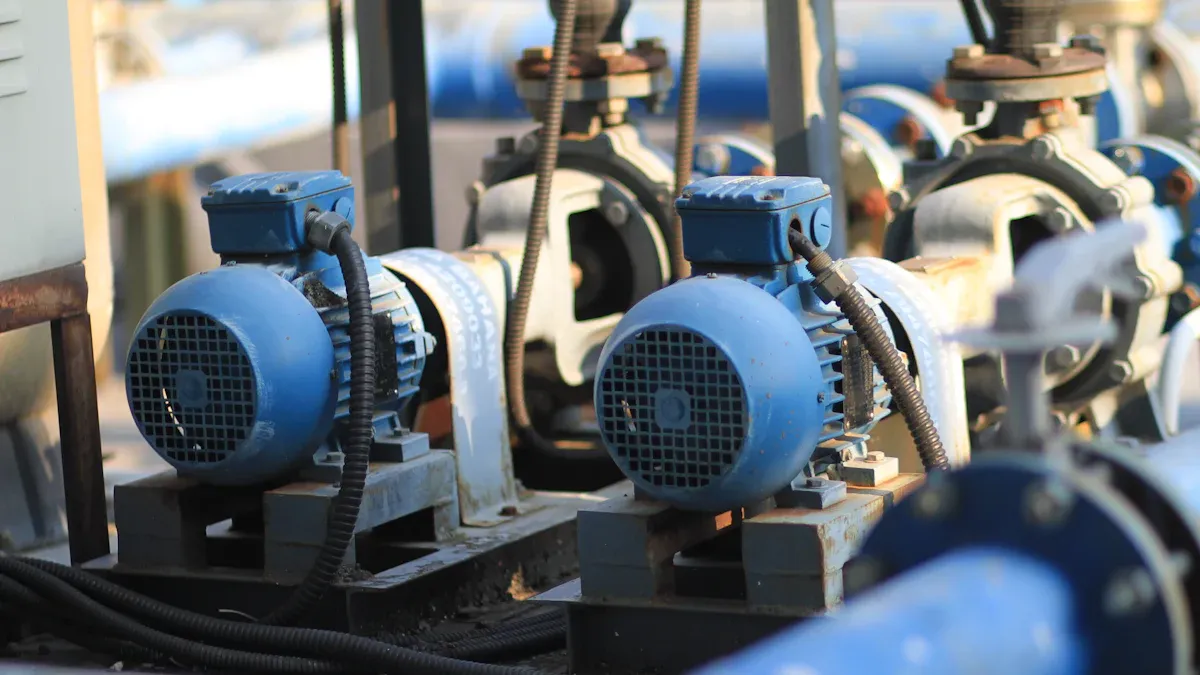
Fuel Cost and Supply Advantages
Wellhead and Stranded Gas Use
Oilfield microgrid power plants based on natural gas reduce costs by limiting exposure to peak rural power charges. Grid power in remote areas often carries premium rates during high-demand periods. A gas-fired microgrid keeps generation close to the load and avoids those charges. Operators gain more control over their power budget as a result.
Pipeline natural gas or wellhead gas gives gas gensets a fuel-cost advantage for base load and continuous-duty power. A unit that runs every day draws most of its fuel from a low-cost supply. Diesel, by contrast, arrives by truck and carries delivered cost plus logistics overhead. The savings compound across long runtimes. SWT’s diesel and gas generator sets span 8 to 4500 kVA in standby, prime, and continuous configurations. That range gives operators flexible configurations suited to different oilfield duties, from small remote loads to larger field-wide power.
Lower Fuel Handling Costs
Diesel requires storage tanks, delivery scheduling, and spill precautions at every site. Each of these steps adds cost and labor to the power budget. Gas supplied by pipeline or wellhead removes most of that handling chain. Operators spend less on fuel logistics and more on production.
Stranded gas offers a further supply advantage. Many fields produce gas with no nearby market, so the stream goes unused or gets flared. A gas genset captures that energy for on-site power. The operator turns a waste stream into a fuel source and cuts the cost of buying diesel. This supply-side benefit reinforces the advantages of gas gensets for fields with limited gas export options.
Emissions and Flaring Reduction
Cleaner Combustion Than Diesel
Natural gas burns more cleanly than diesel fuel. Gas gensets release less particulate matter and lower exhaust output for each unit of power they produce. Operators see this difference in the stack and in the maintenance bay. Cleaner combustion leaves fewer deposits on engine components. Service crews spend less time on cleaning and more time on scheduled upkeep.
Air quality limits at the site also favor gas power. Cleaner exhaust helps operators stay within local emissions rules without heavy aftertreatment hardware. Diesel units often need particulate filters and selective catalytic reduction systems to reach the same limits. Those systems add cost, weight, and service complexity. A gas unit avoids most of that burden. The advantages of gas gensets therefore extend beyond fuel price into the compliance budget.
Turning Associated Gas into Power
Associated gas often has no nearby market. Many fields flare this stream simply because nothing else uses it. A gas genset changes that equation. The unit draws the associated gas, burns it for electricity, and supplies power to the field. The operator cuts flaring and gains on-site generation from the same stream.
This practice turns a waste product into a working asset. Power flows to drilling support, artificial lift, and processing loads without a diesel delivery. The field also records lower flared volumes, which supports corporate emissions reporting. Fields with limited gas export options gain the most from this approach. The generator captures energy that would otherwise go up in smoke.
Reliability and Uptime
Continuous Duty in Remote Sites
Remote oilfield sites rarely enjoy stable grid access. Power must come from equipment that runs day after day without interruption. Gas gensets suit this continuous-duty role well. They draw fuel from a pipeline or wellhead supply and keep producing power through long operating cycles. Operators depend on that steady output for drilling support, artificial lift, and processing loads.
Proven field experience backs this reliability claim. SWT has built generator sets since 1993, a span of more than 30 years. The company has delivered over 2,886 projects across 100+ countries. A 24 MW power plant in Guinea and a 12 MW gas power plant in Nigeria show how these units perform in mission-critical environments. Such references give operators confidence that gas power holds up under demanding conditions. Dependable runtime also strengthens the advantages of gas gensets for fields that cannot afford downtime.
Modular and Portable Configurations
Gas turbine gensets fit larger power needs in oilfields. They offer a high power-to-weight ratio, so a compact unit delivers substantial output. Trailer-mounted packages can move from site to site as field operations shift. This mobility helps operators follow the work without buying new equipment for every location.
Modular design adds further uptime value. Operators can add capacity in steps as a field grows. A failed module does not shut down the whole plant, so the remaining units keep supplying power. Maintenance crews can service one package while others stay online. This arrangement keeps production running and reduces the risk of a full outage. Portable and modular packages therefore support both reliability and fast deployment across scattered oilfield locations.

Fuel Flexibility and Scalability
Handling Variable Gas Compositions
Oilfield gas rarely arrives in a single, consistent quality. Wellhead streams can carry different heating values, inert gases, and heavier hydrocarbons as a field matures. Gas gensets tolerate this variation better than many operators expect. Engine and fuel-system designs adapt to the gas on hand, so the generator keeps producing power as the composition shifts. Operators avoid the cost of conditioning every stream to a narrow specification.
Fuel flexibility also covers the source itself. A unit can draw pipeline gas when a line exists, switch to wellhead gas when the field produces its own supply, or capture stranded gas that has no market. This range of options keeps the plant running through supply changes. Operators gain a practical hedge against fuel disruption. The advantages of gas gensets therefore rest partly on this ability to accept what the field provides.
Scaling Capacity to Field Needs
Oilfield power demand changes as operations move through their phases. A small remote load may need only a modest unit, while a field-wide microgrid may call for several megawatts. Gas gensets scale in steps to match that curve. Operators add capacity as the load grows instead of buying oversized equipment at the start.
SWT’s diesel and gas generator sets span 8 to 4500 kVA in standby, prime, and continuous configurations. That spread lets an operator select a package sized to the duty at hand. Modular packages add further flexibility. Crews can bring additional units online as demand rises and move trailer-mounted sets to new locations. A 24 MW power plant in Guinea and a 12 MW gas power plant in Nigeria show how the same product family serves both large plants and smaller field loads. Operators gain a power strategy that grows with the field.
Regulatory Compliance and Permitting
Meeting Emissions Rules
Air quality rules tighten across oil and gas regions, and operators must show that their power equipment stays within those limits. Gas gensets help here because natural gas burns more cleanly than diesel. The units release less particulate matter and lower exhaust output for each unit of power. Operators face fewer aftertreatment demands as a result. Diesel units often need particulate filters and selective catalytic reduction systems to reach the same limits. Those systems add cost, weight, and service complexity to every unit.
Cleaner combustion also simplifies ongoing compliance work. Site crews spend less time on filter service and reagent handling. Emissions testing focuses on a simpler exhaust profile. Operators gain a power source that fits air quality limits without heavy add-on hardware. This fit matters most in fields near population centers or in regions with strict airshed rules.
Cleaner Fuel, Simpler Permits
Permitting teams evaluate fuel type, exhaust output, and flaring volumes during the approval process. A gas-fired plant presents a cleaner profile than a diesel plant on all three counts. Associated gas used for on-site power also cuts flared volumes, which supports the emissions figures operators report to regulators. Reviewers see a project that converts a waste stream into electricity instead of venting it.
Simpler permits follow from this cleaner profile. Operators face fewer conditions on exhaust treatment and less monitoring hardware to install. The approval path moves faster when the equipment matches the fuel already available at the site. Fields with limited gas export options gain the most. A gas genset turns an otherwise wasted stream into compliant power, and the permit file reflects that advantage.
Gas gensets bring clear gains to oilfield power. Operators cut fuel costs by using wellhead, pipeline, or stranded gas instead of delivered diesel. Cleaner combustion lowers emissions and turns associated gas into useful electricity rather than flaring it. These units run continuously at remote sites, accept variable gas compositions, and scale in steps as fields grow. Their cleaner profile also simplifies emissions compliance and permitting. Together, these advantages of gas gensets improve operational efficiency and cost control across drilling, artificial lift, processing, and microgrid power.
Gas power offers oilfield operators a practical path forward. The technology matches the fuel already at the site and delivers dependable output through long duty cycles. Operators who plan around gas generation gain a power strategy that supports both production goals and budget discipline.
FAQ
What fuel sources can gas gensets use in oilfields?
Gas gensets run on pipeline gas, wellhead gas, or stranded gas. This range lets operators draw on whatever supply the field offers. A unit can switch sources as a field matures. That flexibility keeps power flowing without a diesel delivery chain.
How do gas gensets compare with diesel units on operating cost?
Gas units draw from a lower-cost fuel supply and skip diesel’s trucking and storage chain. Savings grow with runtime, so continuous-duty sites capture the most value. Diesel still suits short runs and sites with no gas access. Each option fits a different duty.
Do gas gensets hold up at remote oilfield sites?
Yes. These units run through long operating cycles on pipeline or wellhead fuel. SWT has built generator sets since 1993 and delivered over 2,886 projects in 100+ countries. A 24 MW plant in Guinea and a 12 MW gas plant in Nigeria show dependable performance in mission-critical environments.
Can gas gensets handle variable wellhead gas quality?
Wellhead streams vary in heating value and inert content as a field ages. Engine and fuel-system designs adapt to the gas on hand. Operators avoid conditioning every stream to a narrow specification. The generator keeps producing power as composition shifts.
How do operators size gas genset capacity for a field?
Capacity scales in steps as field demand grows. SWT’s diesel and gas generator sets span 8 to 4500 kVA in standby, prime, and continuous configurations. Modular and trailer-mounted packages let crews add units or relocate them as operations shift.