You can get modular backup power systems from different places. Manufacturers, trusted distributors, solution providers, and online B2B sites have many choices. Backup power helps your data center stay on. Outages happen a lot.
- 44% of data center outages are from onsite power system failure.
- 36% of big global public service outages are caused by power failures.
- 40% of onsite power system failures happen because of UPS failure.
Picking the right place to buy helps you stop expensive downtime.
- Pick a good supplier for modular backup power systems. This helps keep downtime low and makes sure things work well.
- You can buy from manufacturers for custom solutions. But it may take longer to get your order. You also have to set up the system yourself.
- Authorized distributors give warranties and local help. They are a good choice if you want products fast.
- Solution providers give special services and support. This can help your backup power systems work better.
- Online B2B platforms make it easy to compare products and prices. Make sure sellers are trusted and products are certified.
Sourcing Channels for Modular Backup Power Systems
When you need modular backup power systems for your data center, you have different ways to get them. Each way has its own good and bad points. Knowing about these choices helps you pick what is best for your building.
Direct from Manufacturers
You can buy modular backup power systems right from manufacturers. This way, you get the newest technology and advice from experts. Manufacturers can make special solutions just for you and give you technical help.
| Manufacturer | Core Expertise | Major Products and Services |
|---|---|---|
| Rolls-Royce | Emergency generator plants, dynamic UPS technology, energy storage, microgrids | mtu Series 2000, mtu Kinetic PowerPack, EnergetIQ controls, battery storage, microgrid management, HVO systems |
| Schneider Electric | Electrical distribution, automation, UPS, energy management | Galaxy VXL, Galaxy VX, Symmetra PX, Easy UPS, lithium-ion battery cabinets, power-monitoring software |
| Vertiv | High-capacity UPS platforms, lithium-ion battery systems | Liebert EXL S1, Trinergy, APM, GXT5, Power Module systems, remote diagnostics |
| Caterpillar | Diesel and gas gensets | Standby and prime/bridging power solutions |
| Cummins | Diesel and gas gensets | Used in hyperscale/colo deployments |
| Generac | Commercial/industrial standby gensets | Strong presence in North American deployments |
| GE Vernova | Heavy-duty and aero-derivative gas turbines | Supports utility-scale and behind-the-meter prime power strategies |
| Siemens Energy | Gas turbine OEM | Exposed to the gas-turbine backlog cycle |
| Mitsubishi Heavy Industries | Power turbines | Expanding capacity amid multi-year wait times |
| Eaton | Electrical distribution + UPS | Data-center focused expansion |
Tip: If you buy from manufacturers, you can pick from many products and get things made just for you.
Pros:
- You get the newest models and technology.
- You can ask for special designs.
- You get help from the company’s experts.
Cons:
- It might take longer to get your order.
- You may have to buy a lot at once.
- You might need to set up and fix things yourself.
Authorized Distributors
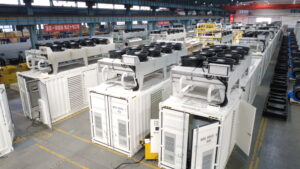
Authorized distributors sell modular backup power systems from big brands. They give you products with real warranties and support. You can count on them for fast shipping and local help.
- Warranty covers problems for 18 months after shipping or 12 months after starting use.
- You can get service from ASEA Power Systems or other approved helpers if you show proof you bought it.
- The warranty does not cover damage from using it wrong, changing it without permission, or not taking care of it.
- Warranties only work if you buy from authorized distributors.
Pros:
- You get a real warranty and service.
- You can get products quickly from local places.
- You get help with setting up and fixing things.
Cons:
- You may only find certain brands.
- You cannot change things as much as with manufacturers.
- Prices might be higher because of extra costs.
Solution Providers
Solution providers help you plan, put in, and run modular backup power systems. They give extra services like fixing things, digital checks, and teaching your team. You can work with them to make your system fit your data center.
| Service Type | Description |
|---|---|
| Comprehensive maintenance solutions | Ongoing support to ensure system reliability. |
| Tailored digital services | Customized digital solutions for specific needs. |
| Expert training programs | Training for staff to effectively manage systems. |
| Global support network | Access to support from experts worldwide. |
- Save energy.
- Make sure your system is safe and works by itself.
- Watch and report on your system smartly.
Modular designs let you pick and mix parts. You can make your data center better by choosing new things before you buy. Ready-made units make setup faster and easier.
Pros:
- You get a system made just for you.
- You get help and training all the time.
- You can add or change parts easily.
Cons:
- It can cost more for special services.
- You need the provider to help with fixing and upgrades.
- Some providers may not help everywhere in the world.
Online B2B Platforms
Online B2B platforms let you find many suppliers of modular backup power systems. You can look at different products, prices, and reviews. These websites make it easy to ask for prices and find good deals.
Pros:
- You can see lots of products and sellers.
- You can compare prices and features fast.
- You can read what other buyers think.
Cons:
- Quality and trust can be different with each seller.
- Support and warranty may not always be the same.
- You may need to check if products are certified.
Note: Always check if the seller is trusted and if the products are certified before you buy on B2B platforms.
The best way to get modular backup power systems depends on what your data center needs. Manufacturers let you change things the most. Distributors give you real support. Solution providers offer special services. B2B platforms give you lots of choices and are easy to use. You can use these ways to find the best modular backup power systems for your building.
Types of Modular Backup Power Solutions
Modular UPS Systems
Modular UPS systems protect your data center from losing power. You can add more power as your needs grow. These systems are very efficient, usually over 96%. This saves energy and money. You can check power, load, and battery health in real time. Lithium-ion batteries last longer and work better. Flexible designs help these systems fit into your building easily.
| Feature | Description |
|---|---|
| Efficiency | Over 96%, saves energy and money |
| Scalability | Easy to add more power |
| Advanced Management | Real-time checks on power and battery |
| Battery Technology | Lithium-ion batteries last longer and work better |
| Flexible Architecture | Fits many data center layouts |
You can change modules while the system is running. This keeps your data center safe and avoids downtime.
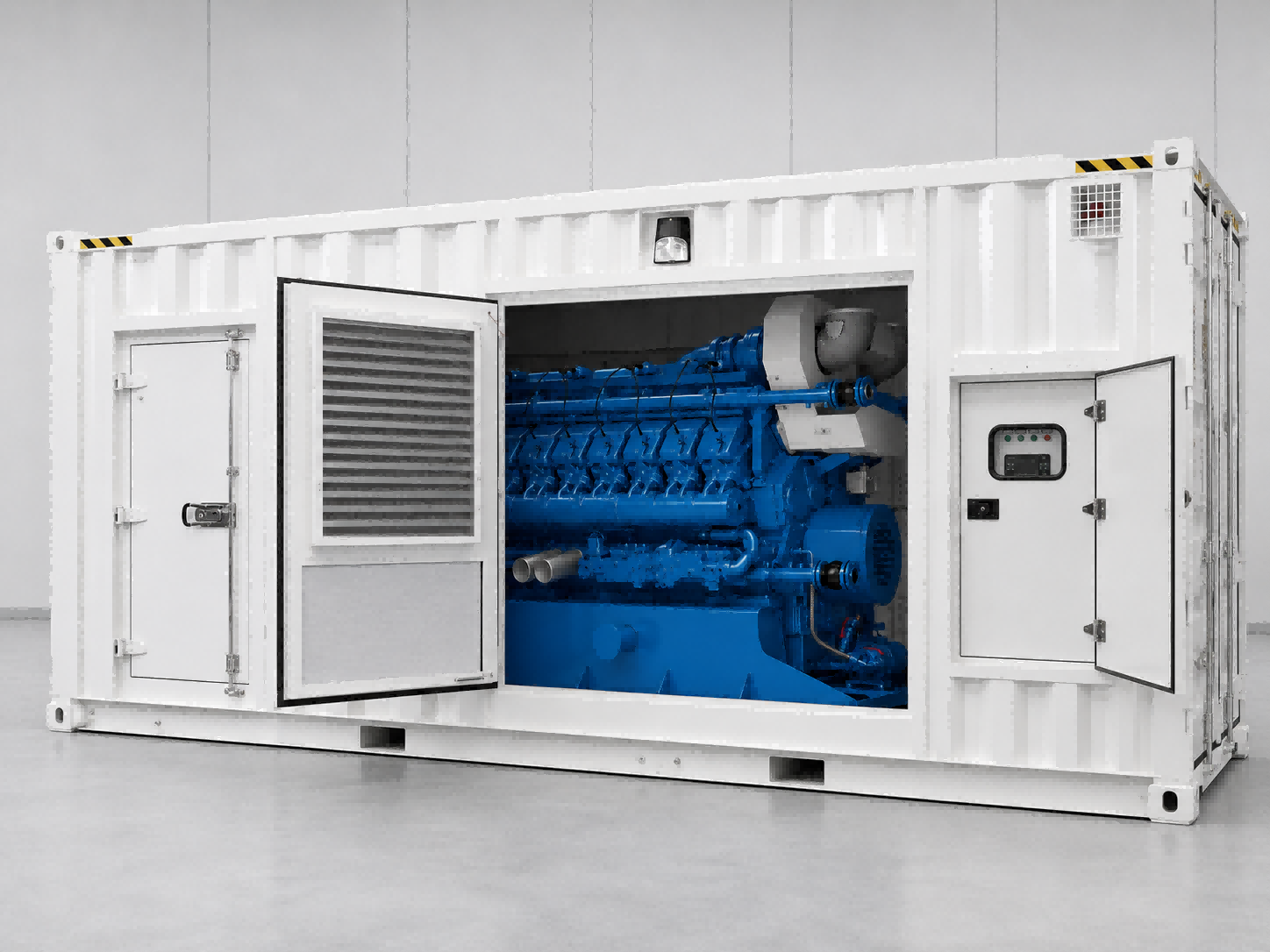
Generator Sets (Diesel, Gas, Hybrid)
Generator sets give backup power when the main supply stops. Diesel generators are good for heavy loads and long use. Natural gas generators make less pollution and help keep air clean. Hybrid generators use batteries with diesel or gas. This makes the system more reliable and efficient. Hybrid systems handle sudden changes in power needs.
| Fuel Type | Operational Efficiency | Environmental Impact |
|---|---|---|
| Diesel | Works well for big loads and long use | Needs emission controls |
| Natural Gas | Makes less pollution | More eco-friendly |
- Diesel generators handle big loads quickly.
- Natural gas generators make less pollution.
- Hybrid systems use batteries to smooth power changes.
Battery Energy Storage
Battery energy storage keeps your data center running during outages. Lithium-ion batteries give high energy, last long, and need little care. Lead-acid batteries cost less but need more attention and do not last as long. Most battery systems last 25 to 30 years. You should check them often, clean them, and test voltage and capacity.
- Lithium-ion batteries work well and need less care.
- Lead-acid batteries cost less but need more maintenance.
| Aspect | Details |
|---|---|
| Average Lifespan | 25 to 30 years |
| Energy Augmentation | About 10 years |
| Maintenance | Inspections, cleaning, testing |
Integrated Microgrid Solutions
Integrated microgrid solutions keep your data center online if the main grid fails. Microgrids use on-site generation and energy storage to keep power flowing. You get reliability beyond the main grid. Microgrids let you run your data center during storms or outages. You can manage costs better with renewables and real-time pricing.
- Microgrids give you energy independence.
- You keep your data center running when others cannot.
- You control costs and improve your investment.
Many companies now use renewable and hybrid modular backup power systems. More lithium-ion batteries and hybrid generators are being used. Sustainability goals and new technology drive this change. Regulations also support using solar and wind in backup solutions.
Leading Suppliers and Brands
You should know which suppliers and brands are the best. This helps you pick the right partner for your data center.
Global Manufacturers
Global manufacturers are known for quality and new ideas. Their products are used in big data centers everywhere. These companies spend money on new technology and give strong support.
| Manufacturer | Market Share (%) |
|---|---|
| Eaton | 20.2 |
| Schneider Electric | 17.6 |
| Vertiv | 14.4 |
| Huawei | 10.2 |
| ABB | 7.5 |
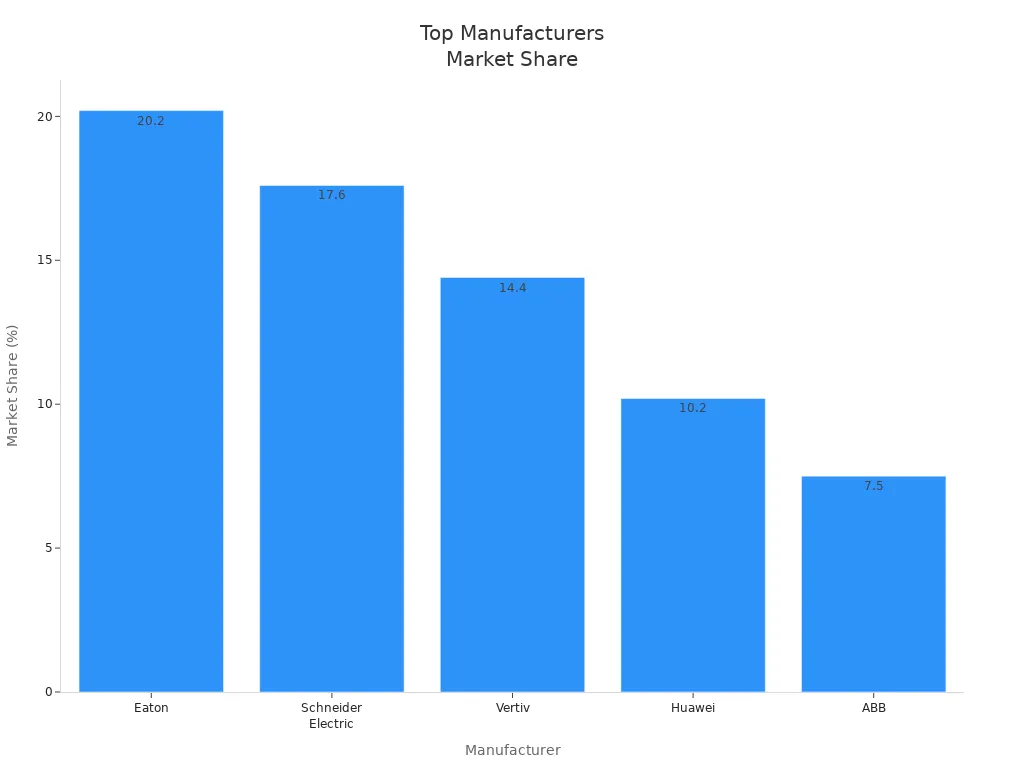
Eaton has the biggest share. Schneider Electric and Vertiv are close behind. These brands give you reliable systems and cool features. You get good warranties and help from all over the world.
Regional and Local Vendors
Regional and local vendors focus on what you need. They know local rules and give fast service. You get help from people who know your area.
| Strategy | Description |
|---|---|
| Customer Proximity | Vendors stay near you and learn what you need. |
| Compliance Capabilities | They follow local laws and standards. |
| Service Responsiveness | You get quick answers and help. |
| Local Connectivity Partnerships | Vendors work with local telecom companies. |
| Technology Integration | They use advanced cooling and rack systems for your workloads. |
| Competitive Differentiation | Vendors change to fit your market and needs. |
You can count on regional vendors to help fast. They make sure you follow local rules and connect with other services. You get solutions that fit your data center.
Notable Brands (Aggreko, Generac, EnerSys, Schneider Electric, Mitsubishi)
Many brands offer special products and new ideas. These brands focus on saving energy, quick setup, and reliability.
| Brand | Key Offerings and Innovations |
|---|---|
| Aggreko | Temporary power solutions, energy efficiency innovations. |
| Generac | Uninterruptible Power Supply (UPS) systems, backup power solutions. |
| EnerSys | Energy storage systems, advanced battery technologies. |
| Schneider Electric | Intelligent power management systems, energy-efficient infrastructure solutions. |
| Mitsubishi | Modular and prefabricated electrical systems for data centers, enhancing deployment speed and energy efficiency. |
- Aggreko gives temporary power and saves energy.
- Generac offers UPS systems and backup solutions.
- EnerSys is good at battery technology and energy storage.
- Schneider Electric has smart power management and efficient infrastructure.
- Mitsubishi makes setup faster with modular systems.
You see more hyperscale and colocation data centers growing fast. Investments in AI-ready and cloud infrastructure keep going up. There is more need for quick building and energy-saving operations. Edge computing and digital changes bring new solutions.
Brands use fuel-saving and automatic refueling. Diesel systems have advanced controls and monitoring for steady power. Many systems check themselves and use materials that fight rust to lower maintenance.
- AI and machine learning in UPS systems give real-time analytics and predictive maintenance.
- Eco-friendly solutions, like Schneider Electric’s APC Smart-UPS Modular Ultra, help save energy.
- Companies want sustainable models and use AI to make systems more reliable.
Spotlight: SWT as a Trusted Provider
SWT is a trusted provider for data centers. You get modular backup power systems that fit your needs. SWT gives scalable solutions and strong support. You can trust their experts for planning, installation, and maintenance.
SWT helps you reach your uptime goals. You get flexible systems and fast service. Their team helps you from design to operation.
You can pick SWT for reliable power, easy upgrades, and expert help. SWT works with global and local partners to give the best solutions.
Choosing the Right Supplier
When you pick a supplier for modular backup power systems, you need to think about some important things. The right partner helps your data center stay safe and working.
Reliability and Quality
You want a supplier who gives you good and reliable products. Here are some things to check:
- Know how much power you need and how much backup you want.
- Look at the UPS systems they sell.
- Ask how well their batteries work and how they take care of them.
- Make sure they give you a good warranty and help when you need it.
- Think about how their products help the environment.
- See if the price is good for your budget.
A good supplier helps you stop downtime and keeps your data safe.
Scalability and Flexibility
Your data center might get bigger or change later. You need a supplier who can keep up with you. The table below shows why scalability and flexibility are important:
| Benefit | Description |
|---|---|
| Faster Deployment | You can start your system in a few months. |
| Pay-As-You-Grow Model | You add more parts as you need them, so you only pay for what you use. |
| Scalability | You can make your system bigger without big changes. |
| Speed to Market | You can add more power fast and stay ahead. |
| Reliability | Factory tests mean you have fewer problems. |
| Sustainability | Using energy well helps the planet. |
| Mobility | You can move some parts if your needs change. |
Support and Service
Good support and service are very important. Suppliers often give you:
| Type of Service Agreement | Description |
|---|---|
| Testing | Checks to see if your system works right. |
| Planning & Project Management | Help with planning and running your power projects. |
| Training | Lessons for your team to use the system safely. |
| Product Lifecycle Management | Help from setup to the end of the product’s life. |
Tip: Pick a supplier who gives you strong support after you buy. This helps your system work well all the time.
Compliance and Certifications
You must follow rules to keep your data center safe. Look for suppliers with these certifications:
- UL 1778 for UPS safety and reliability
- ISO 9001 for quality management
- TS16949 for quality in making and service
- ISO 27001 for information security
- SSAE and SOC 1/2 Type II for controls and privacy
- HIPAA for health data protection
These certifications show the supplier follows the rules.
Cost and Financing
You need to think about how you will pay for your backup power system. Suppliers may offer:
| Financing Option | Description | Terms/Conditions |
|---|---|---|
| Equipment Loans | Loans to buy equipment, using the system as a promise to pay. | 24–84 months; 6–22% interest, based on credit. |
| Equipment Leasing | Rent the system, and you can buy or return it later. | Lower payments; flexible choices at the end. |
| Business Lines of Credit | Credit to buy more as you grow. | Rates can change; you need good business credit. |
| SBA 7(a) Loans | Government loans for big buys. | Up to 10 years; hard to get. |
| Working Capital Loans | Fast loans for small buys, no need for a promise to pay. | Quick approval; based on money and credit. |
You should look at these choices to see what fits your budget best.
You can get modular backup power systems in many ways. You might buy from manufacturers, distributors, solution providers, or online platforms. Each choice gives you different backup power types. These include UPS systems, generators, batteries, or microgrids.
- Make sure the system is reliable and can grow.
- Ask for help and prices from suppliers.
Experts can help you with your data center needs.
FAQ
What is a modular backup power system?
A modular backup power system has different units that work together. You can add or take away parts as your data center gets bigger. This setup lets you change things easily and upgrade when needed.
How do you choose the right backup power solution?
Think about how much power you need, how much space you have, and your budget. Make sure the system can get bigger if your data center grows. Ask about support, warranty, and if it has the right certifications.
Can you mix different brands in one system?
Sometimes you can use different brands together, but it is better if all parts are from one supplier. This helps you avoid problems and makes getting help easier.
How often should you maintain your backup power system?
Check your system every month. Clean the batteries and test the voltage often. Plan a full check at least once a year to keep it working well.
Are modular backup power systems eco-friendly?
Many modular systems save energy and can use renewable energy. Look for systems with lithium-ion batteries or hybrid generators. These choices help you make less pollution.