Yes. Modular power plants add capacity in increments that track expansion pace, so operators avoid committing to one large central build before demand justifies it. That answer rests on four practical grounds. Performance comes from standardized units sized to each phase and backed by redundancy. Application fit favors remote wellsites where portability and variable load matter. Compliance paths simplify when smaller prefabricated units move through permitting in sequence. Cost improves because capital follows demand rather than preceding it. Each pillar deserves a closer look, and the evidence supports the same conclusion: capacity can grow in step with production, not ahead of it.
How Modular Power Plants Perform
Capacity in Expansion Increments
Operators rarely know the final size of a field on day one. Production forecasts shift as drilling results arrive, and a single large central plant locks in a capacity decision years before the data justify it. Modular power plants solve this timing problem. Each unit arrives as a self-contained block, and the operator adds blocks as each expansion phase clears. A first phase might need a few megawatts for pumping and camp loads. A later phase adds another block when new wells come online. The plant grows in steps that mirror the production curve.
Unit size and fuel choice determine where each option fits. Modular natural gas power plants suit fields with pipeline access or associated gas available for capture, and they scale in blocks that match typical wellsite and facility loads. Small modular reactors and microreactors fit a different profile: large long-term load, limited fuel logistics, and a site that can support the licensing timeline. Neither option wins universally. A gas-fired block fits a field that needs power next quarter. A microreactor fits a field planning decades of steady demand. The right match depends on load size, fuel access, and schedule, not on a single preferred technology.
Reliability Through Redundancy
A central plant carries a single point of failure. One turbine trip can halt the entire field. A modular design distributes that risk across multiple standardized units. Each unit runs independently, and the loss of one unit removes only its share of capacity. The remaining units carry the load, and production continues at reduced or full rate depending on the reserve margin built into the design.
Standardization strengthens this advantage. Identical units share spare parts, maintenance procedures, and training. A crew that services one unit services them all. Operators can also hold one unit in standby as a rotating reserve, then swap it into service during maintenance on another. This pattern keeps available capacity stable across the year. Redundancy here is not a luxury feature. It is a structural property of building small and repeating, and it protects revenue during the outages that any generation fleet will eventually face.
Fit for Oilfield Conditions
Remote Sites, Fast Deployment
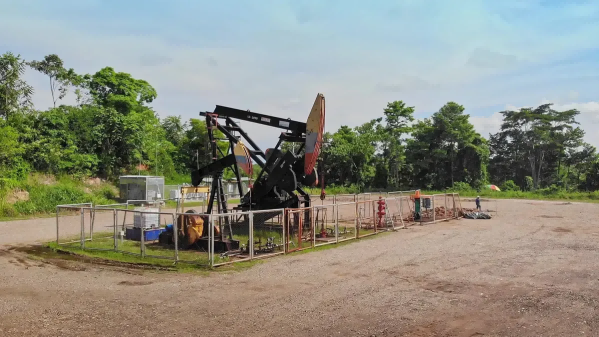
Oilfield expansion often pushes into locations far from the transmission grid. A wellsite may sit hours from the nearest substation, and a grid connection can take years to build. Trailer-based, modular power-generation plants address this gap directly. Each trailer carries a complete power block, and the operator selects block sizes to match the power needs of each wellsite. A small block serves a single pad. A larger block serves a central processing facility. Portability matters here. The same trailer that powers a drilling program can move to a new location when that program ends. Available fuel source also shapes the choice. A field with associated gas can run gas-fired blocks. A field without gas access can run diesel blocks until infrastructure arrives.
Independent microgrids offer another fit for remote fields. These systems turn natural gas into local power at the point of use. The field captures gas that would otherwise be flared or stranded, and the microgrid converts it into electricity for pumps, camp loads, and instrumentation. The field gains a self-contained power supply, and the operator avoids a long wait for grid extension. This approach suits fields with steady gas production and no nearby pipeline.
SWT diesel and gas generator sets illustrate the product side of this fit. The range spans 8.3 to 3781 kVA, and the units serve standby, prime, and continuous oilfield duty. Containerized and silent options suit sites with space limits or noise limits. Every unit undergoes factory testing before shipment, so the operator receives a verified power block rather than a field-assembly project. These sets slot into the same phased model that modular power plants follow: add capacity when the field needs it, and place it where the load sits.
Variable Load as Production Grows
Oilfield load rarely stays flat. Production rises as new wells come online, and it falls as wells decline or workovers pause output. A central plant sized for peak demand runs inefficiently during low-load periods. A modular fleet handles this curve with more precision. The operator brings units online as load grows and takes them offline as load falls. Each unit runs near its efficient band, and fuel consumption tracks actual demand rather than a fixed capacity figure.
This flexibility also supports staged field development. An operator can power an early production phase with a small block, then add blocks as the field proves out. If a phase underperforms, the operator redeploys the block to another site instead of writing off a large central asset. The fleet becomes a movable resource, and capital stays productive across the portfolio.

Permitting Modular Power Plants
Permitting Smaller Units
A single large build concentrates every permit decision into one review. Air quality, land use, water access, and grid interconnection all move through the process together, and a delay in any one of them stalls the whole project. Smaller, prefabricated units break that bundle apart. Each unit carries a narrower footprint and a smaller emissions profile, so regulators evaluate a defined package rather than an open-ended plant design.
This structure lets an operator sequence approvals against expansion phases. The first block moves through review while later blocks wait for demand to firm up. If a phase slips, the operator pauses that permit application without stranding capital already spent on earlier units. Prefabricated construction reinforces the advantage. Factory-built modules arrive tested and assembled, so site work shrinks and inspection focuses on installation rather than fabrication. Modular power plants therefore turn permitting into a repeatable routine instead of a single high-stakes event.
Emissions and Compliance Paths
Emissions review shapes the compliance path for any generation option. Smaller units give operators room to match technology to the applicable limit at each site. A gas-fired block with available pipeline supply meets one profile. A site facing tighter limits may evaluate other technologies entirely.
Policy signals now point toward that evaluation. New Texas policy favors nuclear and small modular reactor feasibility work for oil sands and steam-assisted gravity drainage operations. The state is studying how modular approaches could meet emissions goals for heavy oil production. This context shows regulators treating modular designs as a serious compliance pathway. It does not settle which technology wins at any given field. Operators should read such signals as direction, then confirm the actual limits and approvals that apply to their project.
Cost: Capital and Operations
Phased Capital Efficiency
Capital exposure drives the case for phased investment. A central plant demands the full spend before the first barrel moves. Modular power plants reverse that order. The operator buys one block when the first phase needs power, then adds blocks as expansion demand materializes. Cash leaves the balance sheet in step with revenue, and the operator avoids paying for capacity that sits idle for years.
This pattern also limits downside risk. If a drilling program underperforms, the operator stops at the current block count instead of carrying a stranded central asset. Redeployment adds another layer of protection. A block that no longer serves one field can move to another site and keep earning. Capital stays productive across the portfolio rather than locked to a single location.
Lifecycle Operating Economics
Lifecycle economics vary by option, and each one fits a different situation. Modular gas generator sets carry moderate upfront cost and depend on fuel price and availability. They suit fields with pipeline access or associated gas, where fuel stays cheap and maintenance follows a routine schedule. Small modular reactors carry high upfront cost and long licensing timelines, and they reward fields with decades of steady load and limited fuel logistics. Grid tie-ins carry low upfront cost where a connection exists, and they suit fields near transmission with stable tariffs.
No single option wins across every field. Operators should weigh fuel access, load duration, and schedule against each other. A short-lived program favors a movable gas block. A long-life project with tight emissions limits may justify reactor feasibility work. A field beside existing lines may simply tie in. The right answer follows the field’s own profile, and modular designs keep that choice open as conditions change.
Yes — modular power plants can support oilfield expansion. Performance comes from standardized units sized to each phase and backed by redundancy. Fit favors remote wellsites with portable blocks and variable load. Compliance simplifies when smaller prefabricated units move through permitting in sequence. Cost improves as capital follows demand instead of preceding it.
This approach fits best where expansion is phased, fields are remote, and load growth stays uncertain. A single large central plant may suit a field with confirmed long-term demand and grid access. Operators should plan power in step with expansion rather than ahead of it, adding capacity only when production justifies the next block.
FAQ
Do modular plants make sense for a small field?
Yes. A small field can start with one block sized to its current load. SWT generator sets begin at 8.3 kVA, so an operator can match a modest power need without buying excess capacity. The fleet grows only when production justifies another unit.
How does an operator choose unit size for each phase?
The operator matches block size to the load of each expansion phase. Trailer-based plants let crews select different power block sizes per wellsite. Fuel access shapes the choice as well. A field with associated gas can run gas-fired blocks, and a field without gas access can run diesel until infrastructure arrives.
What happens when one unit goes offline?
The remaining units carry the load. Standardized units share spare parts and maintenance procedures, so a crew can service any unit in the fleet. An operator may also hold one unit as a rotating reserve and swap it into service during maintenance on another.
Does smaller equipment really speed up permitting?
Smaller, prefabricated units carry a narrower footprint and a smaller emissions profile. Regulators therefore evaluate a defined package rather than an open-ended plant design. An operator can sequence approvals against expansion phases, and a delay in one phase does not stall the whole project.
How should an operator weigh gas generator sets against reactors?
Fuel access, load duration, and schedule decide the match. Gas generator sets suit fields that need power soon and have pipeline or associated gas available. Small modular reactors and microreactors reward fields with decades of steady load and limited fuel logistics. No single option wins everywhere.