Stable power keeps data centers running efficiently. When power fails, the risks are high. Power failures have caused 36% of major global public service outages since 2016, and by 2025, power remains the top reason for impactful incidents at 45%. Data centers must reduce power interruptions to avoid costly setbacks.
| Consequence | Description |
|---|---|
| Lost Revenue | Power outages can lead to significant revenue loss as customers are unable to access services. |
| Data Loss | Unexpected shutdowns can result in the loss or corruption of critical data, affecting operations. |
| Increased Operational Costs | Maintaining backup systems and generators can increase overall operational expenses for businesses. |
To keep operations safe, managers should regularly assess their power protection strategies.
Causes of Power Interruptions
Understanding the main causes of power interruptions helps data center managers take effective steps to reduce power interruption risk. Several factors can disrupt the flow of electricity and threaten data center operations.
Utility Failures
Utility failures happen when the main power supply from the grid is lost. While utility outages are not always the leading cause, they still play a significant role in data center downtime. Power failures account for 45% to 54% of all impactful outages. Utility outages or backup generator issues can halt operations instantly. Over 55% of operators have experienced a data center outage in the last three years.
Tip: Regularly review utility reliability and have backup systems ready to respond quickly.
Equipment Faults
Equipment faults are a major source of power interruptions. Electrical problems are responsible for 52% of outages in data centers. Failures in electrical equipment, such as UPS (Uninterruptible Power Supply) units, PDUs (Power Distribution Units), and generators, can lead to significant disruptions. Cooling system failures also contribute to equipment-related interruptions.
| Cause of Power Interruptions | Percentage Impact |
|---|---|
| Power failures | 45% – 54% |
| Combined power and cooling failures | Nearly 71% |
| UPS failure (specific) | 40% |
| UPS battery failure (specific) | 29% |
Human Error
Human error remains a common cause of outages. Incident reports show that nearly 40% of major outages in data centers over the last three years were due to mistakes made by staff. Not following procedures accounts for 58% of these incidents. Training and clear protocols are essential to reduce mistakes and keep systems running smoothly.
Environmental & Cyber Threats
Environmental threats include natural disasters such as hurricanes, floods, and earthquakes. Climate change is expected to increase the frequency and severity of these events, making site selection and disaster planning more important. Cyber threats are also rising. Attacks can override safety protocols and cause catastrophic failures. Increased automation and connectivity in data centers create new vulnerabilities that adversaries can exploit.
Note: Both environmental and cyber threats require ongoing attention and planning to reduce power interruption risks.
Solutions to Reduce Power Interruption
Data centers rely on multiple strategies to reduce power interruption and maintain continuous operations. The following solutions represent industry best practices for ensuring reliable power delivery.
Backup Generators
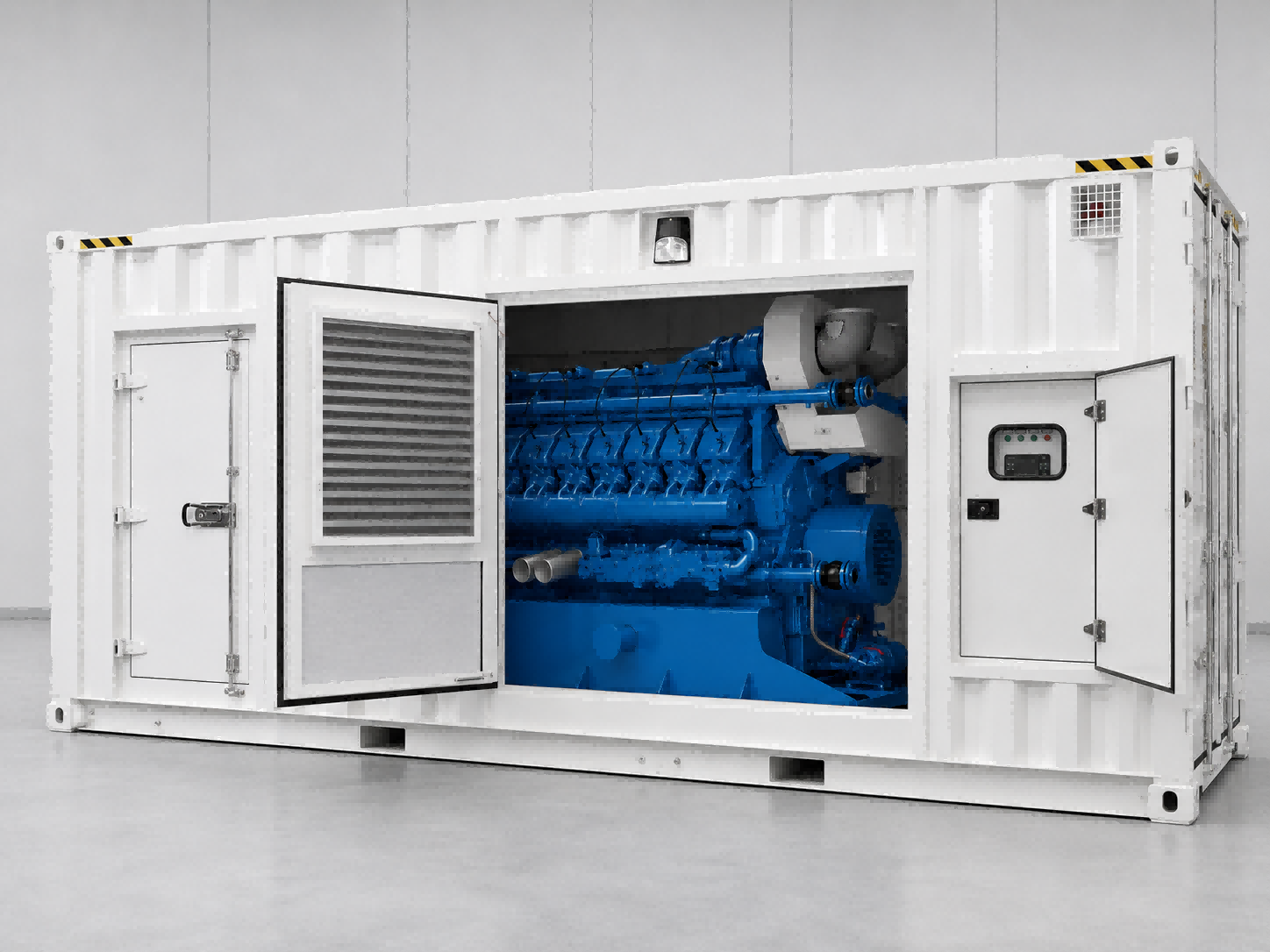
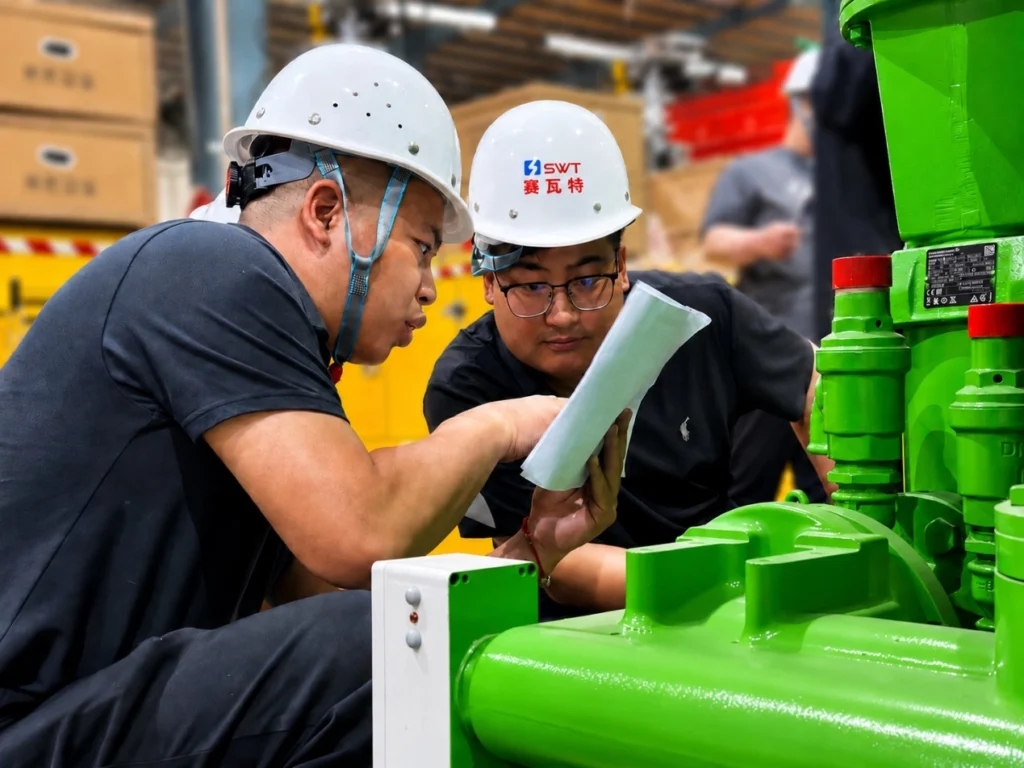
Backup generators serve as the backbone of power continuity in data centers. Diesel generators, such as the SWT Perkins Series (108)kW (135)kVA Diesel Generator Set, deliver robust performance and rapid response during outages. This generator features a high-performance Perkins turbocharged engine, advanced control systems, and customizable options like Automatic Transfer Switches (ATS) and synchronizing panels. Data centers use these generators not only as backup systems but as integral parts of their power strategy. They provide high reliability, energy efficiency, and quick start times, which are essential for mission-critical operations. As power demands increase due to technologies like artificial intelligence, backup generators help reduce power interruption risk and ensure that essential services remain available.
Backup generators are essential for maintaining operations during a power outage. Facilities often deploy redundant power systems that include backup generators to guarantee stable power for critical IT infrastructure.
Microgrids
Microgrids offer onsite generation and advanced power management, supporting energy-intensive cooling needs and reducing transmission losses. They can operate independently during grid disturbances, providing continuous power and enhancing resilience. Microgrids also allow for combined heat and power (CHP), which improves efficiency and cost-effectiveness. Many data centers find microgrids attractive because they can deliver power at rates 5-20% lower than traditional utilities and provide predictable energy costs. On-site generation can be deployed quickly, enabling faster facility activation and reducing reliance on external transmission infrastructure.
| Advantage | Description |
|---|---|
| Onsite Generation | Supports cooling needs and reduces transmission losses. |
| Combined Heat and Power | Provides both electricity and usable heat, enhancing efficiency. |
| Cost-Effectiveness | Offers power at rates 5-20% cheaper than traditional utilities. |
| Power Resilience | Operates independently during grid disturbances, ensuring continuous power. |
| Accelerated Deployment | On-site generation can be operational in months. |
| Predictable Energy Costs | Provides budget certainty against variable utility charges. |
| Renewable Integration | Easily incorporates renewable technologies. |
| Grid Independence | Reduces reliance on transmission infrastructure. |
| Limitation | Description |
|---|---|
| Capital Requirements | Significant upfront investment is needed for equipment and infrastructure. |
| Operational Expertise | Requires specialized capabilities. |
| Regulatory Navigation | Must comply with utility regulations and permits. |
| Fuel Supply Logistics | Needs reliable supply chains for fuel delivery. |
| Technology Selection | Rapidly evolving technologies present risks and opportunities. |
Microgrids help reduce power interruption by providing enhanced power resilience and flexibility, but operators must consider capital and operational requirements.
Power Redundancy
Power redundancy eliminates single points of failure and increases uptime. Data centers implement redundancy levels such as ‘N+1’ or ‘2N’, ensuring that backup systems can take over if primary systems fail. This approach includes dual power feeds to servers, redundant power supplies, and network paths. Key performance indicators for reliability include production uptime, mean time between failures (MTBF), and machine downtime rate. Predictive maintenance and condition-based monitoring further support high availability.
- Power redundancy enhances uptime and reliability.
- It ensures that if one component fails, another can maintain service continuity.
- Facilities measure effectiveness through uptime, MTBF, and downtime rates.
Redundant power systems are crucial to reduce power interruption and maintain service availability.
Protective Devices
Protective devices play a vital role in preventing power interruptions. Data centers invest in devices such as surge protectors, circuit breakers, and uninterruptible power supplies (UPS). These devices shield sensitive equipment from voltage spikes, electrical faults, and sudden outages. Combining onsite generation with battery storage and microgrids provides instantaneous support during power interruptions.
| Device Type | Function |
|---|---|
| Surge Protector | Shields equipment from voltage spikes. |
| Circuit Breaker | Prevents overloads and electrical faults. |
| Uninterruptible Power Supply (UPS) | Maintains power during brief outages and transitions. |
| Battery Storage | Provides instant backup during interruptions. |
| Microgrid Integration | Offers seamless support and resilience. |
Protective devices, when combined with redundancy and onsite generation, significantly reduce power interruption risk.
Automatic Transfer Switches
Automatic Transfer Switches (ATS) ensure seamless transitions between power sources. Most backup generation systems include ATS, enabling them to start within seconds and supply power during an outage.
“Most backup generation systems are equipped with automatic transfer switches, enabling them to start within seconds and seamlessly supply power during an outage.”
ATS minimizes downtime by switching power sources almost instantly. It maintains power continuity, which is vital for real-time data processing. The fast response prevents operational disruptions and protects sensitive equipment from data loss. ATS automates the transfer process, allowing staff to focus on other tasks.
- ATS minimizes downtime by switching power sources almost instantly.
- It maintains power continuity for critical infrastructure.
- The fast response prevents operational disruptions.
- ATS protects sensitive equipment from data loss.
- It automates the transfer process.
Automatic Transfer Switches are essential for data centers seeking to reduce power interruption and maintain stable operations.
Maintenance & Monitoring
Preventive Maintenance
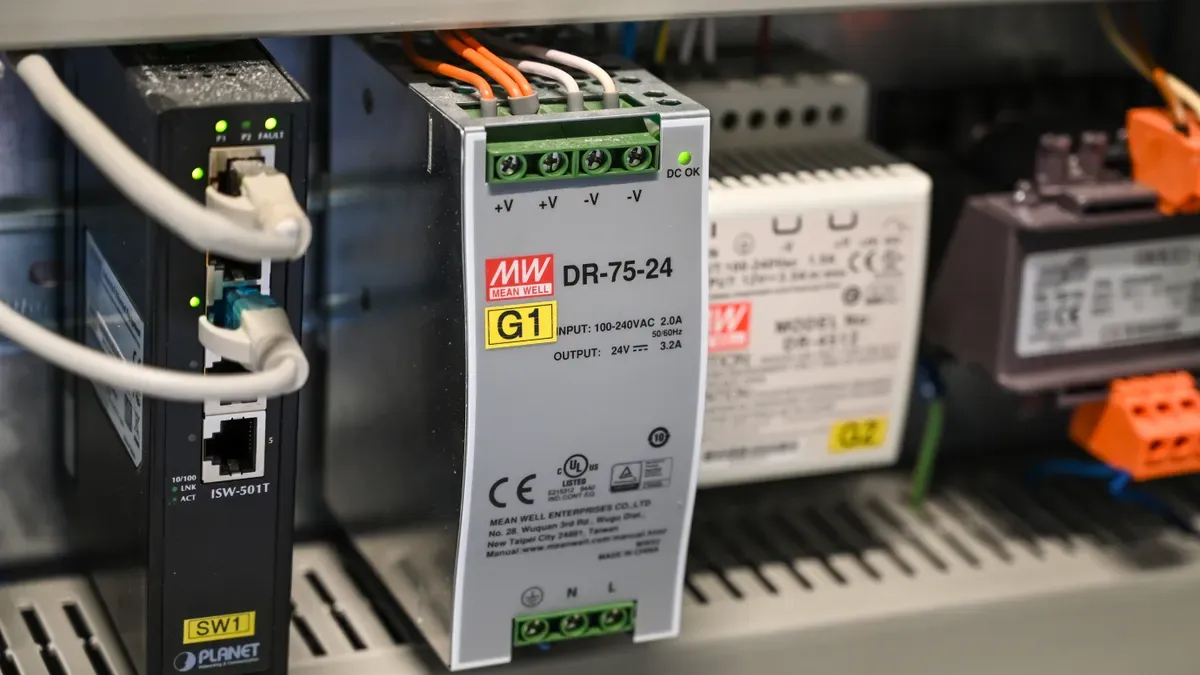
Preventive maintenance is a cornerstone of reliable data center operations. Routine inspections help identify electrical issues before they become serious. Scheduled checks of generators, batteries, and power systems ensure that every component works as expected. Load testing verifies that systems can handle the demands of daily operations. Battery maintenance, including regular testing and replacement, guarantees backup power during outages.
Regular preventive maintenance minimizes the risk of unexpected failures and keeps backup systems ready for emergencies.
Key steps for preventive maintenance:
- Conduct routine inspections of electrical systems.
- Perform load testing to confirm operational capacity.
- Test and replace batteries to maintain reliability.
Real-Time Monitoring
Real-time monitoring provides continuous oversight of power systems. Advanced monitoring tools track voltage, current, and other electrical parameters. Operators can spot voltage imbalances or overloads early, allowing quick intervention. Real-time monitoring also helps identify inefficiencies and potential failures, especially for companies with limited resources. By tracking power usage and system performance, data centers can prevent interruptions and maintain operational efficiency.
Real-time monitoring enables early detection of problems, reducing downtime and protecting critical infrastructure.
Testing Generators & Batteries
Testing generators and batteries is essential for backup power reliability. Regular inspections assess fuel systems, cooling systems, and battery health. Load bank testing simulates real-world conditions, verifying that generators can handle varying loads. Functional testing protocols confirm that all components perform as required. Routine maintenance and repair checks help catch problems early and keep systems ready for emergencies.
- Regular testing ensures UPS systems and generators work together seamlessly.
- Maintenance and repair verification keeps components in good condition.
- Load-bank testing checks performance under controlled conditions.
Data centers that follow these best practices can reduce power interruption risk and maintain stable operations.
Continuity Planning
Business Continuity Plan
A business continuity plan is essential for data centers. It prepares organizations to handle unexpected power interruptions and maintain critical operations. The plan should address off-grid backup power systems, seamless transfer mechanisms, and energy resource flexibility. These strategies help data centers operate independently from the utility grid and protect sensitive equipment during transitions. Redundancy and thorough risk assessments further strengthen resilience.
| Strategy | Description |
|---|---|
| Off-grid backup power systems | Maintain operations without relying on the utility grid. |
| Blip-less transfer mechanisms | Enable seamless transitions between power sources. |
| Energy resource flexibility | Use a diverse energy mix to handle supply chain disruptions. |
| Redundancy | Ensure backup systems are available if one fails. |
| Thorough risk assessments | Identify and prepare for potential risks. |
Key components of an effective plan include:
- Risk assessment for natural disasters and cyber threats.
- Redundant systems and infrastructure.
- Data backup and recovery strategies.
- Disaster recovery planning.
- Regular testing and updates.
A structured approach helps reduce power interruption and ensures business continuity.
Testing & Drills
Testing and drills are vital for data center resilience. Regular exercises evaluate backup power and network systems, confirming readiness for unexpected disruptions. Simulating failure conditions allows staff to practice response procedures. These activities reveal weaknesses and improve incident management. Facilities should schedule drills at consistent intervals to keep teams prepared.
Staff Training
Staff training ensures everyone knows how to respond during a power interruption. Effective methods include regular simulations and clear operational procedures. Training reduces human error and builds confidence in emergency situations.
| Training Method | Description |
|---|---|
| Regular Testing and Training | Simulations help staff prepare for emergencies and identify weaknesses. |
| Understanding Operational Procedures | Staff learn procedures to minimize errors during outages. |
A well-trained team is crucial for maintaining uptime and protecting data center assets.
Continuous Improvement
Risk Assessment
Continuous improvement starts with regular risk assessment. Data centers face new challenges every year. Operators must identify and address these risks to maintain reliable power. The North American Electric Reliability Corporation (NERC) has created a multi-step plan to assess grid risks for data centers. This plan focuses on large load interconnection requests. The first step analyzes the characteristics and risks of new, large loads. The next step identifies gaps in current practices and standards. Risks are divided into three tiers: High, Medium, and Low. Each tier covers areas like long-term planning, operational balancing, and resilience.
Many data centers now use continuous, adaptive stress testing instead of annual reviews. This method helps teams find new threats quickly. It also improves the ability to respond to unexpected events. By integrating operating and IT security teams, data centers can build stronger defenses against both physical and cyber threats. Regular updates to risk assessments ensure that no new threat goes unnoticed.
Tip: Use a tiered risk approach and update assessments often to stay ahead of emerging challenges.
Infrastructure Upgrades
Upgrading infrastructure is essential for long-term reliability. Modern data centers invest in advanced generators, microgrids, and protective devices. These upgrades help reduce power interruption and improve overall performance. New technologies, such as smart sensors and automated controls, allow for better monitoring and faster response times. Upgrades also include replacing aging equipment and adding redundancy to critical systems.
Operators should review their infrastructure regularly. They should look for weak points and plan upgrades before failures occur. This proactive approach keeps systems efficient and ready for future demands. Adapting to new threats and technologies ensures that data centers remain resilient in a changing environment.
Data centers can reduce power interruption by following essential steps. Operators should assess power needs, build equipment redundancies, and invest in advanced solutions like microgrids and backup generators. Proactive planning and regular maintenance extend equipment life and minimize outages. Key actions include:
- Implement predictive and preventive maintenance.
- Reinforce structures against environmental threats.
- Utilize dynamic fault-recording devices for monitoring.
Take action now to improve your power protection strategies and ensure continuous uptime.