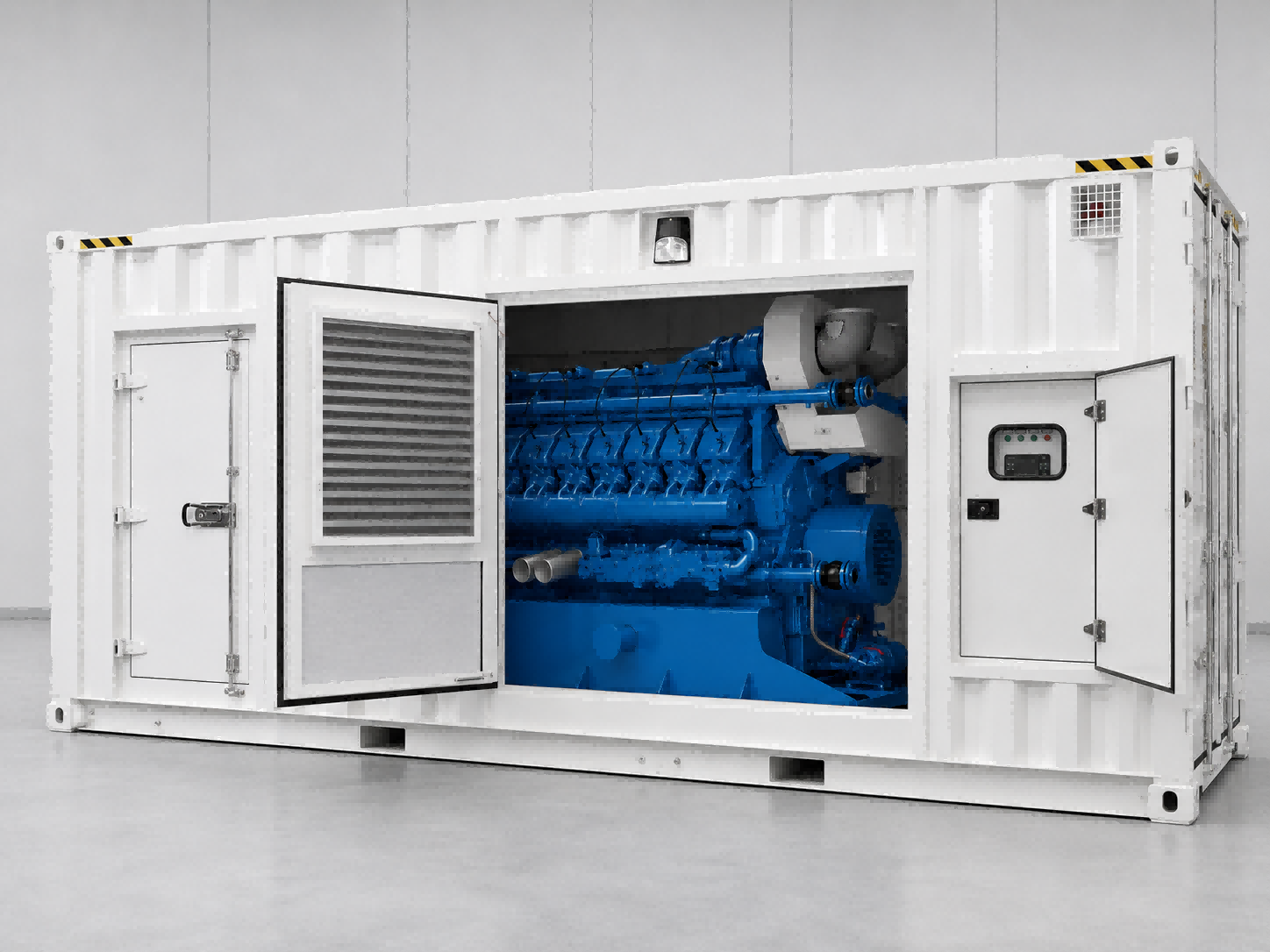
In 2026, a Battery Energy Storage System (BESS) paired with clean-fuel architectures serves as the ultimate backup generator solution for cloud computing sites. Unprecedented power demands from artificial intelligence workloads, aggressive zero-carbon mandates, millisecond switchover requirements, and grid-interactive capabilities now drive modern facility power design.
Data infrastructure operators must carefully evaluate hybrid configurations, hydrotreated vegetable oil engines, natural gas generators, and critical resilience metrics to ensure continuous uptime.
Top Backup Generator Solution: Hybrid Energy Storage
Modern data center operators combine advanced power electronics with battery storage to achieve seamless energy reliability. Integrating clean power generation with a Battery Energy Storage System (BESS) provides an agile backup generator solution for hyperscale cloud infrastructure. This hybrid architecture delivers instant, millisecond-level switchover during main grid disturbances.
Solid Oxide and PEM Fuel Cells for Zero-Emission Power
Clean fuel cells offer a direct pathway toward zero-carbon operations. Proton Exchange Membrane (PEM) fuel cells and Solid Oxide Fuel Cells (SOFC) generate continuous electricity through electrochemical reactions without burning fossil fuels. Operators install these units to achieve high baseline efficiency and meet aggressive zero-emission mandates.
| Power Source / Fuel Cell Type | Operational Efficiency Rate |
|---|---|
| Standard Diesel Generators | 30% – 35% |
| PEM and SOFC Fuel Cells | 50% – 60% (under optimal conditions) |
Solid oxide systems run continuously on hydrogen or synthetic natural gas. PEM fuel cells start rapidly to handle dynamic load shifts across data halls. Both technologies eliminate direct localized carbon emissions during power outages.
Integrating BESS for Instantaneous AI Load Response
Artificial intelligence workloads introduce massive, rapid power fluctuations into modern cloud facilities. High-density GPU clusters demand full power within milliseconds. Traditional mechanical generators need several seconds to start and stabilize, creating a dangerous power gap.
💡 Key Insight: Integrating high-C batteries provides immediate power bursts during sudden GPU load swings, maintaining steady system voltage and frequency until primary generators pick up the load.
- Bridging the Response Gap: AI clusters change power demands within milliseconds. High-C battery systems deliver instantaneous energy bursts, covering the crucial seconds before prime generators start.
- Buffering Fast Load Swings: The BESS serves as an intermediate buffer. It absorbs transient load variations and protects the primary power distribution network from severe voltage sags.
BESS units also enhance facility resilience during low voltage ride-through events. The energy storage system works alongside existing uninterruptible power supply (UPS) modules. Repeated voltage drops can cause traditional UPS systems to disconnect from the grid. A BESS charges directly from the facility load during these events. This process presents a stable baseline load to the electric grid, allowing the UPS system to reset without losing cloud server power.
The combination of BESS energy delivery and legacy infrastructure creates a clear financial advantage over traditional equipment.
| Metric / Feature | Battery Energy Storage System (BESS) | Traditional Diesel Generator | Hybrid System Benefit |
|---|---|---|---|
| Energy Cost | ~$0.10 per kWh | ~$1.00 per kWh | Drastically lowers fuel expenses |
| Efficiency & Reliability | Up to 99.9% reliability | ~95% efficiency | Combines fast response with long duration |
| Operational Cost Savings | Up to 30% reduction via peak shaving | High maintenance & fuel expenses | Saves millions annually for large data centers |
| Primary Role | Instant backup & short-term power | Multi-hour / extended outage cover | Optimal balance of sustainability & uptime |
SWT Hybrid & Energy Storage Solutions for Grid Resilience
SWT provides industry-leading Hybrid & Energy Storage Solutions engineered to support sustainable commercial and industrial power distribution. SWT bridges the gap between variable renewable energy generation and continuous power demand. The system captures clean energy from wind, hydro, and solar resources during peak production hours and stores it for critical backup needs.
+-----------------------------------------------------------------------+
|                       SWT HYBRID ARCHITECTURE                         |
|                                                                       |
|  [ Solar / Wind / Hydro ]  --->  [ SWT BESS Storage ]  ---> [ Cloud ] |
|                                          |                            |
|                                          v                            |
|                            [ EV Supercharging Station ]               |
+-----------------------------------------------------------------------+
SWT’s Hybrid & Energy Storage Solutions utilize specialized features to maintain continuous facility stability:
- Automatic Islanding: The system switches instantly to off-grid mode during main grid failures, sustaining mission-critical server racks via stored clean energy.
- Optimized Load Dispatch: Smart control software prioritizes essential server compute loads while managing secondary power assets efficiently.
- Fossil Fuel Minimization: Stored renewable energy drastically cuts diesel generator operating hours, directly reducing site carbon footprints.
| Integrated Technologies | Primary Mechanism | Quantifiable Carbon Impact |
|---|---|---|
| Solar PV, Wind, Battery Storage, Hydrogen, Thermal Energy Storage | Replaces backup fossil fuel generation with multi-technology clean energy reserves | Achieves a 50% to 80% decrease in diesel generator reliance and associated carbon emissions |
SWT offers expanded functionality through integrated applications, such as high-efficiency solar EV Supercharging Stations. These stations utilize direct high-efficiency solar panels to supply clean power for site electric vehicles. SWT provides complete customer support from project planning to full site deployment. Their engineering team ensures cloud facilities build a reliable, future-proof backup generator solution that balances extreme uptime with environmental responsibility.
Scalable Alternatives: Diesel, HVO, and Natural Gas Systems
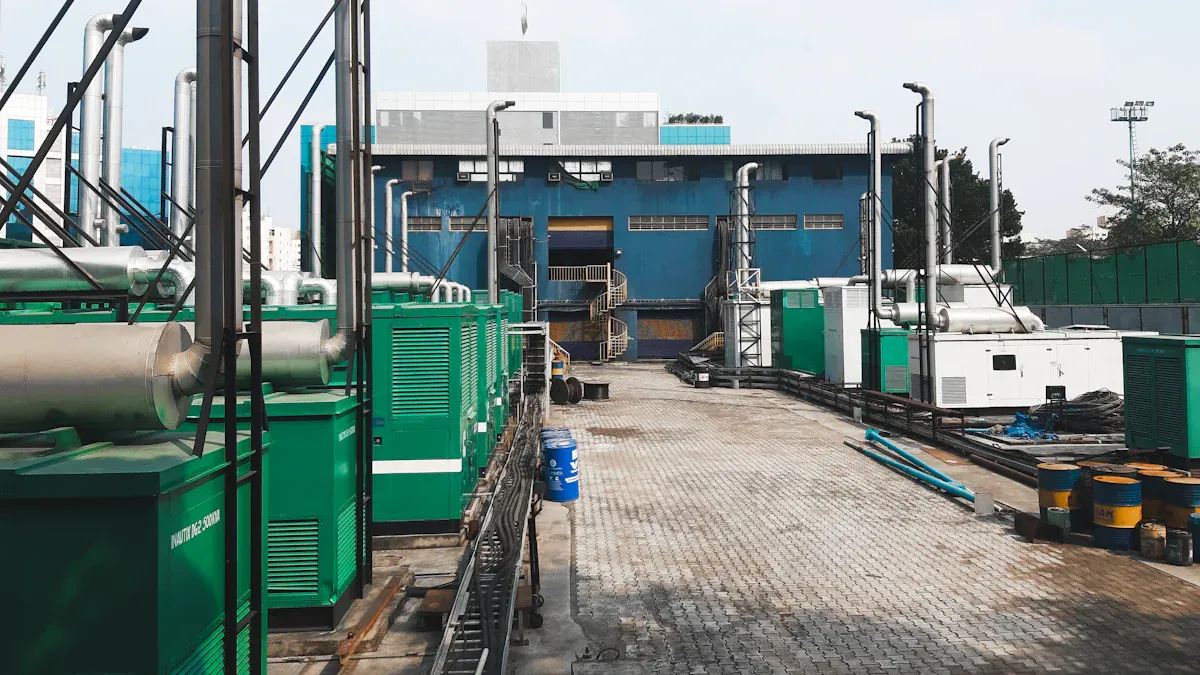
Traditional diesel systems continue to dominate the global market capacity for large data centers. Facility engineers rely on diesel engines because they offer exceptional power density, rapid ten-second startup capabilities, and proven reliability during severe weather events. These units support multi-day runtimes during prolonged utility grid blackouts, keeping mission-critical server halls online.
Hydrotreated Vegetable Oil and Tier 4 Final Diesel Generators
Data center operators seek immediate reductions in carbon output without sacrificing grid security. Hydrotreated Vegetable Oil (HVO) serves as a drop-in renewable diesel alternative. HVO utilizes waste fats and vegetable oils through a hydroprocessing method, creating a clean-burning paraffinic fuel.
💡 Sustainability Advantage: Switching from fossil diesel to HVO lowers Scope 1 greenhouse gas emissions by up to 90% without requiring mechanical modifications to existing engine blocks.
Modern facilities pair renewable fuels with Tier 4 Final diesel generator sets. These modern units incorporate Selective Catalytic Reduction (SCR) systems and Diesel Particulate Filters (DPF). Advanced exhaust aftertreatment removes harmful nitrogen oxides (NOx) and particulate matter, meeting strict regional air quality standards.
+-------------------------------------------------------------------------+
|                  CLEAN DIESEL & HVO FUEL ARCHITECTURE                   |
|                                                                         |
|  [ HVO Bulk Fuel Tank ] ---> [ Tier 4 Engine ] ---> [ SCR + DPF Filter ]|
|                                     |                                   |
|                                     v                                   |
|                         [ 10-Sec Emergency Power ]                      |
+-------------------------------------------------------------------------+
HVO fuel resists bacterial growth and thermal degradation during long storage periods. This long shelf-life makes modern diesel units a dependable backup generator solution during unexpected extended grid failures.
Natural Gas Generators for Continuous and Backup Power
Natural gas generator systems provide an effective option for facilities balancing continuous baseline energy supply with rapid standby reserves. Gas engines connect directly to municipal pipeline networks, eliminating on-site fuel delivery requirements during severe logjam events.
Manufacturers have upgraded gas engine architectures to match the rapid load pickup capabilities of traditional diesel engines. The Rolls-Royce mtu 20V4000 natural gas system demonstrates how modern engine design fulfills modern data hall requirements:
| Feature | Value / Rating |
|---|---|
| Power Density | 130 kWm per cylinder |
| Electrical Efficiency | Up to 44.4% |
| Overall Efficiency | 90% |
| Continuous Low Load Operation | Permitted down to 35% |
| Fuel Flexibility | Up to 25% hydrogen blending capability |
| Exhaust Aftertreatment | NOx emissions < 100 mg |
The specialized design of the mtu Series 4000 engine delivers high transient stability during steep power demands:
- Displacement Reserve: Features 25% larger cylinder displacement per rated horsepower compared to standard alternatives, providing increased reserve capacity.
- Certified Load Factor: Rated at an 85% average load factor over 24 hours, exceeding the standard ISO 8528 requirement of 70%.
- Transient Performance: Additional displacement minimizes engine stress and allows the generator to stabilize rapidly following load applications or rejections.
Operators utilize these engineering advancements to maintain stable power delivery across server racks. The structural specifications highlight the fast response times and high output capacities of these modern gas engines:
| Parameter | Specification / Metric |
|---|---|
| Engine Model | 20-cylinder mtu Series 4000 L64 (60 Hz market) |
| Full Output | 2.8 Megawatts |
| U.S. Market Fast-Start Capability (from 2026) | Delivers full output in 45 seconds |
| Global Fast-Start Capability (50 Hz & 60 Hz) | Available with 120-second fast-start option |
| Design Advantage | Gearbox-free design providing significant space savings |
| Time Before Overhaul (TBO) | 84,000 hours |
These technical parameters prove that modern natural gas units offer high reliability alongside lower carbon emission profiles.
Paralleling Multi-Megawatt Engines for Hyperscale Demand
Hyperscale cloud sites often require hundreds of megawatts of instantaneous backup capacity. Engineers install multiple multi-megawatt generator units in paralleled configurations to meet these vast power demands.
⚡ System Resilience: Paralleling multiple generators establishes redundant N+1 or N+2 power architectures, guaranteeing uninterrupted server operations even if a single engine fails.
Digital master controllers synchronize multiple engine generators in real time:
- Voltage and Frequency Matching: Paralleling switchgear matches the voltage, frequency, and phase angles of multiple engines before connecting them to a shared busbar.
- Dynamic Load Sharing: Digital controls distribute power demands evenly across running engines, optimizing fuel efficiency and reducing mechanical strain.
- Automated Engine Sequencing: Smart switchgear starts additional generators as data center computing loads increase, shutting down excess engines during low-demand periods.
Paralleled multi-megawatt generator banks deliver high flexibility and total reliability, forming a reliable backup power foundation for enterprise cloud infrastructure.
Key Evaluation Criteria for Cloud Site Power Resilience
Selecting an optimal power system requires cloud operators to balance immediate electrical performance against strict environmental mandates. Engineers evaluate site resilience using three core metrics.
Sub-Second Ramp Rates and Transient Load Handling
High-density artificial intelligence processing demands immediate electrical stability. Server racks execute sudden compute bursts, causing rapid transient power spikes. Facilities deploy battery energy storage architectures to deliver sub-second response times. Battery units absorb transient frequency fluctuations instantly, protecting sensitive computing nodes before mechanical generators ramp up to full power output.
💡 Core Requirement: Instantaneous transient response prevents server reboots during utility voltage sags, maintaining continuous cloud uptime.
Zero-Carbon Mandates and Scope 1 Compliance
Environmental regulations heavily restrict backup generator air permits across major technology hubs. Data center operators commonly utilize synthetic minor permits with enforceable operational limits to remain below major emissions thresholds. State authorities strictly limit non-emergency testing hours:
- Illinois Tier Standard Mandates: State regulations enforce EPA Tier 4 standards under 40 CFR Part 1039, directly linking generator engine selection to construction permit approval.
- Virginia Emergency Definition Disputes: Regulatory decisions limit Tier 2 engines strictly to sudden blackout events, pushing cloud facilities toward cleaner systems.
- Future Tier 4 Permitting Standards: Effective July 1, 2026, Virginia air permit applications default to Tier 4-equivalent emission controls for data centers.
Regional air quality standards dictate operational runtime limits for facility engineering teams:
| Regional Attainment Status | NNSR Major Source Threshold | Impact on Operating Hours & Testing Strategy |
|---|---|---|
| Serious Nonattainment (e.g., Ozone) | 50 tons/year (tpy) of NOx | Enforces strict runtime restrictions to prevent triggering major source permitting. |
| Attainment Areas | 250 tons/year (tpy) | Provides a higher operational runtime ceiling before reaching major source threshold limits. |
| Flexible Compliance Strategies | N/A | Permittees adopt fuel usage limits instead of fixed hourly limits to maximize runtime allowance. |
Grid-Interactive Functionality and Capacity Monetization
Modern power architectures transform traditional standby equipment into active income-generating assets. Facilities employing grid-interactive energy storage generate substantial economic value through multiple power programs:
- Demand Response: Monetizing flexible capacity by reducing facility utility demand during grid stress.
- Frequency Regulation: Providing rapid grid stability services using intelligent, software-driven inverters.
- Peak Shaving: Lowering utility costs by discharging stored clean energy during expensive peak demand intervals.
- Energy Market Participation: Trading energy assets directly within wholesale markets to monetize idle backup systems.
Comparing Cloud Site Backup Generator Options
Facilities selecting a modern backup generator solution must balance immediate performance against long-term operational viability. Hyperscale operators compare system latency, lifecycle costs, and fuel availability to secure uninterrupted cloud processing.
Switchover Speed and Power Quality Performance
Power quality metrics dictate cloud infrastructure stability during grid dropouts. Battery assets deliver power within milliseconds, frequency-locking immediately to eliminate voltage sags. Conversely, mechanical combustion engines require several seconds to crank, stabilize speed, and assume heavy server loads. Cloud architects combine these assets to establish seamless power delivery during transient grid interruptions.
Capital Expenditure, Operational Cost, and TCO Analysis
Evaluating total cost of ownership requires balancing initial equipment investments against long-term maintenance requirements. Both system types require ongoing maintenance, though their fundamental nature differs. Battery systems focus on electrical maintenance and capacity degradation management over time, while traditional generators rely on routine mechanical upkeep to preserve performance.
| Asset Type | Maintenance Requirements & Operational Costs | Expected Lifespan & Replacement Metrics |
|---|---|---|
| Battery Storage (LFP) | Very low maintenance; requires simple temperature management (ideally kept between 32°F–120°F). | Rated by usage cycles; standard LFP batteries last 3,500 to 4,000+ cycles, while advanced packages reach over 10,000 cycles. |
| Internal Combustion Generator | High active maintenance required; demands regular tasks like oil changes, spark plug replacements, and weekly test runs. | Measured in operating hours; proper care yields a lifespan of 10,000 to 30,000 operating hours or 25 to 35 years. |
Supply Chain Resilience and On-Site Fuel Storage
Sustained continuous operation depends heavily on secure fuel supply chains and robust on-site storage. Data center engineers must evaluate several key supply chain and operational risks impacting backup power fuel availability:
- Logistical and Delivery Constraints: Extreme emergency demand or local access barriers can disrupt fuel transport and delay emergency re-supply.
- Inventory Control & Coordination Failures: Tracking system deficiencies or inadequate delivery schedules cause localized fuel shortages.
- Storage Capacity Bottlenecks: Inadequate fuel storage setups risk running out of fuel during extended utility grid outages.
- Fuel Degradation and Quality Issues: Microbial growth, particulate accumulation, and water contamination compromise stored diesel fuel reliability over time.
While procurement lead times for multi-megawatt generator hardware present ongoing schedule planning challenges, managing on-site fuel quality remains critical for enterprise backup readiness.
Selecting the ideal backup generator solution depends on facility scale. Edge sites prioritize compact battery storage, while hyperscale cloud centers pair multi-megawatt clean engines with battery systems.
Hybrid configurations—such as SWT’s Hybrid & Energy Storage Solutions paired with clean-fuel generators—deliver the most future-proof path for balancing continuous uptime and aggressive zero-carbon goals.
Upgrading legacy diesel fleets to clean hybrid configurations yields proven operational benefits:
- Rapid Financial Payback: Enterprise deployments achieve full ROI in under 2.5 years.
- Lower Emissions: Facility diesel usage declines by more than 80%.
- Superior Uptime: Average system downtime drops from 14 minutes down to under 3 minutes.