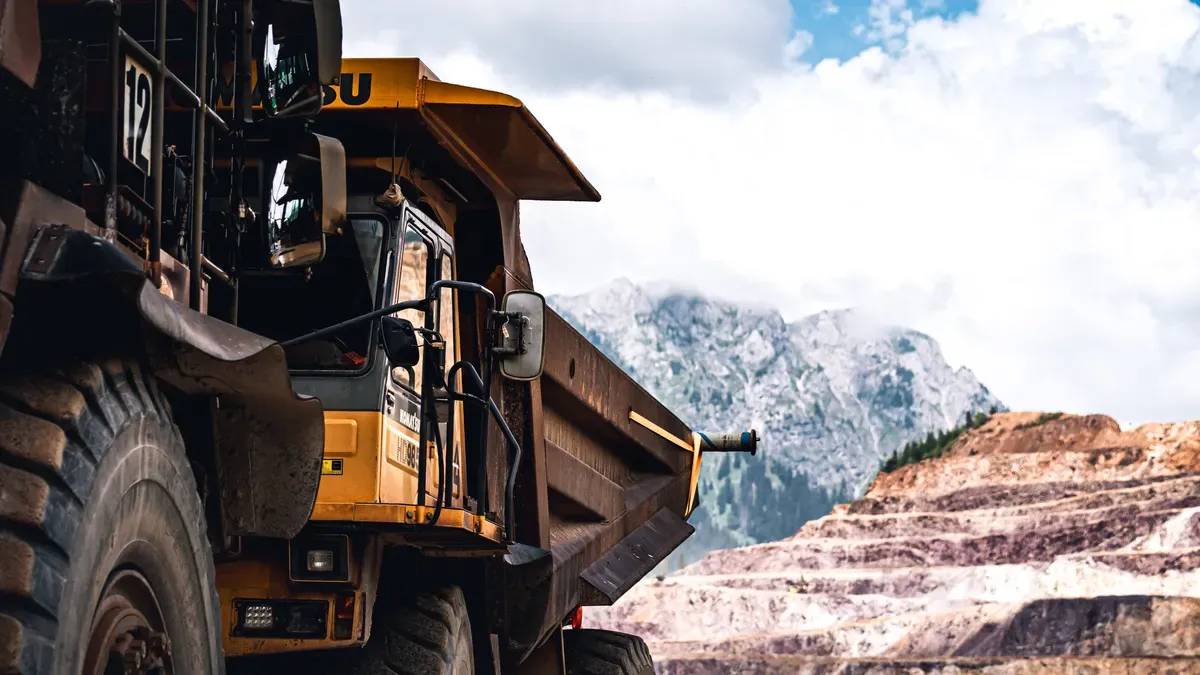
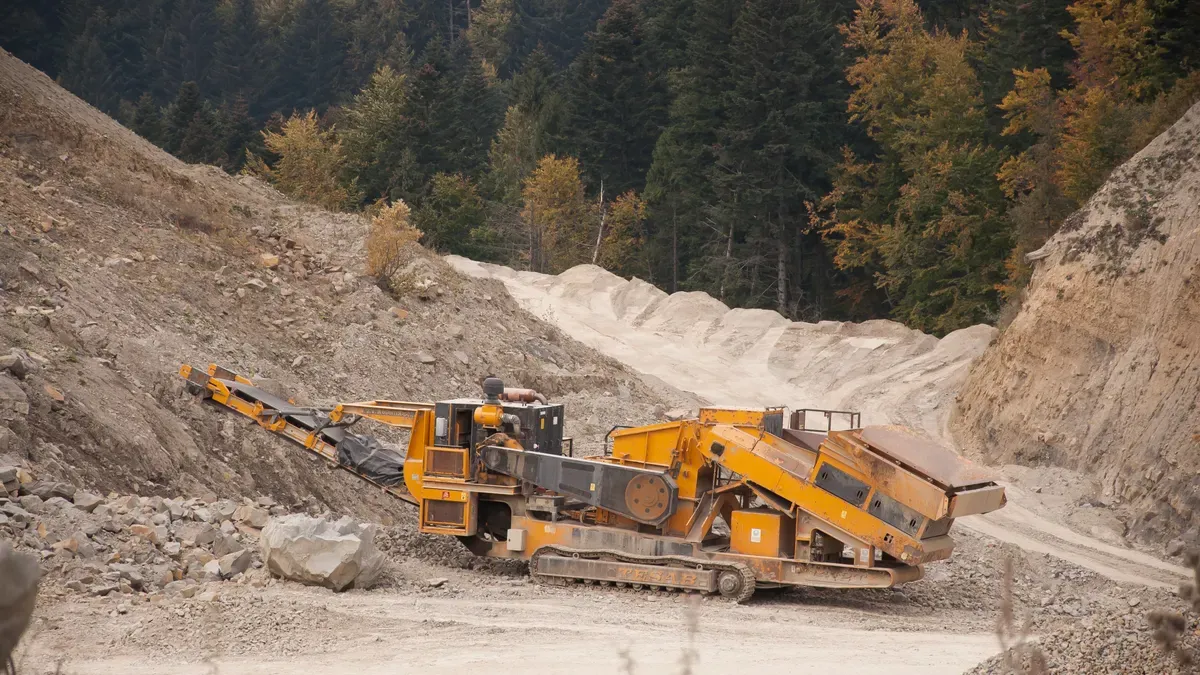
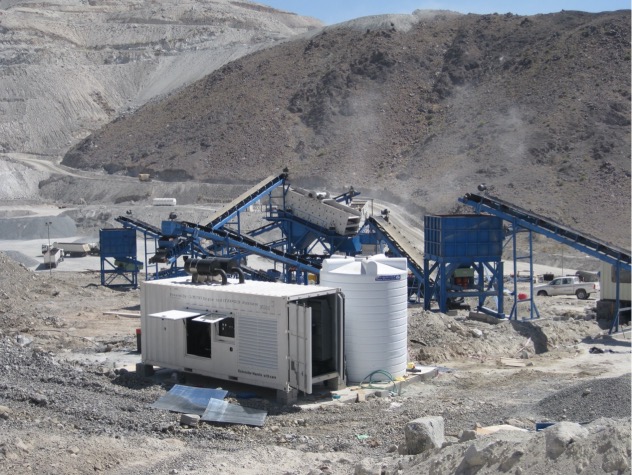
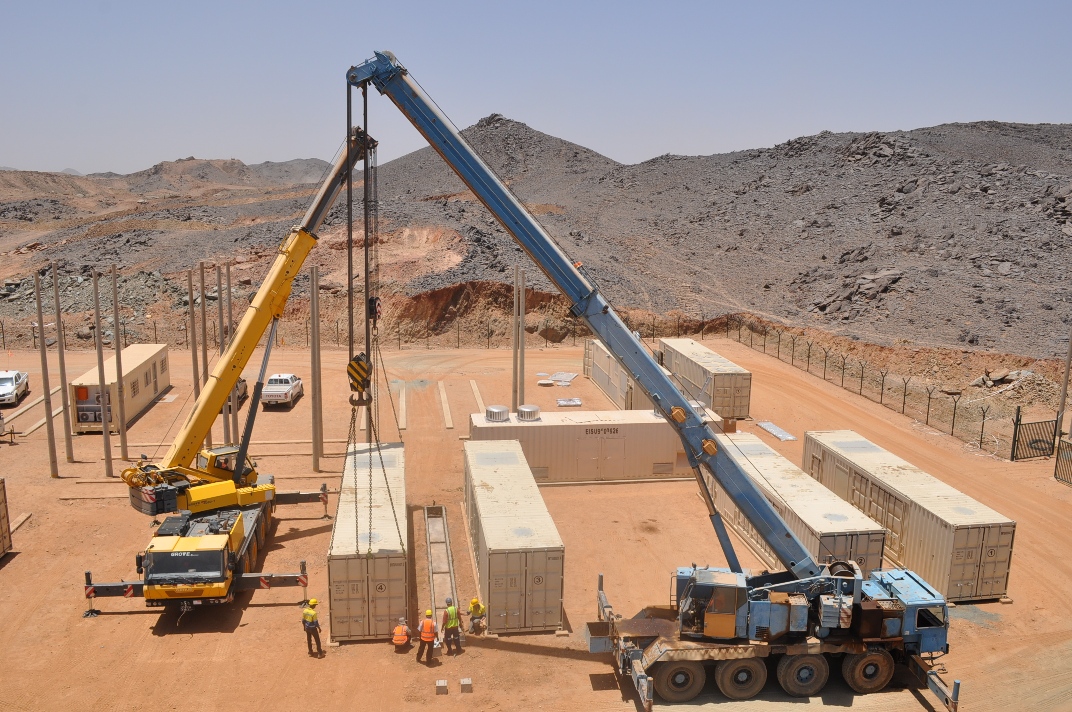
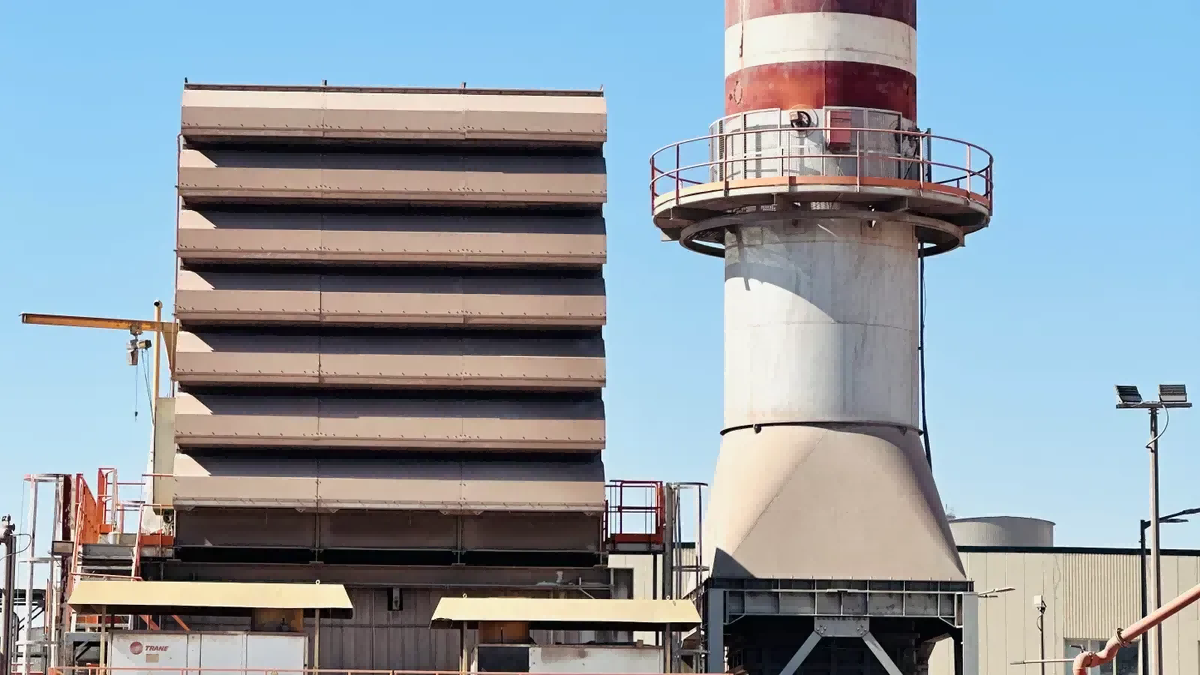
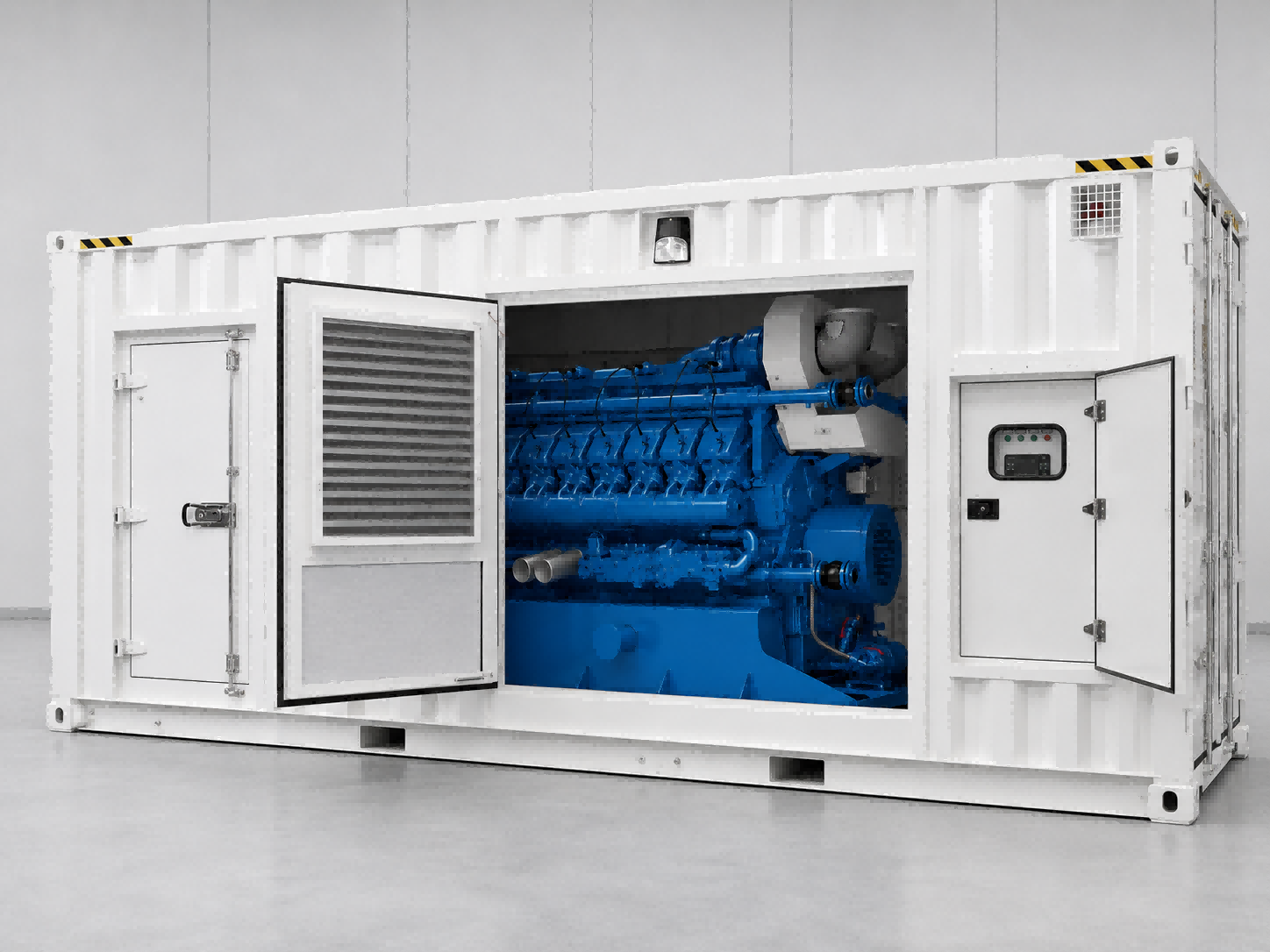
Leading industrial manufacturers Caterpillar, Cummins, MTU, Kohler, Atlas Copco, and Wärtsilä supply multi-megawatt power plants for heavy pit extraction. Specialized compact auxiliary systems like the SWT Kubota Series 24kW/30kVA provide reliable power for critical site assets in 2026. Determining the best backup generator setup depends entirely on overall mine scale. Heavy multi-megawatt systems handle massive motor startup loads during primary extraction. Remote mining facilities rely on backup generators in the 2–5 MW range to drive crushing systems, conveyor networks, and ore processing operations. Meanwhile, compact diesel units deliver continuous, dependable power to essential telecommunications, remote monitoring equipment, and field camp infrastructure.
Top Industrial Backup Generator Systems
Mining operations demand distinct electrical power architectures across every operational tier. Heavy pit extraction machinery and essential auxiliary facilities require specialized energy solutions to maintain continuous site productivity.
Heavy-Duty Mining Power Plants
Large-scale surface and underground extraction requires massive continuous electrical capacity. Primary mining pit operations rely on multi-megawatt diesel power generation plants to drive core heavy machinery. Industry-leading manufacturers produce specialized engine platforms built specifically to survive these extreme operational demands:
| Manufacturer | System Platform | Primary Application |
|---|---|---|
| Caterpillar | C18 / C175 Series | Pit extraction and heavy inductive motor startup |
| Cummins | QSK Series | Continuous high-load processing and site power |
| MTU | Series 4000 | Inductive motor loads and primary extraction |
| Wärtsilä | Industrial Power Plants | Centralized grid support and multi-megawatt base loads |
These massive power systems manage sudden inductive startup currents without experiencing voltage dips or frequency drops. Heavy mine machinery like primary crushing plants, semi-autogenous grinding mills, overland conveyor networks, and high-head dewatering pumps require huge initial electrical power surges. Heavy-duty platforms from Caterpillar, Cummins, MTU, and Wärtsilä supply continuous high torque output and fast transient load acceptance. Mine power engineers frequently configure multiple megawatt-class units in paralleled power station layouts. This synchronized design efficiently manages variable site base loads while providing essential redundancy during main utility power failures.
Compact Auxiliary Power Solutions
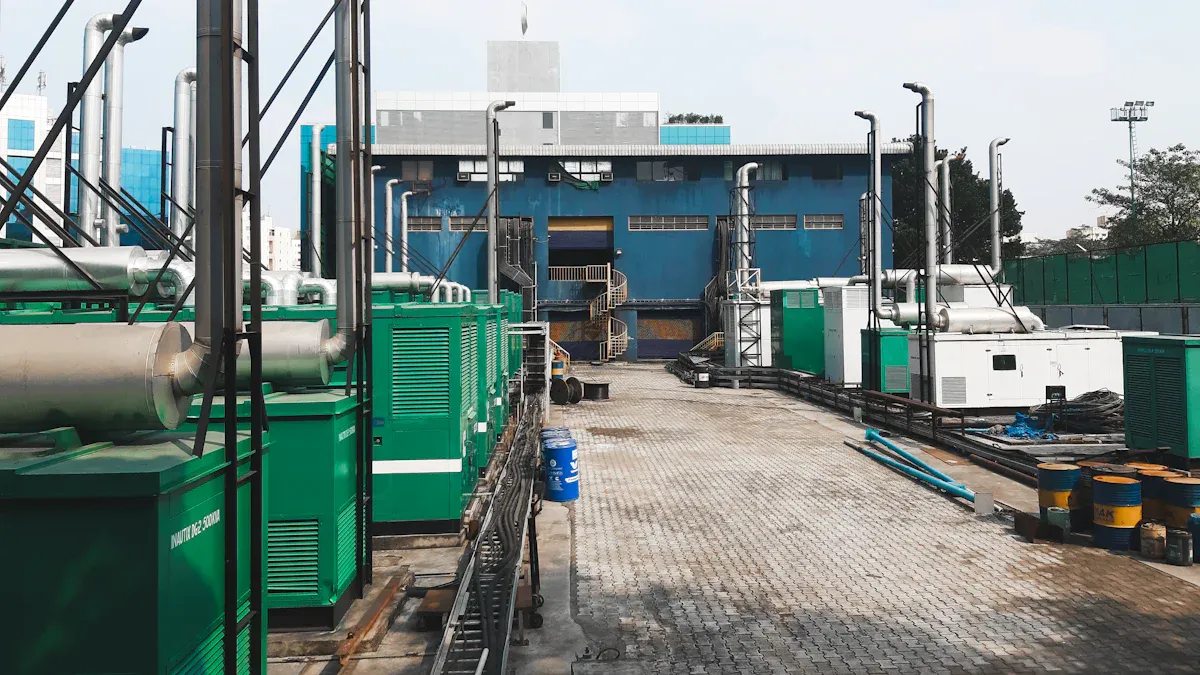
Essential remote auxiliary infrastructure requires smaller electrical outputs than primary extraction circuits. Operating multi-megawatt primary generators to run small localized electrical loads causes engine light-loading and severe wet stacking. Remote mining operations depend on compact auxiliary generators to supply targeted electrical circuits efficiently.
The SWT Kubota Series Diesel Generator Set (24kW / 30kVA) provides dependable backup generator capacity for critical secondary infrastructure. The power set relies on a naturally aspirated, four-cylinder, water-cooled Kubota V3300-BG diesel engine. This robust engine architecture delivers exceptional fuel efficiency, steady electrical frequency, and long-term mechanical durability under harsh site conditions.
Mining engineering teams deploy these compact backup generator units to maintain continuous power across vital site facilities:
- Remote administrative offices, engineering trailers, and main site camp buildings
- Telecommunications towers, satellite communications links, and remote monitoring networks
- Field maintenance workshops, specialized repair bays, and localized tool power distribution
- Environmental monitoring stations, water sampling pumps, and automated perimeter security systems
The versatile SWT Kubota backup generator lineup accommodates international electrical standards. Site managers can order 50Hz or 60Hz frequency options alongside three-phase or single-phase voltage setups.
Installation environments vary across remote mining sites. Customers can select from three physical enclosure configurations:
- Open frame configurations designed for secure indoor plant rooms
- Silent enclosures engineered to reduce operating sound near office zones
- Super-silent enclosures built for maximum noise reduction near residential worker camps
Every generator set incorporates an advanced single-unit control system featuring an intuitive LCD display, key operation, event logs, engine protection features, and local or remote start functions. SWT offers optional Automatic Transfer Switches (ATS) capable of fast load-switching under 80ms to keep telemetry active. Advanced paralleling options support up to 32 units for synchronized load sharing across growing facilities. Factory technicians conduct thorough load testing at 0%, 25%, 50%, 75%, 100%, and 110% capacity before dispatching units to site.
Selecting the Best Backup Generator
Engineers evaluate complex mechanical and environmental variables when choosing primary or emergency power units. Proper sizing requires accurate calculations of motor starting loads and site elevation factors.
Transient Response and Motor Starting
Heavy industrial machinery creates massive electrical surges during initial startup. Large grinding mills, slurry pumps, and crushing systems demand initial starting currents several times higher than their normal running currents. Mining engineers select a backup generator set with high transient response capabilities to prevent voltage dips. ISO 8528 standards define performance classes for generator recovery time under sudden load steps.
A backup generator must maintain stable frequency levels during heavy motor engagement. Sudden load applications can cause transient frequency drops, triggering false system trips across sensitive controls. Mining facilities utilize variable frequency drives and soft-start systems to smooth current spikes. Engineering teams sequence high-load equipment starts to reduce initial power surges across the system.
Altitude and Extreme Ambient Derating
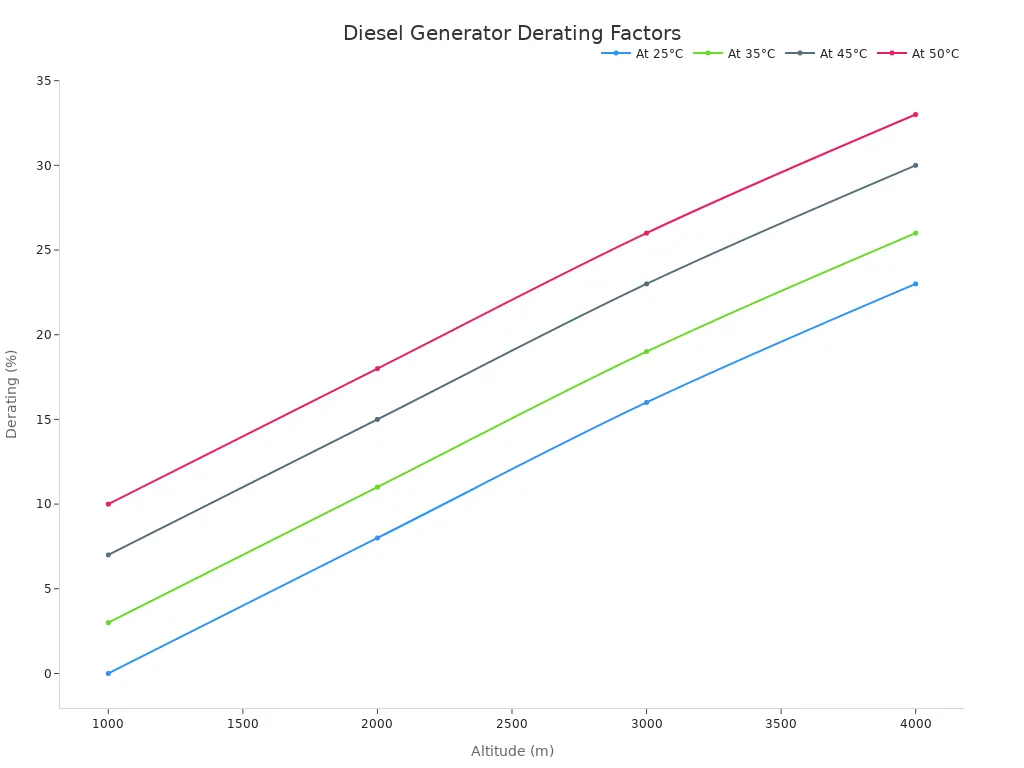
Elevation reduces air density and limits oxygen availability for internal combustion engines. Most engine manufacturers specify output derating starting at 1000 meters above sea level. Turbocharged diesel engines compress intake air and delay derating until 1500 meters. Higher elevations require significant power capacity reductions.
| Altitude (m) | Derating at 25°C (%) | Derating at 35°C (%) | Derating at 45°C (%) |
|---|---|---|---|
| 1000 | 0 | 3 | 7 |
| 2000 | 8 | 11 | 15 |
| 3000 | 16 | 19 | 23 |
| 4000 | 23 | 26 | 30 |
Ambient temperatures compound high-altitude power losses. At 2000 meters with a 35°C ambient temperature, total generator power derating reaches 11%.
Extreme cold also damages site operations. Temperatures near -20°C increase fuel viscosity and reduce battery starting capacity by up to 50%. High heat degrades radiator performance, accelerates fuel degradation, and stresses electronic control modules. Site managers install automated temperature control systems, remote monitoring modules, and load management tools to protect engine output.
Remote Fuel Logistics and Efficiency
Remote mining operations face distinct fuel supply challenges. Long travel distances across difficult roads increase transport costs and create vulnerabilities to unexpected supply delays. Water intrusion or fuel contamination during long-term storage damages fuel injectors and increases maintenance costs. Mining operations prevent equipment downtime by utilizing digital inventory management systems, real-time telemetry, and scheduled fuel deliveries.
Fuel Consumption under Variable Loads
Managing specific fuel consumption metrics lowers operational expenses at off-grid extraction facilities. Heavy electrical loads fluctuate constantly across crushing circuits and dewatering pumps. Engine efficiency varies significantly based on operating load profiles.
| Generator Size (kW) | 1/2 Load (50%) gal/hr | 3/4 Load (75%) gal/hr | Full Load (100%) gal/hr |
|---|---|---|---|
| 1000 | 36.4 | 52.1 | 71.1 |
| 1250 | 45.3 | 65.0 | 88.8 |
A 1000 kW power unit consumes 36.4 gallons per hour at half capacity and 71.1 gallons per hour at full load. Larger 1250 kW platforms require 45.3 gallons per hour at half load and 88.8 gallons per hour under maximum output.
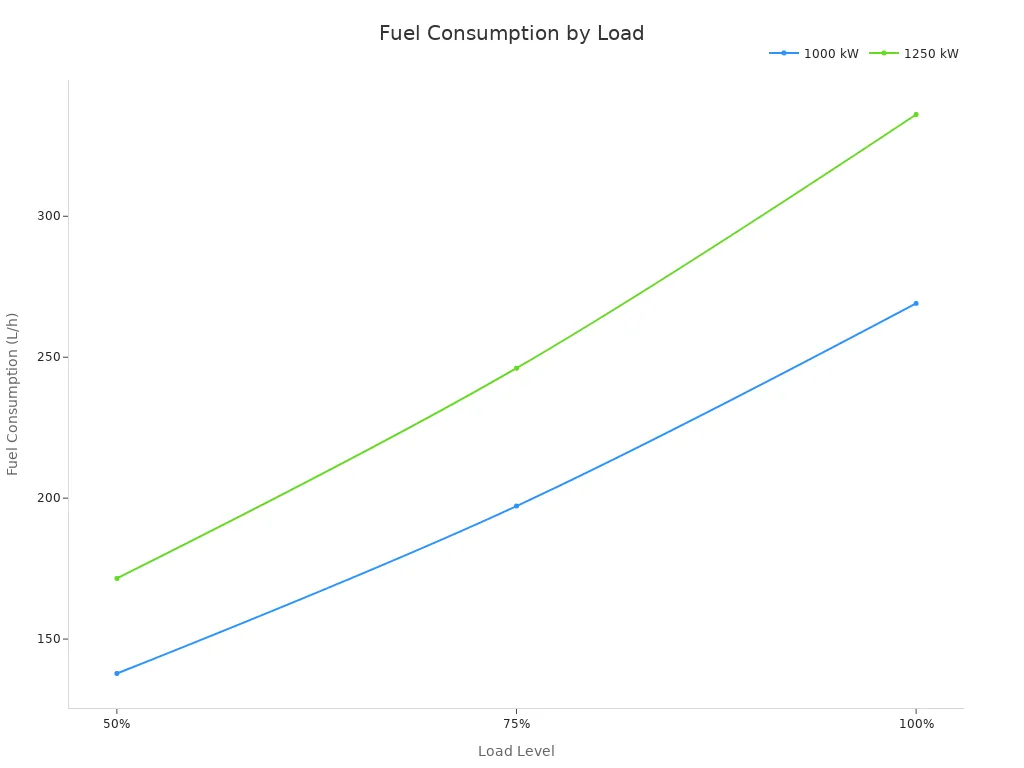
Site managers integrate cloud-based fuel management software to track real-time consumption across every circuit. Regular audits, GPS route optimization, and driver training further reduce fuel waste across remote operations.
Dual-Fuel and Alternative Fuel Options
Dual-fuel engines blend diesel with natural gas to optimize fuel resilience. High operational loads above 80% capacity yield fuel cost savings between 20% and 30%. Dual-fuel systems lower particulate matter and nitrogen oxide emissions significantly. However, dual-fuel units exhibit slower load response times of 20 to 30 seconds compared to 10 to 15 seconds for standard diesel units.
Wärtsilä case studies demonstrate that advanced dual-fuel engine technology lowers fuel consumption by up to 20% at partial loads while optimizing air-fuel mixture ratios automatically.
Mining sites utilize dual-fuel configurations to strengthen site delivery resilience during regional diesel shortages.
System Architecture and Paralleling
Mining operations require reliable electrical network design. Engine controllers run standard paralleling routines to maintain constant site power.
N+1 Redundancy and Synchronized Load Sharing
Paralleled power configurations protect critical mining infrastructure from unexpected site outages. Operating multiple generators together provides distinct technical advantages over single large power units.
| Aspect | Single Generator Setup | Synchronized Generators |
|---|---|---|
| Redundancy | No backup if the unit fails | Continuous supply, even if one unit fails |
| Fuel Efficiency | May run at low efficiency under a light load | Load sharing optimizes fuel usage |
| Flexibility | Limited operational options | Flexible to match variable loads |
Generators must match frequency, voltage, and phase angle before controllers close circuit breakers to share site load. This precise synchronization prevents severe power fluctuations and equipment damage. Electronic controls distribute electrical demand proportionally based on the capacity of each engine. For example, two identical generators each carry 50% of the total site load. Droop control systems adjust power output automatically when site frequency changes. Higher operational loads cause small frequency drops, triggering engines to increase torque output. Proportional load distribution allows every running engine to operate near its optimal efficiency curve, reducing total site fuel consumption.
Automated Remote Monitoring and Fleet Diagnostics
Modern digital control systems deliver real-time operational visibility across off-grid mining sites. Site engineers monitor generator health from central control rooms using continuous telemetry networks.
Advanced monitoring platforms incorporate essential operational features across distributed generator fleets:
- Real-time sensor tracking for coolant temperature, fuel levels, output voltage, load current, engine RPM, oil pressure, and cumulative runtime
- Remote control capabilities that allow operators to start, stop, or reset units from a cloud dashboard
- Predictive maintenance algorithms that evaluate fault history and alarm frequency data to detect mechanical stress early
- Automated fuel management tools that track real-time fuel consumption in liters per kWh to detect fuel leaks
- Centralized fleet dashboards that compare generator performance metrics across separate mining properties simultaneously
Automated alerts send immediate alarm notifications to site technicians during fault conditions. Instant diagnostic data reduces the need for frequent manual physical inspections at remote locations.
Selecting the ideal backup generator configuration depends directly on specific site operational tiers. Multi-megawatt platforms from Caterpillar, Cummins, and MTU reliably power heavy pit extraction machinery and massive inductive motor loads. Meanwhile, compact systems like the SWT Kubota Series supply steady auxiliary power to administrative site infrastructure, remote field camps, and telecommunications networks.
Mining engineers must execute dynamic load testing, perform high-altitude derating calculations, and deploy fast Automatic Transfer Switches featuring transfer response times under 80ms. These critical technical steps guarantee continuous uptime protection for sensitive monitoring equipment. Site engineers should perform a complete load-profile audit across all facility circuits prior to initiating equipment procurement.