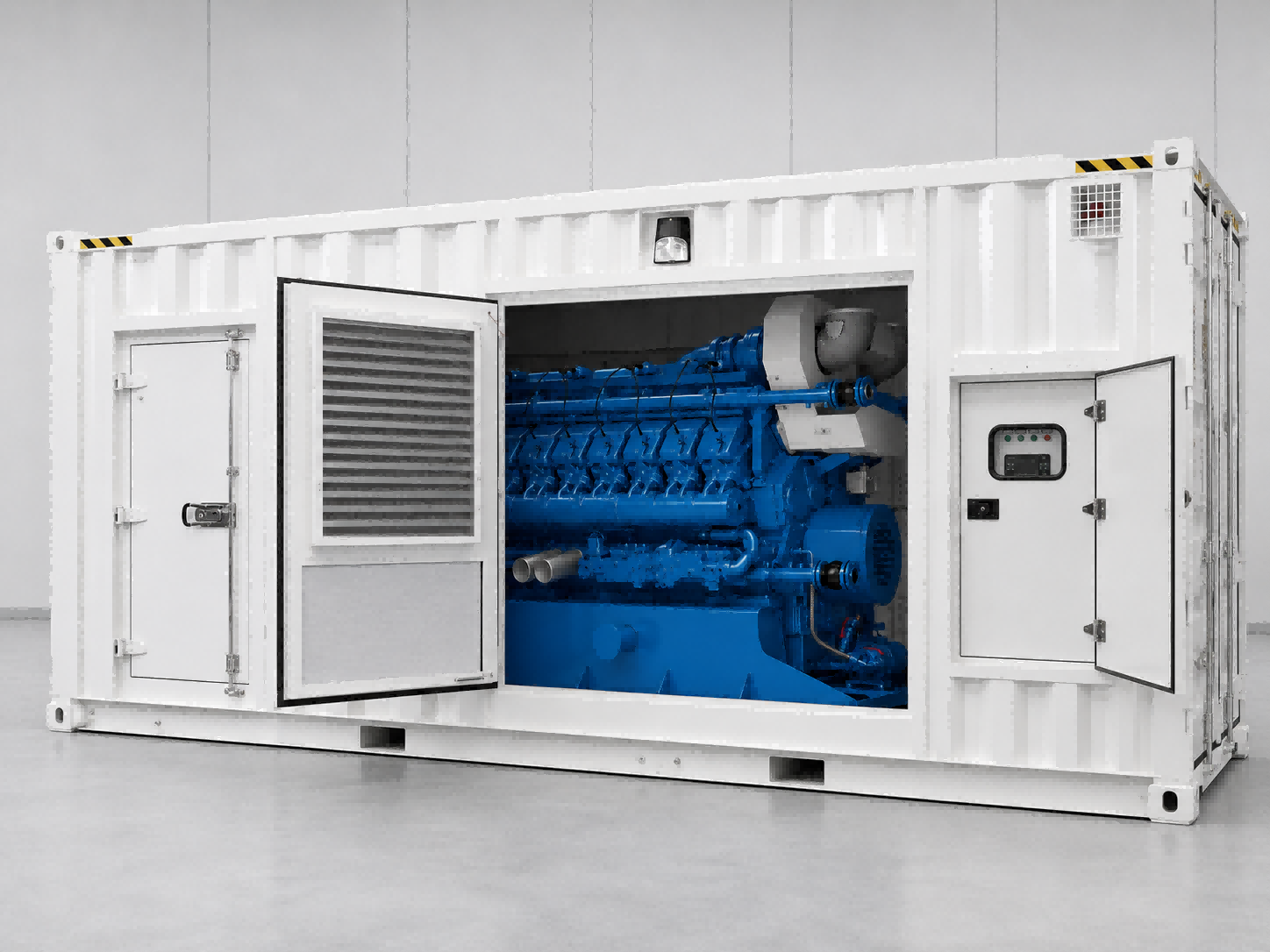
Data center operations demand absolute reliability. Generator failures cause 28% of outages, often resulting in significant financial losses. The table below shows the impact of poor generator selection:
| Cost Category | Percentage/Amount |
|---|---|
| Outages costing more than $100,000 | 54% |
| Outages costing more than $1 million | 20% |
| Average cost of unplanned outage | $505,500 |
Before placing an order, buyers check every detail to avoid costly downtime and match generator features to their unique requirements.
- Conduct a thorough load assessment to determine total power needs. This prevents future upgrades and ensures the generator can handle current and future demands.
- Choose the right generator size based on peak load and redundancy requirements. Proper sizing protects sensitive equipment and ensures continuous operation.
- Verify compatibility with existing electrical systems. Ensure the generator can connect smoothly with UPS and switchgear for stable power delivery.
- Check the manufacturer’s reputation and maintenance history. A reliable brand ensures long-term performance and reduces the risk of unexpected failures.
- Review warranty and support options. A strong warranty and accessible technical support provide peace of mind and safeguard critical operations.
Buyers Check Power And Capacity
Load Assessment
A thorough load assessment forms the foundation of generator selection for any data center. Buyers check the total power requirements by evaluating all IT equipment, cooling systems, lighting, and support infrastructure. Industry best practices recommend using both top-down and bottom-up approaches to forecast electricity demand. The Power Usage Effectiveness (PUE) metric helps measure overall energy efficiency by comparing total facility consumption to IT equipment usage. Accurate load assessment ensures the generator can handle both current and future demands, preventing costly upgrades later.
Key factors to consider during load assessment include:
- Calculating total and peak load, including all critical systems.
- Evaluating redundancy needs, such as N+1 or 2N configurations, which may require additional generator capacity.
- Planning for future expansion to avoid undersizing.
Sizing The Generator
Proper generator sizing is essential for operational reliability. Buyers check that the generator can support the highest anticipated load, including surges during outages. Redundancy requirements significantly impact sizing. For example:
- N+1 redundancy means one extra generator for backup.
- 2N redundancy doubles the generator capacity for full failover protection.
- Cooling systems can account for up to half of the total electrical load.
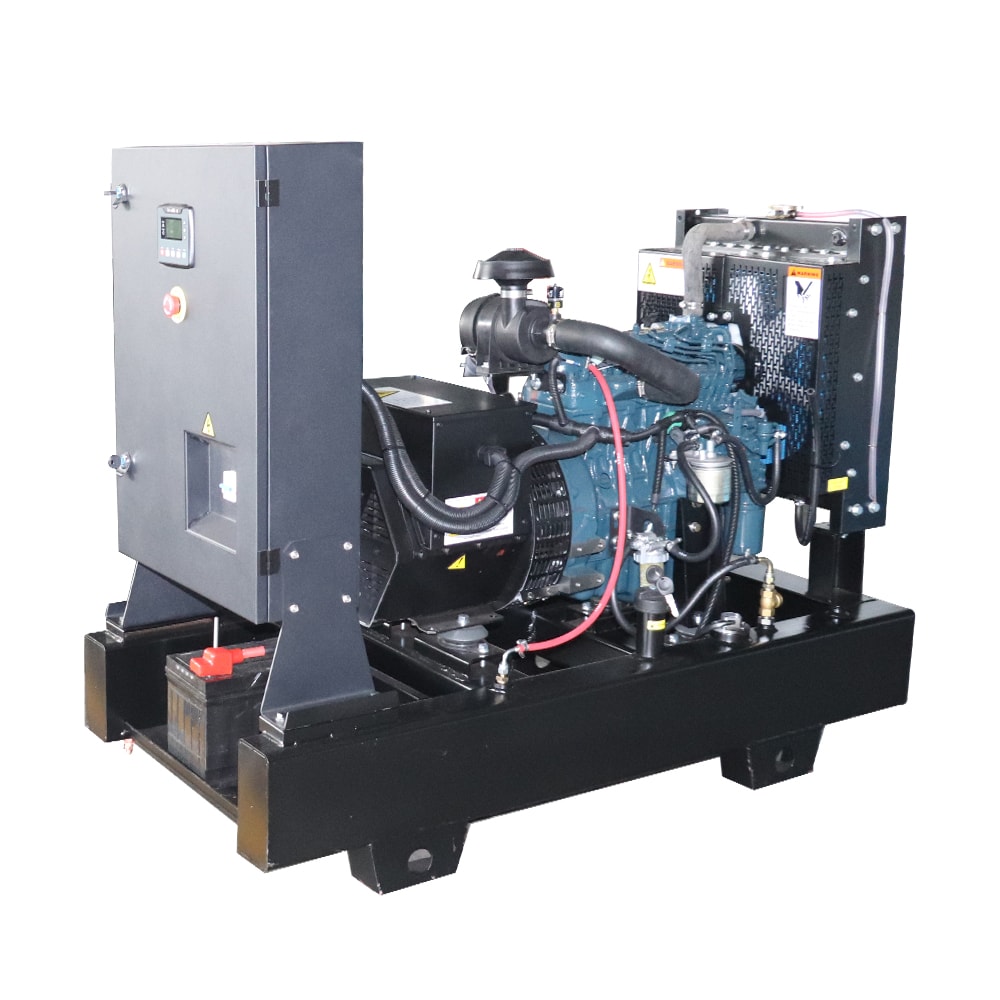
A generator that matches the calculated demand ensures continuous operation and protects sensitive equipment. The SWT Kubota Series (24)kW (30)kVA Diesel Generator Set offers both prime and standby ratings, supporting flexible deployment. It also allows parallel operation with up to 32 units, making it suitable for scalable data center environments.
Application Type (Standby, Prime, Continuous)
Selecting the correct application type is critical. The table below summarizes the main differences:
| Generator Type | Max Annual Runtime | Avg Load Limit | Uptime Compliance | Application Scenario |
|---|---|---|---|---|
| Emergency Standby Power (ESP) | ≤ 200 Hours | ≤ 70% | Non-Compliant | Non-critical, Tier I/II |
| Prime Power (PRP) | Unlimited | ≤ 70% | Requires derating | Remote or variable load sites |
| Data Center Continuous (DCP) | Unlimited | 100% | Fully Compliant | Tier III/IV, mission-critical centers |
The Kubota Series generator supports continuous operation and can handle overloads, making it ideal for both standby and continuous applications. Buyers check these features to ensure the generator aligns with their operational and compliance requirements.
Compatibility Checks
Electrical Integration
Data centers rely on seamless electrical integration to maintain uptime. Buyers check that the generator can connect smoothly with the facility’s electrical infrastructure. This process involves verifying voltage compatibility, phase matching, and synchronization with existing panels. The generator’s control system should support both local and remote start options, allowing operators to manage power transitions efficiently. The Kubota Series generator features an advanced LCD control panel and IP65-rated protection, which ensures reliable operation in challenging environments. These features help prevent electrical faults and support safe, flexible installation.
UPS And Switchgear Sync
Uninterruptible Power Supply (UPS) systems and switchgear play a critical role in protecting sensitive IT equipment. Proper synchronization between the generator, UPS, and switchgear is essential for stable power delivery. Best practices include:
- Defining the input tolerance of the UPS to determine what utility conditions it can handle without switching to battery.
- Establishing bypass behavior to ensure the system transfers only under acceptable conditions for the load.
- Confirming generator compatibility with the UPS to avoid issues such as hunting or unstable recharge cycles.
The Kubota Series generator supports parallel operation and advanced control features, making it suitable for integration with modern UPS and switchgear systems. This ensures continuous protection for mission-critical loads.
Installation Space
Physical constraints can impact generator installation. Buyers check the available space for the generator, fuel tanks, silencers, and any optional accessories. The generator’s IP65-rated control system and IP23 alternator protection allow for both indoor and outdoor placement. Adequate ventilation, access for maintenance, and compliance with safety codes must be considered. Planning for future expansion is also important, especially when using generators that support parallel operation. Proper site assessment ensures the generator fits within the facility without compromising safety or performance.
Reliability Checks
Manufacturer Reputation
Selecting a generator from a reputable manufacturer is a critical step in ensuring long-term reliability for data center operations. Buyers check several criteria to evaluate manufacturer reputation. These include uptime performance, fuel efficiency, maintenance requirements, scalability, and the quality of support services. The table below summarizes the main criteria used in the industry:
| Criteria | Description |
|---|---|
| Uptime and Reliability | Essential for continuous power to protect sensitive equipment and maintain services during outages. |
| Fuel Efficiency | Impacts operational costs; high efficiency reduces fuel costs and environmental impact. |
| Maintenance Needs | Influences reliability and long-term costs; accessible components and clear service schedules are vital. |
| Scalability | Ability to expand or contract based on facility needs; modular solutions allow for incremental capacity. |
| Support Services | Comprehensive services ensure generators operate at peak efficiency, enhancing long-term reliability. |
A trusted brand, such as SWT with its Kubota Series, demonstrates a strong track record in these areas, providing peace of mind for mission-critical environments.
Maintenance History
A generator’s maintenance history directly affects its reliability and operational performance. Regular service ensures consistent operation and reduces the risk of unexpected downtime. The following table highlights the impact of maintenance on generator reliability:
| Aspect | Explanation |
|---|---|
| Reliability and Uptime | Regular maintenance ensures generators perform consistently, reducing the risk of downtime. |
| Cost Avoidance | Proactive maintenance helps prevent costly repairs and operational interruptions due to failures. |
| Business Continuity | Well-maintained generators are essential for uninterrupted operations, supporting business resilience. |
| Optimal Performance | Routine checks enhance efficiency, ensuring generators provide necessary power output reliably. |
Buyers should review service records, focusing on scheduled maintenance, repairs, and component replacements. Inspecting belts, hoses, mounting hardware, and looking for signs of wear or rust helps identify potential issues before they escalate.
Age And Hours
The age and total operating hours of a generator provide valuable insight into its expected lifespan and reliability. Newer units with fewer hours typically offer better performance and lower risk of failure. However, even well-maintained older generators can deliver reliable service if they have a documented maintenance history. Always verify the generator’s age, total run hours, and recent service activities. This approach helps ensure the generator will meet the demands of continuous data center operation.
Compliance And Certification
Regulatory Codes
Data center generators must comply with a range of local, national, and international regulations. These codes ensure safety, environmental responsibility, and operational reliability. Buyers check that generators meet the requirements of their region before making a purchase. The following table summarizes key regulations in major markets:
| Regulation | Description |
|---|---|
| Clean Air Act (CAA) | Governs emissions of hazardous air pollutants and greenhouse gases from industrial sources, including data centers. |
| Energy Star Program | Promotes energy efficiency in data centers through certification of energy-efficient products and practices. |
| Energy Act of 2020 | Requires federal agencies to evaluate data centers for energy efficiency every four years. |
| EU Emissions Trading System (ETS) | Mandates monitoring, reporting, and verification of greenhouse gas emissions for data centers exceeding energy consumption thresholds. |
| Energy Efficiency Directive (EED) | Sets binding measures for energy audits and management systems for large data centers. |
| Ecodesign for Sustainable Products Regulation (ESPR) | Establishes minimum energy performance standards for energy-related products, including servers and data storage. |
Facilities must verify compliance with these codes to avoid penalties and ensure uninterrupted operations.
Emissions Standards
Emissions standards play a critical role in generator selection. Many regions now require backup generators to meet strict EPA Tier 4 standards, which set the most stringent limits on nitrogen oxides (NOx) and particulate matter (PM). The table below outlines the main emission tiers:
| Emission Tier | Description | Requirements |
|---|---|---|
| Tier 1 | Basic standards | Higher limits on pollutants |
| Tier 2 | Intermediate standards | Moderate limits on pollutants |
| Tier 3 | Advanced standards | Lower limits on pollutants |
| Tier 4 Final | Strictest standards | Most stringent limits on NOx and PM |
Modern generators often use advanced technologies such as Selective Catalytic Reduction (SCR), Diesel Exhaust Fluid (DEF), and Diesel Particulate Filters (DPF) to achieve compliance. Local regulations may require additional controls, so it is essential to confirm generator certification before installation.
Documentation
Proper documentation supports compliance and smooth operation. Essential documents include:
- Certificates of conformity for emissions and safety standards
- Installation and operation manuals
- Maintenance logs and service records
- Environmental protection ratings, such as IP65 for control systems and IP23 for alternators
These documents provide proof of compliance during inspections and audits. They also help operators maintain best practices for safety and reliability.
Tip: Always keep compliance documentation organized and accessible for regulatory reviews or emergency situations.
Buyers Check Cost And Budget
Purchase Price
Evaluating the purchase price is a fundamental step in generator selection. Data center generators vary widely in cost based on power output, brand, and features. Buyers check the initial investment to ensure alignment with their facility’s requirements and budget constraints. For example, the SWT Kubota Series (24)kW (30)kVA Diesel Generator Set offers a competitive price point for small to medium-sized applications. Larger generators, especially those exceeding 1 MW, command significantly higher prices. The table below illustrates typical installation cost ranges for different generator sizes:
| Generator Power Output | Estimated Cost Range |
|---|---|
| 500 kW – 1 MW | $100,000 – $300,000 |
| 1 MW – 2 MW | $300,000 – $600,000 |
| 2 MW – 3 MW | $600,000 – $1,000,000 |
| 3 MW+ | $1,000,000+ |
Optional accessories, such as automatic transfer switches, trailer-mounted configurations, and extended fuel tanks, can increase the total purchase price but enhance operational flexibility.
Installation Costs
Installation costs include site preparation, electrical integration, and accessory setup. These expenses depend on generator size, facility layout, and local regulations. Proper planning ensures efficient installation and minimizes unexpected charges. Buyers should account for costs related to ventilation, sound attenuation, and compliance with safety codes. Customization options, such as silencers or remote monitoring systems, may require additional investment but provide long-term benefits.
Tip: Request detailed installation quotes from vendors to avoid budget overruns and ensure all necessary components are included.
Maintenance And Fuel
Ongoing maintenance and fuel expenses represent a significant portion of the generator’s lifecycle cost. Routine maintenance tasks include:
- Oil and filter changes, typically every 250–500 hours of operation.
- Fuel system checks to maintain quality and prevent contamination.
- Battery care, including regular inspection and replacement.
- Coolant system inspection to ensure optimal performance.
- Load bank testing to verify generator reliability under full load.
Fuel efficiency directly impacts operational costs. The Kubota Series generator’s advanced engine design helps reduce fuel consumption, supporting cost-effective operation. Buyers should also consider the availability of service agreements and warranty coverage, which can help manage maintenance expenses and extend generator lifespan.
Warranty And Support
Warranty Terms
Warranty coverage forms a critical part of any generator purchase decision. Buyers check the warranty duration, coverage details, and any exclusions before finalizing an order. A comprehensive warranty protects against manufacturing defects and unexpected failures. The SWT Kubota Series (24)kW (30)kVA Diesel Generator Set includes a one-year warranty, which covers essential components and labor. This assurance helps reduce the risk of unplanned expenses during the initial period of operation. Always review the warranty documentation to understand the terms and conditions, including what actions may void coverage.
Technical Support
Reliable technical support ensures continuous operation in data center environments. Immediate assistance becomes vital when unexpected failures occur. Data centers require uninterrupted power to prevent data loss and downtime. A dependable generator service maintains backup systems and keeps them ready for emergencies. Regular maintenance and access to 24/7 technical support help resolve issues quickly and minimize operational disruptions. Many vendors offer multiple support channels, such as phone, email, and remote diagnostics. When evaluating generator options, prioritize vendors that provide round-the-clock technical support and fast response times.
Note: Quick access to expert support can make the difference between a minor incident and a major outage.
Service Agreements
Service agreements extend the value of warranty and support offerings. These agreements often include scheduled maintenance, priority repair services, and discounted replacement parts. A well-structured service agreement ensures the generator receives regular inspections and preventive care. This proactive approach helps maintain optimal performance and extends equipment lifespan. Review available service plans and select one that matches your facility’s operational needs. Consider agreements that offer flexibility as your data center grows or requirements change.
| Support Feature | Benefit |
|---|---|
| Scheduled Maintenance | Prevents unexpected failures |
| Priority Repairs | Reduces downtime |
| Discounted Parts | Lowers long-term maintenance costs |
| Flexible Terms | Adapts to changing operational demands |
A robust warranty and support package provides peace of mind and helps safeguard critical infrastructure.
Safety Features
Emergency Shutdown
Emergency shutdown systems are critical for protecting both personnel and equipment in data centers. These systems allow operators to stop generator operation instantly during hazardous events, such as electrical faults or fuel leaks. Industry standards, including ISO 8528 and NFPA 110, require generators to have clearly marked and easily accessible emergency stop controls. The SWT Kubota Series (24)kW (30)kVA Diesel Generator Set features an advanced control system with both local and remote start/stop options. The IP65-rated control panel ensures reliable operation even in harsh environments, safeguarding the generator from dust and moisture. Buyers should verify that emergency shutdown mechanisms are tested regularly and comply with recognized technical standards.
Fire Protection
Fire risks in data centers demand robust prevention and suppression measures. Generators must integrate with facility fire alarm and suppression systems to minimize damage in case of an incident. Compliance with standards from organizations like the Uptime Institute and ANSI (TIA-942) ensures proper design and operation. The generator’s enclosure and wiring should use fire-resistant materials. Adequate ventilation and automatic fuel shutoff valves further reduce fire hazards. Buyers should confirm that the generator’s installation meets local fire codes and that all fire protection features are documented and maintained.
| Compliance Aspect | Description |
|---|---|
| Equipment Certifications | Must meet emission standards and have reliability credentials from UL, EU, EPA. |
| Technical Standards | Compliance with ISO 8528, NFPA 110, NEC reduces risks and ensures safety. |
| Design and Operation | Adherence to Uptime Institute and ANSI (TIA-942) standards is essential. |
Monitoring Systems
Advanced monitoring systems play a vital role in generator safety and operational reliability. These systems provide real-time data collection and analysis, enabling predictive maintenance and early detection of potential issues. IoT sensors and connected devices continuously track critical parameters, such as temperature, humidity, and system health. This approach allows for timely maintenance and helps prevent costly downtime. Environmental monitoring ensures stable indoor climates, while accurate alarm settings address urgent issues promptly. The Kubota Series generator’s LCD supports real-time monitoring and remote management, enhancing safety and efficiency. Buyers should prioritize generators with integrated monitoring and alarm systems to maintain business continuity and meet Service Level Agreements (SLAs).
Buyers should review all critical factors before ordering a data center generator. The table below highlights common mistakes to avoid:
| Decision Dimension | Key Considerations |
|---|---|
| Duty cycle | Define use case |
| Sizing | Match load needs |
| Emissions tier | Confirm compliance |
A checklist helps ensure nothing is missed. Avoid focusing only on price, skipping service history, or improper installation. Consulting a reputable vendor who offers assessment, installation, and ongoing support reduces risk. Careful due diligence protects uptime, controls costs, and ensures compliance.
FAQ
What is the difference between prime and standby generator ratings?
Prime-rated generators supply power for extended periods with variable loads. Standby-rated generators operate during emergencies or outages. Prime units handle continuous use, while standby units activate only when the main power fails.
How often should a data center generator be serviced?
Manufacturers recommend servicing every 250–500 operating hours. Regular maintenance includes oil changes, filter replacements, and system inspections. Scheduled service ensures reliability and extends equipment lifespan.
Can the SWT Kubota Series generator run in parallel with other units?
Yes. The Kubota Series supports parallel operation with up to 32 units. This feature allows data centers to scale power capacity and maintain redundancy for critical operations.
What does the IP65 rating mean for generator control panels?
IP65 indicates complete protection against dust and low-pressure water jets. This rating ensures the control panel remains safe in harsh environments, supporting both indoor and outdoor installations.
Are automatic transfer switches necessary for data center generators?
Automatic transfer switches (ATS) enable seamless transition between utility and generator power. ATS ensures uninterrupted operation during outages. Most data centers require ATS for compliance and operational reliability.