Modern data centers are operating under far greater power pressure than they did just a few years ago. The rapid growth of high-density computing, cloud platforms, and large-scale server clusters has pushed facility operators to rethink how backup power systems are designed.
For many operators, stable electricity is no longer just an operational requirement. It directly affects uptime, equipment safety, cooling performance, and overall business continuity. Even a brief outage can interrupt computing tasks, damage sensitive hardware, and create costly downtime.
Because of this, the data center backup generator has become one of the most important parts of modern infrastructure planning. Whether for hyperscale campuses, enterprise facilities, or edge computing sites, reliable backup power is now considered essential.
Why Backup Power Matters More in Modern Data Centers
Compared with traditional server rooms, modern computing facilities consume significantly more electricity. High-density racks, advanced cooling systems, and continuous processing workloads all place additional pressure on the power infrastructure.
In many facilities, servers operate around the clock with very little interruption. Once utility power becomes unstable, the entire operation can be affected within seconds.
Several factors are increasing the demand for backup power for data centers:
- Higher rack density and larger electrical loads
- Greater dependence on uninterrupted network services
- Longer operating cycles for computing equipment
- Expansion of hyperscale and cloud infrastructure
As a result, operators are investing more heavily in high-reliability backup power for hyperscale data centers, especially in regions where grid stability remains a challenge.
Reliable backup systems help protect:
- Server operation stability
- Cooling system performance
- Network infrastructure
- Data processing continuity
For many large facilities, resilient power systems are no longer optional. They are part of the core infrastructure strategy.
The Role of a Data Center Backup Generator
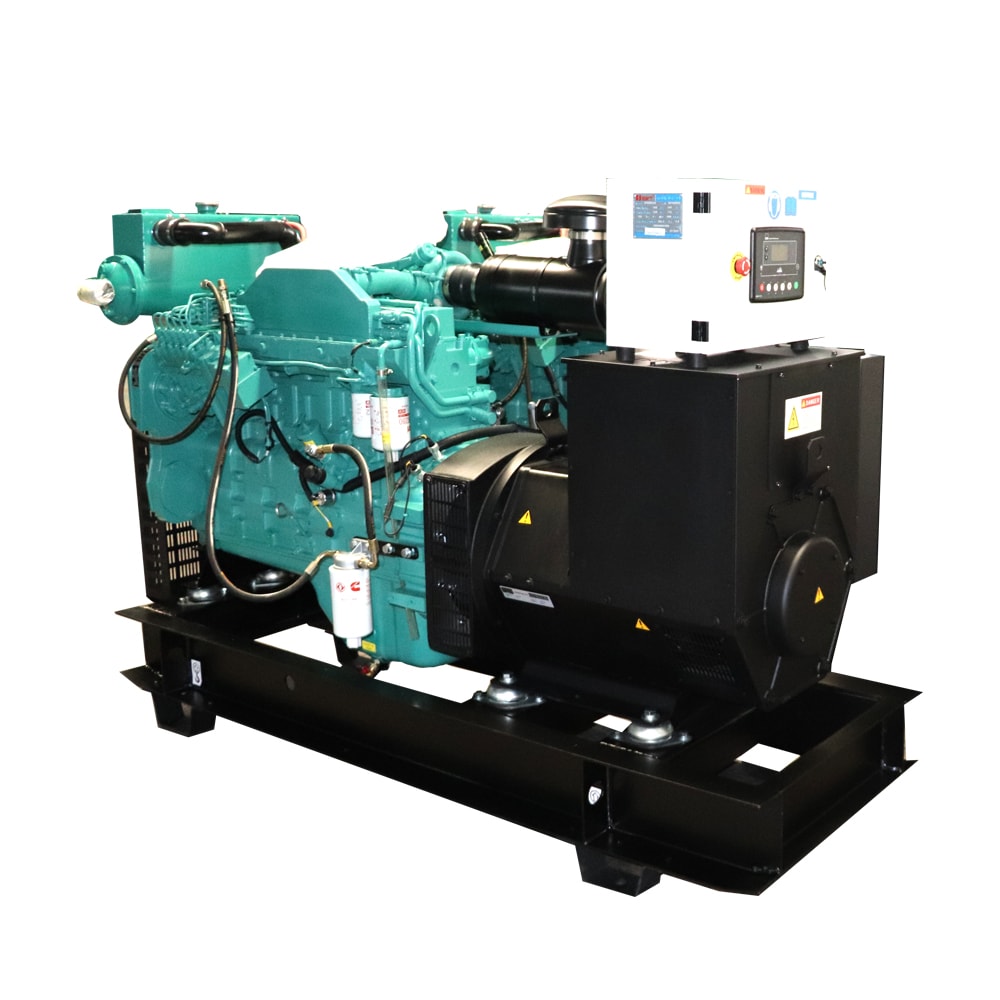
A data center backup generator provides emergency electricity whenever utility power is interrupted. In most facilities, the generator works together with UPS equipment to maintain continuous operation during power transitions.
The process is relatively straightforward, but the coordination between systems is critical.
| Power Situation | Backup System Response |
|---|---|
| Utility power failure | UPS system immediately supports the load |
| Generator startup | The standby generator automatically starts |
| Power transfer | A generator supplies facility power |
| Utility restoration | Load transfers back to the utility source |
This type of UPS and generator coordination for data centers helps avoid sudden shutdowns and protects sensitive equipment from voltage fluctuations.
In large-scale facilities, diesel generator sets remain the most common choice because they provide:
- Fast startup performance
- Reliable emergency response
- Stable load handling
- Proven long-term operation
For critical infrastructure, a diesel generator for data center backup applications still offers one of the most dependable solutions available today.
Key Factors When Selecting a Backup Generator
Choosing the right standby generator involves more than selecting a specific power rating. Operators must consider future expansion, operational reliability, fuel strategy, and overall infrastructure planning.
Generator Sizing and Load Planning
Generator sizing for data centers requires careful evaluation of both current demand and future growth.
Modern facilities often expand rapidly. What works for today’s load may not be sufficient within only a few years.
Several areas should be reviewed during planning:
- Total electrical demand
- Cooling system requirements
- Redundancy targets
- Future server expansion
- Emergency operating duration
Many operators now prefer modular systems because they allow additional capacity to be added more efficiently.
| Facility Type | Common Backup Configuration |
|---|---|
| Enterprise Data Center | N+1 standby generator |
| Cloud Computing Facility | Parallel generator systems |
| Hyperscale Campus | 2N redundancy architecture |
| Edge Computing Site | Containerized backup power system |
A scalable design helps reduce future upgrade costs and improves operational flexibility.
Fast Response and Stable Output
Backup systems must respond quickly during utility failures. At the same time, they must maintain stable voltage and frequency output to protect sensitive computing equipment.
A reliable bridge power solution for data centers should provide:
- Automatic startup capability
- Stable voltage regulation
- Fast load acceptance
- Smooth transition between systems
Even short periods of unstable power can affect servers, storage systems, and network equipment.
This is why emergency backup generator systems are typically integrated with UPS equipment and intelligent control systems.
Diesel Generator Sets and Natural Gas Generators
Both diesel generator sets and natural gas generators are widely used in modern data center projects. The final selection often depends on local fuel conditions, environmental regulations, and runtime requirements.
Diesel Generator Sets
Diesel gensets remain the preferred choice for many standby applications.
Their advantages include:
- Quick startup performance
- Strong reliability under heavy load
- Mature service infrastructure
- Proven performance in emergency conditions
For facilities requiring immediate response during outages, standby diesel generators continue to provide dependable backup protection.
Natural Gas Generator Systems
Natural gas generator systems are becoming more common in regions with stable fuel supply networks.
Compared with diesel systems, natural gas generators may offer:
- Lower emissions
- Reduced onsite fuel storage
- Longer continuous operation capability
- Improved environmental performance
Some facilities now combine gas generator sets with hybrid backup systems to improve efficiency and reduce fuel consumption.
Hybrid Backup Power Solutions
Many operators are beginning to combine traditional generator systems with battery energy storage technologies.
A hybrid backup power system may include:
- Diesel generator sets
- Battery storage systems
- Solar storage diesel hybrid systems
- Natural gas generators
- Intelligent energy management controls
This approach helps improve operational flexibility while reducing fuel usage during short-duration power interruptions.
Hybrid microgrid systems are particularly useful for:
- Large computing campuses
- Remote facilities
- Off-grid power projects
- Fast deployment of infrastructure sites
As energy efficiency becomes more important, hybrid backup power for data centers is expected to become more common in future projects.
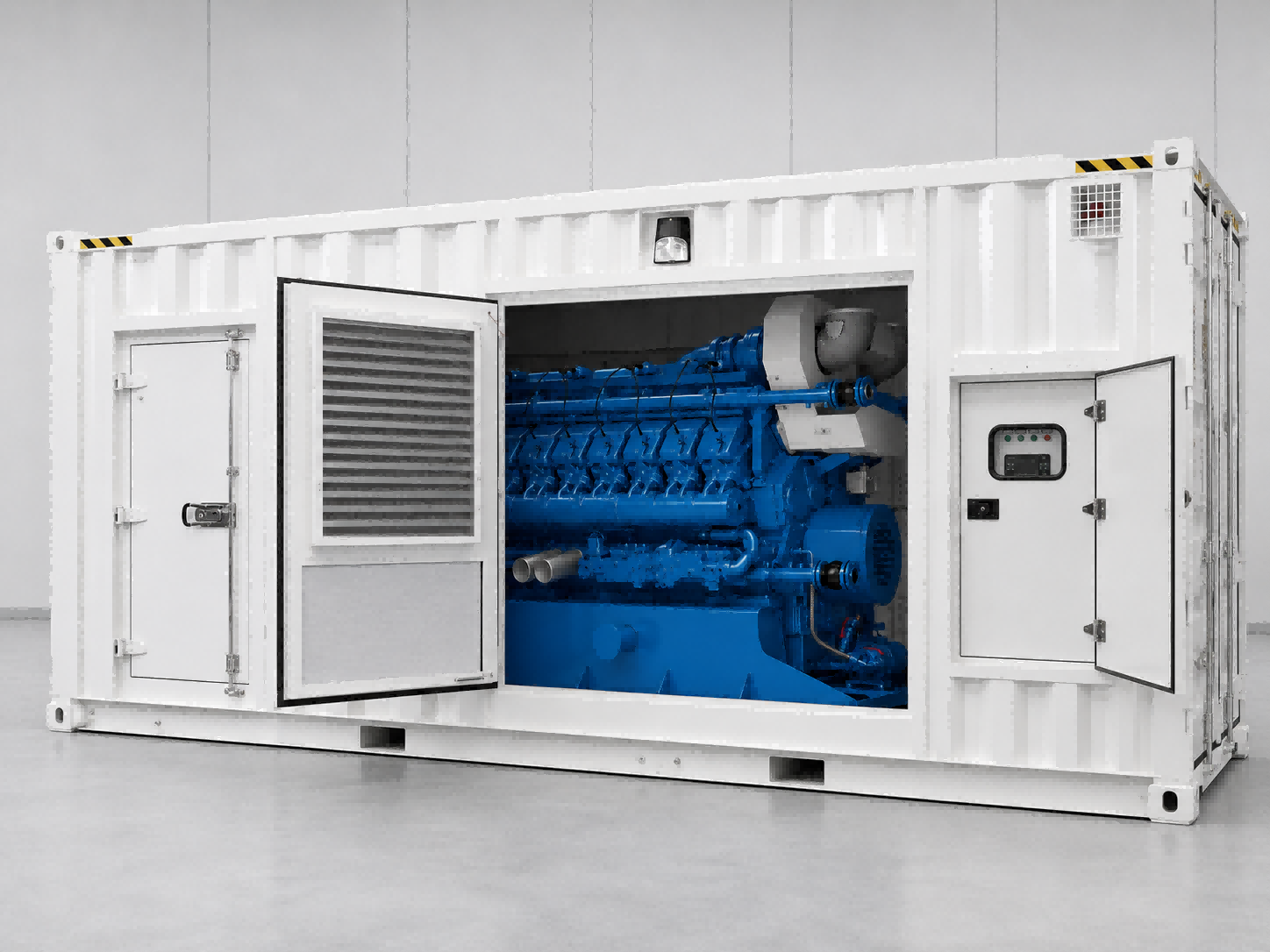
Containerized Power Systems for Fast Deployment
Construction timelines for new computing facilities are becoming shorter. In many cases, operators need backup power systems that can be deployed quickly and expanded easily.
Because of this, containerized power plant solutions are seeing increased demand.
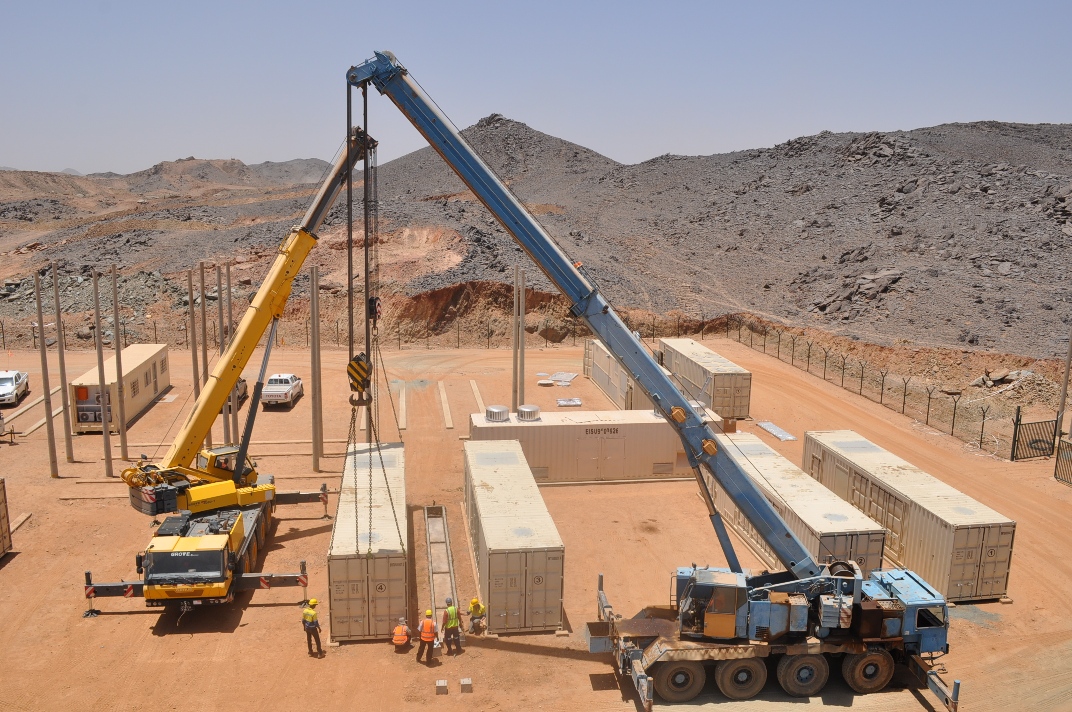
Compared with conventional installations, containerized systems provide several advantages:
- Faster onsite installation
- Easier transportation
- Flexible capacity expansion
- Reduced construction complexity
- Simplified maintenance access
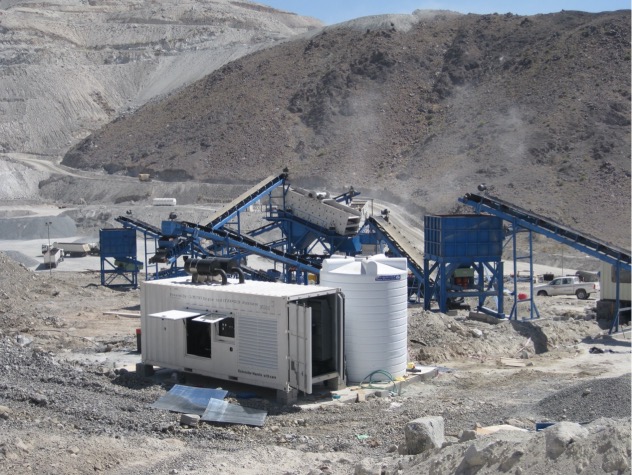
For temporary expansion projects or rapidly growing campuses, mobile power plant systems can provide immediate backup support before permanent infrastructure is completed.
Containerized diesel generators are also commonly used as temporary bridge power solutions during facility upgrades.
Environmental and Maintenance Considerations
Modern backup power systems must meet increasingly strict environmental and operational standards.
In many urban areas, data centers face regulations related to:
- Noise control
- Exhaust emissions
- Fuel storage safety
- Environmental compliance
To address these requirements, many industrial generator sets now include:
- Low-noise enclosures
- Advanced emission systems
- Remote monitoring functions
- Intelligent control platforms
Long-term reliability also depends heavily on maintenance quality.
A high-reliability standby generator solution should include regular inspections, load testing, and preventive service planning.
Proper maintenance helps reduce:
- Startup failures
- Fuel contamination risks
- Cooling system problems
- Unexpected downtime
Facilities operating in harsh environments may also require customized enclosure designs and enhanced cooling systems.
Backup Power Architecture for Large Facilities
Large data centers often use advanced redundancy strategies to improve operational reliability.
N+1 Configuration
This design includes one additional standby generator beyond the required operating capacity. It provides a balance between reliability and investment cost.
2N Configuration
A 2N system duplicates the entire backup power infrastructure. This configuration is widely used in critical facilities requiring maximum uptime protection.
Distributed Redundancy
Multiple synchronized generator systems are distributed across different facility areas. This improves flexibility during maintenance and load balancing.
As facilities continue to expand, Tier III data center generator requirements are becoming increasingly important during project planning.
Choosing the Right Generator Set Manufacturer
The experience of the generator set manufacturer plays a major role in the long-term performance of the backup system.
When evaluating suppliers, operators often focus on:
- Large project experience
- Engineering capability
- Product testing standards
- Global technical support
- Integration experience
An experienced industrial generator set manufacturer can provide better system design support and help improve operational stability over time.
For many operators, working with a supplier capable of delivering standby generators, mobile power plants, hybrid microgrids, and containerized power systems from one source helps simplify project coordination.
Reliable backup power has become one of the most important parts of modern data center infrastructure. As electrical demand continues to rise, operators must focus on system stability, fast response capability, scalability, and long-term reliability.
Whether using diesel generator sets, natural gas generators, hybrid microgrids, or containerized power plants, the goal remains the same: maintaining continuous operation during unexpected power interruptions.
A well-designed data center backup generator system not only protects equipment and operations, but also helps facilities maintain stable performance as computing demand continues to grow.