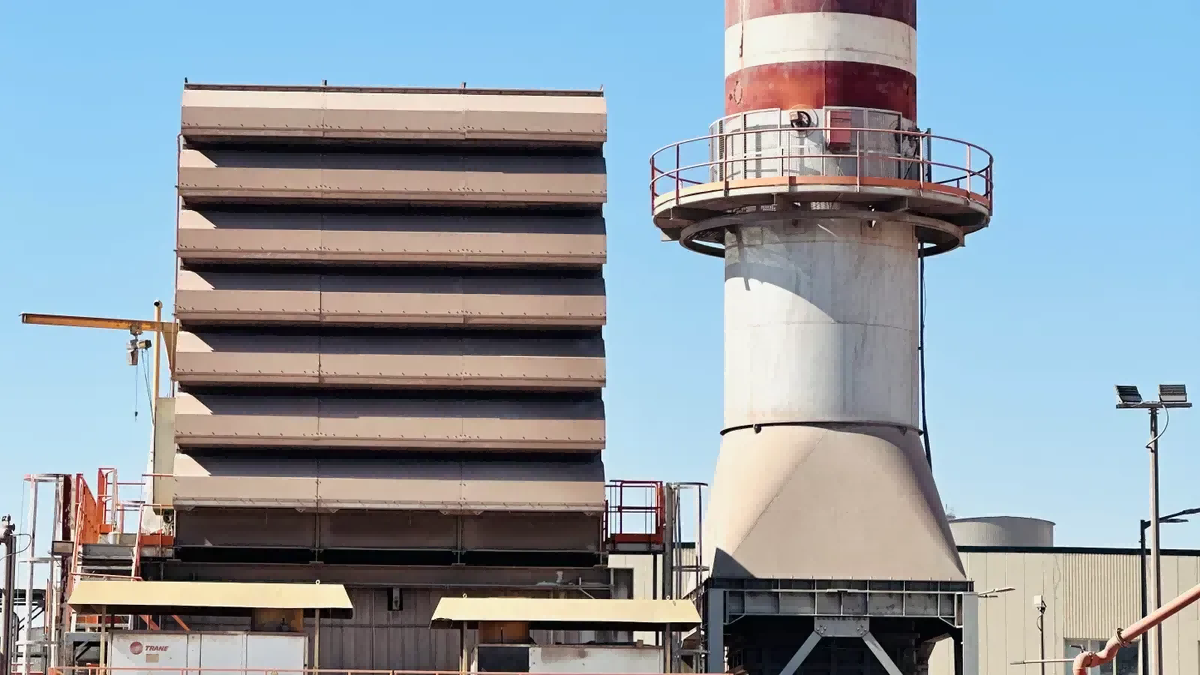
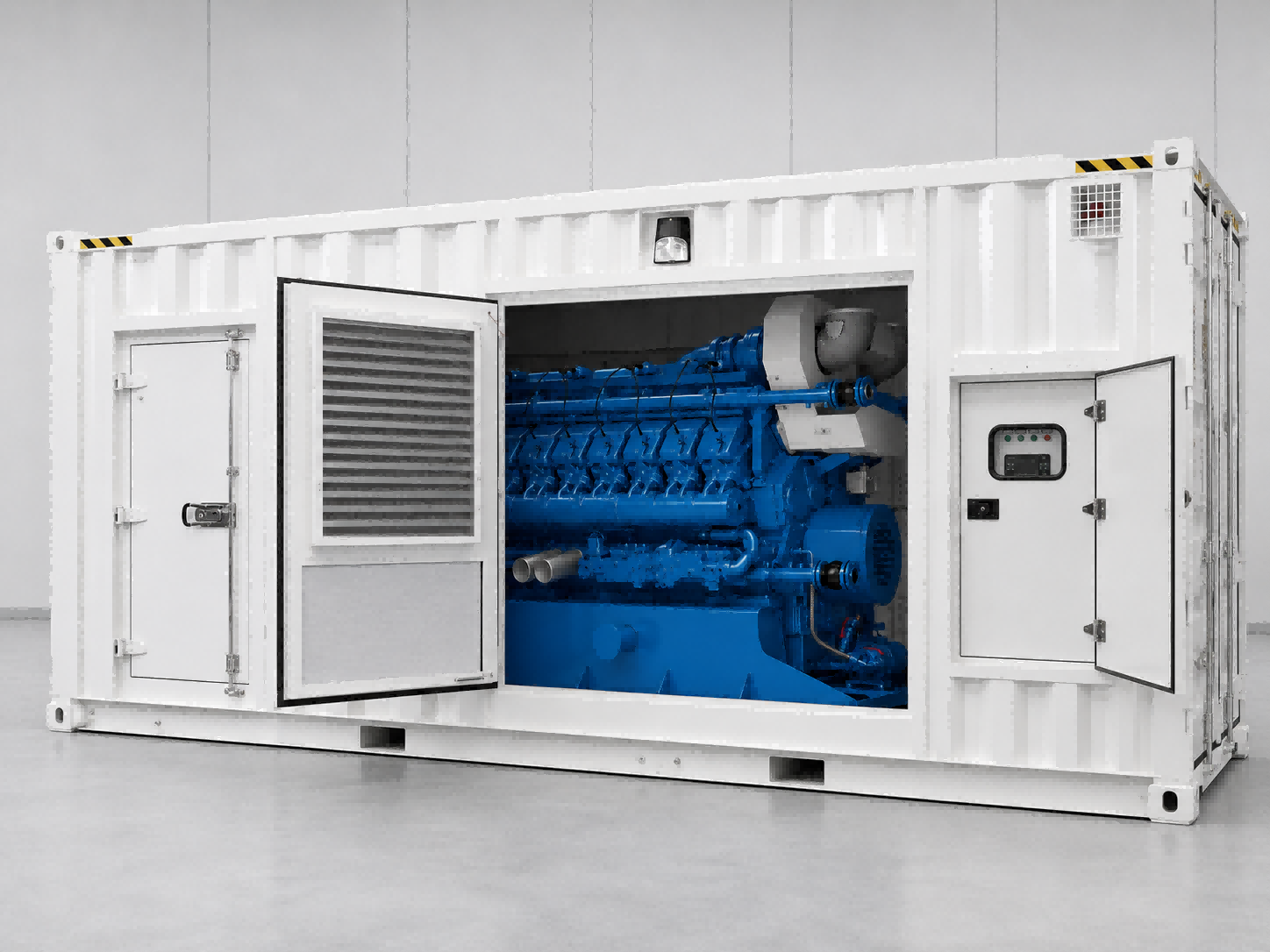
AI computing facilities in 2026 will need high-capacity, reliable generator sets to meet unprecedented energy demands. Modern AI chips can consume up to 1200W per processor, with single AI racks requiring as much as 80kW of sustained power. Facilities must prioritize scalability, redundancy, and energy efficiency as workloads grow. Leading brands like SWT, Caterpillar, Cummins, and Rolls-Royce offer advanced solutions. Integration with renewable energy is also essential for reducing emissions.
| Aspect | Details |
|---|---|
| Power Consumption (AI Chips) | 700W–1200W per processor |
| Power Demand (AI Racks) | Up to 80kW sustained power |
| Redundancy Configurations | N+1 or 2N for backup and resilience |
| Environmental Impact | Million tokens = emissions from driving 5–20 miles |
- AI computing facilities require high-capacity generator sets to meet increasing power demands. Choose systems that can handle up to 80kW per rack.
- Redundancy is crucial for reliability. Use configurations like N+1 or 2N to ensure backup power during outages.
- Integrate renewable energy sources with generator sets to enhance sustainability and reduce emissions. Consider options like solar and battery storage.
- Smart monitoring technologies help maintain uptime. Use real-time insights to optimize power usage and quickly address issues.
- Select generator sets based on power needs, efficiency, and compliance with environmental regulations. Plan for future scalability to adapt to growing workloads.
Key Requirements for AI Facilities
Power and Scalability
AI computing facilities require much more power than traditional data centers. Each AI processor can use up to 1200W, and a single rack may need 80kW or more. These high demands make it important to choose generator sets that can scale as the facility grows. Advanced generator systems are designed to handle variable and sustained energy needs. Operators often use multiple generators in different configurations to ensure enough power is always available. The table below shows common setups:
| Configuration | Description |
|---|---|
| N+1 | Multiple generators ensure that if one fails, others can take over, providing redundancy. |
| 2N | Double the necessary generators for maximum reliability. |
| Dual-fuel | Systems that can operate on natural gas or hydrogen, offering flexibility and cleaner emissions. |
Facilities must plan for future growth. Scalable backup solutions help adapt to sudden spikes in demand or changes in technology.
Reliability and Redundancy
Continuous operation is critical for AI workloads. Even a short power outage can disrupt training and data processing. Permanent backup generators form the backbone of long-term resilience. Many sites use integrated energy campus designs, building redundancy into the infrastructure from the start. A multi-source campus model combines grid power, renewables, battery storage, and onsite generation. This approach balances loads and provides failover during emergencies. Battery Energy Storage Systems (BESS) offer instant backup, smoothing out power fluctuations. Dual power paths and automated failover systems ensure uninterrupted service for mission-critical operations.
Efficiency and Sustainability
Efficiency and sustainability are now top priorities for AI facilities. Dual-fuel generators can switch between natural gas and hydrogen, reducing emissions. On-site power generation lowers dependence on congested utility grids and speeds up deployment. Advanced monitoring systems track energy use in real time, helping operators respond quickly to any issues. Many facilities also integrate renewable energy sources and battery storage to further cut their carbon footprint. These strategies support both operational goals and environmental responsibility.
Generator Set Technologies
Diesel vs. Gas vs. Hybrid
Choosing the right generator set for an AI computing facility depends on efficiency, emissions, and market trends. Diesel generators remain the most common choice. They offer robust performance and quick response times. However, gas generator sets are gaining popularity due to their lower emissions and improved fuel efficiency. In a simulation, a 250 MW natural gas system produced 430 gCO2 per kWh, which is about 29% higher than ERCOT grid power. This matters for facilities aiming to reduce their carbon footprint. Hybrid generator sets combine diesel and gas or use dual-fuel technology. These systems provide flexibility and can switch fuels to meet environmental regulations. Rolls-Royce has adapted diesel engines to run on sustainable fuels like hydrogenated vegetable oil, which lowers emissions without sacrificing reliability. Gas gensets, such as the MTU Series 4000, can reach full load in 120 seconds, making them ideal for emergency backup.
- Diesel generators dominate the market.
- Gas and bi-fuel generator sets are becoming more popular for environmental compliance.
Renewable Integration
AI computing facilities often integrate renewable energy sources with generator sets to improve sustainability. Common sources include:
- Solar energy
- Wind energy
- Fossil gas generators
Battery energy storage systems (BESS) play a key role. They provide instant backup power and stabilize the energy supply. For example, Google replaced traditional diesel generators with a 2.75 MW / 5.5 MWh battery storage system. This upgrade delivers an immediate response and supports ancillary services. Battery storage also reduces Scope 2 emissions by over 100,000 tonnes annually. It helps facilities operate reliably before full grid upgrades are finished.
Tip: Battery storage enhances generator set reliability by responding instantly to power demands and stabilizing power quality during grid events.
Smart Monitoring
Smart monitoring technologies are essential for maintaining uptime in AI computing facilities. These systems offer real-time insights into power usage, generator set health, and performance. Intelligent power management software can automatically manage loads during emergencies. Remote monitoring and automatic transfer switches allow operators to assess operational status quickly and address issues as they arise. Smart monitoring optimizes power distribution and ensures continuous operation, which is critical for sensitive AI workloads.
Top Generator Set Brands
SWT Overview
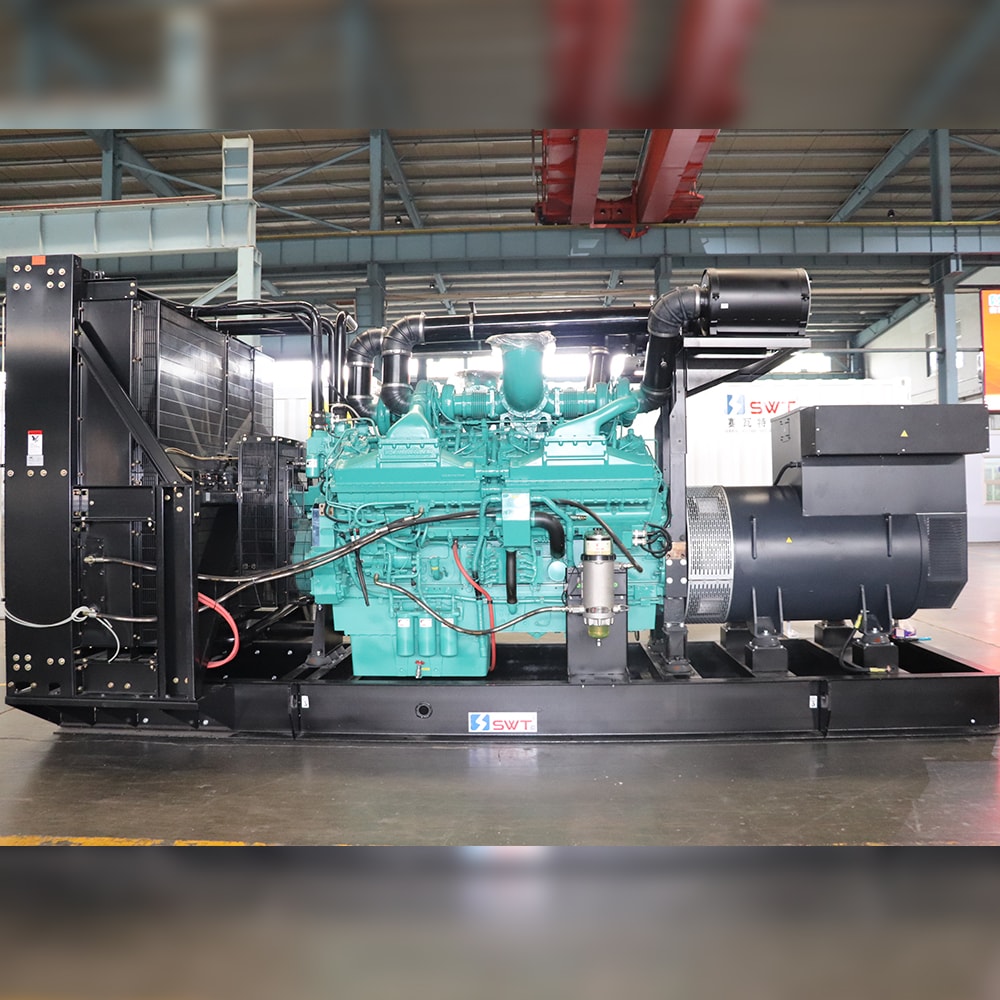
SWT stands out as a leading manufacturer in the power generation industry. The company has over 30 years of experience and a strong reputation for delivering reliable solutions. SWT produces both diesel and gas generator sets, as well as mobile lighting towers. The product range covers outputs from 8.3kVA to 3781kVA. This wide range allows SWT to serve many sectors, including AI computing facilities, data centers, oil and gas, and power plants.
SWT places a strong focus on innovation and quality. The research and development team uses advanced technology to improve performance and reliability. Customers can choose from flexible configurations, such as OEM, containerized, and silent options. These features help meet the unique needs of each project.
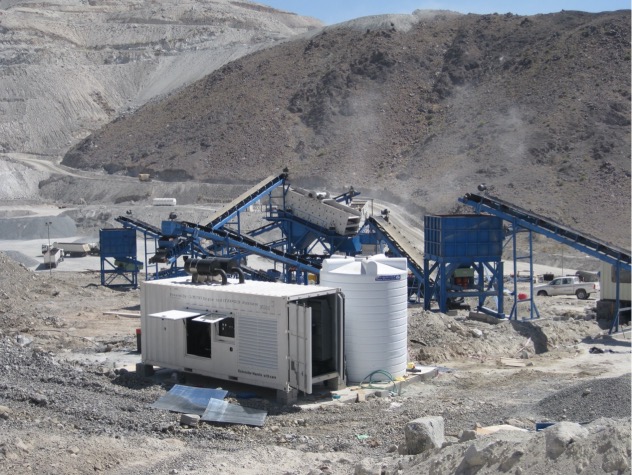
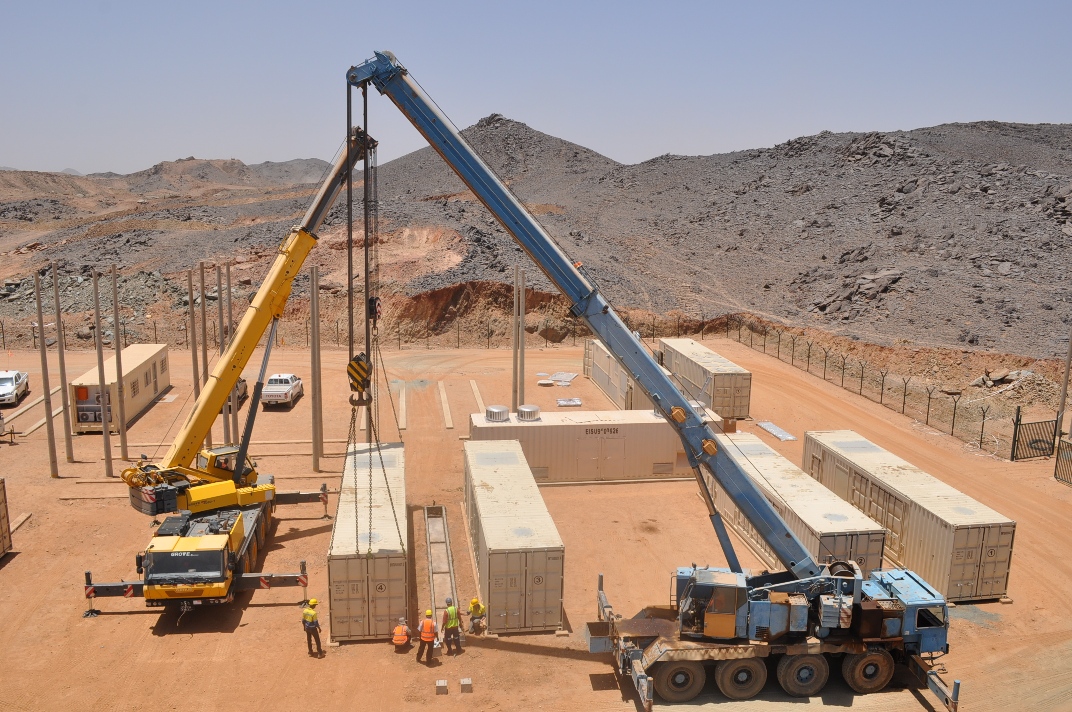
SWT has completed thousands of projects worldwide. The company has supplied backup power for major data centers and built a 12MW gas power plant in Nigeria. SWT’s track record in demanding environments, such as telecom and mining, shows its ability to deliver dependable power. The company also supports sustainable energy practices. Many products are designed to reduce emissions and support eco-friendly operations.
Note: SWT offers tailored recommendations and free design assistance to help customers develop their projects with confidence.
Leading Models Comparison
Several brands compete in the global market for generator sets. Each brand brings unique strengths and features. The table below compares SWT with Caterpillar, Cummins, and Rolls-Royce (mtu). It highlights key models, power ranges, prices, and special features.
| Manufacturer | Key Models / Series | Power Range (kVA) | Price Level | Key Strength & Identity | Warranty Terms* |
|---|---|---|---|---|---|
| SWT | SDC, SGC, SGC-G, SDC-G | 8.3 – 3781 | $$$ | Flexible configurations, global track record, R&D focus | Up to 2 years/2000 hrs |
| Caterpillar (CAT) | C Series, XQ Series | 10 – 4000+ | $$$$ | Unmatched durability, global parts network | Up to 2 years/2000 hrs |
| Cummins (CPG) | QSK, C Series, HSK78G | 7 – 3750 | $$$$ | Fully integrated system, “Power of One.” | Up to 2 years/2000 hrs |
| MTU (Rolls-Royce) | Series 4000, 1600, 2000 | 30 – 4000+ | $$$$ | Best load acceptance, HVO compatibility | Up to 2 years/2000 hrs |
*Warranty terms may vary by region and application.
SWT offers a competitive price point while maintaining high quality and flexibility. Caterpillar is known for its durability and extensive parts network. Cummins provides fully integrated systems, which can simplify maintenance and operation. Rolls-Royce (mtu) stands out for fast load acceptance and compatibility with sustainable fuels.
When choosing a generator set for an AI computing facility, decision-makers should consider power range, reliability, price, and support services. SWT’s proven performance in global projects and its focus on customer needs make it a strong choice for modern data centers.
Choosing the Right Generator Set
Assessing Power Needs
Selecting the right generator set starts with understanding the energy requirements of your facility. AI computing centers have unique demands. Operators must plan infrastructure based on power composition and sustainability. Customizing the energy mix is important. Facilities may use solar, wind, or hydrogen to match workloads. Reliable power prevents disruptions and protects equipment. Location also affects power availability and compliance.
| Criteria | Description |
|---|---|
| Energy Infrastructure Planning | Infrastructure must start with the unique energy needs of AI, including power composition and sustainability. |
| Energy Mix Customization | Tailor the energy mix (solar, wind, hydrogen, etc.) based on the specific workloads of the AI data center. |
| Power Reliability | Ensuring reliable power is critical to avoid disruptions that can lead to data loss or hardware damage. |
| Location Considerations | The site of the data center affects power availability, scalability, and compliance with environmental regulations. |
Facility size and workload also impact generator set selection. Hyperscale data centers often require heavy-duty generators from 3MW to 4MW. Edge data centers use compact, containerized generators for rapid deployment. AI workloads continue to increase power density, sometimes reaching 100 kW per rack.
| Data Center Type | Generator Size (MW) | Key Characteristics |
|---|---|---|
| Hyperscale Data Centers | 3MW to 4MW | Heavy-duty diesel generators for centralized AI and cloud clusters. |
| Edge Data Centers | 1MW to 1.5MW | Compact, containerized generators for rapid deployment and urban constraints. |
| AI Workloads | Increasing demand | Modern HPC and AI clusters have power densities rising to 100 kW and beyond. |
Cost and Compliance
Total cost of ownership includes purchase price, installation, fuel, maintenance, and upgrades. Operators must consider long-term expenses. Compliance with environmental regulations is essential. Generator sets must meet standards such as the Clean Air Act. Stationary combustion turbines and engines follow New Source Performance Standards (NSPS) and National Emission Standards for Hazardous Air Pollutants (NESHAP). Portable engines have separate air emission standards.
- Generator sets in AI computing facilities must comply with the Clean Air Act.
- Stationary combustion turbines and engines are subject to NSPS for air emissions.
- These turbines and engines must also adhere to NESHAP.
- Portable engines (nonroad engines) are subject to separate air emission standards.
Future-Proofing
Facilities must plan for future growth. Scalability ensures that power systems can expand as workloads increase. Sustainable solutions help reduce emissions and meet regulatory requirements. Operators should choose generator sets that support renewable integration and advanced monitoring. Investing in flexible and eco-friendly systems prepares facilities for evolving AI demands.
Tip: Consider generator sets with modular designs and renewable compatibility to support future AI workloads and environmental goals.
Diesel generators remain a top choice for AI computing facilities. They offer quick deployment and strong reliability under established industry standards.
Trusted brands like SWT deliver scalable and sustainable solutions for future growth. Use the following criteria to guide your selection:
| Key Criteria | Description |
|---|---|
| Power Capacity | Assess total power needs, including average and peak loads. |
| Reliability Standards | Follow industry standards for operational reliability. |
| Efficiency and Fuel Type | Compare operational costs and fuel options. |
| Scalability | Choose systems that allow modular expansion. |
| Expert Consultation | Work with experts to customize your solution. |
FAQ
What size generator set does an AI data center need?
The required size depends on the total rack power and redundancy needs. Most AI data centers use generators from 1MW to 4MW. Operators should calculate peak loads and plan for future expansion.
How do generator sets support renewable energy integration?
Generator sets can work with solar, wind, or battery systems. Hybrid setups allow seamless switching between sources. This approach reduces emissions and improves energy reliability.
Which fuel type is best for AI computing facilities?
Diesel offers fast response and reliability. Gas generators provide lower emissions. Dual-fuel and hybrid models combine both benefits. The best choice depends on local regulations and sustainability goals.
How often should generator sets be maintained?
Regular maintenance ensures reliability. Most manufacturers recommend inspections every 250 to 500 hours of operation. Always follow the service schedule in the user manual.
Are SWT generator sets suitable for large-scale AI workloads?
Yes. SWT offers generator sets up to 3781kVA. These models support high-density AI racks and scalable deployments. Flexible configurations meet the needs of both hyperscale and edge data centers.