Lighting towers are portable structures equipped with powerful lights that elevate to illuminate large outdoor areas. Their primary function is to improve visibility during nighttime or low-light conditions. These towers operate efficiently by combining mobility with advanced lighting technology, making them ideal for various industries. The global market for lighting towers continues to grow, driven by increasing demand in construction, events, and industrial sectors. Their role in enhancing safety and operational efficiency makes them indispensable in many environments.
Key Takeaways
- Lighting towers provide essential illumination for outdoor areas, enhancing safety and productivity during nighttime operations.
- Modern lighting towers often use energy-efficient LED technology, reducing energy costs and extending the lifespan of the lights.
- Portable and easy to set up, lighting towers are ideal for construction sites, outdoor events, and emergency response situations.
- Choosing the right lighting tower depends on factors like application needs, power source, and required brightness levels.
- Regular maintenance and proper setup of lighting towers ensure reliable performance and safety in various environments.
Lighting Tower Basics
What Is a Lighting Tower
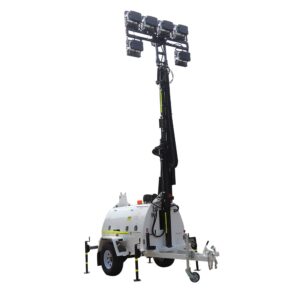
A lighting tower is a specialized piece of equipment designed to provide powerful illumination over large outdoor spaces. It consists of several key components that work together to deliver bright, reliable light in areas where permanent lighting is not available. Lighting towers are essential for construction sites, outdoor events, emergency response, and industrial operations. They help ensure safety and productivity during nighttime or low-light conditions.
The main components of a lighting tower each play a vital role in its function. The table below outlines these parts and their contributions:
| Component | Function |
|---|---|
| Lighting System | Provides illumination with high-powered bulbs for various applications. |
| Generator | Supplies power to the lights and equipment, can use various fuels. |
| Extendable Mast | Elevates lights for wide-area illumination, often hydraulic for ease. |
| Fuel Tank | Stores fuel for the generator, ensuring extended operation. |
| Control Panel | User interface for managing lights and generator operations. |
| Trailer/Frame | Base for portability, allowing easy transportation of the unit. |
Lighting towers are portable and can be moved easily from one location to another. This mobility makes them ideal for temporary setups and changing work environments. Unlike fixed lighting systems, a lighting tower does not require permanent installation, which saves time and resources.
How Lighting Towers Work
Lighting towers operate by combining advanced lighting technology with a robust support system. The process begins with the generator, which supplies power to the lighting system. The extendable mast raises the lights to a height that allows for maximum coverage. The control panel lets users adjust the settings and monitor the operation of the light tower.
Modern lighting towers often use LED technology. LEDs consume 60-80% less energy than traditional metal halide bulbs while providing the same level of illumination. For example, a 150-watt LED can match the brightness of a 400-watt metal halide bulb. This efficiency reduces energy costs and extends the lifespan of the lighting system, with LEDs lasting up to 100,000 hours.
The table below compares different light sources used in lighting towers:
| Type of Light Source | Energy Consumption | Light Output |
|---|---|---|
| Traditional Metal Halide | High | 20,000 lumens |
| LED in Lighting Towers | 60-80% less | Equivalent lumens |
| LED Lifespan | 50,000-100,000 hours | Longer than Metal Halide |
Lighting towers achieve portability and efficiency through several features:
- Mobile solar towers are easy to transport and set up, making them suitable for temporary or changing locations.
- They can operate autonomously using solar energy, which lowers operational costs and reduces environmental impact.
- Traditional lighting systems often depend on grid electricity or diesel generators, which can limit placement and increase complexity.
Lighting towers come in different types, each designed for specific applications. The table below shows some common types and their uses:
| Type of Lighting Tower | Design Features | Applications |
|---|---|---|
| High Mast Lighting Towers | Tall structures for extensive coverage | Highways, sports arenas |
| Solar Light Towers | Portable, energy-efficient | Construction sites, flexible lighting |
Most lighting towers are portable and suitable for various environments. They are energy-efficient and reduce reliance on diesel fuel. These features make them ideal for construction sites and other locations that require flexible lighting solutions.
Tip: Switching to LED lighting towers can save money and reduce maintenance needs due to their long lifespan and lower energy consumption.
Lighting towers play a crucial role in ensuring safety and visibility in many industries. Their advanced technology, portability, and efficiency make them a preferred choice for temporary and permanent lighting needs.
Lighting Tower Components
Base and Mast
The base and mast form the foundation of every lighting tower. The base provides stability and supports the entire structure. Manufacturers often use high-strength galvanized steel and lightweight aluminum alloy for these parts. These materials offer excellent wind resistance and durability. Steel and aluminum are preferred because they withstand harsh environmental conditions and ensure the tower remains upright during storms or heavy winds.
- Galvanized steel resists corrosion and extends the service life of the tower.
- Aluminum alloy reduces overall weight, making transportation easier.
- Durable materials help lighting towers operate reliably in demanding locations.
A self-contained unit often includes a robust base and mast, allowing for quick setup and safe operation. Proper maintenance, such as daily inspection and regular cleaning, keeps these components in good condition. Lubrication prevents wear, and careful storage protects the tower from environmental damage.
Light Source and Technology
Lighting towers use advanced technology to deliver bright and efficient illumination. Modern towers feature high-grade LED systems and energy-efficient solar panels. These advancements improve performance and reduce energy consumption. The integration of smart control systems allows real-time monitoring and automated scheduling.
| Advancement Type | Description |
|---|---|
| Advanced Equipment Manufacturing | High-grade LED systems and solar panels for demanding applications. |
| Energy Monitoring System Integration | Smart sensors and analytics for predictive maintenance. |
| Digital Asset Integration | Real-time sensor data optimizes performance and maintenance. |
| Pilot-to-Field Deployment Transition | Phased testing of new technologies before full-scale deployment. |
| Technological Advancements | Innovations in energy storage and smart controls enhance efficiency and usability. |
Lighting towers are often self-contained, meaning they include all necessary components for independent operation. IoT connectivity tracks performance and battery status. Automated scheduling and predictive maintenance improve operational efficiency. Regular battery checks and engine inspections ensure continuous power supply and stable operation.
Tip: Engage professional maintenance experts for comprehensive inspections to detect and address deep-seated issues, ensuring long-term reliability.
Uses of Light Towers
Construction Sites
Lighting towers play a vital role in construction sites. Workers often face low-light conditions during nighttime hours or in areas with limited natural light. Light towers improve visibility across large spaces, making it easier to spot hazards and equipment. Enhanced security is achieved by illuminating the perimeter and work zones, which helps prevent accidents and theft. Teams can continue building infrastructure after dark, allowing projects to stay on schedule. Construction & infrastructure projects benefit from continuous lighting, which supports night operations and reduces downtime.
- Lighting towers create safer environments by highlighting potential dangers.
- Light towers enable crews to work efficiently during nighttime hours.
- Enhanced security reduces risks and supports productivity.
Outdoor Events
Outdoor events require reliable illumination to ensure safety and enjoyment for attendees. Light towers provide bright lighting for concerts, festivals, and sporting events. Organizers use lighting towers to cover large areas, including parking lots and walkways. Enhanced security is important for crowd control and emergency response. Light towers help rescue teams locate people quickly during rescue missions. Infrastructure support from lighting towers allows events to run smoothly, even during night operations.
Note: Lighting towers are essential for low-visibility environments, helping event staff manage crowds and respond to emergencies.
Mining and Industrial Applications
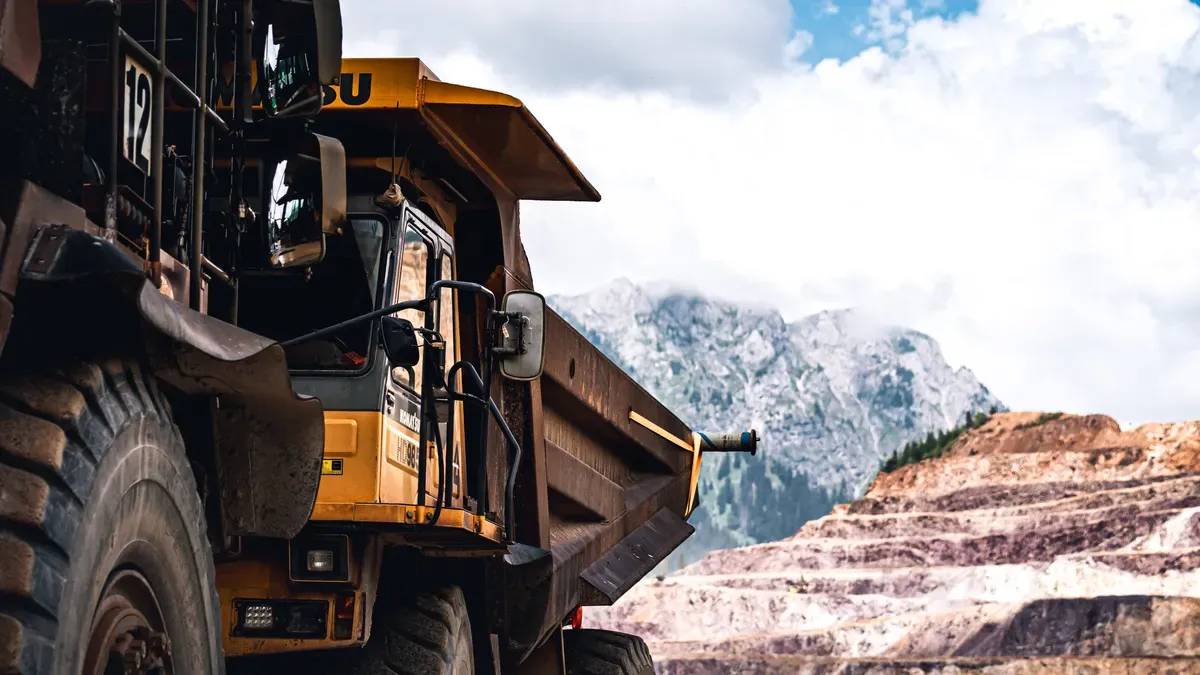
Mining and industrial sites often operate in low-visibility environments. Lighting towers deliver powerful illumination during dusk and night. Workers rely on light towers to carry out tasks safely and maintain productivity. Infrastructure projects in mining benefit from extended working hours, as lighting towers allow operations to continue during nighttime operations. Rescue missions in industrial settings depend on light towers for clear visibility and quick response.
- Light towers ensure safety by providing adequate illumination.
- Lighting towers support rescue efforts and operational efficiency.
- Infrastructure development is accelerated with reliable lighting.
Types of Lighting Towers
Portable Light Towers
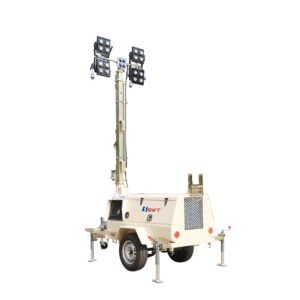
Portable light towers are designed for quick deployment and easy movement across different sites. These mobile light towers are essential for emergency response, construction, and outdoor events. They provide reliable lighting in areas where permanent fixtures are not available. The SWT IK Cube Series and i9T Series represent compact, space-saving solutions that deliver high brightness without sacrificing portability. Mobile light towers can illuminate search and rescue operations, medical treatment zones, and evacuation routes. Their lightweight frames and trailer-mounted bases allow for fast relocation, making them ideal for temporary command centers and disaster relief efforts.
Tip: Portable lighting towers help teams respond quickly during emergencies, ensuring critical areas remain visible and safe.
Hybrid and Solar Light Towers
Hybrid and solar light towers combine advanced technology with environmental responsibility. These mobile light towers operate independently of the power grid, making them suitable for remote or off-grid locations. The SWT HVS Hybrid Series and SV9 LED Solar Light Tower use hybrid power sources and solar panels to reduce emissions and lower fuel consumption. These towers can run silently, which is important for noise-sensitive environments like hospitals or schools. Hybrid models can achieve at least eight hours of runtime at full capacity without generator support. They also feature energy-saving LEDs and motion sensors, further reducing environmental impact.
| Type | Description |
|---|---|
| Hybrid Light Towers | Use both diesel and electric power for flexible, efficient operation. |
| Solar Light Towers | Rely on solar energy for silent, zero-emission lighting in any location. |
Sustainability is a key advantage. Hybrid and solar towers can save over 5,400 liters of diesel fuel and cut CO₂ output by nearly 14,700 kilograms each year.
Heavy-Duty and Mining Light Towers
Heavy-duty and mining light towers are engineered for extreme environments. The SWT HTM Mining Series, TN Series, MLT Series, and HVP/HVL Mining Series deliver high-performance light towers that withstand harsh conditions. These mobile light towers provide bright, focused illumination, minimizing shadows and blind spots. Workers can operate safely and efficiently, even in underground or remote mining sites. Durability is a priority, with rugged designs and weather-resistant materials ensuring reliable operation. These towers meet industry safety standards and can be repositioned as mining operations change.
- Enhanced safety through powerful, consistent lighting.
- Improved productivity with round-the-clock visibility.
- Cost-effective operation due to energy efficiency and mobility.
- Long-lasting performance in demanding locations.
Note: Mobile light towers from SWT offer advanced features and robust construction, making them suitable for the toughest jobs.
Improved Safety and Choosing the Right Lighting Tower
Benefits of Lighting Towers
Lighting towers play a crucial role in creating safer work environments. Sites that use tower lights see a 30% reduction in accidents during low-light conditions. In contrast, accidents occur 50% more often in areas with poor lighting. This shows how important lighting towers are for improved safety and better visibility at night.
The main benefits of lighting towers include:
| Benefit | Description |
|---|---|
| Enhanced Safety | Delivers bright, focused illumination that reduces shadows and blind spots, helping workers avoid hazards. |
| Improved Productivity | Enables teams to work efficiently at any hour, supporting faster and more accurate task completion. |
| Cost-Effectiveness | Offers energy-efficient and portable solutions, lowering infrastructure and operational costs. |
| Versatility and Mobility | Allows quick repositioning, ensuring critical areas always receive consistent illumination. |
| Durability and Reliability | Withstands harsh environments, providing uninterrupted lighting in demanding situations. |
| Compliance and Standards | Helps meet industry safety regulations by delivering consistent illumination and improved visibility. |
Lighting towers also provide consistent illumination, which is essential for maintaining safety and productivity. Their advanced features, such as LED lights and smart controls, help reduce downtime and maintenance needs. Modern designs include sealed hydraulic masts and brushless motors, which further improve reliability.
Sites with lighting towers experience fewer accidents and higher productivity due to better visibility and consistent illumination.
How to Select a Light Tower
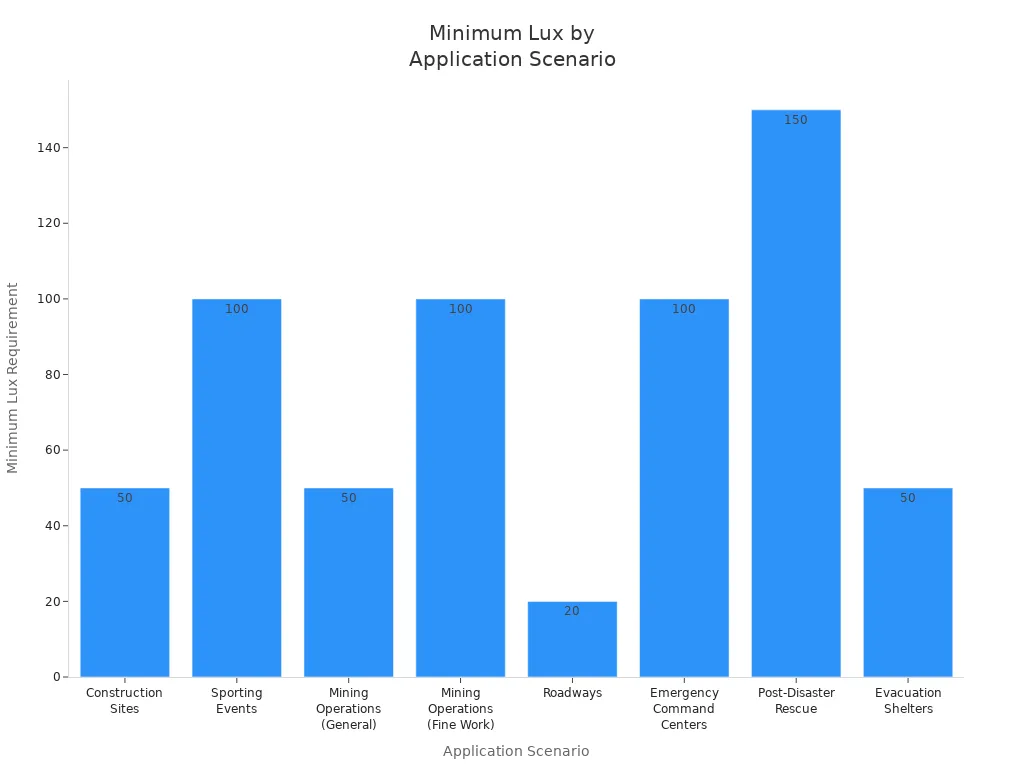
Choosing the right lighting tower depends on several factors. The application environment, power source, and specific lighting needs all play a role. For example, construction sites require at least 50 lux, while sporting events need over 100 lux for proper illumination. Mining operations may need up to 150 lux for fine work. The chart below shows the minimum lux requirements for different scenarios:
Other important criteria include:
- Mast height, which affects the area illuminated.
- Brightness, measured in lumens, determines how well the site is lit.
- Operating costs, influenced by fuel type and maintenance needs.
- Mobility, which is important for sites that require frequent movement.
- Eco-friendliness, ensuring compliance with environmental standards.
- Runtime, or how long the tower can operate before refueling or recharging.
The choice of power source also impacts operational cost and sustainability. Hybrid and solar-powered lighting towers use up to 41% less fuel than diesel models, resulting in lower emissions and less frequent refueling. These towers help achieve sustainability goals and reduce environmental impact.
Safety features are another key consideration. Look for towers with stabilization options, hazardous gas detection systems, and UL certification. These features ensure safe operation in hazardous environments.
Tip: For maximum coverage and energy savings, place lighting towers with at least 3 meters of clearance from obstacles and use IoT-enabled controls for remote monitoring.
Lighting towers provide improved safety, better visibility, and consistent illumination for a wide range of applications. Selecting the right model ensures reliable performance and supports both safety and productivity.
Lighting towers offer essential benefits for safety, productivity, and sustainability. The table below highlights key advantages:
| Key Advantage | Description |
|---|---|
| Enhanced Safety and Visibility | Provides consistent illumination, reducing accident risks and ensuring compliance with safety regulations. |
| Increased Productivity and Efficiency | Allows for extended working hours, improving timelines and productivity on projects. |
| Energy Efficiency and Sustainability | Features LED and solar options, reducing energy consumption and operational costs. |
| Easy Mobility and Quick Setup | Compact and towable designs enable quick relocation and setup, ideal for dynamic environments. |
| Durability and Reliability | Built to withstand harsh conditions, ensuring dependable performance in various environments. |
SWT lighting tower models deliver reliable performance and eco-friendly solutions for diverse projects. For personalized advice or more information on selecting and maintaining lighting towers, consult expert guides or reach out to industry professionals.
FAQ
What is the typical runtime of a lighting tower?
Most lighting towers run for 8 to 24 hours on a full tank or charge. Hybrid and solar models, like the SWT HVS Hybrid Series, can operate even longer with efficient energy management.
How do I maintain a lighting tower?
Regular maintenance includes checking fuel or battery levels, cleaning lights, inspecting the mast, and testing controls. Schedule professional inspections for optimal performance.
Can lighting towers be used in extreme weather?
Yes. SWT lighting towers feature galvanized steel and weather-resistant materials. These towers perform reliably in rain, wind, and dust, making them suitable for harsh environments.
Are lighting towers environmentally friendly?
| Model Type | Eco Feature |
|---|---|
| Hybrid/Solar | Reduced emissions |
| LED Technology | Lower energy use |
SWT offers hybrid and solar models that minimize environmental impact and support sustainability goals.