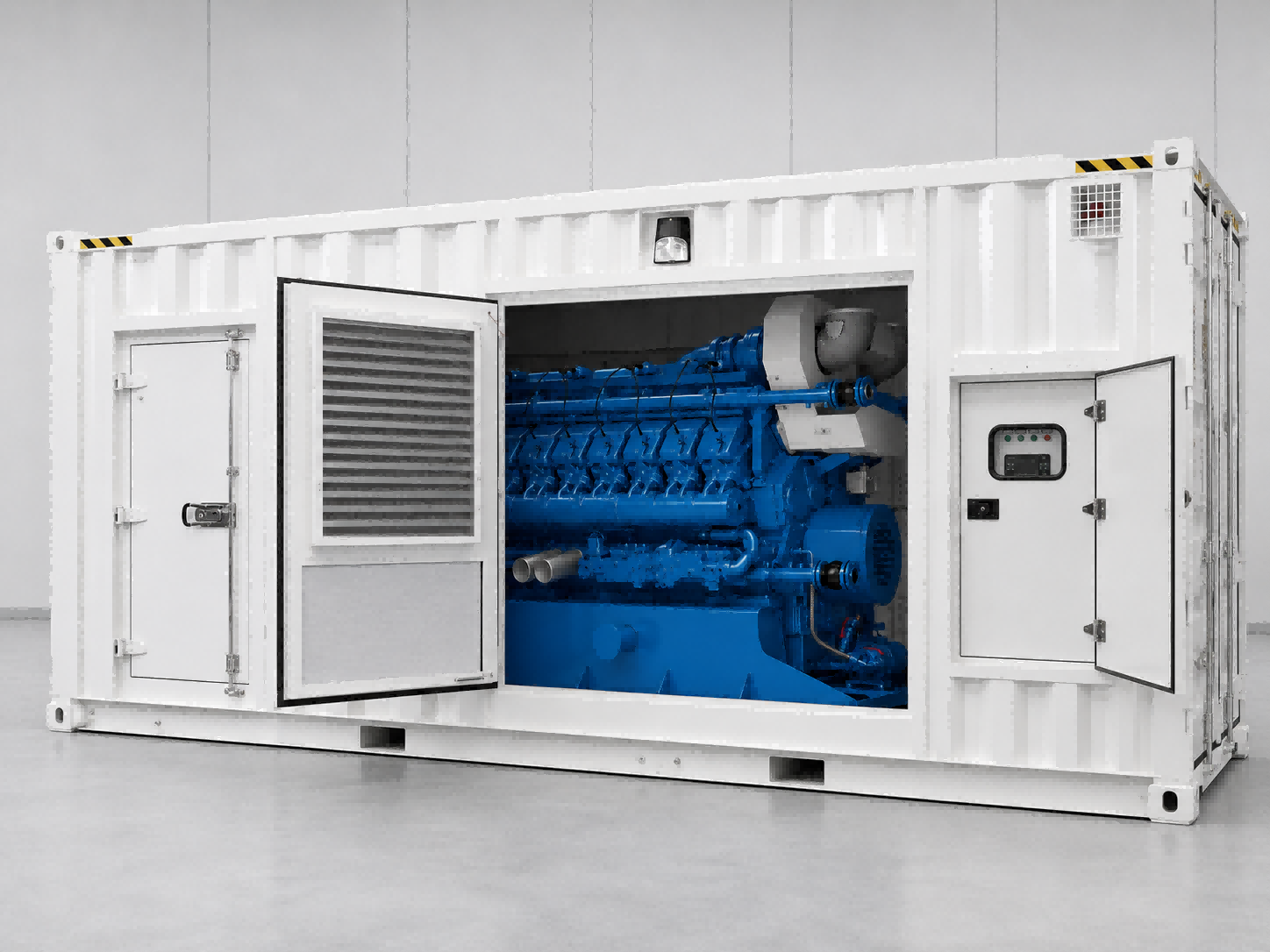
Maintaining gas genset solutions supports reliable factory power and reduces unexpected downtime. SWT Gas Genset delivers efficient performance with a focus on clean energy. Regular care for natural gas generators extends equipment life and keeps energy costs low. Factory managers and maintenance teams can prevent minor issues from escalating by following routine checks. SWT offers a wide range of robust options for industrial use. Both daily inspections and expert servicing help maximize efficiency and minimize emissions.
- Routine inspections detect problems early, reducing repair costs.
- Proper battery care ensures reliable generator starts.
- Load testing prevents failures during emergencies.
Routine Maintenance for Gas Genset Solutions
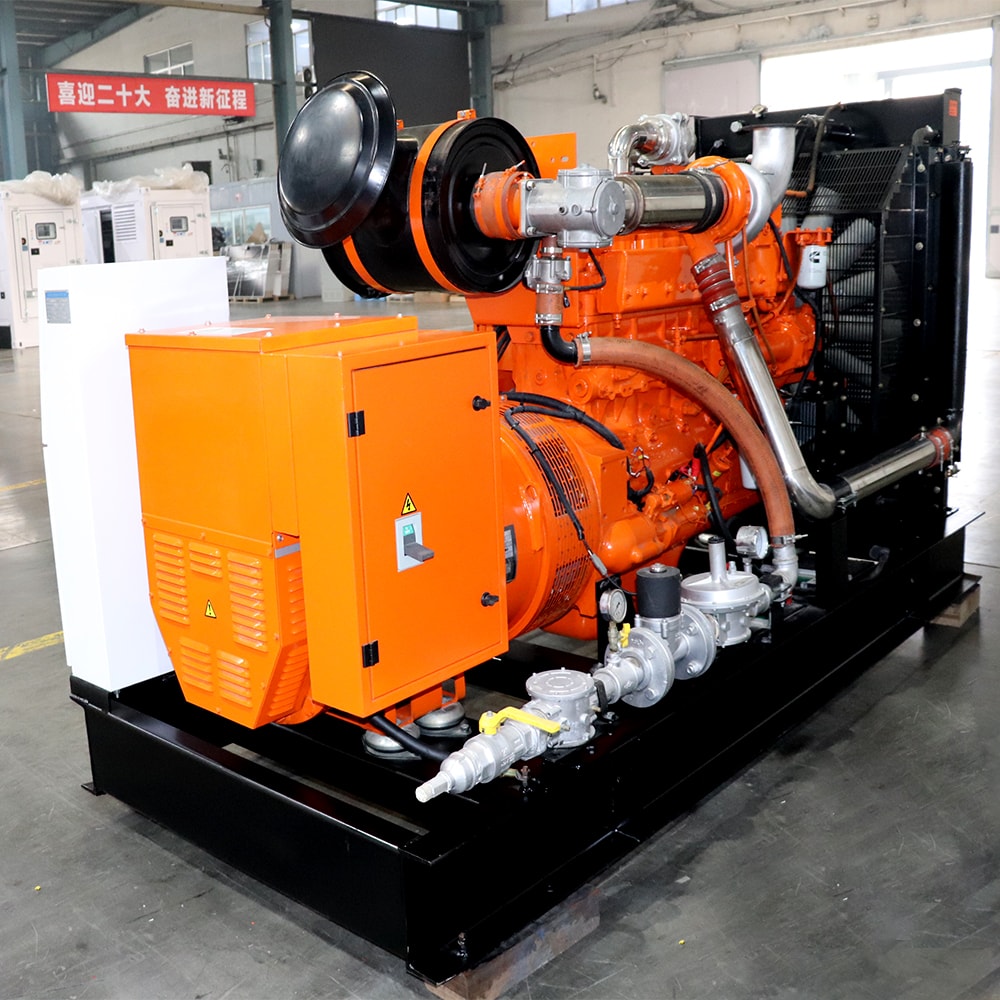
SWT Gas Genset offers a comprehensive lineup, including the Yuchai, JENBACHER, Cummins, SSN, SCN, and SPN series. These natural gas generators are designed for reliability, sustainability, and high energy efficiency. Regular maintenance is essential for all SWT models to ensure consistent performance and to support onsite gas generation in factories. Routine checks help maximize uptime, reduce emissions, and extend equipment life.
Daily Visual Checks
Leaks and Damage
Start each day with a visual inspection of the generator. Look for oil, coolant, or fuel leaks around the unit. Check for cracks, soft spots, or brittleness in hoses and fuel lines. Early detection of leaks prevents costly repairs and environmental hazards. Make sure all parts are secure and unobstructed.
Indicator Lights and Gauges
Observe all indicator lights and gauges on the control panel. These provide immediate feedback on system status. Watch for warning lights or abnormal readings. Consistent monitoring helps catch issues before they escalate.
Weekly System Review
Control Panel Readings
Review the control panel at least once a week. Record voltage, frequency, oil pressure, and coolant temperature. Voltage output should stay within ±5% of the rated value, and frequency should remain steady. This practice ensures the generator operates within safe limits.
Unusual Noises
Listen for any unusual noises during operation. Common warning sounds include:
- Knocking or banging, which may signal loose components.
- Clicking or ticking, often linked to battery or starter issues.
- Grinding, which can result from worn bearings or lack of lubrication.
- Hissing, indicating possible air or gas leaks.
- Squealing or screeching, which may point to belt or alternator problems.
Promptly address any abnormal sounds to prevent further damage.
Monthly Inspection
Belts and Hoses
Inspect drive belts and hoses for wear, cracks, or fraying. Check for proper tension and alignment. Replace any components showing signs of damage. Monthly checks are especially important in demanding environments, as worn belts or hoses can lead to unexpected shutdowns.
Corrosion and Wear
Leaks and corrosion often indicate underlying problems. Technicians should inspect the generator for oil, coolant, or fuel leaks. Corrosion on terminals, connectors, or metal surfaces can lead to electrical failures and reduced performance. Addressing these issues promptly prevents further damage.
Examine the exterior housing and control panel for signs of corrosion or wear. Clean any buildup and tighten loose connections. Document findings and schedule repairs as needed.
Routine maintenance for gas genset solutions prevents common causes of generator failure, such as wear, leaks, and electrical issues. By following these steps, factory managers can ensure reliable operation of natural gas generators and support ongoing energy efficiency.
Oil and Filter Service
Regular oil and filter service is essential for keeping gas genset solutions running smoothly. Clean oil and fresh filters help protect engine parts, improve energy efficiency, and prevent unexpected breakdowns. Following a set schedule for oil changes and filter replacements ensures reliable performance and long equipment life.
Oil Change Intervals
Manufacturer Guidelines
Each SWT Gas Genset model comes with specific oil change recommendations. Always check the operator’s manual for the correct interval. Most manufacturers suggest changing the oil after a set number of operating hours, such as every 250 or 500 hours. Sticking to these guidelines helps prevent low or dirty engine oil, which can trigger sensors that stop the generator from starting.
Tip: Mark oil change dates on a maintenance calendar to avoid missing a service.
Adjusting for Usage
Operating conditions can affect how often oil changes are needed. Factories with heavy loads, high temperatures, or dusty environments may need more frequent oil changes. If the generator runs for long periods or in harsh conditions, check the oil more often. Dirty oil can lead to increased wear, overheating, and even power fluctuations. Monitoring oil quality and adjusting service intervals keeps the generator safe and efficient.
Filter Replacement
Air Filters
Air filters keep dust and debris out of the engine. A clogged air filter restricts airflow, making it harder for the engine to breathe. This can cause starting problems, such as poor combustion or even failure to start. To avoid these issues, inspect air filters monthly and replace them if they look dirty or damaged.
- Signs of a bad air filter:
- Reduced engine power
- Black smoke from the exhaust
- Unusual engine sounds
Fuel and Oil Filters
Fuel and oil filters remove contaminants that can damage engine parts. Dirty fuel filters may block fuel flow, leading to ignition failure or starting problems. Oil filters trap particles that could cause wear or clog oil passages. Replace both filters according to the maintenance schedule, or sooner if you notice performance loss or frequent alarms.
| Filter Type | Check Interval | Replacement Interval |
|---|---|---|
| Air Filter | Monthly | As needed |
| Fuel Filter | Monthly | Every oil change |
| Oil Filter | Monthly | Every oil change |
Note: Clean filters support energy efficiency and reduce the risk of costly repairs.
Proper oil and filter service is a key part of maintaining gas genset solutions. It helps prevent common issues like starting failures, overheating, and power fluctuations, ensuring your factory’s power supply remains stable and efficient.
Fuel System Care
Proper fuel system care is essential for reliable operation and long service life of SWT Gas Genset products. Clean-burning natural gas offers significant environmental benefits, including lower emissions and improved air quality. Regular inspection and maintenance of the fuel system help ensure safe operation and consistent performance.
Fuel Line Inspection
Leaks and Cracks
Inspect fuel lines for leaks and cracks every week. Look for wet spots, discoloration, or the smell of gas near the lines. Even small leaks can reduce efficiency and create safety risks. Replace any damaged sections immediately to maintain a safe work environment.
Tight Connections
Check all fuel line connections for tightness. Loose fittings can cause gas to escape, leading to power loss or hazardous conditions. Use a wrench to gently tighten connections if needed. Always follow the manufacturer’s torque specifications to avoid over-tightening.
Priming and Flow
Priming Steps
Priming ensures that fuel flows smoothly through the system before starting the generator. Follow these steps for proper priming:
- Turn off the generator and allow it to cool.
- Open the fuel supply valve.
- Use the manual priming pump, if equipped, to remove air from the lines.
- Watch for steady fuel flow at the bleed point.
- Close the bleed point and check for leaks.
Tip: Proper priming helps prevent hard starts and supports steady output during operation.
Preventing Blockages
Blockages in the fuel system can disrupt onsite gas generation and cause unexpected shutdowns. Keep the area around the generator clean and free of debris. Schedule regular cleaning of strainers and filters. If you notice reduced performance, inspect the fuel system for obstructions.
Fuel Quality
Storage Tips
Store natural gas in approved containers and keep storage areas dry and well-ventilated. Avoid exposing fuel lines and tanks to extreme temperatures. Label storage tanks clearly and check them for signs of rust or corrosion.
Additives
Some environments may require fuel additives to prevent moisture buildup or improve combustion. Always use additives recommended by the manufacturer. Additives can help maintain the quality of fuel and protect engine components in natural gas generators.
| Maintenance Task | Frequency | Purpose |
|---|---|---|
| Fuel line inspection | Weekly | Detect leaks and damage |
| Priming system | Before start | Ensure smooth fuel flow |
| Filter cleaning | Monthly | Prevent blockages |
| Storage check | Monthly | Maintain fuel quality |
Regular fuel system care is a key part of gas genset solutions. It supports reliable onsite gas generation and helps maintain steady output for factory operations.
Battery and Electrical Checks
Regular battery and electrical checks are essential for reliable operation of SWT Gas Genset solutions. A well-maintained battery ensures the generator starts when needed. Electrical connections must remain clean and secure to prevent power interruptions.
Battery Testing
Voltage and Charge
Check the battery voltage every week. Use a digital voltmeter to measure the voltage at the battery terminals. Most SWT Gas Genset models require a 24V DC system. A fully charged battery should read between 24.6V and 25.2V. If the voltage drops below 24V, the battery may not provide enough power for starting.
Tip: Always test the battery with the generator off and all loads disconnected.
Load Testing
Load testing helps determine if the battery can deliver power under real conditions. Use a battery load tester to apply a controlled load for 10–15 seconds. The voltage should not drop significantly during the test. If the voltage falls below 21V, the battery may be weak or failing. Record the results in your maintenance log for future reference.
Connection Cleaning
Corrosion Removal
Corrosion on battery terminals can block the flow of electricity. Inspect terminals for white or greenish buildup. Clean corrosion using a wire brush and a mixture of baking soda and water. Rinse with clean water and dry thoroughly. Corrosion removal helps maintain a strong electrical connection.
Secure Terminals
Loose terminals can cause voltage drops and unreliable starts. Check that all battery connections are tight and secure. Use an insulated wrench to tighten nuts, but avoid over-tightening. After cleaning and securing, apply a thin layer of petroleum jelly to prevent future corrosion.
| Task | Frequency | Tools Needed |
|---|---|---|
| Voltage check | Weekly | Voltmeter |
| Load test | Monthly | Load tester |
| Terminal cleaning | Monthly | Wire brush, solution |
| Terminal tightening | Monthly | Insulated wrench |
Replacement Guidelines
Signs of Failure
Batteries have a limited lifespan. Watch for these signs of battery failure:
- Slow or failed engine cranking
- Dim indicator lights on the control panel
- Frequent need for jump-starts
- Swollen or leaking battery case
Replace the battery if you notice any of these symptoms. Early replacement prevents unexpected downtime.
Safe Disposal
Dispose of old batteries safely. Lead-acid batteries contain hazardous materials. Take used batteries to an authorized recycling center. Never throw batteries in regular trash. Proper disposal protects the environment and follows safety regulations.
Note: Keeping spare batteries on hand can reduce downtime during emergencies.
Regular battery and electrical checks keep SWT Gas Genset solutions ready for action. Consistent attention to these details supports reliable factory power and long equipment life.
Cooling System Upkeep
A reliable cooling system protects the engine of your SWT Gas Genset from overheating. Proper maintenance ensures stable operation and extends the life of the generator. Cooling system upkeep involves checking coolant levels, cleaning the radiator, and flushing the system at regular intervals.
Coolant Level Check
Topping Up
Coolant keeps the engine temperature within safe limits. Check the coolant level before starting the generator. Use the sight glass or dipstick to measure the fluid. If the level is low, add coolant recommended by the manufacturer. Avoid mixing different types of coolant. Always fill to the marked line.
Tip: Wait until the engine cools before opening the radiator cap. Hot coolant can cause burns.
Leak Detection
Leaks in the cooling system can lead to overheating and engine damage. Inspect hoses, clamps, and the radiator for wet spots or stains. Look for puddles under the generator. If you find leaks, replace damaged parts immediately. Record the location and size of leaks in your maintenance log.
Radiator Cleaning
Dust Removal
Dust and debris block the radiator fins and reduce cooling efficiency. Clean the radiator exterior every week. Use a soft brush or compressed air to remove buildup. Avoid using high-pressure water, which can bend the fins.
- Steps for dust removal:
- Turn off the generator.
- Allow the radiator to cool.
- Brush away loose dust.
- Use compressed air for stubborn debris.
Airflow
Proper airflow is essential for cooling. Check for objects blocking the radiator or air intake. Remove any obstructions. Make sure the fan operates smoothly. If airflow is restricted, the engine may overheat.
| Task | Frequency | Tools Needed |
|---|---|---|
| Dust removal | Weekly | Brush, air blower |
| Airflow check | Weekly | Visual inspection |
System Flushing
When to Flush
Flushing removes old coolant and deposits from the system. Perform a flush every 12 months or after 1,000 operating hours. If coolant appears dirty or rusty, flush the system sooner. Regular flushing prevents corrosion and buildup.
Note: Flushing is important after repairs or coolant changes.
Steps
Follow these steps to flush the cooling system:
- Turn off the generator and let it cool.
- Drain the old coolant into a container.
- Fill the system with clean water and run the generator for 10 minutes.
- Drain the water and repeat if needed.
- Add new coolant and check for leaks.
Dispose of old coolant safely. Use approved recycling centers. Clean coolant supports efficient operation and protects the engine.
Cooling system upkeep is vital for the performance and longevity of SWT Gas Genset solutions. Regular checks and cleaning help prevent overheating and costly repairs.
Running and Testing
Regular running and testing of your SWT Gas Genset ensures that the system stays ready for any power demand. These steps help identify problems early and keep the generator in top condition.
Regular Exercise
Run Intervals
Factory managers should run the gas genset at set intervals, even if there is no power outage. This practice keeps engine parts lubricated and prevents fuel from becoming stale. Most experts recommend running the generator for at least 30 minutes every week.
- Start the generator according to the manufacturer’s instructions.
- Allow the system to reach normal operating temperature.
- Run the generator under load if possible.
Tip: Schedule generator exercise at the same time each week. This routine makes it easier to remember and track.
Performance Monitoring
During each test run, monitor the generator’s performance. Watch for steady voltage and frequency. Listen for unusual sounds and check for warning lights on the control panel. Record the following data:
| Parameter | What to Check |
|---|---|
| Voltage Output | Should match rated value |
| Frequency | Should remain stable |
| Oil Pressure | Within safe operating range |
| Coolant Temperature | No overheating |
If you notice any abnormal readings, stop the generator and investigate the cause. Early detection of issues prevents costly repairs.
Maintenance Logs
Recording Results
Keep a maintenance log for every test run and inspection. Write down the date, time, and results of each activity. Include details such as oil level, battery voltage, and any repairs made. A simple table or notebook works well for this purpose.
Note: Accurate records help track generator health over time and support warranty claims.
Identifying Issues
Review maintenance logs regularly to spot patterns or recurring problems. Look for trends such as frequent low voltage, repeated alarms, or slow starts. These signs may indicate deeper issues that need professional attention.
- Highlight any unusual findings in the log.
- Share records with service technicians during scheduled maintenance.
Consistent running, testing, and record-keeping help ensure that SWT Gas Genset solutions deliver reliable power when your factory needs it most.
Professional Servicing
Scheduling professional servicing is essential for maintaining the reliability and efficiency of SWT Gas Genset solutions. While routine checks handle daily needs, expert attention ensures that natural gas generators continue to deliver peak performance over the long term. Professional technicians bring specialized knowledge and tools that help identify and resolve complex issues.
When to Call Experts
Annual Inspections
Annual inspections by certified technicians are a key part of any energy strategy. These inspections go beyond basic maintenance. Technicians check every system, test safety features, and verify compliance with manufacturer standards. They also review maintenance logs and recommend improvements. Annual servicing helps prevent unexpected failures and extends the life of the equipment.
After Faults
Call experts immediately after any significant fault or shutdown. Professional service teams can quickly diagnose the cause and restore operation. They use advanced diagnostic tools to pinpoint issues that may not be visible during routine checks. Prompt expert intervention reduces downtime and protects factory operations.
Service Scope
Diagnostics
Professional diagnostics involve more than just visual inspection. Technicians use specialized equipment to test electrical systems, fuel delivery, and engine performance. They analyze data from control panels and sensors to detect hidden problems. This process ensures that onsite gas generation remains stable and efficient.
Calibration
Calibration is vital for accurate operation. Service teams adjust sensors, gauges, and control systems to match factory specifications. Proper calibration helps maintain consistent output and reduces the risk of power fluctuations. It also supports compliance with safety and environmental standards.
Note: Regular calibration keeps your generator running at its best and supports long-term reliability.
Service Partnerships
Choosing Providers
Selecting the right service provider is important for ongoing support. Look for companies with experience in maintaining SWT Gas Genset products. Check for certifications, customer reviews, and a proven track record. Reliable providers offer flexible service plans and quick response times.
Contracts
Service contracts provide peace of mind. Contracts outline the scope of work, response times, and costs. They often include scheduled inspections, emergency support, and priority service. A good contract ensures that your generator receives the care it needs throughout its service life.
Professional servicing is a smart investment for any factory using gas genset solutions. Expert care supports reliable power, reduces risks, and helps you achieve your energy goals.
Troubleshooting Issues
Starting Problems
Starting issues are common in gas gensets and can stem from various causes. The most frequent problems involve the battery and starter system or fuel delivery.
Battery and Starter
A weak or dead battery often prevents the generator from starting. Check the battery voltage with a multimeter. A healthy battery should read between 24.6V and 25.2V for a 24V system. If the voltage is below this range, recharge or replace the battery. Corroded or loose terminals also hinder electrical flow. Clean terminals with a wire brush and tighten connections securely. The starter motor itself can fail due to worn brushes or faulty wiring. Listen for clicking sounds when attempting to start. If you hear clicking but the engine does not turn over, the starter may need repair or replacement.
Fuel Delivery
Insufficient fuel supply causes starting failures. Inspect fuel lines for leaks, cracks, or blockages. Ensure the fuel valve is open and the fuel pump functions correctly. Airlocks in the fuel line can prevent proper flow. Bleed the system if necessary, following the manufacturer’s instructions. Also, verify that fuel filters are clean; clogged filters restrict flow and hinder starting. Regular maintenance of the fuel system prevents these issues.
Power Fluctuations
Power fluctuations can disrupt factory operations. These issues often relate to load testing or electrical connections.
Load Testing
Inconsistent power output may result from improper load management. Conduct load testing periodically to verify generator capacity. Use a load bank or simulate typical operational loads. Observe voltage and frequency stability during testing. Significant deviations indicate potential problems. Overloading the generator causes voltage drops and instability. Reduce load or schedule repairs if fluctuations persist under normal conditions.
Electrical Connections
Loose or corroded electrical connections cause power fluctuations. Inspect all wiring, terminals, and connectors regularly. Tighten loose connections and clean corrosion with a wire brush. Corrosion appears as white or greenish deposits on terminals. Properly secured and clean connections ensure stable power delivery. Use dielectric grease to prevent future corrosion.
Overheating
Overheating can damage the generator and reduce its lifespan. The main causes include cooling system failures and sensor issues.
Cooling Failures
Check coolant levels before operation. Low coolant causes the engine to overheat. Top up with manufacturer-recommended coolant. Inspect hoses and radiator for leaks or blockages. Remove dust and debris from the radiator fins to improve airflow. A clogged radiator reduces cooling efficiency. Schedule regular cleaning to maintain optimal heat dissipation.
Sensor Checks
Temperature sensors monitor engine heat and trigger alarms if overheating occurs. Faulty sensors give false readings or fail to detect high temperatures. Test sensors with a multimeter or replace if suspect. Confirm wiring connections are secure. Proper sensor function prevents overheating and potential engine damage.
This troubleshooting guide helps identify and resolve common SWT gas genset issues. Regular inspections and prompt action minimize downtime and ensure reliable factory power.
Maintenance Scheduling
A well-organized maintenance schedule is essential for keeping SWT Gas Genset solutions in top condition. Planning ahead helps prevent missed tasks and ensures that every part of the generator receives attention. Maintenance scheduling also supports accountability within the team and improves the reliability of natural gas generators.
Calendar Planning
Task Frequency
Set up a maintenance calendar that lists all required tasks and their recommended intervals. Daily, weekly, monthly, and annual tasks should each have a clear place on the schedule. For example, daily checks might include visual inspections, while monthly tasks could involve filter changes or coolant system checks. Use a digital calendar or a wall chart in the maintenance area to keep everyone informed.
Tip: Color-code tasks by frequency to make the calendar easy to read at a glance.
Assigning Roles
Assign specific maintenance tasks to individual team members. Clear responsibility ensures that no task is overlooked. Create a roster that rotates duties, so all staff gain experience with different aspects of generator care. Supervisors should review completed tasks and provide feedback to encourage thoroughness.
- Assign daily checks to operators on each shift.
- Schedule monthly inspections for senior technicians.
- Designate one person to update the maintenance calendar.
Checklists
Customization
Every factory has unique needs. Customize maintenance checklists to match the specific SWT Gas Genset models in use and the factory’s operating environment. Include all routine tasks, such as oil changes, battery tests, and fuel system inspections. Add extra steps for harsh conditions or special applications.
| Checklist Item | Frequency | Responsible Person |
|---|---|---|
| Visual Inspection | Daily | Operator |
| Oil Change | As needed | Technician |
| Battery Test | Weekly | Electrician |
| Fuel System Check | Monthly | Technician |
Task Tracking
Track completed tasks using checklists. Mark off each item as it is finished. Keep records in a logbook or digital system. This documentation helps identify missed tasks and recurring issues. Regular reviews of the checklist can reveal patterns, such as frequent filter replacements or repeated battery problems.
Note: Accurate records support warranty claims and make it easier to schedule professional servicing.
A structured approach to maintenance scheduling keeps SWT Gas Genset solutions running smoothly. It also builds a culture of accountability and teamwork, ensuring reliable power for factory operations.
Regular maintenance of gas genset solutions supports a reliable source of power for factories. Key steps include daily checks, oil and filter service, fuel system care, and scheduled professional inspections. SWT remains dedicated to sustainability and efficient energy.
- Review maintenance routines often.
- Consult SWT for tailored solutions.
- Stay proactive to improve performance.
A strong maintenance plan helps factories achieve consistent results and long-term reliability.