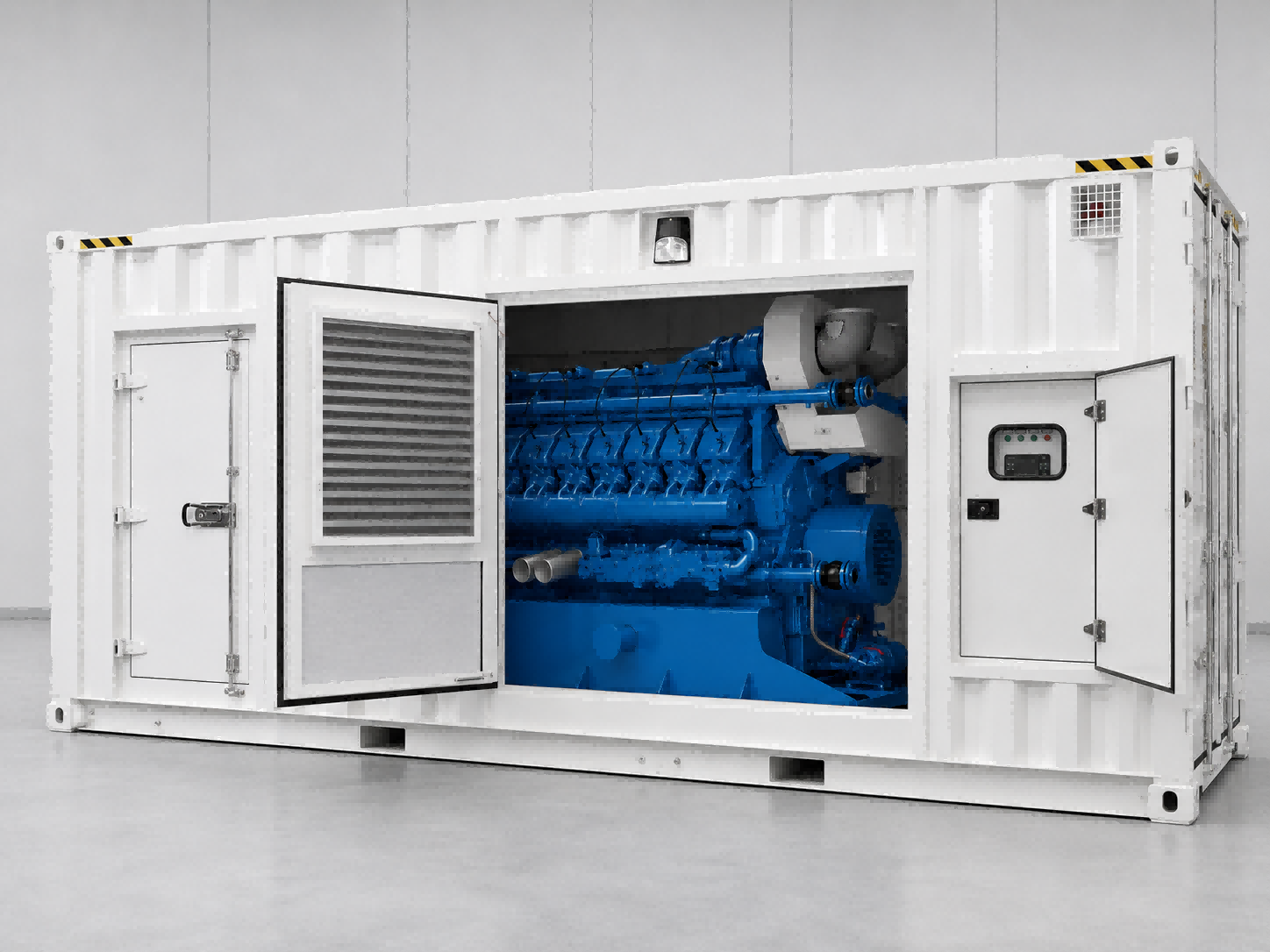
Reliable power is one of the most important requirements for modern industrial operations. A brief power interruption can stop production lines, disrupt critical services, damage sensitive equipment, and generate significant financial losses. As manufacturing facilities become more automated and infrastructure projects become increasingly dependent on uninterrupted electricity, the role of industrial power generation systems continues to expand.
While renewable energy technologies are gaining wider adoption, diesel generator systems remain an essential component of industrial energy strategies. Their ability to provide immediate power, operate independently of the utility grid, and support high-load applications makes them indispensable in many sectors.
Among the various engine platforms available in the market, the Industrial Perkins Diesel Generator has earned a strong reputation for durability, fuel efficiency, and operational reliability. Powered by genuine Perkins engines, these generator sets are widely used as Prime Power Generators, Standby Diesel Generators, and Continuous Power Generators across manufacturing facilities, data centers, hospitals, mining sites, and infrastructure projects worldwide.
Industrial Perkins Diesel Generators are commonly available in power ranges from 680kVA to 2500kVA at 50Hz and 840kVA to 1870kVA at 60Hz, making them suitable for large-scale power requirements. Their capability to support continuous operation, stable output, and multi-unit paralleling has made them a preferred solution for projects where reliability cannot be compromised.
This article examines how Perkins Powered Diesel Generators support industrial power generation, why they remain widely specified in large-scale projects, and what factors decision-makers should evaluate when selecting a power generation system.
What Is an Industrial Perkins Diesel Generator?
An Industrial Perkins Diesel Generator is a heavy-duty power generation system that combines a Perkins diesel engine with an alternator, control system, cooling system, fuel system, and structural base frame to produce electrical power.
Unlike small commercial generators designed for intermittent use, industrial generator sets are engineered to support demanding operating conditions, including:
- Continuous prime power applications
- Long-duration standby operation
- Remote site power generation
- High-load industrial environments
The engine serves as the primary energy source, converting fuel into mechanical power. This mechanical power drives the alternator, which converts rotational energy into electrical energy suitable for industrial and commercial applications.
Modern Perkins Engine Generators incorporate advanced fuel injection technologies, electronic engine management systems, and robust mechanical designs that enable reliable performance under varying load conditions.
A typical Industrial Generator Set consists of:
- Perkins diesel engine
- Brushless alternator
- Automatic control panel
- Cooling system
- Fuel delivery system
- Steel skid base
- Vibration isolation components
These systems are designed to operate either as independent power sources or as part of larger integrated power generation networks.
For critical facilities, generator sets may be configured with automatic transfer switches and synchronization systems to ensure seamless power availability during utility failures.

Why Reliability Matters in Industrial Power Generation
When evaluating a power generation system, reliability often outweighs all other considerations.
Fuel consumption, purchase price, and maintenance intervals are important factors, but they become secondary when downtime affects production, safety, or essential services.
In many industries, power interruptions can trigger consequences far beyond temporary inconvenience.
Manufacturing facilities may experience:
- Production losses
- Damaged work-in-progress materials
- Equipment shutdown costs
- Delayed delivery schedules
Data centers face additional risks such as:
- Server interruptions
- Data corruption
- Network outages
- Service-level agreement penalties
Hospitals depend on uninterrupted electricity to support:
- Surgical equipment
- Intensive care units
- Diagnostic systems
- Emergency operations
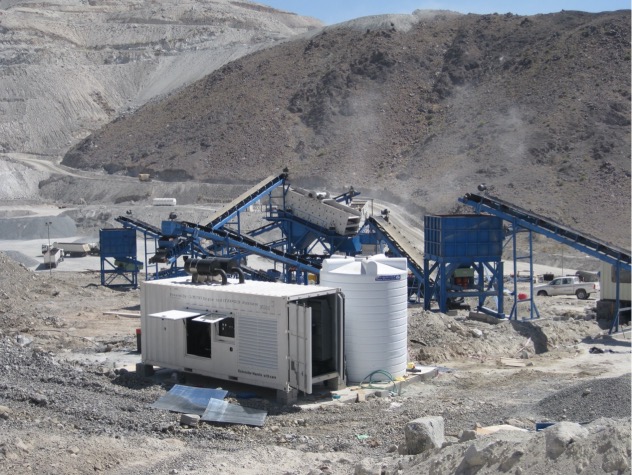
Mining operations often function in remote locations where utility infrastructure is limited or unavailable. In these environments, a Continuous Power Generator becomes the primary source of electricity for the entire operation.
Reliable power generation requires more than simply producing electricity. The system must consistently deliver:
| Reliability Factor | Importance |
|---|---|
| Stable Voltage | Protects electrical equipment |
| Stable Frequency | Supports sensitive loads |
| Fast Load Acceptance | Handles sudden demand increases |
| Continuous Operation Capability | Supports long-duration use |
| Mechanical Durability | Reduces failure risk |
| Serviceability | Minimizes downtime |
Industrial Perkins Diesel Generators are widely selected because they address these requirements through proven engine platforms and globally supported service networks.
Key Advantages of Perkins Powered Generator Sets
Industrial buyers frequently evaluate generator systems based on lifecycle performance rather than initial purchase price alone.
Perkins Powered Diesel Generators offer several characteristics that contribute to lower operating risk and long-term value.
| Feature | Operational Benefit |
| Genuine Perkins Engine | Proven reliability and global support |
| Fuel Efficiency | Lower operating costs |
| Continuous Operation | Supports extended runtime |
| Parallel Capability | Flexible system expansion |
| Power Quality | Suitable for sensitive equipment |
Genuine Perkins Engine Technology
Perkins engines have been used in industrial power applications for decades.
Their reputation has been built on:
- Robust mechanical design
- Global spare parts availability
- Proven field performance
- Extensive service support
For operators managing critical infrastructure, access to technical support and replacement parts can be just as important as engine performance itself.
Fuel Efficiency
Fuel often represents the largest operating expense associated with diesel generator ownership.
Modern Perkins Engine Generators utilize advanced combustion technology and optimized fuel injection systems to improve fuel efficiency across varying load profiles.
Lower fuel consumption delivers benefits, including:
- Reduced operating expenses
- Longer runtime per fuel tank
- Lower logistics requirements
- Improved project economics
For continuous operation applications, fuel efficiency directly impacts total lifecycle cost.
Continuous Operation Capability
Many industrial projects require generators to operate for extended periods.
Prime Power Generators may run continuously for thousands of hours annually, particularly in:
- Remote mining operations
- Construction projects
- Temporary infrastructure installations
- Utility support applications
Industrial Perkins Diesel Generators are engineered to support these operating conditions while maintaining stable performance.
Many models also support a 10% overload capacity for limited periods, providing additional flexibility during peak demand conditions.
Stable Power Quality
Power quality has become increasingly important as facilities rely on sophisticated electronics and automation systems.
Modern industrial sites commonly use:
- PLC systems
- Variable frequency drives
- Industrial control networks
- Data processing equipment
Poor power quality can result in equipment malfunctions and operational disruptions.
Many Perkins Powered Generator systems maintain total harmonic distortion (THD) below 5%, making them suitable for sensitive loads.
Common Applications Across Different Industries
Industrial Perkins Diesel Generators are deployed across a wide range of industries due to their flexibility and reliability.
Manufacturing Plants
Manufacturing facilities often operate continuously, making power interruptions extremely costly.
Generator systems are used to:
- Support critical production lines
- Maintain process continuity
- Protect automated equipment
- Provide emergency backup power
For facilities operating multiple shifts, even a short outage can affect production schedules and customer commitments.
Mining Operations
Mining sites frequently operate in remote areas with limited grid access.
In many cases, generator systems become the primary energy source for:
- Extraction equipment
- Processing facilities
- Worker accommodations
- Site infrastructure
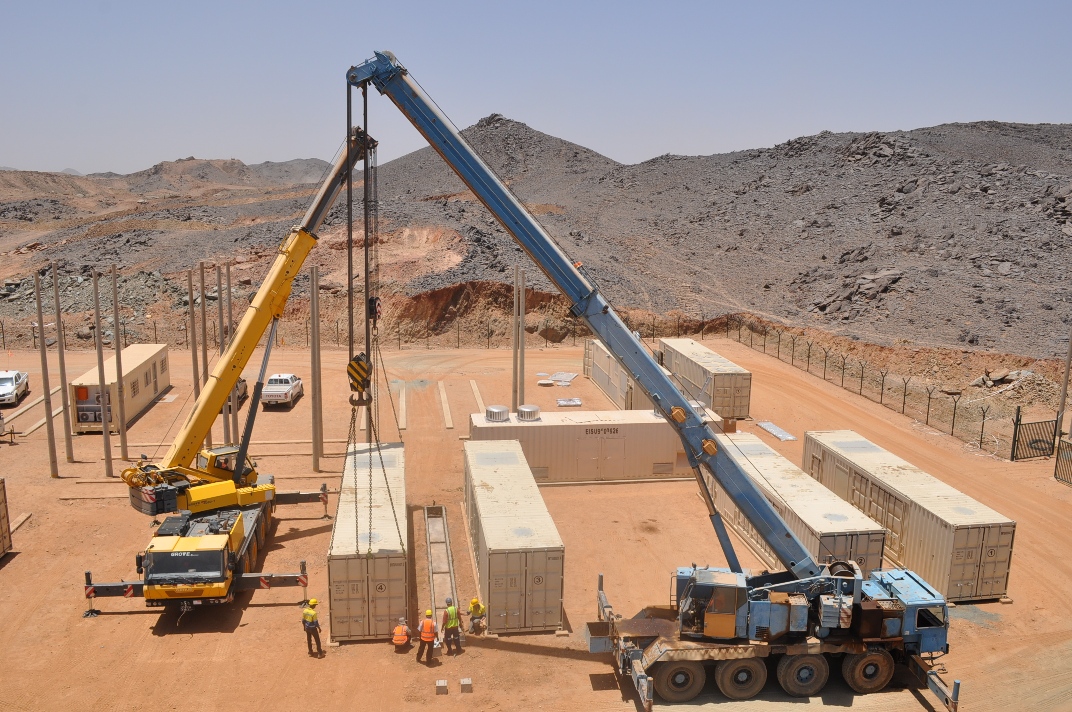
Large Power Diesel Generators are commonly installed as part of multi-generator power stations to ensure continuous electricity availability.
Data Centers
Data centers require some of the highest levels of power reliability.
A utility outage lasting only seconds can disrupt critical services.
Standby Diesel Generators are typically integrated with UPS systems to provide:
- Emergency backup power
- Redundant power capacity
- Long-duration outage protection
Generator reliability is a key factor in achieving data center uptime objectives.
Hospitals
Healthcare facilities depend on uninterrupted electricity to maintain patient safety.
Backup power systems support:
- Emergency departments
- Intensive care units
- Operating rooms
- Diagnostic imaging equipment
Generator failure during a utility outage is simply not acceptable in these environments.
Construction Projects
Large construction sites often require temporary power before permanent utility connections are available.
Industrial Backup Generators provide electricity for:
- Cranes
- Welding equipment
- Site offices
- Temporary facilities
Their mobility and rapid deployment make them valuable project assets.
Infrastructure Projects
Infrastructure developments such as airports, rail systems, water treatment facilities, and utility projects require highly reliable power solutions.
Generator systems support:
- Construction activities
- Emergency power systems
- Critical operational infrastructure
Their ability to provide dependable electricity under demanding conditions makes them a common specification for major infrastructure developments.
Prime Power vs Standby Power Applications
Understanding the distinction between prime power and standby power is essential when selecting a generator system.
Although both applications use similar equipment, operating expectations differ significantly.
| Factor | Prime Power Generator | Standby Diesel Generator |
| Operating Hours | High | Low |
| Utility Grid Availability | Limited or None | Available |
| Typical Runtime | Continuous | Emergency Use |
| Load Profile | Variable | Emergency Load |
| Fuel Consumption Importance | Very High | Moderate |
Prime Power Applications
Prime power generators function as the primary source of electricity.
These applications include:
- Remote industrial sites
- Mining operations
- Isolated infrastructure projects
- Temporary construction facilities
In these environments, the generator may operate continuously for extended periods.
Fuel efficiency, durability, and maintenance planning become critical considerations.
Standby Power Applications
Standby generators remain idle until utility power is interrupted.
Common examples include:
- Hospitals
- Data centers
- Commercial buildings
- Manufacturing facilities
When utility failures occur, the standby system automatically starts and supplies power until normal service is restored.
Although operating hours are lower, reliability requirements are often higher because the generator must perform immediately when needed.
Factors to Consider When Selecting an Industrial Diesel Generator
Selecting the right Industrial Generator Set requires balancing current needs with long-term operational objectives.
Load Demand
Accurate load assessment is the foundation of proper generator sizing.
Undersized systems may experience overload conditions, while oversized units can operate inefficiently.
Load studies should evaluate:
- Peak demand
- Starting currents
- Future growth expectations
- Load diversity
Runtime Requirements
Operating profile significantly affects generator selection.
Questions to consider include:
- Will the generator operate continuously?
- Is it intended for emergency backup only?
- How many hours annually will it run?
Prime power applications require different configurations than standby installations.
Fuel Efficiency
Fuel expenses accumulate throughout the life of the generator.
Evaluating fuel consumption under expected load conditions helps determine long-term operating costs.
Future Expansion
Power requirements rarely remain static.
Many industrial facilities expand production capacity over time.
Selecting equipment that supports future growth can reduce capital expenditures later.
Parallel-capable systems offer significant advantages in this area.
Environmental Conditions
Operating environment influences equipment selection.
Important considerations include:
- Ambient temperature
- Altitude
- Dust exposure
- Humidity
- Corrosive environments
Proper generator configuration ensures reliable performance under site-specific conditions.
Why Parallel Generator Systems Are Becoming More Popular
As facilities become larger and more complex, single-generator solutions are often replaced by synchronized multi-generator systems.
Modern Industrial Perkins Diesel Generators can support paralleling configurations involving up to 32 units.
This capability offers several advantages.
Scalability
Facilities can increase generating capacity gradually as demand grows.
Instead of purchasing one oversized generator, operators can add additional units when required.
This approach improves capital allocation and flexibility.
Redundancy
Parallel systems provide inherent redundancy.
If one generator requires maintenance, the remaining units continue supporting the load.
This architecture reduces single-point failure risks.
Load Management
Generator efficiency typically varies with load level.
Parallel systems allow operators to match generation capacity more closely to actual demand.
This can improve:
- Fuel efficiency
- Engine life
- Operating economics
Maintenance Flexibility
Maintenance activities can often be performed without shutting down the entire power system.
For facilities that require continuous operation, this capability is particularly valuable.
Parallel generator architectures have become increasingly common in:
- Data centers
- Hospitals
- Mining projects
- Industrial manufacturing facilities
because they provide greater operational resilience than single-unit installations.
Industrial power generation is about far more than producing electricity. It involves maintaining operational continuity, protecting critical assets, supporting safety requirements, and ensuring long-term business resilience.
Industrial Perkins Diesel Generators continue to be widely adopted because they combine proven engine technology, reliable performance, fuel efficiency, and scalable power solutions. Whether operating as a Prime Power Generator in remote locations or as a Standby Diesel Generator protecting critical infrastructure, these systems provide dependable power under demanding conditions.
Their ability to support continuous operation, maintain stable power quality, and integrate into large parallel power generation systems makes them particularly valuable for manufacturing plants, mining operations, hospitals, data centers, infrastructure projects, and commercial facilities.
As power reliability becomes increasingly important across industrial sectors, Perkins Powered Diesel Generators remain a practical and trusted solution for organizations seeking long-term operational stability and flexible power generation capability.