When you choose backup power for a data center, you need to match your important loads with the right mix of generators, batteries, and new technology. The world of hyperscale data centers is growing very fast.
- The market will go up from $162.79 billion in 2024 to $608.54 billion by 2030.
- This growth is because of cloud computing, AI, big data, and digital platforms.
Power needs have changed a lot in just a few years.
| Year | Average Hyperscale Data Center Capacity | Projected Power Usage (MW) |
|---|---|---|
| 2022 | N/A | 17 |
| 2030 | N/A | 35 |
| 2028 | More than triple | N/A |
Trusted and creative providers help you keep up with these changes. Many data center leaders now want hybrid and green solutions to balance cost, risk, and helping the environment as they choose backup power.
Key Takeaways
- Look closely at your data center’s power needs. Check the total amount of power you use now. Think about how much more you might need later. This helps make sure you have enough backup power.
- Pick hybrid backup power systems for your data center. These use generators, batteries, and renewable energy together. This makes your system flexible and efficient.
- Work with providers you can trust. Choose ones who have done this before. Their skills help you follow rules and solve design problems.
- Make plans for your system to grow. Use modular designs so you can add more power later. This helps your backup power system change as your data center grows.
- Add clean energy solutions to your system. This lowers your carbon footprint. Using renewables with backup power helps the planet and meets rules.
Why Backup Power Is Critical

Risks of Power Outages
If your data center loses power, big problems can happen. Power outages can strike at any time. They usually come from electrical issues or problems with the grid. These problems can stop your work and cause huge losses.
- Power problems cause almost half of major outages in data centers.
- Electrical issues are the reason for more than half of these outages.
A backup power system keeps your data center safe from these risks. Without a good system, you could lose important data or have long downtimes. Even a short power loss can hurt your business a lot.
| Evidence Type | Cost Impact |
|---|---|
| Average cost of downtime per minute | $9,000 |
| Percentage of outages costing over $100,000 | 70% |
| Percentage of outages costing over $1 million | 25% |
| Cost of hourly downtime | Between $1 million and $5 million |
Uptime and Business Continuity
Your data center needs to stay on all the time. Uptime shows how often your systems work without stopping. The usual goal for uptime is five-9s, or 99.999%. This means you can only have about five minutes of downtime each year.
- The Uptime Institute’s Tier Classification System sets these rules.
- Tier IV data centers promise 99.995% uptime, which means only 25 minutes of downtime each year.
- Providers use extra systems and more than one power source to reach these goals.
A good backup power system helps you meet these tough standards. If you do not have strong backup power, you could lose business and trust. Power outages can cost companies up to $169 billion every year. Downtime can also mean lost sales, supply chain problems, and fines for missing service agreements.
| Evidence Type | Description |
|---|---|
| Cost of Power Outages | Power outages cost businesses up to $169 billion each year, says the US Department of Energy. |
| Impact on Operations | Disruptions can cause problems in the supply chain, like shortages and factory shutdowns. |
| Financial Risks | Downtime can lead to lost sales, less work done, and fines for not meeting SLAs. |
A strong backup power system keeps your data center safe, helps your business, and protects your good name.
How to Choose Backup Power Solutions
Assessing Power Needs
You need to know how much power your data center uses. Sizing is the first thing to do when picking backup power. You must measure the total load and ups rating for all important systems. This includes servers, cooling, networking, and security equipment. Sizing helps you avoid not having enough protection or spending too much.
To size your system, follow these steps:
- Write down every device and system that needs backup.
- Find out how much wattage each one uses.
- Add extra power for future growth.
- Check the load and ups rating to match your backup system.
Sizing also means thinking about peak loads and surges. You want your backup power to handle sudden spikes. Good sizing makes sure your ups and generators work together. This keeps your data center running during surprises.
Evaluating Hybrid Systems
Modern data centers use different technologies for backup power. When picking backup power, look at hybrid systems. These mix generators, batteries, and new energy sources. Hybrid systems give you more flexibility and better performance.
Hybrid systems can include:
- Diesel or gas generators for long outages.
- Battery energy storage systems (BESS) for quick power and smooth changes.
- Ups units for steady, clean power.
- Hydrogen fuel cells or renewables for cleaner energy.
Each technology has its own strengths. The table below shows some main options and their advantages:
| Technology Type | Advantages |
|---|---|
| Modern diesel generators | More power, better fuel use, less pollution, reliable features. |
| Natural gas generators | Cleaner burning, easier fuel supply, good for strict air rules. |
| Battery Energy Storage Systems (BESS) | Instant power, better power quality, works with renewables. |
| Hydrogen fuel cells | No pollution, strong long-term promise, but costs are high now. |
| Modular and scalable systems | Can grow and change, helps with scaling and backup. |
When looking at hybrid systems, focus on reliability, scalability, and following rules. Size your system for now and the future to avoid expensive upgrades. You also need to check local rules and environmental standards. Some places limit emissions from diesel generators. Others may ask you to join programs or help pay for grid upgrades.
Here are some compliance factors to remember:
- Diesel generators make greenhouse gases and air pollution.
- Getting permits and following rules can be hard and expensive.
- Operators must think about being green and look for cleaner power.
Picking the right mix of technologies helps you reach uptime and environmental goals. Good sizing gives you the best balance of cost, risk, and performance.
Considering Trusted Providers
When picking backup power, you need a provider you can trust. Look for companies with good history, proven technology, and global reach. Trusted providers give reliable products, expert help, and new solutions.
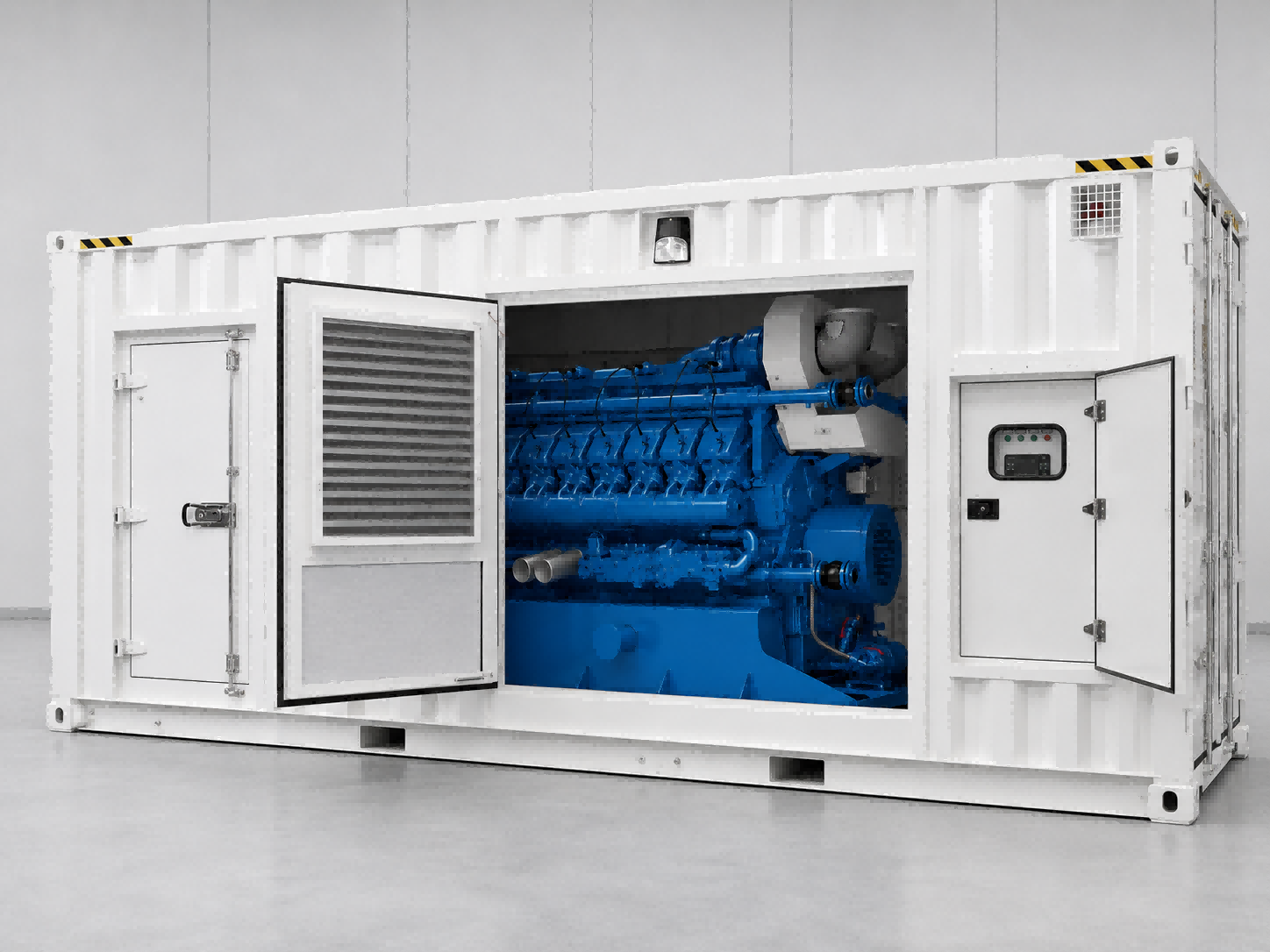
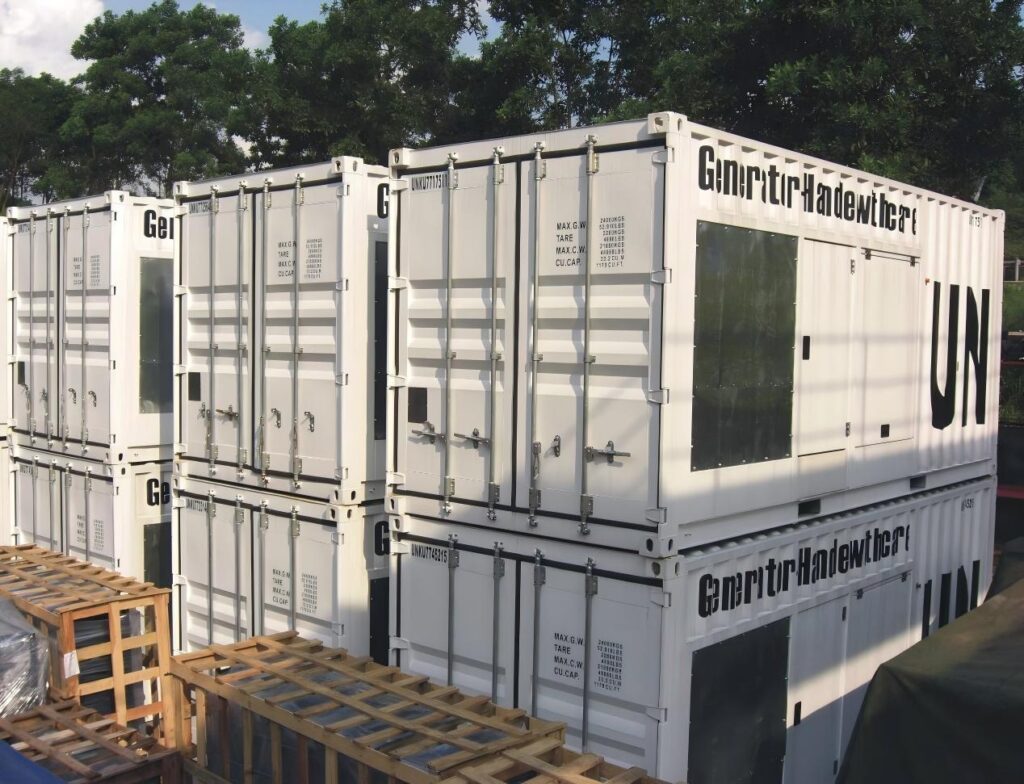
SWT is a leader in this area. SWT has over 30 years of experience. They deliver high-performance generator sets and power solutions. Their products serve customers in more than 100 countries. SWT’s generator sets have powered important jobs in healthcare, finance, and United Nations missions.
SWT’s global network gives fast delivery and support anywhere. They work with hydrogen, solar, and gas power technologies. SWT builds modular and scalable systems. You can expand your backup power as your needs grow. Their focus on quality and reliability makes them a strong choice for hyperscale data centers.
Always check if your provider can meet strict rules. The table below shows some main rules you may face:
| Compliance Requirement | Description |
|---|---|
| Environmental Regulations | Diesel generators make greenhouse gases and need tough permits. |
| Grid Agreements and Cost-sharing Requirements | Utilities may ask for long billing commitments and money for grid upgrades. |
| Interconnection Conditions | Some places pause new data-center building to check system impacts. |
| Demand-flexibility Programs | Data centers can help the grid during peak times using batteries or generators. |
A trusted provider like SWT helps you with these challenges. They support you with sizing, rules, and system design. Working with an experienced partner gives you peace of mind and a strong base for your data center’s future.
Power Technologies for Hyperscale Data Centers
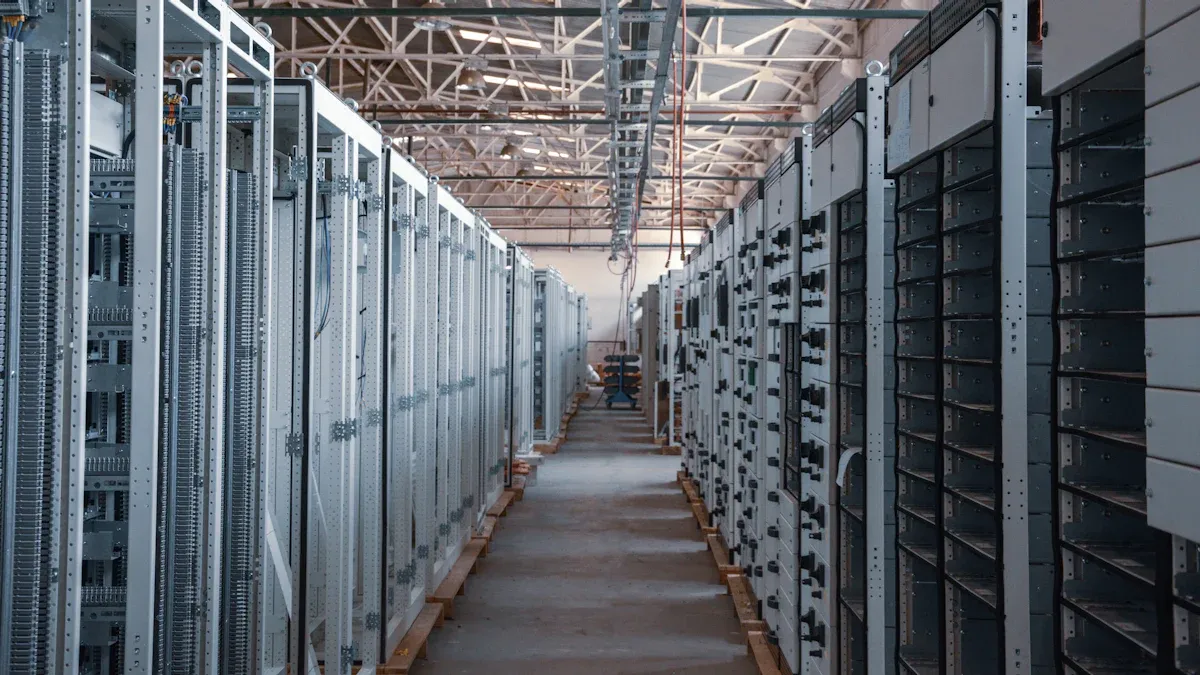
Generators (Diesel, Gas, Hybrid)
Strong standby generators keep your data center safe. Diesel generators are the most popular. They make up more than 70% of the market. This is because they work well and are very reliable. Most hyperscale data centers use generators bigger than 2 MW. This shows that big centers need a lot of power. You can pick diesel, natural gas, or hybrid generators. Each one has its own special features.
| Feature | Diesel Generators | Natural Gas Generators | Propane (LP) Generators |
|---|---|---|---|
| Fuel Cost | Moderate | Lower | Moderate |
| Maintenance | Moderate to high | Lower | Lower |
| Emissions | Higher | Lower | Lower |
| Fuel Storage | On-site tanks | Utility line | On-site tanks |
| Reliability | Excellent | Excellent | Good |
| Initial Cost | Moderate to high | Moderate | Moderate |
Diesel generators run for a long time and give lots of power. Gas generators are cleaner and also run well. Hybrid systems mix diesel and gas for better results. You can choose the best generator for your data center’s needs.
UPS and Battery Storage
UPS and battery backup systems help your data center during power loss. Batteries react right away, so your important equipment does not stop. Google put in a big battery backup system in Belgium. It was 2.75 MW/5.5 MWh. This shows that large batteries can give lots of power for a long time. By 2025, Google used over 100 million lithium-ion battery cells in its data centers. Microsoft is also trying battery backup systems instead of diesel generators.
Batteries do not make pollution at your site. They also need less care. You can use batteries to help the grid and save energy. Lithium-ion batteries last 10 to 15 years. Lead-acid batteries need to be changed every 3 to 5 years. If batteries last longer, you do not have to replace them as much. This saves money. You can trust battery backup for quick power, steady running, and good efficiency.
Tip: You can use UPS, battery backup, and generators together for the best results.
Hydrogen and Renewables
Hydrogen and renewable energy are becoming more common for backup power. The market will grow from $1.2 billion in 2025 to $4.5 billion by 2035. This is a 13.7% growth each year. Big companies and hyperscale data centers are using hydrogen fuel cells and renewables more. Proton exchange membrane (PEM) and solid oxide fuel cells (SOFC) are the main types.
Hydrogen fuel cells work well and do not make pollution. They only make heat and water. But hydrogen has some problems. It costs a lot and is hard to get. Using UPS, battery backup, and fuel cells together can be tricky. You need clean hydrogen that is not too expensive. Even with these problems, hydrogen and renewables give strong power, lots of energy, and clean backup for your data center.
Note: You can get your data center ready for the future by using hydrogen and renewable energy with UPS and battery backup.
Operations & Compliance
Fuel, Runtime, and Maintenance
You need backup power when the lights go out. Diesel generators give strong power and last a long time. Natural gas generators make less pollution and do not need fuel tanks if you have a gas line. Propane works well if diesel or gas is not there. Hybrid systems help you deal with different problems.
- Generators must be big enough for the worst loads, like during storms. Cooling needs can go up fast.
- If power is out for a long time, you need more fuel and remote checks.
- Generators must keep working well in hot weather for a long time.
- Fuel tank size and automatic switches matter for long run times.
- Quick startup and smooth switching help with sudden changes.
- Good performance in hard times keeps your data center safe.
Regular checks help you find problems before they get bad. Preventive maintenance means doing simple jobs to keep backup power working. Reliability-centered maintenance focuses on the most important parts. Predictive maintenance uses data to spot problems early. You can use ups, battery backup, and battery systems to help your data center stay safe and meet runtime goals.
Regulatory and Environmental Factors
You must follow strict rules for backup power in your data center. These rules protect your business and the planet. The table below shows important standards:
| Standard | Description |
|---|---|
| NEC Article 700 | Puts backup systems into emergency, legally required standby, optional standby, and Critical Operations Power Systems. |
| NFPA 110 | Sets rules for emergency power systems to make sure backup works during outages. |
| TIA-942 | Needs ups, battery backup, and PDUs in special rooms, not in white space. |
| UL 1778 | Safety rules for ups. |
| UL 1008 | Rules for transfer switch equipment. |
You must meet runtime goals and keep pollution low. Diesel generators make greenhouse gases. Natural gas and battery backup make less pollution. You can use ups, battery backup, and battery systems to meet runtime goals and follow rules. Remote checks help you watch runtime and maintenance. You can use battery backup and ups to help clean energy goals and meet rules.
Tip: You can use ups, battery backup, and battery systems to meet runtime goals and help your data center stay safe and green.
Future-Proofing Backup Power
Modular and Scalable Designs
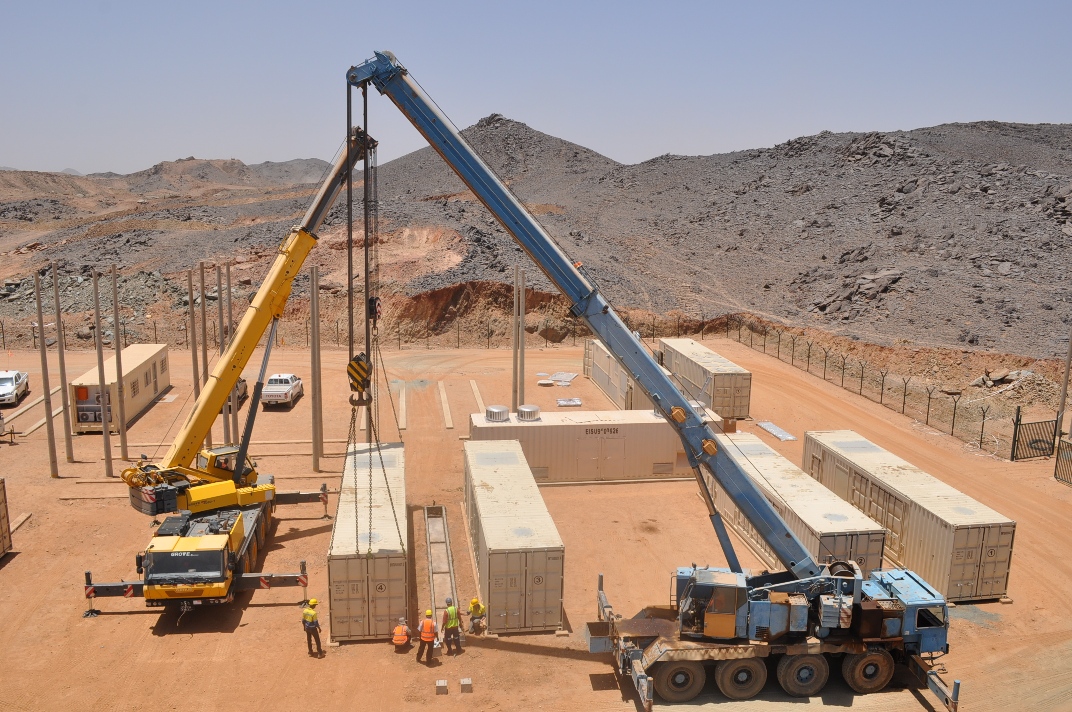
You want your data center to grow as your needs change. Modular backup power designs help you do this. You can add or take away units when your workload changes. This makes your system flexible and ready for new needs. If one unit stops working, others keep your data center running. You get fast setup and easy expansion. You can meet new demands without waiting long.
Here is a table that shows the main benefits of modular and scalable designs:
| Benefit | Description |
|---|---|
| Scalability | You can add or remove units when your data center needs it. |
| Redundancy | If one unit stops, others keep your systems running. |
| Fast Installation and Expansion | You can set up and grow your system quickly. |
| Efficiency | Your system uses energy well as your needs change. |
| Sustainability | You use resources wisely and help green goals. |
You can save time and money with modular backup power. You can build and test modules somewhere else. This means you get quick delivery and setup. You can use standard designs to lower costs. Some modular data centers start working in less than six months. You can cut deployment time by up to two years. You also get built-in redundancy, so you do not need extra diesel generators.
Integration with Clean Energy
You can make your data center greener by using clean energy with backup power. Modern diesel generators use less fuel and make less pollution. Natural gas generators are cleaner and connect to the gas grid. Battery energy storage systems work with renewables and give instant power. You can use ups and battery backup to keep your systems running during outages. Hydrogen fuel cells give you zero emissions and high efficiency.
You can follow these best practices for clean energy integration:
- Use modern diesel or natural gas generators for long runtime.
- Add battery backup and ups for instant power and smooth transitions.
- Combine battery, ups, and renewables for better sustainability.
- Use hydrogen fuel cells for zero-emission backup power.
- Choose modular and scalable systems for flexible power management.
When you use clean energy, you lower your carbon footprint. You can mix solar, wind, and hydrogen with battery backup and ups. This helps your data center stay strong and green. You also meet strict rules and support a cleaner future. Battery backup and ups help you reach your runtime goals and keep your data center safe.
You can pick the best backup power for your hyperscale data center by following some simple steps. First, make sure your power needs fit with hybrid solutions like generators, batteries, and renewables. Next, work with trusted providers who have good systems and new ideas. Plan for growth by choosing modular and scalable designs. Use onsite renewables, BESS, and gas generators to balance reliability, rules, and being green. Think about where your site is and add extra backup to avoid problems and follow the rules.
For example, some operators build data centers close to energy parks with renewables. This helps you reach green goals and get power more quickly.
Quick Checklist:
- Make sure your system is the right size for now and later
- Pick hybrid technologies
- Look at the provider’s experience
- Check the rules you must follow
- Plan to use clean energy
Always remember to focus on reliability, following rules, and being green when you make your final choice.
FAQ
What is the best backup power option for a hyperscale data center?
You should pick a hybrid system. Use generators, batteries, and clean energy together. This mix gives strong backup, quick power, and helps you be green.
How often should you test your backup power systems?
Test your backup power systems once a month. Testing often helps you spot problems early. It keeps your data center safe and ready for outages.
Can you use renewable energy as backup power?
Yes, you can use renewables like solar or hydrogen. Combine them with batteries and generators for better backup. This setup helps your uptime and green goals.
Why do you need a trusted provider for backup power?
A trusted provider gives reliable products and expert help. You get support with design, rules, and upgrades. This help keeps your data center running well.