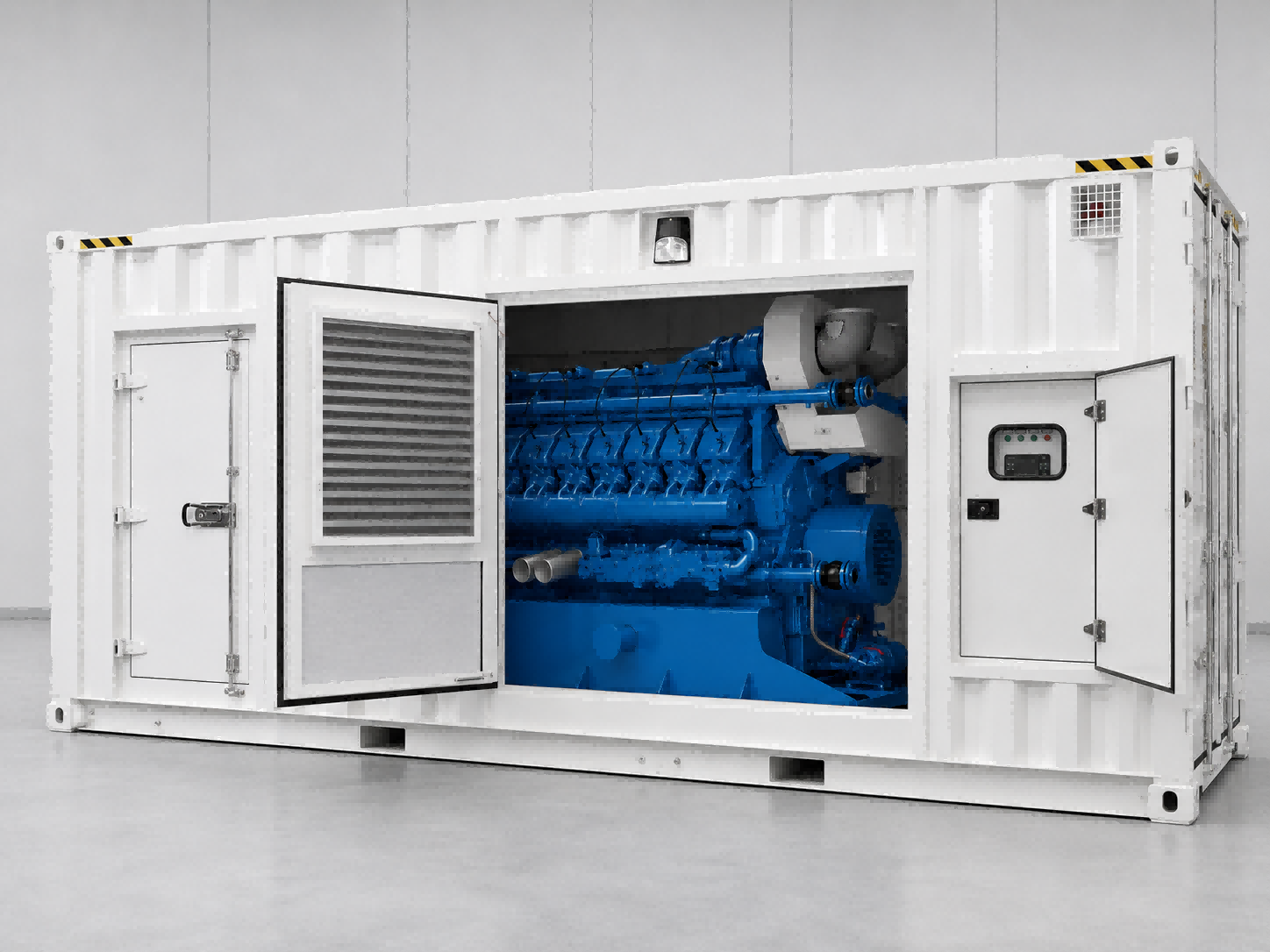
Containerized power plants deliver critical operational advantages for modern high-density data centers. Facility operators achieve rapid deployment speed, modular scalability, footprint reduction, grid independence, and predictable costs.
Traditional stick-built construction projects often face severe weather delays, labor shortages, and complex on-site assembly.
Factory-engineered power modules solve these challenges completely. Pre-integrated systems eliminate civil engineering delays and streamline rapid deployment schedules. Data center developers mitigate financial risks, protect power continuity, and accelerate time-to-market dramatically.
Rapid Turnkey Deployment
Fast power availability directly dictates market success for modern data facilities. Traditional power plant installation involves lengthy engineering cycles and unpredictable field challenges. Containerized solutions eliminate these bottlenecks by shifting structural assembly into specialized production facilities.
Factory Pre-Fabrication Advantage
Assembling generator sets off-site inside climate-controlled manufacturing environments ensures strict quality control. Controlled conditions eliminate site-related variables like bad weather or dusty work grounds. Factory engineers pre-integrate high-performance diesel or gas generator sets, control panels, and cooling systems into unified protective enclosures.
Off-site container integration minimizes assembly flaws by delivering pre-tested, fully constructed units directly to the installation location. This controlled manufacturing approach effectively lowers on-site wiring mistakes by 25%. Consequently, facility operators avoid expensive structural rework during installation.
Reduced On-Site Construction Time
By eliminating extensive civil engineering works, modular enclosures transform data center development timelines. Project teams handle site preparation and equipment fabrication simultaneously.
The deployment speed advantages are significant:
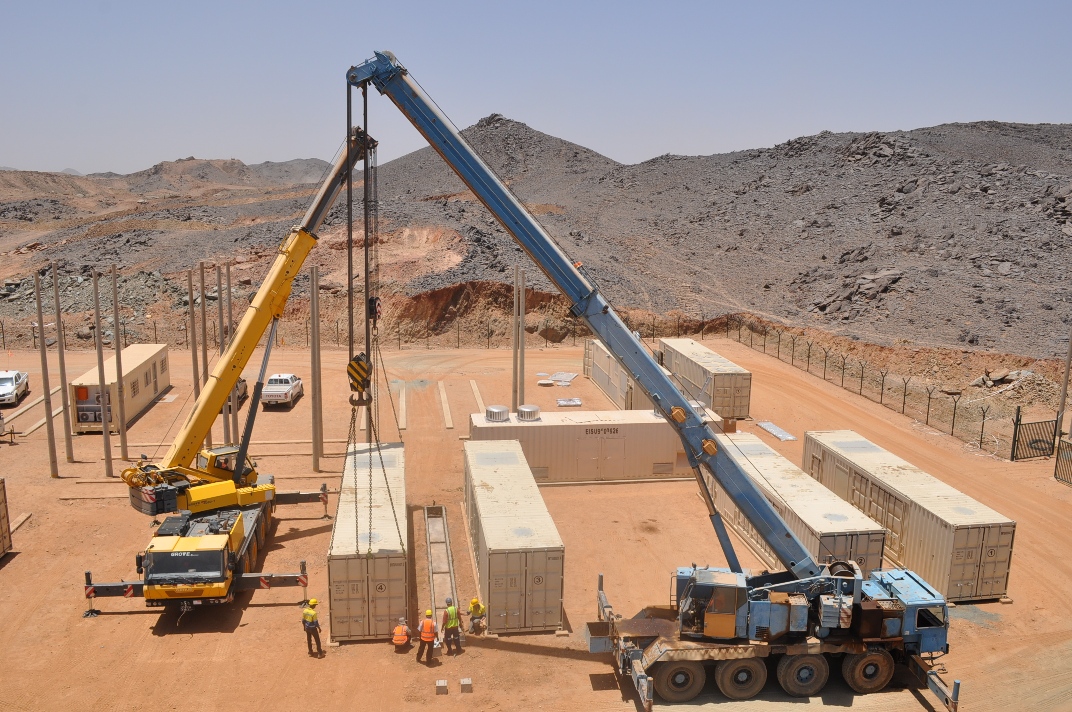
- Containerized Power Stations: Can be set up and operational within days or weeks due to their prefabricated, ready-to-use design.
- Conventional Power Facilities: Typically require months or years to complete installation and commissioning.
This massive schedule compression helps operators bring high-density server racks online ahead of schedule.
Streamlined Commissioning Process
Pre-commissioning tests happen before equipment leaves the manufacturing plant floor. Specialized engineers perform full-load testing, thermal imaging, and control validation inside test bays.
Modular power units arrive on site as plug-and-play assets, drastically cutting final acceptance testing schedules.
Reliable solutions, such as SWT containerized power units, deliver factory-tested readiness for demanding mission-critical facilities. SWT engineers conduct comprehensive load-bank testing before delivery, ensuring smooth integration with existing switchgear. Data centers gain operational continuity immediately without facing unexpected start-up delays.
Why Containerized Power Plants Ensure Scalability
Data center power requirements evolve rapidly alongside growing computational demands. Legacy energy systems force facilities to build massive infrastructure long before server racks require full capacity. Containerized power plants solve this challenge by offering instant, modular scalability.
On-Demand Capacity Expansion
Modern AI workloads and high-density rack clusters require fast power scalability. Facility operators can add self-contained generator modules seamlessly when power demand spikes.
- Parallel Synchronization: New units connect to the existing power bus without interrupting live operations.
- Plug-and-Play Architecture: Standardized interfaces allow rapid physical and electrical hookups.
- Identical Footprints: Pre-designed module dimensions simplify spatial layout planning.
Modular power infrastructure turns years of expansion planning into simple, repeatable site deployments.
Pay-As-You-Grow Capital Spending
Over-provisioning power infrastructure wastes capital and lowers energy efficiency. Traditional data center builds require high upfront CapEx for utility substations and static backup systems.
Modular equipment aligns capital expenditures directly with actual server deployment schedules. Data center owners purchase only the generation capacity they currently need. As facility tenant utilization increases, operators buy additional modules using operational revenue. This progressive funding strategy optimizes cash flow and maximizes return on investment.
Flexible Microgrid Integration
Containerized power systems easily integrate with diverse energy resources to form localized microgrids. Facility managers combine baseline generator modules with renewable energy assets, fuel cells, and battery energy storage systems (BESS).
| Microgrid Source | Primary Operational Role | Benefit for Data Centers |
|---|---|---|
| Containerized Units | Continuous / Standby Power | Guarantees 100% uptime during grid outages |
| Solar / Wind PV | Green Energy Generation | Reduces carbon footprint during peak daylight |
| Battery Storage (BESS) | Instantaneous Load Shifting | Bridges power gaps and stabilizes voltage |
Smart control platforms manage these combined energy assets automatically. Data centers maintain stable power supply, mitigate utility grid fluctuations, and meet corporate sustainability targets effortlessly.
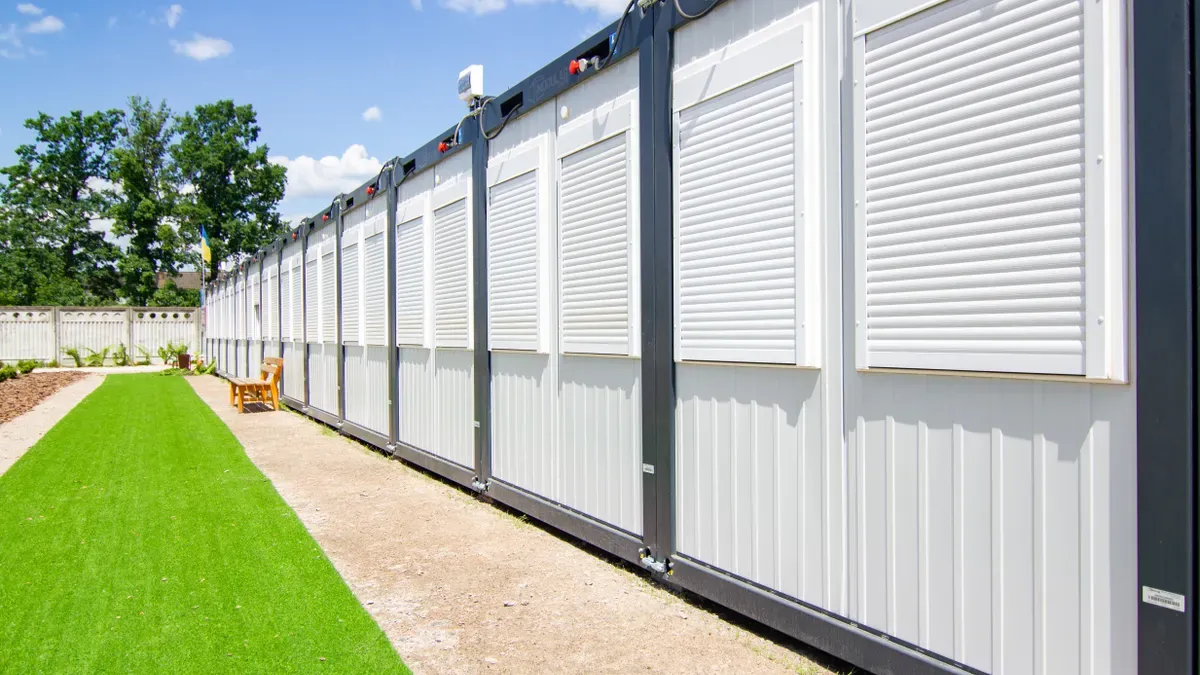
Footprint and Mobility Optimization
Real estate constraints present major operational hurdles for modern data centers. Facility engineers must maximize compute space while maintaining reliable backup power generation. Advanced modular power systems solve space limitations through vertical integration and compact enclosure engineering.
Space-Saving High Power Density
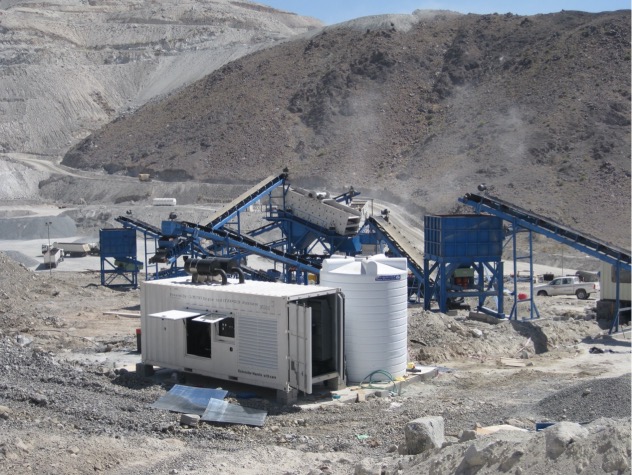
Modern energy enclosures deliver impressive mega-watt capacity within ultra-compact physical footprints. Engineering teams optimize internal component placement by integrating generator sets, switchgear, exhaust systems, and fuel day-tanks into a standardized ISO shipping container layout.
Custom internal layouts achieve up to 40% higher power density per square foot compared to standard open-skid generator room builds.
Data center developers can devote more valuable indoor building space to revenue-generating server racks and networking gear.
Flexible Outdoor Placement Options
Containerized power plants feature heavy-duty weatherproof structures designed specifically for exterior installation. These self-contained units operate reliably on standard concrete pads without requiring custom building construction.
- Rooftop Mounting: Operators install lightweight containers directly on reinforced data center roofs.
- Perimeter Placement: Facilities position power modules along narrow outdoor setbacks or parking areas.
- Stacked Configurations: Multi-unit setups stack vertically to double power capacity without expanding the ground footprint.
+-------------------------------------------------+
|  [ Server Room Floor ]   --> Maximize IT Space  |
+-------------------------------------------------+
|  [ Outdoor Pad/Roof ]    --> Containerized Power|
+-------------------------------------------------+
This structural flexibility simplifies site design and drastically reduces property acquisition expenses.
Asset Relocation Capabilities
Legacy power equipment locks capital assets into fixed physical structures permanently. Containerized power plants eliminate this financial lock-in through standardized transportability.
| Operational Feature | Traditional Power Plant | Containerized Power Station |
|---|---|---|
| Mobility Grade | Fixed / Permanent Civil Structure | Transportable via Standard Flatbed |
| Redeployment Time | Non-relocatable | Days to Weeks |
| Residual Asset Value | Low (Tied to Real Estate) | High (Portable Mobile Asset) |
Data center operators easily disconnect, load, and relocate modular energy assets to new facilities as power demands shift across corporate campuses or regional sites.
Enhanced Power Reliability
Continuous operations demand unwavering electrical performance. Containerized power plants deliver exceptional stability for mission-critical facilities. Custom engineering protects delicate IT infrastructure from electrical spikes, weather events, and grid disruptions.
Built-In System Redundancy
Modular power architecture incorporates multi-layered failsafes directly into every power unit. Fault-tolerant designs protect critical workloads against unexpected hardware failures.
- N+1 Concept: Facilities deploy one extra generator module beyond baseline power demands.
- Maintenance Operations: Technicians service isolated power modules without interrupting active server racks.
- Tier Requirements: Standard N+1 configurations fulfill the core baseline for Tier III Concurrent Maintainability.
System reliability relies on dedicated DC battery banks, dual fuel path redundancy, and backup hydraulic starter systems.
Integrated onboard master controllers execute automatic load shedding instantly if an engine fails, successfully preventing cascading power outages across the facility.
Weatherproof Enclosure Resilience
Heavy-duty steel ISO containers protect sensitive internal generators from severe environmental threats. Sound-attenuated enclosures withstand high winds, torrential rainfall, and extreme temperature swings.
Continuous power equipment backed by robust manufacturer warranties safeguards facility uptime completely. For example, SWT provides a standard limited warranty of 12 months or 1,000 operating hours. This reliable coverage protects data center operators against functional material defects.
Furthermore, extensive global support networks prevent costly downtime. Facilities utilize localized spare parts stock and fast troubleshooting from dedicated facilities like the 35,000-square-foot SWT Middle East Service Center in Dubai.
CCHP Tri-Generation Efficiency
Combined Cooling, Heating, and Power (CCHP) technology boosts overall facility efficiency dramatically. Standard engine generation converts only 38–45% of fuel into usable electricity. CCHP systems capture engine jacket water heat and exhaust thermal energy to drive absorption chillers.
| Operating Mode | Power Output Source | Efficiency Level |
|---|---|---|
| Standard Generation | Electricity Only | 38% – 45% |
| CCHP Tri-Generation | Electricity + Thermal Cooling | 80% – 90% |
Capturing waste heat reduces supplemental power intake for server cooling loops, significantly lowering total energy expenditures for high-density facilities.
Strategic Cost Efficiency
Managing capital expenditure determines long-term profitability for modern data infrastructure. Containerized power plants lower upfront investment while protecting facilities against unpredictable operational delays.
Minimized Site Civil Works
Traditional power generation facilities require extensive site preparation. Construction crews must pour massive concrete foundations, build permanent containment structures, and install complex underground conduit networks.
Modular energy enclosures require simple concrete pads and minimal ground clearing.
Factory integration shifts structural engineering away from the construction site. Data centers eliminate costly soil stabilization, reduce heavy machinery rentals, and cut raw building material expenses significantly.
Lower On-Site Labor Overhead
On-site construction labor introduces severe budget risks. Specialized trade workers, such as certified high-voltage electricians and pipefitters, command high hourly rates and remain scarce in many regions.
Containerized power units drastically reduce specialized field assembly:
- Pre-Wired Interfaces: Internal components ship completely wired from the factory.
- Integrated Fuel Systems: Tanks and piping arrive fully installed inside the ISO frame.
- Simplified Cabling: Field teams connect standardized external power cables quickly.
Data center developers avoid costly local labor rate surges and reduce overall project management overhead.
Reduced Grid Dependence Risks
Securing timely utility grid connections presents a major financial barrier for new data centers. Long queue delays leave new facilities idle while fixed debt expenses accumulate.
Bypassing utility grid delays using self-contained power generation protects projects against severe financial liabilities:
- Operational & Contractual Exposure: Postponed grid connection directly threatens commercial operation schedules. Project developers face power purchase agreement (PPA) breaches and funding disruptions.
- Regulatory Penalty Costs: Compliance rules like FERC Order 2023 penalize project withdrawals. Developers face substantial fines and elevated upfront deposit demands.
- Cascading Restudy Expenses: Queue departures by neighboring projects trigger mandatory re-assessments. Remaining developers absorb unpredictable secondary study costs.
Modular generation units grant total power independence, allowing data centers to launch commercial operations precisely on schedule.
Containerized power plants transform data center operations. Pre-fabricated modules maximize deployment speed, boost power density, and reduce financial risk compared to legacy infrastructure.
| Deployment Model | Setup Time | Scalability | CAPEX Payback Period |
|---|---|---|---|
| Containerized Power | Days to weeks | Modular (Pay-as-you-grow) | Short (Fast time-to-market) |
| Legacy Infrastructure | Months to years | Rigid (Upfront over-provisioning) | Long (High initial CAPEX) |
Data center developers must evaluate long-term success through key metrics:
- Static Payback Period: Calculate setup CAPEX against rapid energy savings.
- Lifecycle Performance KPIs: Assess system efficiency, response time, and total lifetime return on investment.
Select trusted suppliers offering lifecycle service reliability, regional spare parts, and comprehensive expert training to safeguard your mission-critical uptime. 💡