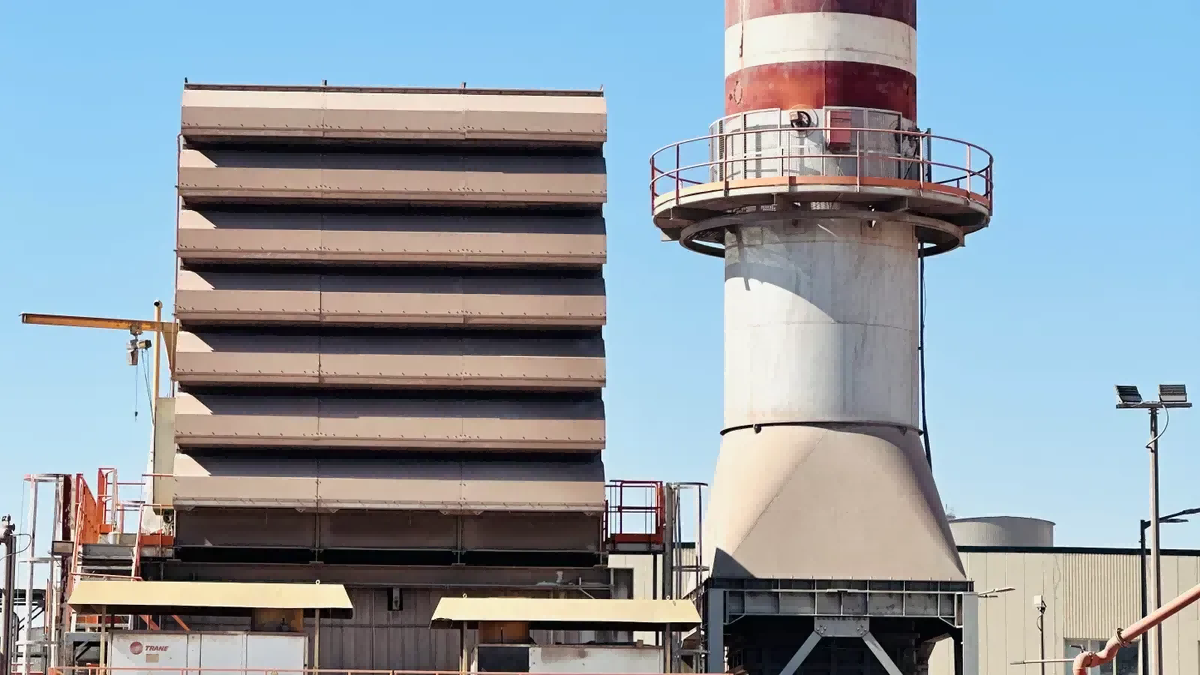
Yes, gas power solutions are a suitable choice for mining sites. They have become increasingly popular across the industry. This popularity stems from key advantages in cost, reliability, environmental performance, and operational flexibility.
Mining operations demand dependable energy around the clock. Gas-powered systems meet this demand effectively. They offer lower fuel costs than diesel alternatives. They also reduce maintenance expenses over time. Emissions are significantly lower compared to traditional diesel generators.
Remote locations benefit from the consistent output and high efficiency of modern gas engines. Regulatory pressures continue to grow. Gas power helps mines meet strict environmental standards. Operational scalability and fuel logistics further strengthen the case. These factors make gas a strong contender for mining power needs.
Why Gas Power Solutions Are Cost-Effective
Mining operations consume enormous amounts of energy. Every dollar saved on power directly improves the bottom line. Gas power solutions can reduce energy costs. This substantial savings potential makes them an attractive option for mine operators seeking to control expenses.
Energy prices for natural gas have remained stable and predictable for decades. This stability allows mining companies to forecast operating costs with confidence. Predictable energy prices lower operating costs per ton of material extracted. Lower costs per ton increase competitiveness in global markets. Mines that switch to gas power gain a measurable financial advantage over those relying on diesel.
Lower Fuel Costs vs. Diesel
Natural gas is often cheaper than diesel per unit of energy. This price difference creates immediate savings at the fuel pump. The cost advantage persists across different market conditions. Natural gas production has expanded significantly in recent years. This expansion keeps supply abundant and prices competitive.
Diesel fuel requires extensive refining and transportation infrastructure. These processes add costs at every stage. Natural gas often travels through existing pipeline networks. Pipeline delivery reduces transportation expenses substantially. Mines located near natural gas infrastructure benefit most from this advantage.
The evidence from heavy equipment applications supports this cost advantage. A five-year total cost of ownership analysis shows gas trucks cost $89,535 compared to $96,260 for diesel trucks. Fuel costs over five years reach $14,335 for gas vehicles versus $12,960 for diesel. However, maintenance savings of $2,600 and insurance savings of $1,000 offset the higher fuel expense. The net result favors gas power in many operational scenarios.
Reduced Maintenance Expenses
Gas engines have fewer moving parts than diesel engines. This simpler design translates directly into lower maintenance requirements. Diesel engines rely on complex high-pressure injection systems. These systems require expensive fuel filter replacements costing $100 to $300. Water separator service adds another $100 to $200 per occurrence. Injection system cleaning costs between $200 and $400.
Gas engines avoid these diesel-specific maintenance items entirely. Instead, gas engines require spark plug replacement at $100 to $200. Ignition system service costs $150 to $300. These expenses are generally lower than diesel fuel system maintenance.
Oil change intervals differ between engine types. Diesel engines require service every 10,000 to 12,000 miles. Each oil change costs $80 to $150 and uses 12 to 15 quarts of oil. Gas engines need more frequent service at 5,000 to 7,500 mile intervals. However, each gas engine oil change costs only $40 to $70 and uses 4 to 6 quarts.
Over 150,000 miles, diesel maintenance costs reach approximately $8,800. Gas engine maintenance over the same distance totals approximately $4,025. This difference exceeds $4,000 in favor of gas engines. Annual maintenance for gas engines ranges from $800 to $1,200. Diesel engines require $1,200 to $1,800 annually. The five-year maintenance total for gas engines falls between $5,000 and $7,000. Diesel engines cost $7,000 to $10,000 over five years.
These maintenance savings compound over the life of the equipment. Mines operating multiple vehicles or generators capture even greater savings. Reduced maintenance also means less downtime for repairs. Less downtime translates into higher productivity and revenue.
Reliable and Efficient Power for Remote Sites
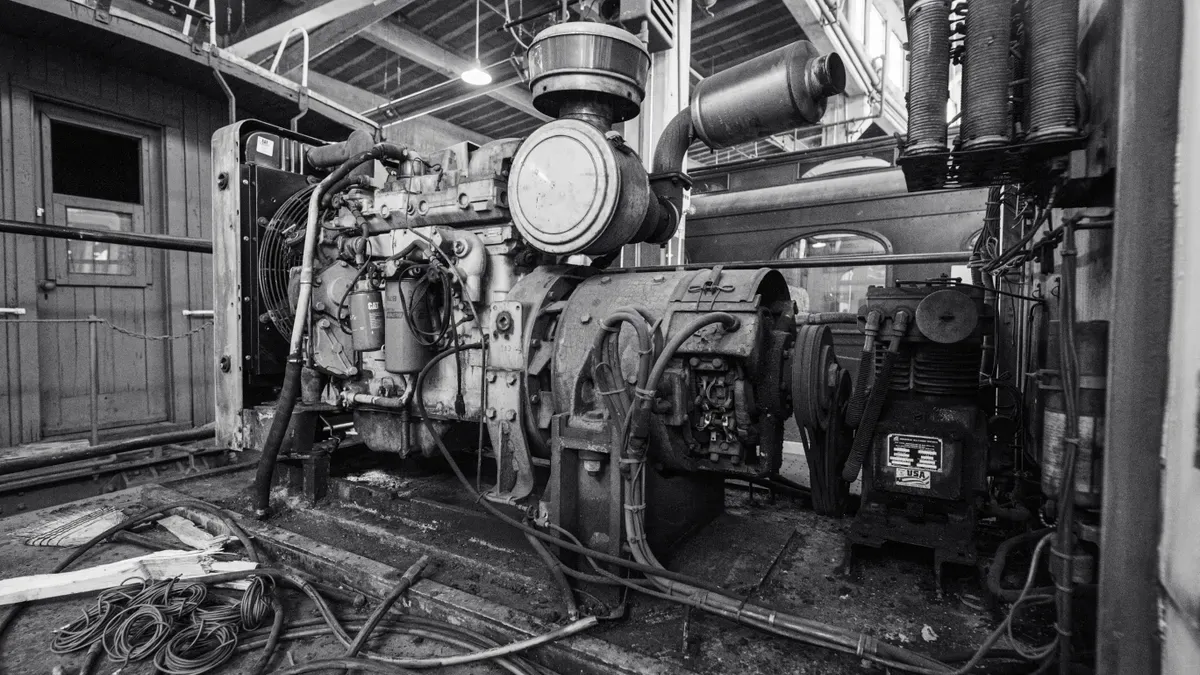
Mining operations often occur in locations far from established grid infrastructure. Power reliability becomes a non-negotiable requirement. Gas power solutions offer a proven path to dependable energy in these challenging environments. Modern gas turbines and generator sets deliver consistent output, fast deployment, and high efficiency that diesel generators struggle to match.
Consistent Power Supply for Critical Operations
Off-grid mining sites cannot afford power interruptions. A single outage can halt excavation, ventilation, and processing equipment for hours. Natural gas turbines provide a steady electrical supply that keeps critical operations running around the clock.
Mobile aeroderivative turbines have emerged as a fast-track solution for remote mining power. These units derive from jet engine technology. The design makes them significantly lighter per megawatt of output than industrial turbines. Lower weight allows a higher power density to be mounted on a transportable trailer. This mobility makes aeroderivative units the preferred choice for applications where maximum power must fit into the smallest, most transportable package.
In the mining and construction segments, turbines provide consistent power at off-grid and intermittently accessible locations. Australian and African mining companies are adopting aeroderivative turbines at remote exploration sites. Rugged construction able to withstand harsh environments is a key requirement. Speed in deployment and ease of transport are primary purchasing considerations.
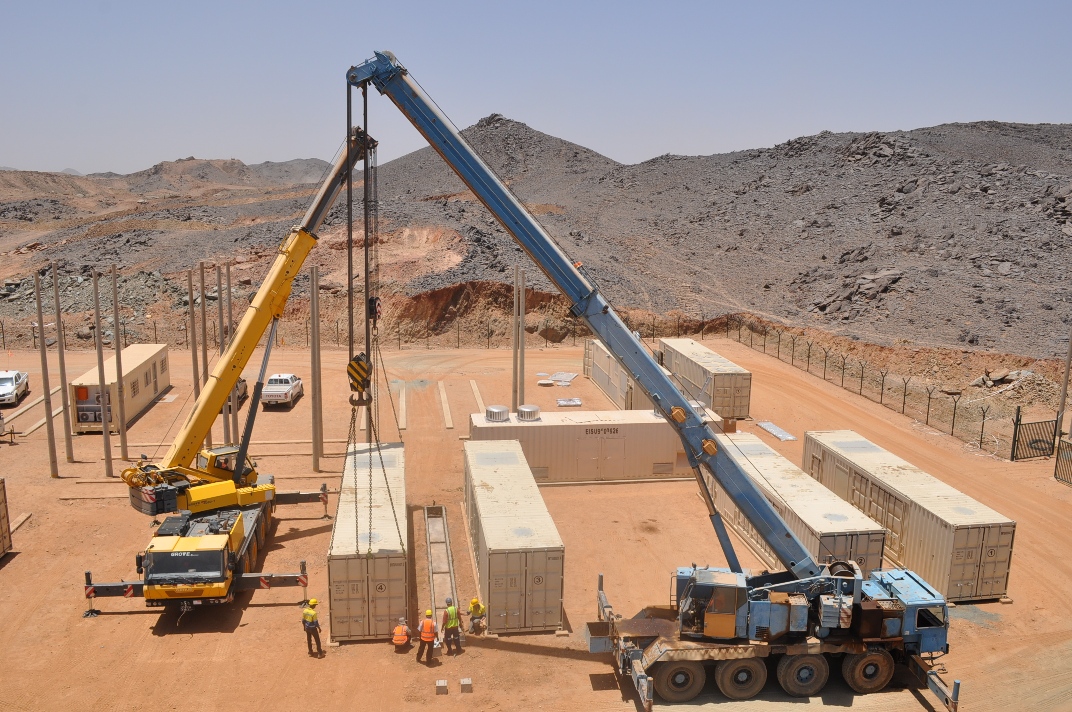
Deployment time is remarkably short. A smaller aeroderivative unit delivering 5 MW can be operational in as little as four hours. A larger 35 MW unit can start producing power within twelve hours. Even the TM2500 mobile turbine, rated for substantial output, can be installed and commissioned in just eleven days. Its start and ramp-up capability is equally impressive — the unit can reach full power in five minutes, making it suitable for backup and bridging power scenarios.
| Performance Metric | TM2500 Mobile Aeroderivative Turbine |
|---|---|
| Installation & commissioning time | 11 days |
| Start/ramp-up capability | Full power in 5 minutes |
| Fuel flexibility | Natural gas, diesel, ethanol, hydrogen |
This fuel flexibility adds another layer of reliability. Mines using gas as the primary fuel can switch to diesel or ethanol if gas supply is interrupted. The ability to ramp quickly ensures that power remains stable during unexpected load changes or maintenance events.
High Efficiency in Power Generation
Efficiency matters deeply at remote sites where every unit of fuel must be transported or piped over long distances. Gas power solutions achieve high efficiency through advanced engine design and optimized combustion.
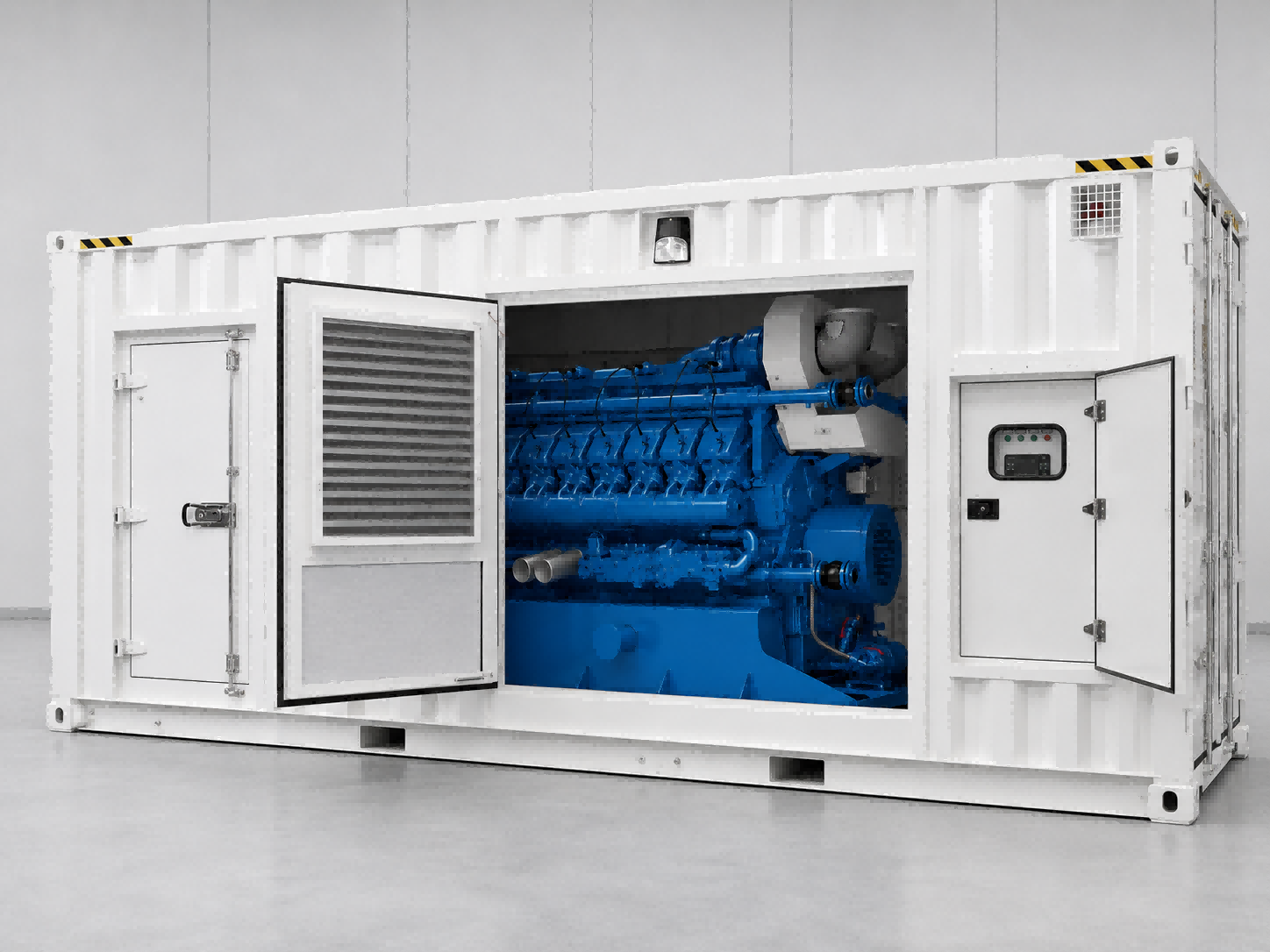
SWT offers a comprehensive lineup of gas generator sets engineered for demanding environments. The Jenbacher series includes Type 2 (250–330 kWe), Type 3 (500–1000 kWe), and a 1500 kW model. These units are known for high efficiency and low emissions. The SWT MWM Gas Generator Set is designed specifically for continuous, efficient power generation under harsh conditions. Its robust construction ensures reliable operation with minimal fuel waste.
Natural gas generators also produce less noise than their diesel counterparts. Cleaner combustion and different engine characteristics result in quieter operation. This low-noise profile makes them suitable for mining operations that require dependable energy in off-grid locations without disturbing nearby communities or sensitive environments.
The efficiency comparison between generator types reveals important trade-offs for mine planners.
| Comparison Factor | Diesel Generators | Natural Gas Generators |
|---|---|---|
| Fuel Efficiency | More efficient per unit volume; higher energy density | Less efficient due to lower energy density |
| Noise Levels | Louder during operation | Quieter due to cleaner combustion |
| Suitability for Remote Locations | Strong fit; fuel can be stored on-site | Limited by pipeline infrastructure |
Diesel generators are listed among the best applications for mining operations and remote industrial locations. Natural gas generators are constrained by pipeline infrastructure dependence, making diesel a stronger fit for remote mining sites.
Despite the infrastructure consideration, gas generators offer clear advantages for steady, predictable loads. They perform consistently without the after-treatment maintenance required for modern diesel engines. When pipeline access exists or can be established, gas power delivers reliable efficiency that reduces overall operating costs per ton of material extracted.
SWT’s commitment to green energy is evident across the product range. Their gas generator sets are suitable for natural gas, biogas, and landfill gas. This versatility allows mines to use locally available fuel sources while maintaining high efficiency and low emissions.
Environmental Benefits of Gas Power
Mining companies face growing pressure to reduce their environmental footprint. Gas power solutions help reduce the environmental impacts of mining and drive cleaner, more efficient operations. Natural gas combustion produces significantly lower levels of harmful pollutants compared to diesel. This cleaner combustion profile makes gas an increasingly attractive option for environmentally conscious mine operators.
Reduced Emissions and Carbon Footprint
SWT maintains a strong focus on green energy across its product lineup. Their gas generator sets help mines reduce carbon footprint while maintaining reliable power supply. The SSN Series powered by Shenny features a unique piston shape design. This design achieves optimal compression ratio and minimal emissions. The result is cleaner combustion without sacrificing performance.
Gas turbines offer remarkable emissions reductions compared to diesel alternatives. The LM6000 aeroderivative gas turbine produces nitrous oxide emissions of just 25 ppm when running on gas fuel. The same turbine running on diesel fuel produces 85 ppm. This dramatic difference demonstrates the environmental advantage of gas power. More than 6,000 turbines from this fleet operate globally, proving the technology at scale.
GE Vernova Gas Power delivers power generation and distribution systems that can help meet the needs of mining operations for cost-effective, reliable, and readily available power. Plus, our mining power generation solutions also help reduce the environmental impacts of mining and drive cleaner, more efficient operations.
Meeting Regulatory Standards
Emissions regulations for mining operations continue to tighten worldwide. Gas power helps mines comply with increasingly strict standards. Natural gas engines produce lower levels of nitrogen oxides, sulfur dioxide, and particulate matter. These reductions help operators meet air quality requirements in challenging jurisdictions.
SWT gas gensets operate on natural gas, biogas, and landfill gas. This fuel flexibility makes them versatile for various industries. Mines can capture methane from nearby landfills or agricultural operations. Using captured methane as fuel prevents its release into the atmosphere. Methane has a substantially higher global warming potential than carbon dioxide. Harnessing this gas for power generation turns an environmental liability into a productive energy source.
The environmental case for gas power extends beyond compliance. Mines that adopt cleaner energy sources strengthen their social license to operate. Communities near mining sites benefit from reduced air pollution. Regulators view proactive environmental management favorably during permit renewals. These factors combine to make gas power a strategic choice for sustainable mining operations.
Operational Advantages for Mining Operations
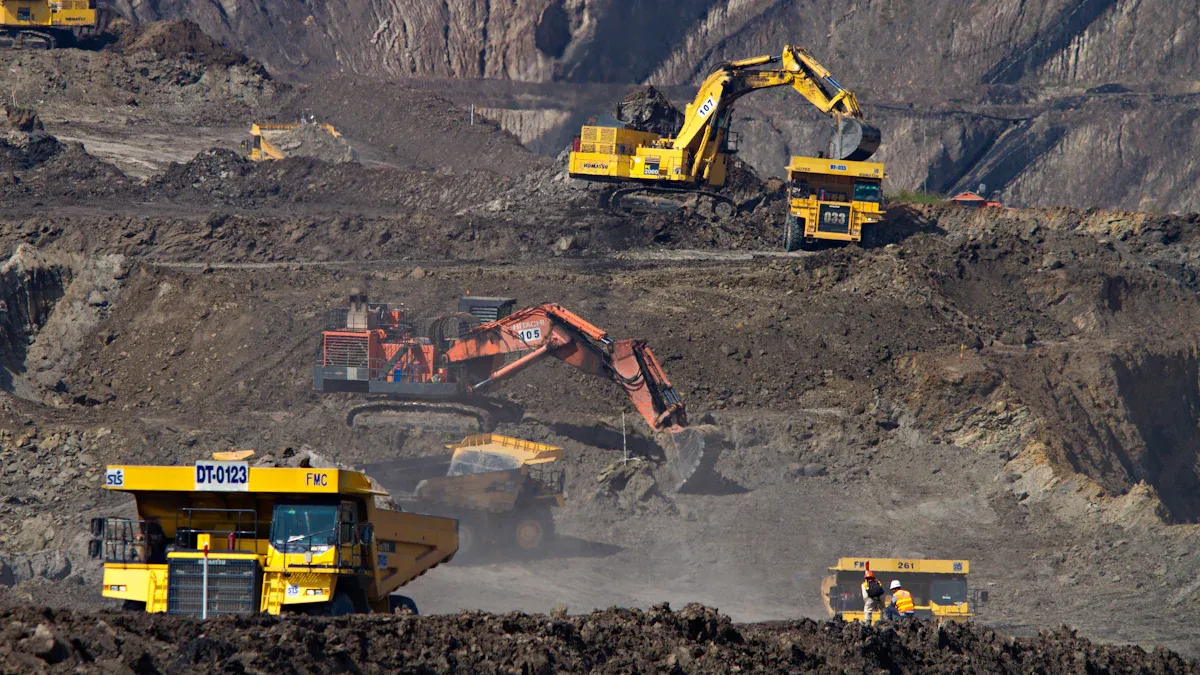
Combined heat and power gas solutions for the mining industry deliver practical benefits beyond basic electricity generation. These systems enhance mine worker safety through reliable power for ventilation and lighting. Optional gas conditioning equipment removes impurities before combustion. Mines can also harness methane as an alternative energy source, turning a waste product into valuable fuel.
Scalability and Quick Installation
Mining operations change over time. A new excavation site may require additional power within weeks. Gas power solutions scale to meet these shifting demands without major infrastructure overhauls. SWT offers a comprehensive range of gas generator sets suitable for operations of every size.
The SSN Series powered by Shenny covers smaller requirements from 20kW to 500kW at 50Hz. These units feature a unique piston shape design for optimal compression ratio and minimal emissions. For larger operations, the Cummins K50N and K38N models provide robust performance at scale. The Cummins K19N offers a reliable 19L platform option for mid-range needs.
Installation timelines favor gas systems considerably. Modular generator sets arrive pre-assembled and ready for connection. A mine can add capacity incrementally as production grows. This modular approach avoids the large upfront capital commitment required for a single massive turbine installation.
Fuel Availability and Logistics
Natural gas is widely available through extensive pipeline networks across many mining regions. This widespread infrastructure reduces fuel delivery complexity. Mines located near existing pipelines gain immediate access to reliable fuel supplies.
Hybrid power plants that combine diesel, gas, or renewable energy sources with battery storage allow mines to use more of the energy they produce. Battery storage captures excess power during low-demand periods. That stored energy discharges during peak demand or when primary generation goes offline. This configuration maximizes fuel efficiency and reduces waste.
SWT provides specific models engineered for demanding mining environments. The Hanma SG1250 and SG340 Gas Generator Sets deliver dependable gas power generation for various applications. The Yuchai Series provides 1000 kW output with 10.5KV rated voltage and 50Hz frequency. These units operate on natural gas, biogas, and landfill gas, giving mine operators flexibility in fuel sourcing.
Gas power solutions are a highly suitable and advantageous choice for mining sites. They reduce energy costs and lower maintenance expenses compared to diesel. Modern gas engines deliver reliable, efficient power for remote operations. Emissions are significantly lower, helping mines meet strict regulatory standards. Scalability and fuel logistics further strengthen the operational case.
The future of mining will demand cleaner, more flexible energy. Gas power will play a central role in that transition. SWT remains committed to quality and customer support. Their comprehensive range of gas generator sets ensures reliable power for sustainable mining operations worldwide.