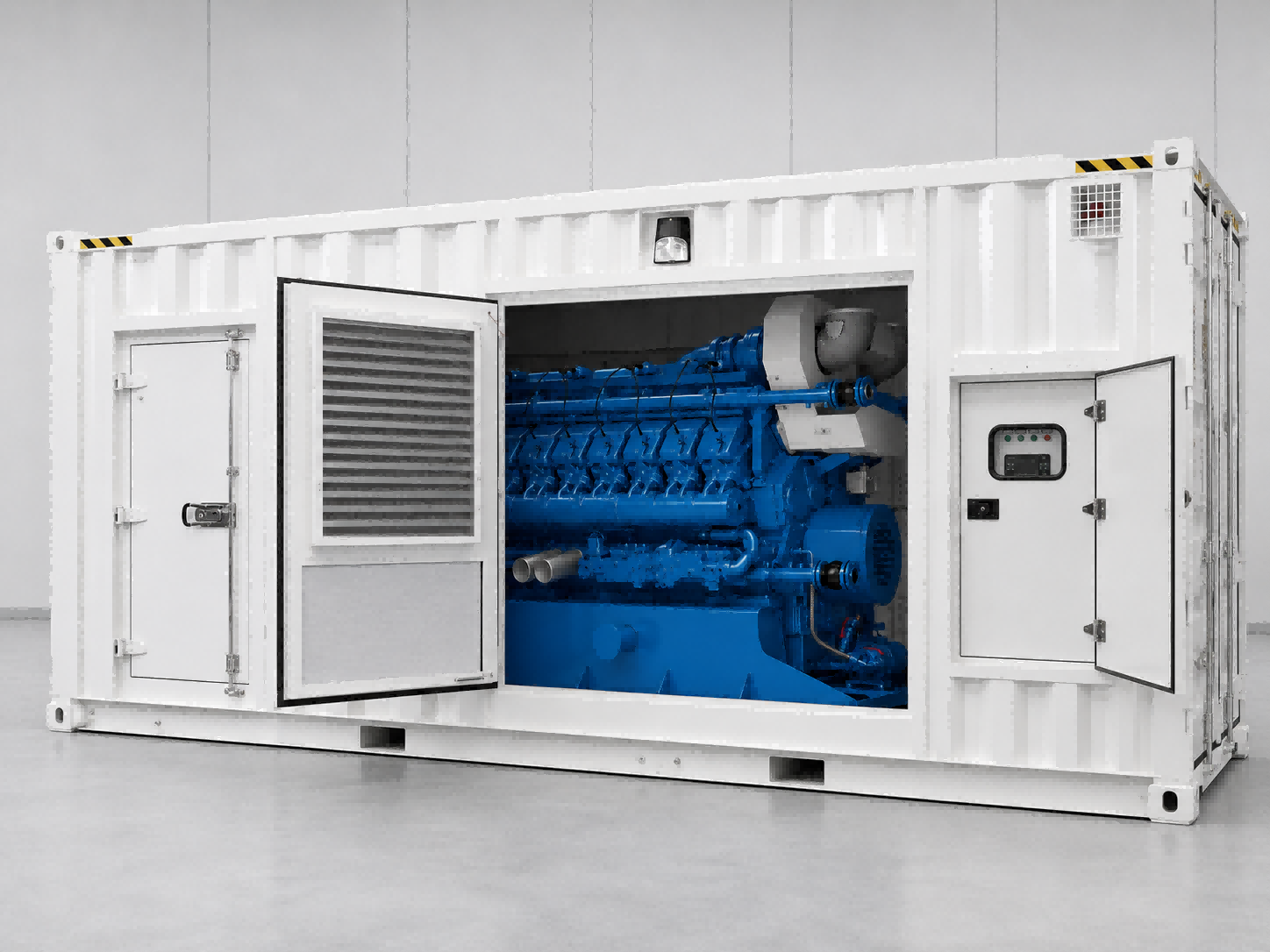
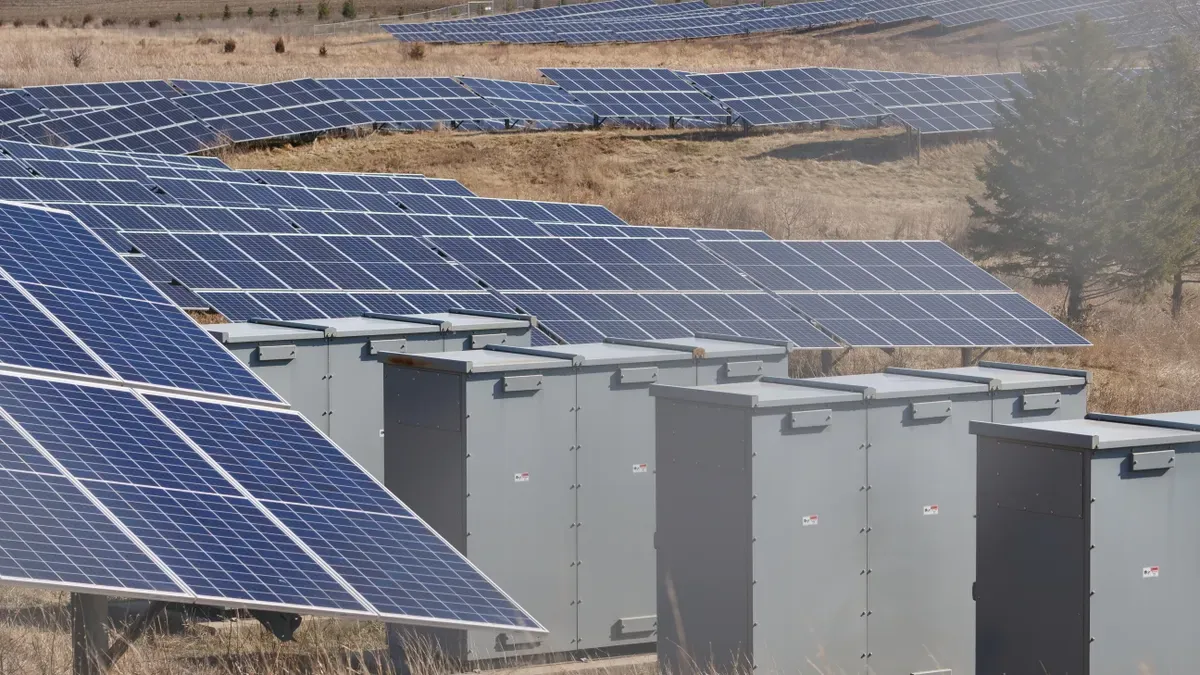
A solar storage diesel microgrid combines solar panels, battery storage, and diesel generators. An intelligent controller manages all three sources to deliver stable, self-sufficient power for mining. Solar panels generate electricity during daylight hours. Batteries store excess energy for use when the sun sets or clouds block the light. Diesel generators start automatically when stored energy runs low or demand spikes. This article walks through each component and explains the control logic that keeps everything balanced. Readers will see how the controller prioritizes sources and switches between them without interrupting operations. Here is how these three sources work together to keep mining equipment running reliably.
Core components of a solar storage diesel microgrid
Solar panels and battery storage
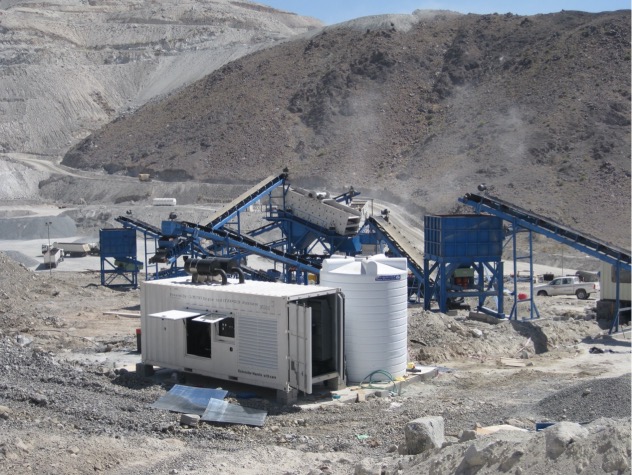
A solar storage diesel microgrid relies on a self-contained energy system design. Photovoltaic panels form the primary generation source. They convert sunlight into direct current electricity during daylight hours. Lithium battery storage captures excess energy that the mine does not consume immediately. This stored energy powers operations after sunset or during cloudy periods.
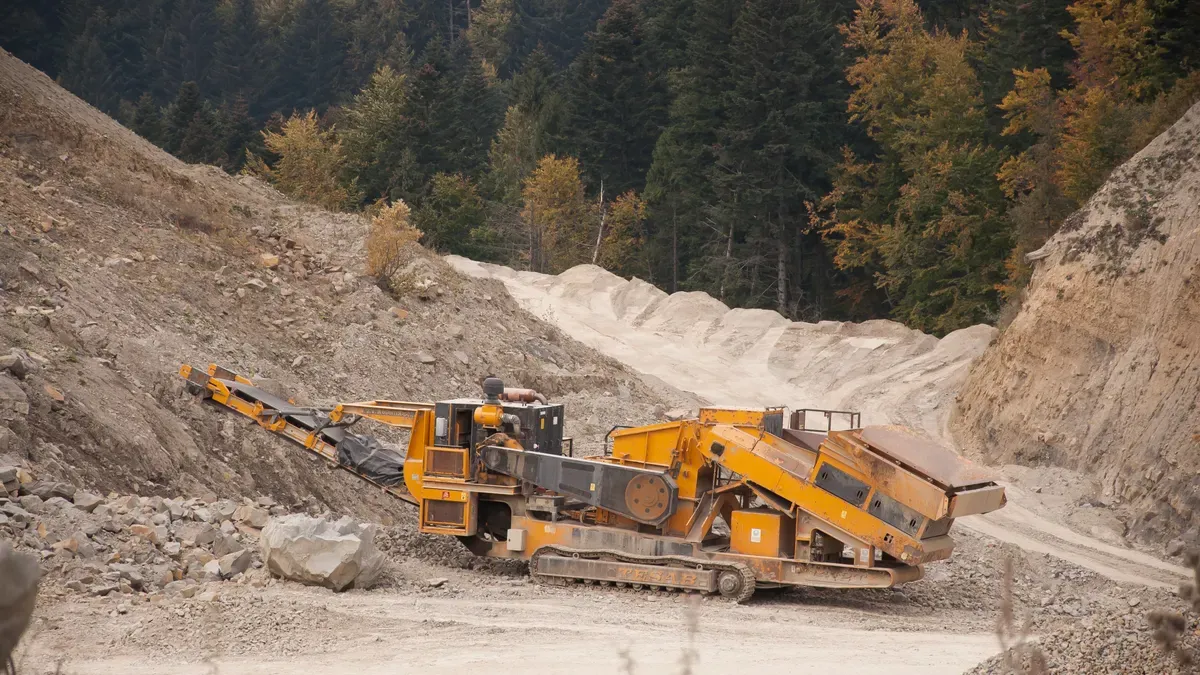
Dust poses a serious challenge for solar panels at mining sites. High particulate density from excavation, drilling, hauling, and blasting produces abundant airborne mineral dust. This dust settles quickly on panel surfaces. Mining dust contains metallic oxides, clay fines, and silica. These particles stick more than ordinary sand because of electrostatic effects and machine moisture. Panels within 15 meters of active haul roads face constant soiling with no natural barriers. Surface abrasion from coarse particles reduces light transmission even after cleaning. Recommended cleaning intervals range from 3 to 4 days during high-deposition periods and 6 to 7 days during low-deposition phases.
Diesel generators and intelligent controls
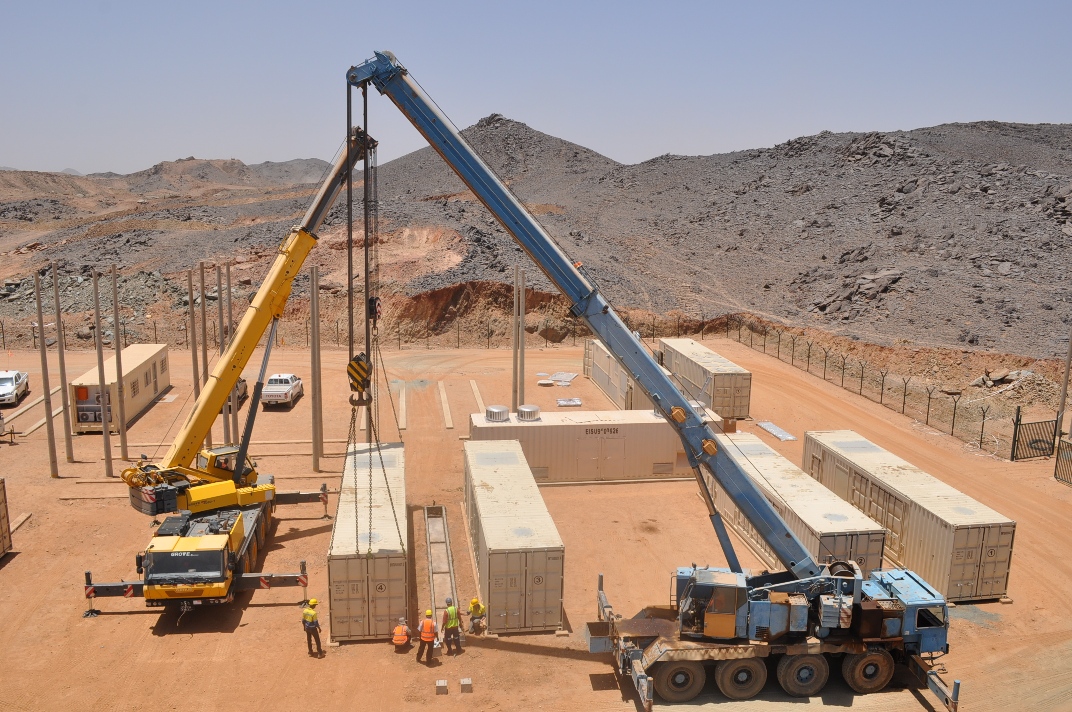
Diesel generators serve as the backup power source for remote mining locations. They provide rapid startup, accept large loads, and deliver strong transient response. These units can operate at loads as low as 20 percent. Traditional diesel generators typically have a continuous runtime limit of 24 to 72 hours before mandatory maintenance shutdowns.
The intelligent controller continuously monitors solar output, battery state of charge, and mining load demand. It dispatches generation resources in a priority order: renewables first, then batteries, then diesel generator sets. Intelligent start-stop mechanisms eliminate unnecessary idle time. Load forecasting helps the controller avoid running the generator when conditions do not require it.
How the control system prioritizes power sources
The intelligent controller forms the brain of the entire microgrid. It continuously monitors three critical variables: solar panel output, battery state of charge, and real-time mining load demand. Based on these readings, the controller dispatches generation resources in a strict priority order. Solar power comes first. Batteries provide the second layer. Diesel generators serve as the last resort. This seamless switching ensures that mining equipment never experiences a power interruption. The controller evaluates conditions continuously and adjusts the generation mix without any operator intervention.
Solar-first logic and battery dispatch
The energy management system implements a solar-first strategy. It gives photovoltaic power first priority whenever production is available. Solar panels serve the facility load directly during daylight hours. If the solar output exceeds immediate demand, the excess energy charges the battery energy storage system. The controller allows battery charging only when the dispatch strategy and battery state of charge limits permit.
The battery energy storage system covers short-term gaps between renewable generation and demand. It also regulates the local bus voltage and frequency to maintain power quality. When both solar and battery conditions are sufficient, the controller stops the configured diesel generators entirely. The grid-forming battery maintains the microgrid on its own during these generator-off periods.
The controller relies on several key inputs to make decisions. Battery state of charge provides a primary signal for energy availability. Load demand tells the system how much power the mine requires at any moment. PV generation and forecast data help the controller anticipate solar availability for the coming hours. Reserve requirements ensure the microgrid maintains a safety buffer for unexpected events. Generator limits define the minimum and maximum output of each diesel unit. Required operating autonomy specifies how long the microgrid must run without generator support. The controller weighs all these factors continuously in real time.
The EMS increases solar utilization, creates generator-off periods, improves generator loading, reduces unnecessary starts, and uses BESS response to reduce part of the spinning-reserve requirement.
Real-time operation follows a clear daily pattern. Daytime solar covers the baseload of mining operations. When clouds pass overhead or evening arrives, the batteries handle the transition smoothly. The diesel generators start only during sustained low generation or peak demand events that exceed battery capacity. When solar output falls below demand, the controller evaluates battery storage, generators, and grid supply options. The EMS manages this switch smoothly to avoid any disruption to operations. A solar storage diesel microgrid achieves optimal fuel economy through this careful prioritization logic.
Diesel backup for weather and load spikes
Diesel generators remain available for situations that exceed the capacity of solar and batteries. Extended cloudy weather reduces photovoltaic output significantly over multiple days. Dust accumulation on panels further limits generation after several days without cleaning. Under these conditions, the battery discharges to cover the gap. When the battery reaches its minimum state of charge threshold, the controller starts the diesel generator automatically.
Load spikes from mining equipment create another scenario for diesel activation. Crushers and conveyor belts engage suddenly and draw large amounts of power. Traditional governors respond to these load changes in 2 to 5 seconds. This delay can cause frequency and voltage instability across the microgrid. The electronic fuel injection system in modern generators compensates instantly when a conveyor belt or crusher engages. It maintains stable voltage and frequency to protect sensitive mining equipment downstream.
Sudden load spikes also generate uneven heat inside the engine. These temperature overshoots and thermal cycles accelerate engine wear over time. This stress reduces generator lifespan if the system subjects the engine to frequent spikes. The hybrid microgrid design minimizes generator runtime, which helps reduce exposure to these harmful conditions.
The controller does not keep the diesel running indefinitely. Once the battery recharges to a sufficient level, typically around 80 percent state of charge, the controller shuts the generator off. The microgrid returns to silent operation on solar and battery power alone. This intelligent start-stop mechanism eliminates unnecessary idle time and reduces fuel consumption significantly. The controller repeats this evaluation cycle continuously, maintaining optimal balance between all three power sources.

Key benefits for mining operations
Lower fuel costs and reduced emissions
A solar storage diesel microgrid delivers significant cost savings for mining operations. Mines can achieve substantial energy cost reductions through renewable integration. For example, a copper mining operation in Zambia at 1,400 meters elevation used a 600 kW diesel generator load, with actual fuel consumption of 0.28 L/kWh, which falls within the typical 0.2–0.4 L/kWh range for diesel generators in mining microgrids. By incorporating solar and battery storage, mines can reduce diesel generator runtime through intelligent controls that eliminate unnecessary idle time and optimize load sharing.
Fuel reduction directly impacts operating expenses. The levelized cost of energy for diesel-only generation is typically higher than that of hybrid systems, though exact figures depend on location and operation. A typical mining site consuming diesel can achieve substantial fuel reductions by limiting generator runtime to periods of low solar and battery capacity.
Real-world implementations of hybrid microgrids have demonstrated fuel and cost savings, supported by intelligent EMS control. The EMS increases solar utilization, creates generator-off periods, improves generator loading, reduces unnecessary starts, and uses BESS response to reduce part of the spinning-reserve requirement.
Financial modeling consistently shows that hybridizing with renewables lowers life-cycle energy costs for off-grid sites. Even where diesel is subsidized, the economic equation is shifting.
Reliable power and lifecycle support
Solar-powered microgrids deliver more reliable power than diesel-only generator sets. This improved reliability contributes to better business resilience for mining operations. Microgrid off-takers benefit from security of supply and reduced power outages, especially in regions where grid reliability is poor.
Hybrid microgrid configurations offer cost advantages. For example, a system using PV, storage, and diesel backup can provide reliable power at competitive costs.
Traditional microgrids usually rely on a single energy source for backup. Hybrid microgrids use dual-source integration, prioritizing renewables and using fossil fuels only when necessary. This results in better fuel flexibility, lower costs, and a smaller carbon footprint.
Ongoing support services help sites maintain reliability across the equipment lifecycle.
A solar storage diesel microgrid uses solar as the primary source, batteries as the buffer, and diesel as the backup. An intelligent controller coordinates all three. This design cuts diesel consumption and emissions, lowers operating costs, and delivers uninterrupted power for mining equipment. Mines increasingly adopt hybrid microgrids for energy independence and sustainability. Ongoing support services help sites maintain reliability across the equipment lifecycle.