Power interruptions are no longer viewed as occasional inconveniences in modern industrial environments. For manufacturing plants, data centers, hospitals, mining operations, and large commercial facilities, even a short power outage can trigger significant operational and financial consequences.
Production lines may stop unexpectedly. Automated equipment can lose synchronization. Data servers may shut down without proper backup procedures. Medical facilities face risks to critical patient care systems. Construction and mining projects often experience delays that affect project schedules and contractual obligations.
As industrial facilities continue to adopt automation, robotics, intelligent control systems, and digital infrastructure, power reliability has become a strategic operational requirement rather than a simple utility concern.
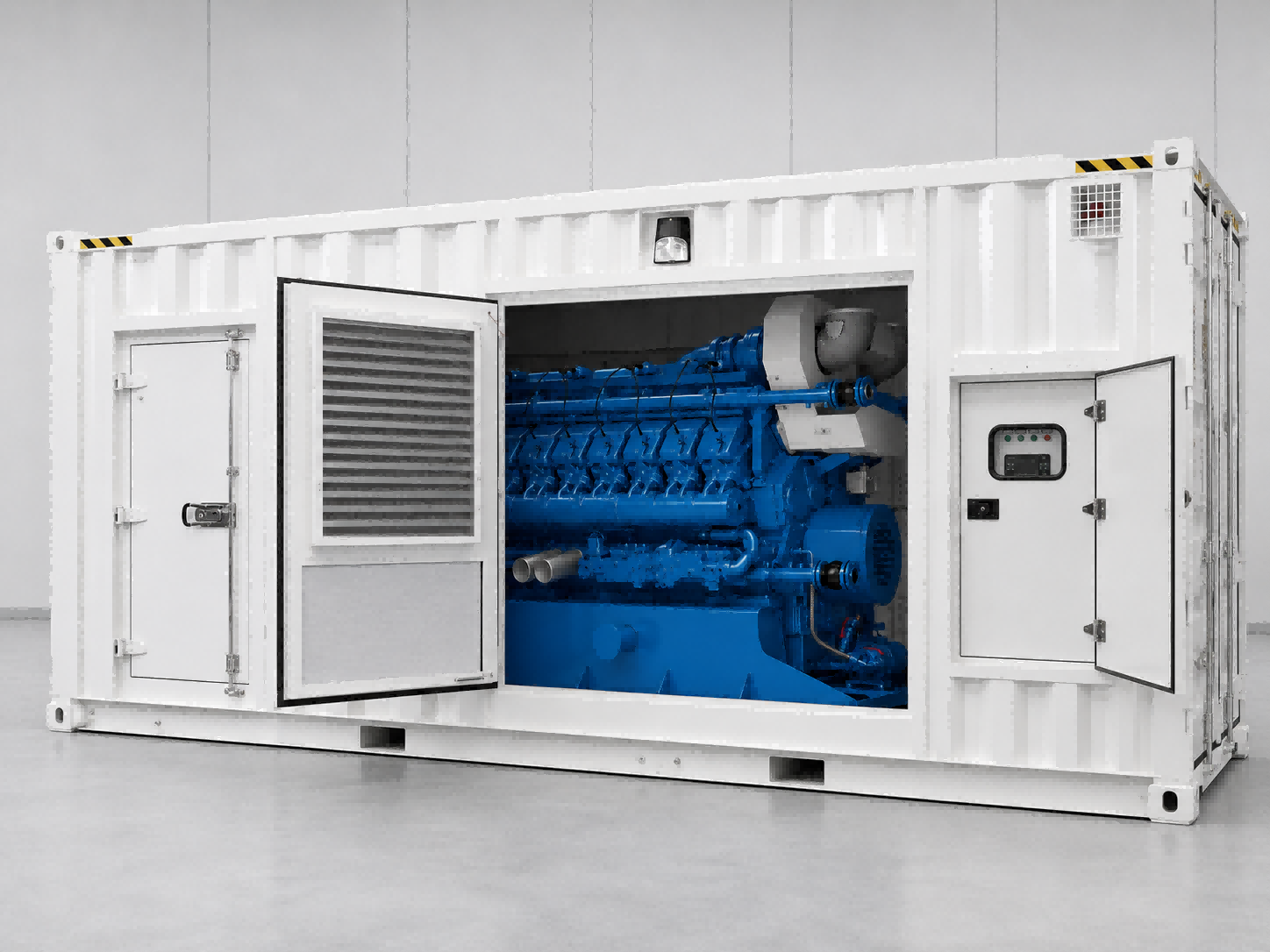
This growing demand for dependable backup and prime power solutions has increased the adoption of the 500kVA Diesel Generator Set across multiple industries. Positioned between medium-capacity and large-scale power generation systems, a 500kVA generator provides sufficient capacity to support critical industrial loads while maintaining operational flexibility and cost efficiency.
When equipped with a proven engine platform such as the Cummins KTA19-G3A, these generator sets deliver stable power output, excellent load acceptance characteristics, long operating life, and strong performance under demanding conditions.
From standby power protection to continuous prime power applications, a properly configured 500kVA diesel generator remains one of the most practical investments for organizations that cannot afford unexpected downtime.
What Is a 500kVA Diesel Generator Set?
A 500kVA diesel generator set is an integrated power generation system consisting of:
- Diesel engine
- Alternator
- Control system
- Cooling system
- Fuel system
- Protective enclosure (optional)
The unit converts diesel fuel into electrical energy and supplies power during outages or in locations where grid electricity is unavailable.
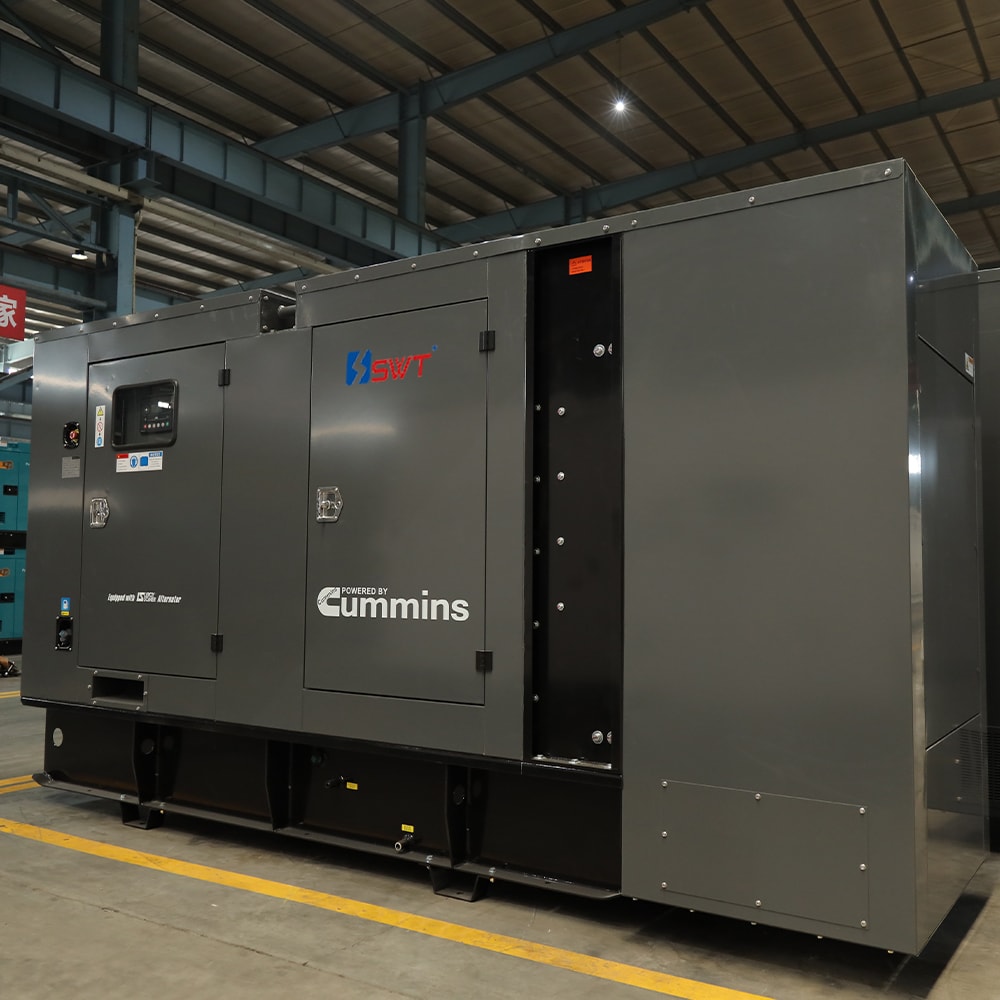
Understanding kVA Ratings
One of the most common questions among project owners is the difference between kVA and kW.
kVA represents apparent power, while kW represents actual usable power.
For industrial generator applications, power factor is typically assumed to be 0.8.
| Generator Rating | Power Factor | Available Power |
|---|---|---|
| 500kVA | 0.8 | 400kW |
| 625kVA | 0.8 | 500kW |
| 1000kVA | 0.8 | 800kW |
Therefore, a 500kVA Diesel Generator Set can typically provide approximately 400kW of usable electrical power.
This capacity is suitable for many medium-sized industrial facilities and critical infrastructure applications.
Prime Power vs Standby Power
Generator ratings are usually classified into two operating categories.
Prime Power
Prime power generators serve as the primary source of electricity when utility power is unavailable.
Applications include:
- Mining sites
- Remote construction projects
- Oil and gas facilities
- Off-grid industrial operations
Standby Power
Standby generators operate during utility power failures and remain idle during normal conditions.
Applications include:
- Hospitals
- Data centers
- Commercial buildings
- Manufacturing facilities
Selecting the correct rating category is essential because operating profiles directly affect engine life, maintenance schedules, and fuel consumption.
Key Features of Modern Cummins-Powered Generator Sets
The performance of any diesel generator depends heavily on its engine platform.
The Cummins KTA19-G3A engine has become one of the most widely deployed power solutions in industrial generator applications due to its durability, efficiency, and proven field performance.
Engine Performance
Industrial facilities require generator sets capable of handling sudden load variations.
Examples include:
- Motor starting
- Compressor startup
- Pump operation
- Manufacturing equipment activation
The KTA19-G3A engine provides strong transient response characteristics, helping maintain stable voltage and frequency during rapid load changes.
This capability is particularly important in facilities with multiple inductive loads.
Fuel Efficiency
Fuel expenses represent one of the largest long-term operating costs of any generator installation.
A well-designed Cummins-powered generator offers:
- Optimized combustion efficiency
- Lower fuel consumption per kWh generated
- Improved operating economics
- Reduced operating costs during extended runtimes
For facilities using generators as prime power sources, fuel efficiency directly influences total cost of ownership.
Reliability and Service Life
Generator downtime often creates more problems than utility outages themselves.
Reliability becomes a critical selection factor.
The Cummins KTA19-G3A platform is recognized for:
- Heavy-duty construction
- Proven industrial design
- Long overhaul intervals
- Worldwide service support
For operators managing mission-critical facilities, reliability frequently outweighs minor differences in acquisition cost.
Prime Power vs Standby Power Applications
Although the same generator may be used in both scenarios, operational requirements differ significantly.
| Feature | Prime Power | Standby Power |
| Operating Hours | Unlimited annual operation | Emergency operation only |
| Typical Use | Remote sites and off-grid facilities | Backup during utility outages |
| Load Profile | Variable and continuous | Intermittent |
| Fuel Consumption Importance | Very High | Moderate |
| Maintenance Frequency | Higher | Lower |
| Design Focus | Efficiency and durability | Fast response and reliability |
From an engineering perspective, understanding the operating profile is one of the most important steps in generator sizing and specification.
A generator selected for standby service may not be suitable for continuous prime power operation without appropriate derating considerations.
Why Power Quality Matters
Generator capacity alone does not determine system performance.
Power quality often plays an equally important role.
Many industrial facilities now rely on sensitive electronic equipment that requires stable electrical characteristics.
Voltage Stability
Voltage fluctuations can affect:
- PLC systems
- Industrial automation equipment
- Variable frequency drives
- Communication systems
Poor voltage regulation may lead to equipment malfunctions or process interruptions.
Modern industrial generator sets are designed to maintain stable output under changing load conditions.
Total Harmonic Distortion (THD)
Harmonic distortion has become increasingly important as facilities adopt more electronic devices and non-linear loads.
A generator with THD below 5% offers significant advantages for:
- Data centers
- Medical equipment
- Precision manufacturing
- Automation systems
Lower harmonic levels contribute to:
- Improved equipment performance
- Reduced overheating
- Longer equipment life
- Greater operational reliability
Protection of Sensitive Equipment
Data centers and industrial automation systems often contain equipment worth millions of dollars.
Power disturbances can create risks far exceeding the cost of the generator itself.
Stable output power helps protect:
- Servers
- Storage systems
- Network infrastructure
- Industrial control systems
This is one reason power quality has become a major consideration in modern generator procurement decisions.
Industries That Commonly Use 500kVA Generator Sets
The versatility of a 500kVA generator makes it suitable for a wide range of applications.
Manufacturing Plants
Manufacturing facilities frequently use diesel generators to support:
- Production lines
- Packaging equipment
- Automated machinery
- Material handling systems
Unexpected power interruptions can result in:
- Product loss
- Equipment shutdown
- Production delays
- Increased operational costs
A standby generator minimizes these risks.
Data Centers
Data centers require continuous power availability.
Even a brief outage can affect:
- Customer services
- Data integrity
- Network connectivity
- Business operations
A 500kVA standby generator often serves as part of a layered backup strategy alongside UPS systems.
Hospitals
Healthcare facilities rely on uninterrupted power for:
- Operating rooms
- Diagnostic equipment
- Life-support systems
- Emergency services
Backup generators are often mandatory components of hospital infrastructure.
Mining Operations
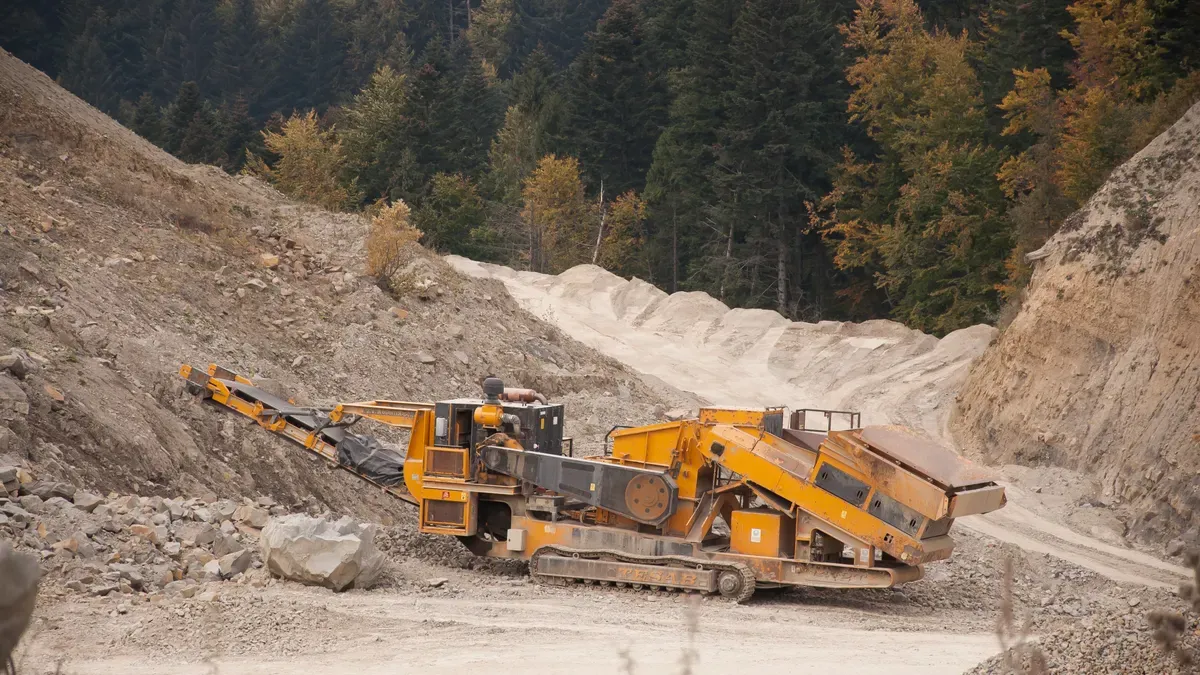
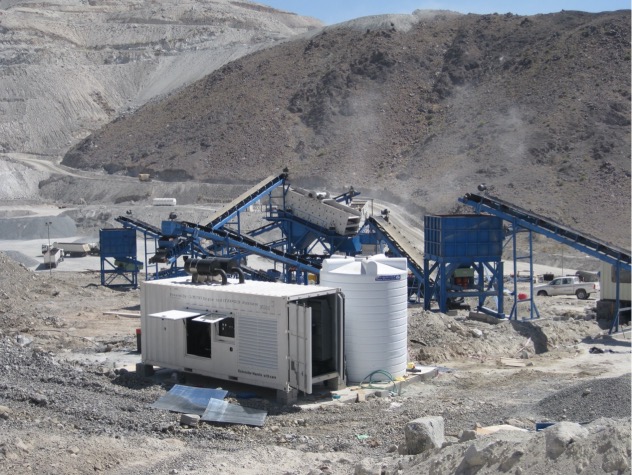
Mining sites frequently operate in remote locations where grid access may be limited or unavailable.
Prime power generator systems support:
- Drilling equipment
- Processing facilities
- Lighting systems
- Worker accommodations
Construction Projects
Large construction projects often require temporary power solutions.
Applications include:
- Tower cranes
- Site offices
- Welding equipment
- Temporary lighting
Commercial Buildings
Commercial complexes and office buildings use standby generators to maintain:
- Elevators
- Security systems
- HVAC equipment
- Emergency lighting
These systems improve business continuity and occupant safety.
Benefits of Parallel Generator Systems
As facilities expand, power demand often increases beyond the capacity of a single generator.
Parallel generator systems provide an effective solution.
Modern systems can support up to 32 generator sets operating in parallel.
Scalability
Facilities can increase capacity gradually.
Instead of installing a much larger generator initially, operators can add units as demand grows.
Redundancy
Redundancy improves system reliability.
If one generator requires maintenance, remaining units can continue supporting critical loads.
This approach is commonly used in:
- Data centers
- Hospitals
- Industrial parks
Maintenance Flexibility
Parallel systems allow maintenance activities without complete power interruptions.
This capability significantly improves operational continuity.
Improved Load Management
Multiple generators can operate more efficiently across varying load conditions.
Benefits include:
- Better fuel efficiency
- Reduced engine wear
- Increased system lifespan
For mission-critical facilities, parallel operation frequently provides the most resilient power architecture.
Factors to Consider Before Purchasing
Selecting a generator involves more than comparing kVA ratings.
Several engineering and operational factors should be evaluated.
Fuel Consumption
Long-term operating costs often exceed initial purchase costs.
Questions to consider include:
- Expected runtime
- Fuel availability
- Fuel storage requirements
- Fuel efficiency targets
Noise Requirements
Different environments require different acoustic solutions.
| Configuration | Typical Application |
| Open Type | Dedicated generator rooms |
| Silent Type | Commercial sites |
| Super Silent Type | Urban environments and hospitals |
Noise regulations should always be reviewed during project planning.
Installation Space
Generator placement affects:
- Cooling airflow
- Maintenance access
- Fuel system design
- Exhaust routing
Space limitations may influence enclosure selection and equipment layout.
Control Systems
Modern industrial facilities increasingly require advanced controls.
Important features include:
- Automatic transfer operation
- Load management
- Remote monitoring
- Alarm systems
- Data logging
Future Expansion
Many facilities underestimate future power growth.
Selecting a generator system with expansion capability can reduce future capital expenditures.
Parallel-ready systems provide valuable flexibility for growing operations.
Future Trends in Industrial Backup Power
The power generation industry continues evolving alongside industrial digitalization.
Several trends are shaping future generator installations.
Remote Monitoring
Operators increasingly expect real-time visibility into generator performance.
Modern systems provide:
- Operating status
- Fuel levels
- Engine parameters
- Alarm notifications
Remote monitoring improves response times and reduces downtime risks.
Smart Controllers
Advanced controller platforms support:
- Load analysis
- Event logging
- Predictive diagnostics
- Remote configuration
These capabilities enhance operational efficiency.
Hybrid Power Systems
Many facilities are integrating diesel generators with:
- Solar power
- Battery energy storage systems
- Microgrids
Hybrid systems help reduce fuel consumption while maintaining reliability.
Predictive Maintenance
Predictive maintenance uses operating data to identify potential issues before failures occur.
Benefits include:
- Reduced downtime
- Lower maintenance costs
- Improved equipment lifespan
- Better asset management
As industrial facilities continue adopting digital technologies, predictive maintenance is expected to become a standard feature in advanced power generation systems.
A 500kVA Diesel Generator Set remains one of the most practical and reliable power solutions for industrial and commercial operations requiring dependable electricity.
With approximately 400kW of usable power, strong load acceptance capability, low harmonic distortion, and flexible operating configurations, these systems support a wide range of applications from manufacturing plants and hospitals to data centers and mining operations.
When powered by the proven Cummins KTA19-G3A engine, the generator delivers the durability, efficiency, and reliability required for both standby and prime power applications.
From an engineering and procurement perspective, the most successful generator projects begin with a clear understanding of load requirements, operating profiles, power quality expectations, and future expansion plans.
Facilities that evaluate these factors carefully are better positioned to achieve long-term reliability, lower operating costs, and improved operational resilience in an increasingly power-dependent world.