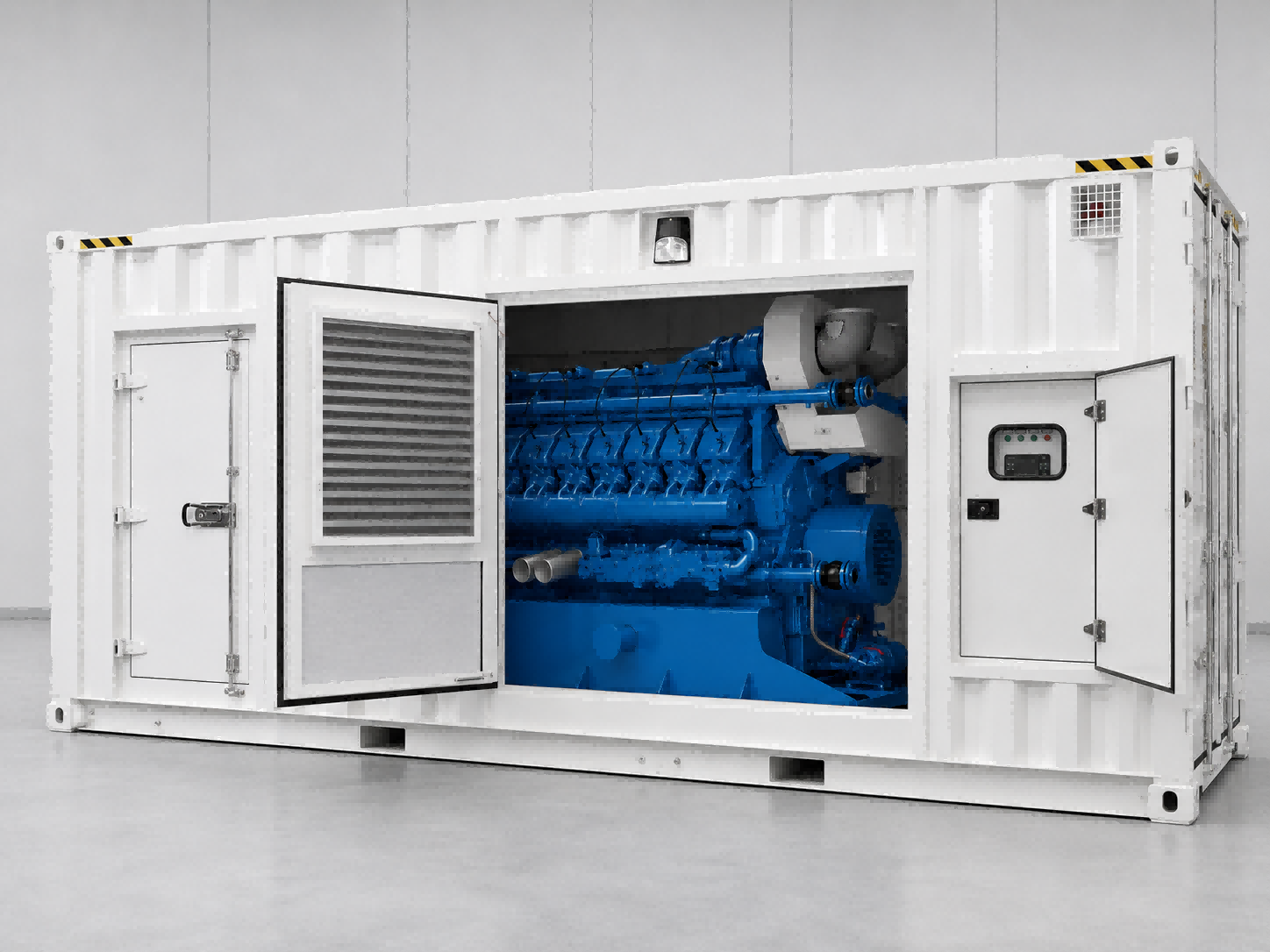
Reliable power forms the backbone of any data center. According to a report from the Uptime Institute, 52% of data center power outages are attributed to electrical problems, making power failures a leading threat to uptime. UPS and generators work together using a layered backup approach to maintain continuous operations. This approach ensures that when utility power fails, UPS systems bridge the gap instantly, while generators start up to provide long-term support. Their coordination prevents downtime, protects critical workloads, and safeguards data integrity.
- Reliable power is essential for data centers to prevent data loss and downtime.
- UPS systems provide immediate backup power, ensuring operations continue during outages.
- Generators supply long-term power, maintaining operations when utility power is unavailable.
- Automatic transfer switches enable quick transitions between power sources, minimizing interruptions.
- Coordination between UPS and generators protects critical workloads and enhances operational resilience.
UPS and Generators Coordination
Immediate Response by UPS
Data centers rely on a layered backup approach to maintain resilience during power disturbances. When utility power fails, UPS and generators coordinate to ensure uninterrupted operations. UPS systems detect power loss instantly and provide immediate backup. Double-conversion online UPS systems use an internal automatic static transfer switch to transfer loads automatically if a fault occurs. Many facilities also use an external maintenance bypass, which allows safe manual transfer of critical loads for maintenance.
UPS systems incorporate automatic transfer switches for rapid source switching. These switches enable seamless transitions between utility and backup power sources. The UPS delivers stable, conditioned power to critical IT infrastructure, protecting against micro-disturbances and grid instability. This immediate response prevents downtime and data loss, which can lead to significant financial losses.
Tip: UPS systems act as the first line of defense, bridging the gap between utility power loss and generator startup.
Generator Startup Process
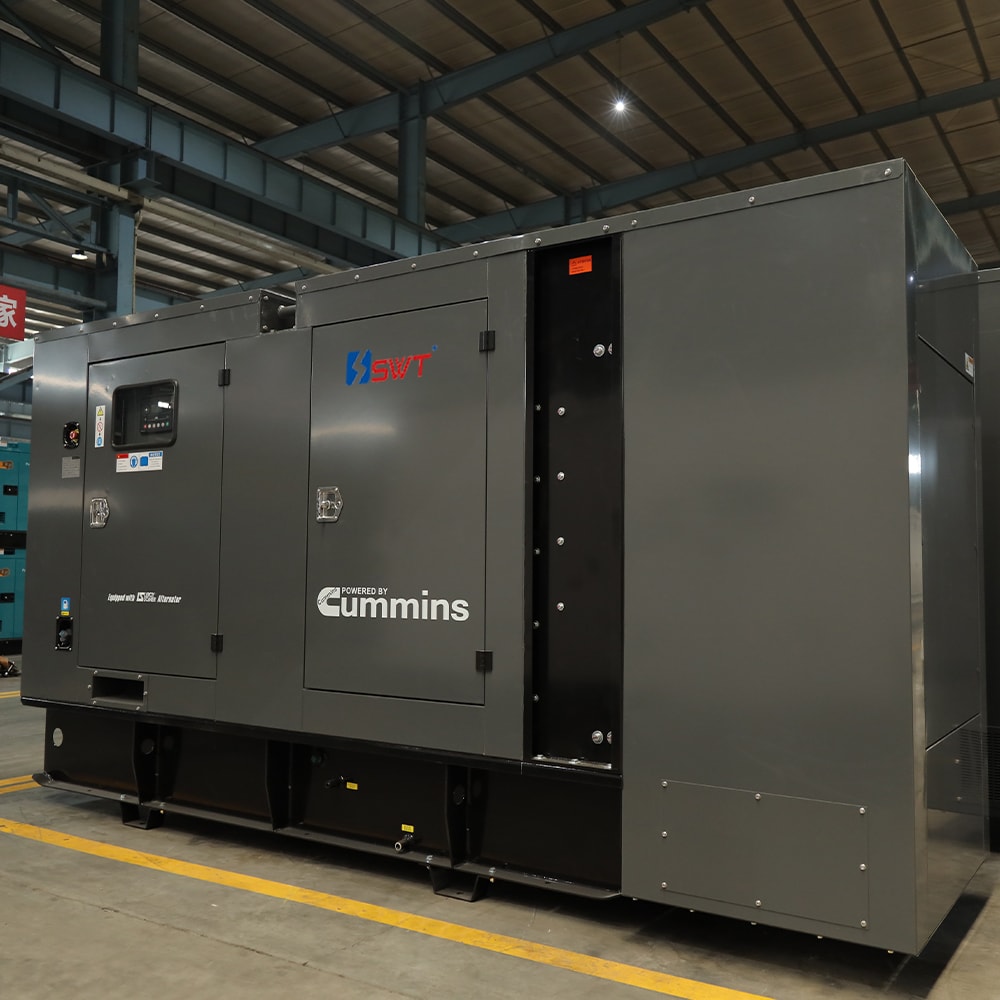
UPS and generators work together to restore power quickly. Diesel generators are favored in data centers for their rapid startup times. Facilities can experience uninterrupted power restoration in as little as 10 seconds. Diesel generators can start and accept a full load in under 10 seconds, which is crucial for emergency power reliability.
The generator startup process involves several steps:
- The automatic transfer switch (ATS) monitors utility power and detects a loss.
- The ATS signals the generator to start, usually within 2-10 seconds.
- The generator undergoes a brief warm-up period, lasting about 5-10 seconds.
- The ATS transfers the load to the generator, typically in milliseconds.
- The generator supplies continuous power until utility power returns.
This sequence ensures that the transition from UPS to generator power happens quickly and efficiently.
Seamless Transition Mechanism
A seamless transition mechanism is vital for maintaining uptime. The automatic transfer switch constantly monitors utility voltage and frequency. If power drops outside programmed tolerances, the controller recognizes a failure and signals the generator to start. The ATS waits until the generator reaches proper voltage and frequency, which takes only a few seconds.
The ATS then disconnects the facility from the utility source and connects it to generator power. Most systems use a break-before-make transfer to avoid electrical faults. When stable utility power returns, the ATS transfers the load back to the grid and initiates generator cooldown and shutdown.
Automatic transfer switches detect utility failure and transfer loads to an alternate source based on defined logic and timing, minimizing interruption during outages.
UPS and generators must coordinate precisely to prevent delays in the transition. Delays can lead to costly outages. A recent study by the Uptime Institute revealed that 60 percent of data center outages result in direct financial losses, with 25 percent costing over 1 million dollars. Many outages begin with micro-disturbances, not complete power failures, highlighting the importance of timely transitions.
UPS and generators form a robust layered backup system. Their coordination ensures that data centers maintain continuous power, protect critical workloads, and avoid costly downtime.
Power Failure Sequence
Utility Power Loss
Data centers face utility power loss from a variety of sources. Severe weather events, such as hurricanes, wildfires, ice storms, and floods, often disrupt utility grids. Cyber attacks can target utilities or data center control systems, disabling power management. The growing demand for digital services and artificial intelligence strains existing power systems. An aging power grid with outdated infrastructure also increases the risk of outages. Malfunctioning hardware and human error contribute to these failures. Fire incidents, especially in facilities with densely packed servers, can cause significant downtime despite fire suppression systems.
- Severe weather events disrupt utility grids.
- Cyber attacks target power management systems.
- Increased electrical demand strains infrastructure.
- Aging grids and hardware failures cause outages.
- Fires and human error lead to downtime.
UPS Bridge Time
When utility power fails, the UPS system responds instantly. It provides backup power to critical loads, ensuring that servers and networking equipment remain operational. The UPS acts as a bridge, maintaining power until the generator becomes fully operational. Most data centers design their UPS systems to supply power for five to fifteen minutes, which is enough time for the generator to start and stabilize.
| Industry Type | Typical UPS Battery Runtime |
|---|---|
| Internet Giants | 1-2 minutes |
| Cloud and Colocation | 5 minutes |
| Financial Industry | 10-15 minutes |
Operators determine the required UPS bridge time by considering factors such as battery capacity, discharge rate, temperature, and load power factor. They often add a design margin to account for battery aging and environmental conditions.
UPS systems provide instant backup, bridging the gap until generators take over.
Generator Takes Over
Once the generator reaches the correct voltage and frequency, the automatic transfer switch shifts the load from the UPS to the generator. This transition must occur smoothly to prevent any interruption. Regular testing of generators under realistic loads helps prevent operational failures. Automated monitoring and fuel quality management ensure reliable performance during extended outages. UPS and generators must synchronize their timing to reduce the risk of unplanned outages and maintain continuous power for the data center.
UPS and Generators Roles
UPS for Short-Term Backup
UPS systems play a critical role in providing immediate backup power during outages. They activate instantly, ensuring that essential equipment continues to operate without interruption. This rapid response reduces the risk of downtime for critical operations. Unlike generators, UPS systems do not require startup time. They deliver continuous power supply and allow workflows to continue smoothly.
| Role of UPS Systems | Description |
|---|---|
| Continuous Power Supply | UPS systems ensure that essential equipment remains operational during power outages, allowing workflows to continue without interruption. |
| Transition to Alternate Power | They provide sufficient time to switch to alternative power sources during prolonged outages. |
Different UPS technologies offer varying levels of protection. The table below highlights their performance:
| UPS Type | Backup Performance Characteristics | Suitability for Short-Term Use |
|---|---|---|
| Standby UPS | Switches to battery during outages, basic protection. | Less suitable for critical applications. |
| Line-Interactive UPS | Regulates voltage without battery use, extends battery life. | Ideal for environments with minor fluctuations. |
| Double-Conversion On-Line UPS | Provides continuous power conditioning, highest level of protection against disturbances. | Best for critical operations like data centers. |
Note: Medical-grade UPS systems support surgical rooms and patient transport, while consumer-grade units protect home electronics.
Generator for Long-Term Support
Generators provide the long-term power needed during extended outages. Most data centers store enough diesel fuel to operate continuously for two to three days. This design ensures that generators can support operations for at least this duration. Fuel storage and refueling logistics are essential for reliable generator performance. On-site fuel storage gives immediate access to diesel, while automated systems transfer fuel quickly to generators. Regular maintenance and fuel quality checks prevent failures caused by poor fuel management or contamination.
- Generators supply power for days during major outages.
- Automated fuel systems minimize downtime.
- Maintenance and fuel checks ensure reliability.
Coordination for Uptime
UPS and generators must work together to prevent downtime and data loss. Their coordination bridges the gap between utility failure and generator startup. The table below shows how this teamwork protects data centers:
| Evidence Type | Description |
|---|---|
| Prevent Data Loss | Short outages can lead to data corruption or loss. |
| Ensure Business Continuity | Downtime results in productivity loss and financial impact. |
| Protect Sensitive Equipment | Voltage fluctuations can damage critical hardware like servers and networks. |
| Bridge the Gap to Long-Term Power | UPS systems act as a buffer while generators start up, ensuring no service interruption. |
Best practices for synchronizing operations include load management and communication. UPS systems prioritize critical loads, while advanced models communicate with generators to synchronize transitions and reduce disturbances.
Effective coordination between UPS and generators maximizes uptime and protects sensitive equipment from power disruptions.
Importance of Coordination
Preventing Downtime
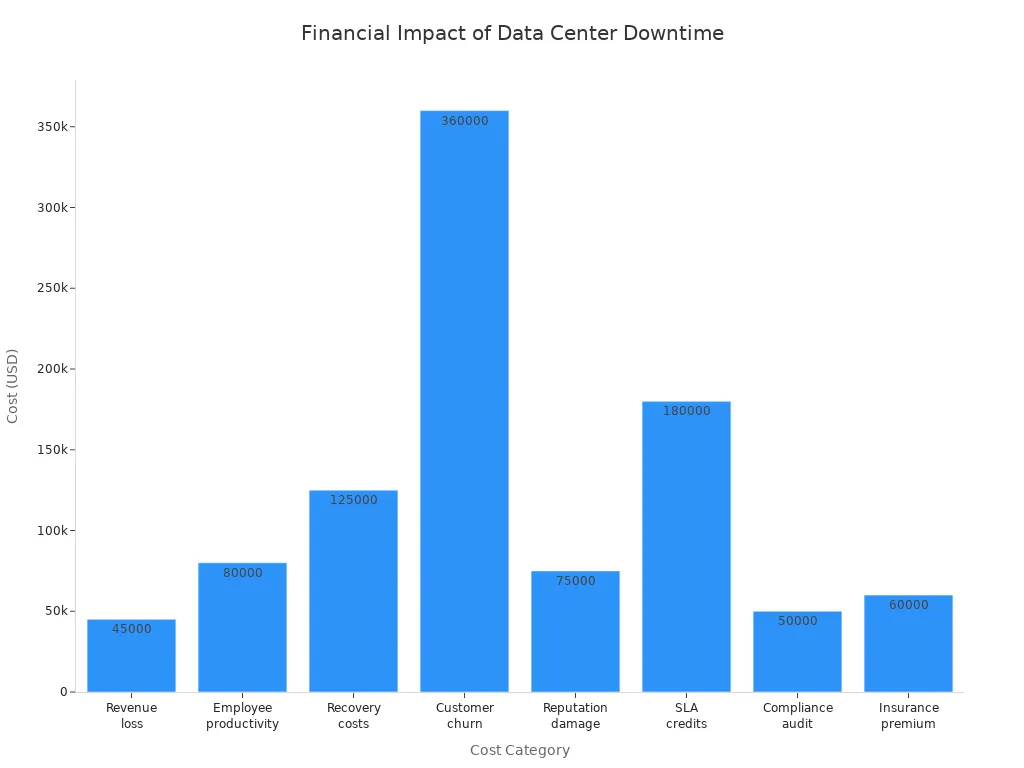
Data center operators recognize that downtime leads to significant financial losses. They measure the impact by examining direct and indirect costs. Direct costs include lost revenue, reduced employee productivity, and recovery expenses. Indirect costs involve customer churn, reputation damage, SLA credits, compliance audits, and insurance premium increases. The table below shows the estimated financial impact of downtime:
| Category | Details | Cost |
|---|---|---|
| Direct Costs | Revenue loss (5,000 customers unable to access service) | $45,000 |
| Employee productivity (200 employees, 8 hours) | $80,000 | |
| Recovery costs (overtime, consultants, hardware) | $125,000 | |
| Direct Subtotal | $250,000 | |
| Indirect Costs | Customer churn (2% immediately, 3% over next quarter) | $360,000 |
| Reputation damage (reduced conversion rates) | $75,000 | |
| SLA credits to enterprise customers | $180,000 | |
| Compliance audit and remediation | $50,000 | |
| Insurance premium increase (3 years) | $60,000 | |
| Indirect Subtotal | $725,000 | |
| Total Cost | $975,000 | |
| Per-Hour Impact | $121,875 |
Operators use regular maintenance, testing, monitoring, and redundancy strategies to prevent downtime. They rely on UPS and generators to bridge power gaps and keep systems running.
Automatic Transfer Switch Role
The automatic transfer switch (ATS) plays a vital role in maintaining continuous power. It automatically transfers loads between the utility grid and backup sources when it detects an outage. This seamless transition keeps essential devices powered without manual intervention. The ATS isolates backup circuits from the grid, preventing backfeed and protecting utility workers. Data centers depend on ATS to prevent downtime and ensure uninterrupted power. Administrators monitor and maintain ATS units regularly. They test ATS under load to confirm performance and reliability.
Regular maintenance and monitoring of ATS units help prevent failures and ensure reliable operation during outages.
Continuous Uptime Benefits
Continuous uptime delivers several benefits for data center customers and service providers. The table below highlights these advantages:
| Benefit | Description |
|---|---|
| Optimize efficiency | Continuous uptime allows for ongoing system optimization, enabling better decision-making. |
| Maintain customer satisfaction | Uptime ensures customers can access services without interruption, preventing loss of business. |
| Prevent security breaches | Consistent uptime reduces vulnerability to cyber attacks, protecting sensitive data. |
- Continuous uptime supports smooth user experiences and builds customer trust.
- High uptime reduces customer frustration and loss to competitors.
- Businesses comply with industry regulations and enhance data security.
UPS and generators coordination ensures these benefits, supporting compliance with uptime standards and protecting critical operations.
Data centers achieve continuous power by layering UPS systems for instant backup and generators for long-term support. The automatic transfer switch coordinates these systems, ensuring seamless transitions during outages. This integrated approach delivers clean, reliable power and protects critical equipment from disruptions. Operators benefit from reduced downtime and improved operational resilience.
| System Type | Primary Function | Runtime Duration |
|---|---|---|
| UPS System | Immediate temporary backup power | Seconds to minutes |
| Generator System | Extended backup power generation | Hours to days |
Reliable coordination between UPS, generators, and ATS maximizes uptime and safeguards essential services.
FAQ
What happens if both the UPS and generator fail?
If both systems fail, the data center loses power. Operators risk downtime, data loss, and equipment damage. Regular testing and maintenance help prevent simultaneous failures.
How often should data centers test their generators?
Operators should test generators at least once a month. They should run tests under load to ensure reliable startup and performance during real outages.
Can a UPS support a data center for several hours?
A UPS cannot support a data center for hours. Most UPS systems provide power for only a few minutes. This short time allows the generator to start and stabilize.
Why do data centers use both UPS and generators?
Data centers use both systems for layered protection. The UPS provides instant backup. The generator supplies long-term power. This combination ensures continuous uptime.