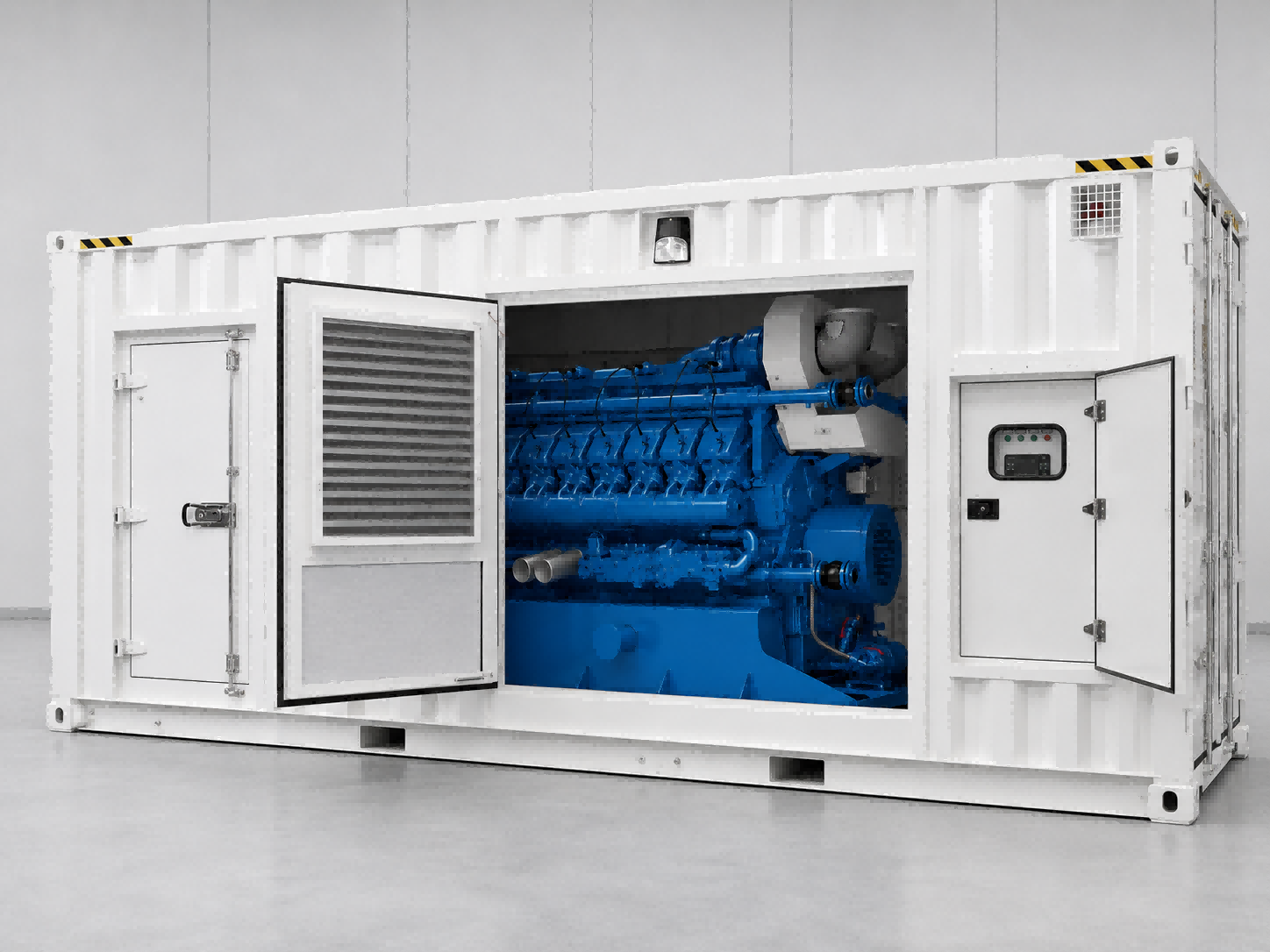
Choosing the right diesel generator for high-density data centers is key to reliability and performance. Leading models from Cummins QSK Series, Generac, Baudouin, and SWT deliver unmatched scalability and efficiency. In 2023, diesel generators captured over 70.5% of the data center generator market share, proving their dominance.
- Choose a diesel generator with a power output between 1000 kW and 3000 kW for high-density data centers. This range ensures stable operations and scalability as your data center grows.
- Prioritize reliability by selecting generators with N+1 or 2N redundancy. This setup allows for maintenance without downtime and ensures backup power is always available.
- Regular maintenance is crucial for optimal performance. Follow manufacturer guidelines for inspections and testing to extend the lifespan of your generator.
Selection Criteria
Power Output & Scalability
High-density data centers demand robust power solutions. The minimum power output for a diesel generator in these environments starts at 1000 kW. Most facilities require a range between 1000 kW and 3000 kW to ensure stable operations.
- Minimum: 1000 kW
- Recommended: 1000–3000 kW
Scalability is essential as data centers expand. Leading generator models offer modular and containerized solutions for phased growth.
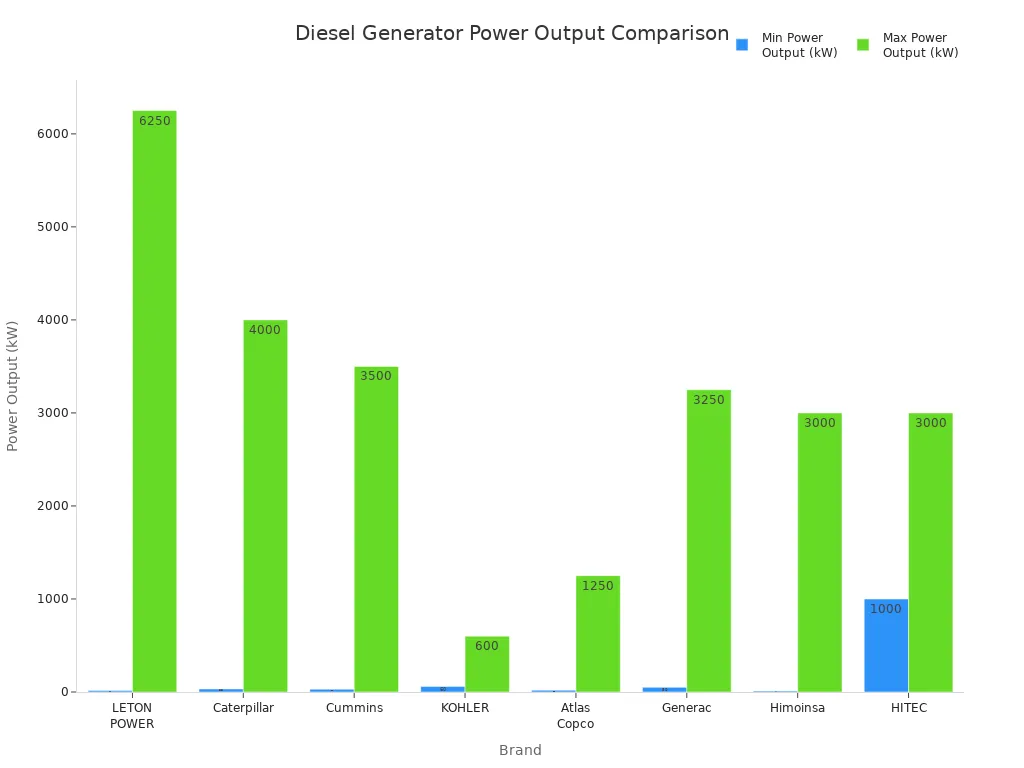
| Brand | Model | Power Output Range (kW) | Scalability Options |
|---|---|---|---|
| Cummins | QSK Series | 30 to 3,500 | Modular, paralleling, microgrid integration |
| Generac | Industrial | 50 to 3,250 | Modular, scalable, parallel-ready systems |
| LETON POWER | G3 Series | 15 to 6,250 | Modular, containerized, stackable solutions |
| Himoinsa | HMW Series | 10 to 3,000 | Containerized, modular, scalable for phased expansion |
Reliability & Redundancy
Mission-critical data centers cannot afford downtime. Industry standards recommend N+1 redundancy for Tier III and 2N redundancy for Tier IV facilities.
- N+1 allows maintenance without interruption.
- 2N ensures every generator has a backup.
- Aim for at least 25,000 operating hours between overhauls.
A high mean time between failures (MTBF) signals strong reliability. Effective maintenance and redundancy strategies extend system life.
Fuel Efficiency & Emissions
Modern diesel generator models must meet strict emissions standards. Many states now require compliance with U.S. EPA Tier 4 regulations. Technologies like Selective Catalytic Reduction (SCR) and Diesel Particulate Filters (DPF) cut nitrogen oxides and particulate matter by up to 90%. This protects the environment and ensures regulatory compliance.
Maintenance & Support
Routine maintenance keeps generators running at peak performance.
| Maintenance Task | Frequency/Interval |
|---|---|
| Regular inspections | As per manufacturer guidelines |
| Load bank testing | Based on use and environment |
| Battery maintenance | Regular checks and testing |
| Cooling system maintenance | Regular inspection and cleaning |
Responsive after-sales support extends the lifespan of your power system and protects your investment. Choose a provider with a proven track record and comprehensive service agreements.
Top Diesel Generator Models
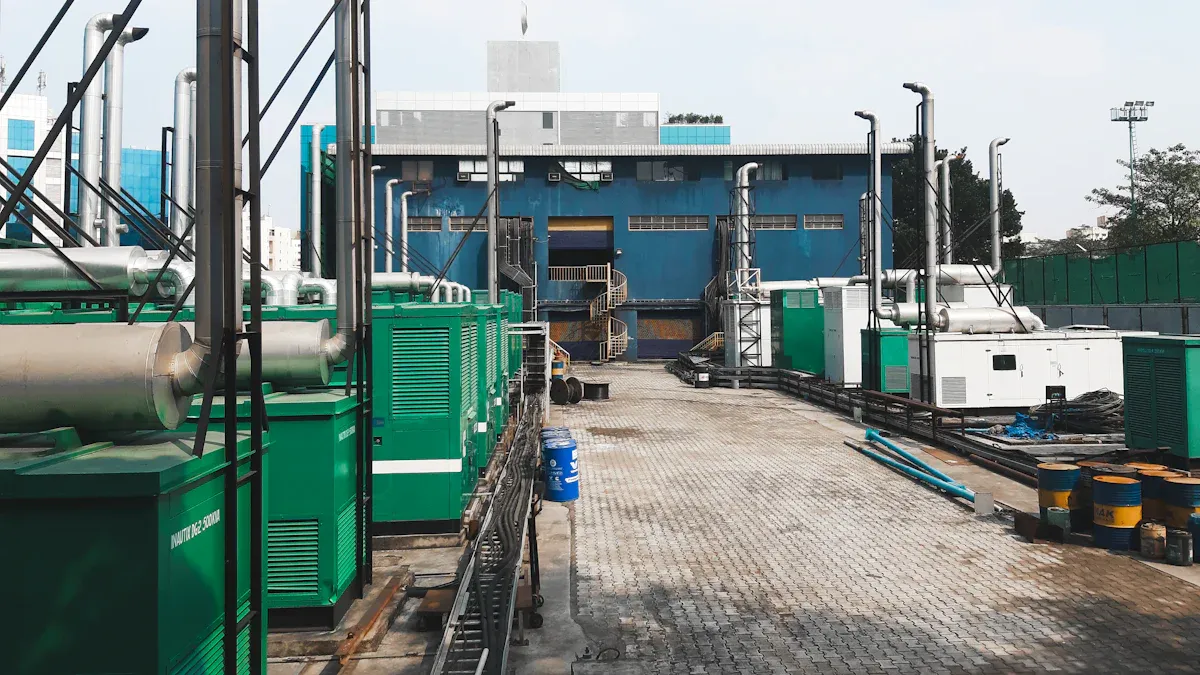
Choosing the right diesel generator model is crucial for high-density data centers. Leading brands like Cummins, Generac, Baudouin, and SWT have set industry benchmarks for reliability, efficiency, and innovation. Each offers unique advantages that help data centers maintain uptime and meet demanding power requirements.
Cummins QSK Series
Cummins QSK Series stands out for its robust engineering and advanced control systems. This series is a top choice for mission-critical environments where consistent power and durability are non-negotiable. Cummins delivers integrated power solutions trusted by data centers worldwide.
Cummins QSK Series engines feature Quantum System Electronics and a modular common rail fuel system. These technologies ensure precise control and high efficiency.
| Specification | Details |
|---|---|
| Engine Type | 4-stroke, inline 6-cylinder |
| Displacement | 19 liters (1,150 cubic inches) |
| Aspiration | Turbocharged and aftercooled (Air-to-Water) |
| Fuel System | High-pressure electronic control |
| Cooling System | Liquid-cooled, two-stage aftercooling |
| Continuous Power Output | 660–750 HP @ 1,800 RPM |
| Emissions Compliance | IMO Tier II, EPA Tier 2/3, EU Stage IIIA |
| Key Features | Quantum System Electronics, modular design, enhanced durability, maintenance-friendly |
Cummins generators are known for their resilience and global support network. Data centers benefit from their high uptime and long service intervals.
Generac Data Center Series
Generac Data Center Series is engineered for flexibility and reliability. These generators use modular power systems, making them ideal for scalable data center growth. Generac focuses on backup power, ensuring continuous operation even during grid failures.
| Feature | Description |
|---|---|
| Modular Power Systems | Scalable and redundant power solutions |
| Redundant Components | Isolated systems to avoid single points of failure |
| High Ambient Cooling | Performance in extreme conditions (up to 50°C) |
| Backup Power System | Delivers 99.999% uptime for multi-tier data centers |
| Engine Technology | Baudouin M55 engines for reliable backup and continuous power |
| Redundant Starting System | Additional starters and batteries for extra reliability |
| Configurable Circuit Breakers | Flexible options for various data center needs |
Generac’s modular approach allows data centers to expand power capacity as needed. Their focus on redundancy and uptime makes them a trusted partner for large-scale deployments.
Baudouin M Series
Baudouin M Series generators are designed for efficiency and reliability. These units excel in fuel consumption and power density, making them a smart choice for data centers that prioritize operational costs and performance.
| Advantage | Description |
|---|---|
| Reliability | Ensures continuous power for critical applications |
| Efficiency | Excellent fuel consumption and power density |
| Load Acceptance | Handles varying loads effectively, reducing downtime risks |
Baudouin’s reputation for robust engineering and dependable performance gives data centers peace of mind during power interruptions.
SWT Generator Sets
SWT Generator Sets combine innovation, reliability, and global experience. Since 1993, SWT has delivered high-performance diesel generator solutions to over 100 countries. SWT’s products have powered United Nations peacekeeping missions in challenging environments, proving their resilience and dependability.
SWT stands out for its commitment to advanced technology and sustainability. The company integrates hydrogen, solar, storage, and gas power into microgrid systems, offering clean and economical energy solutions.
SWT’s extensive distribution network ensures responsive after-sales support. Leading enterprises and institutions trust SWT for mission-critical power, including Vanke, China Huaneng Group, and Peking Union Medical College Hospital.
Key strengths of SWT Generator Sets:
- Proven reliability in extreme and critical environments
- Innovative integration with new energy solutions
- Comprehensive global support and service
- Trusted by major organizations and enterprises
Comparison Overview
The following table summarizes the main strengths and considerations for each top diesel generator model:
| Brand/Model | Strengths | Considerations |
|---|---|---|
| Cummins QSK Series | Integrated power solutions, advanced controls, global support, resilience | Higher initial investment |
| Generac Data Center | Modular, scalable, high uptime, redundancy, flexible configurations | Not specified |
| Baudouin M Series | High reliability, fuel efficiency, strong load acceptance | Not specified |
| SWT Generator Sets | Proven in critical missions, innovative, sustainable, strong support | Not specified |
- Cummins leads in integrated solutions and durability.
- Generac excels in modularity and uptime.
- Baudouin offers efficiency and reliability.
- SWT delivers innovation, sustainability, and field-proven performance.
Selecting the right diesel generator means matching these strengths to your data center’s unique needs. For organizations seeking a blend of reliability, innovation, and global support, SWT Generator Sets stand out as a compelling choice.
Diesel Generator vs. Alternatives
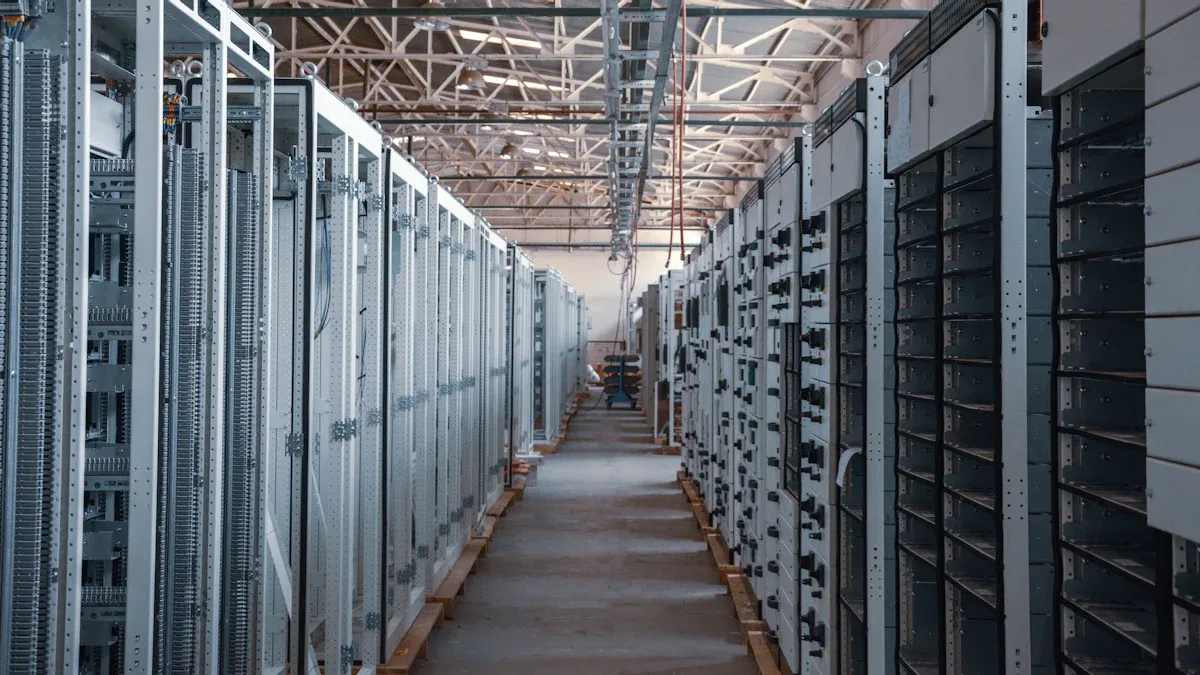
Diesel vs. Natural Gas
Diesel generators remain the top choice for high-density data centers. They deliver rapid startup times and high energy density, which ensures reliable backup power during outages. Diesel generators excel in high-load situations and provide rapid load acceptance.
- Diesel fuel is widely available and easy to store.
- Diesel generators generally have lower upfront costs compared to natural gas units.
- Natural gas generators depend on local infrastructure, which can be vulnerable during disasters.
| Feature | Diesel Generators | Natural Gas Generators |
|---|---|---|
| Fuel Availability | Widely available globally | Dependent on infrastructure |
| Startup Time | Rapid | Moderate |
| Energy Density (BTU) | 137,381 per gallon | 1,036 per cubic foot |
Diesel generators offer unmatched reliability for mission-critical applications. Natural gas engines can match diesel reliability, but diesel’s operational flexibility gives it an edge.
Diesel vs. HVO & Bi-Fuel
Hydrotreated Vegetable Oil (HVO) and bi-fuel systems are gaining attention as sustainable alternatives. HVO is made from waste oils and plant-based feedstocks. It can be used directly in existing diesel generators without modification.
- HVO reduces carbon emissions by up to 90% over its lifecycle.
- HVO burns cleaner, producing fewer harmful pollutants.
- Bi-fuel systems combine gas and diesel, lowering carbon footprints.
| Generator Type | CO2 Emissions Reduction | Notes |
|---|---|---|
| Diesel | Up to 90% (with HVO) | Common, higher emissions than HVO |
| HVO | Significant reduction | Carbon neutral, easy adoption |
| Bi-fuel | Varies | Combines gas and diesel, storage issues |
Cost & Environmental Impact
Diesel generators offer lower initial costs and stable fuel contracts. They require SCR and DPF technologies to meet emissions standards. HVO and natural gas options provide cleaner alternatives, but diesel remains dominant due to reliability and availability.
- Diesel generators contribute to 10% of U.S. energy-related CO2 emissions.
- Natural gas burns cleaner, producing less particulate matter and NOx.
- HVO offers the lowest lifecycle carbon emissions and is compatible with existing systems.
Data centers prioritize reliability and rapid response. Diesel generators deliver both, making them the preferred backup power solution. Cleaner fuels like HVO and bi-fuel systems are promising, but diesel’s proven performance keeps it at the forefront.
Cummins, Generac, Baudouin, and SWT lead the market for high-density data centers. Match generator features to your load, response time, fuel strategy, compliance, and scalability needs. Avoid improper sizing or neglecting quality. Choose proven models. Evaluate UPS, generator, and on-site power options for the best business continuity.
FAQ
What size diesel generator does my data center need?
Choose a generator with at least 1000 kW for high-density data centers. Consult experts to match your exact load and future growth plans.
How often should I maintain my diesel generator?
Perform regular inspections and follow the manufacturer’s schedule. Proper maintenance ensures reliability and extends the life of your investment.
Can diesel generators use cleaner fuels like HVO?
Yes! Many modern diesel generators, including SWT models, run on HVO. This switch cuts carbon emissions and supports your sustainability goals.