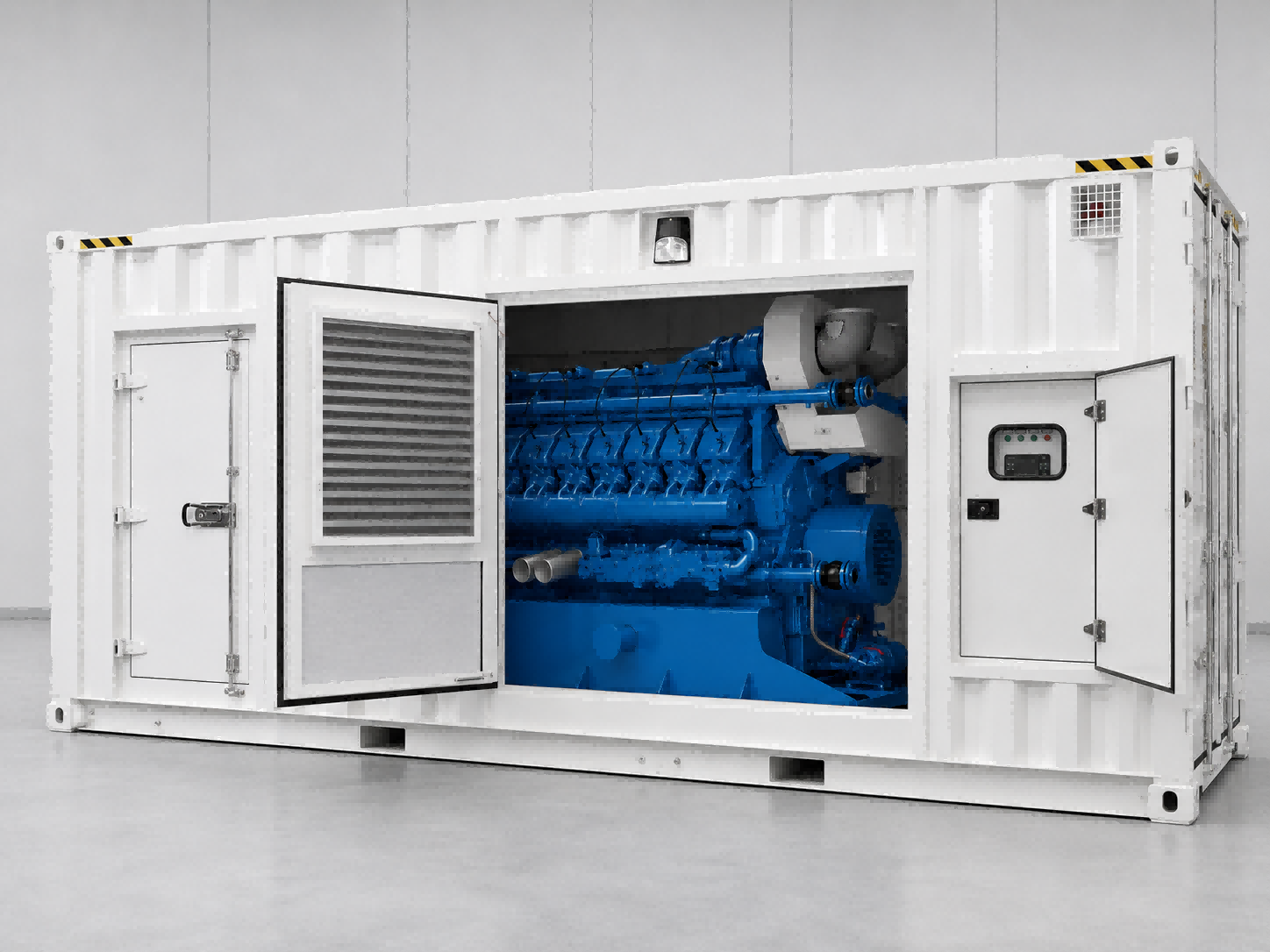
Data center operators know that backup power reliability matters. Recent industry reports show that 44% of outages come from onsite power system failures, with 40% of those linked to UPS breakdowns. Power availability ranks as a top concern for 84% of operators. When you compare diesel and gas options, you must look at reliability, cost, environmental impact, fuel logistics, maintenance, scalability, and compliance. Careful evaluation helps protect your data and operations.
Comparison Criteria
Reliability
Reliability is the foundation of any backup power system in a data center. Diesel generators offer fast startup times, often under 10 seconds, which is critical during sudden outages. Gas turbines usually take longer to start, sometimes several minutes. Diesel generators are ideal for zero-downtime requirements. Gas turbines perform well in facilities that operate frequently and support grid stability. Operators must compare diesel and gas options based on their need for immediate power and continuous operation.
Tip: Choose diesel generators for rapid response and gas turbines for steady, long-term backup.
Cost
Cost includes both capital expenses and ongoing operational costs. Diesel generators typically have lower upfront costs, around $1,000 per kilowatt. Gas systems require higher initial investment due to specialized components and regulatory compliance. Over time, diesel generators may incur higher costs from fuel and maintenance. Fuel price fluctuations also impact total ownership costs. For example, diesel offers better fuel efficiency and annual savings compared to gasoline.
| Criteria | Diesel Generators | Gas Turbines |
|---|---|---|
| Startup Time | <10 seconds | Minutes |
| Capital Expenses | Lower | Higher |
| Maintenance | Frequent | Less frequent |
Environmental Impact
Environmental impact is a major concern for data centers. Diesel generators emit more CO₂ and particulate matter. A 1 MW diesel generator can produce 680–720 kg of CO₂ per hour. Gas generators release fewer emissions and help facilities meet stricter air quality standards. Operators must consider emissions profiles and regulatory requirements when choosing a backup system.
Fuel Logistics
Fuel logistics affect system reliability. Diesel requires onsite storage, which can lead to challenges such as fuel spoilage, contamination, and delivery delays during emergencies. Gas systems depend on infrastructure availability. In regions with robust gas networks, logistics are simpler and more reliable.
Maintenance
Maintenance demands differ between systems. Diesel generators need frequent servicing to ensure performance. Gas turbines require less maintenance, which reduces downtime and operational costs.
Scalability
Scalability is essential for growing data centers. Modern diesel generators offer high power density and modular paralleling, supporting expansion. Gas systems also scale well, especially in areas with strict air-quality regulations. Modular designs allow operators to add or remove units as needed.
Compliance
Compliance with environmental laws and zoning codes is mandatory. Diesel generators must meet Tier 4 standards, while gas systems comply with Tier 2. Local air quality regulations often favor gas generators due to lower emissions. Data centers must obtain permits and conduct health impact assessments, especially when using diesel.
Compare Diesel and Gas
Reliability Differences
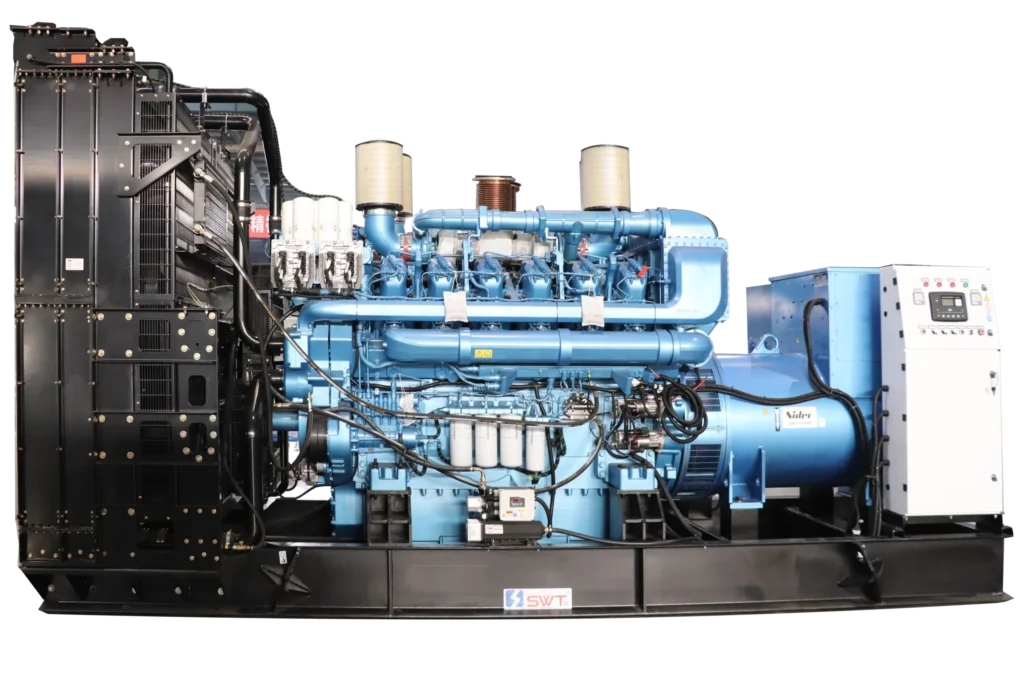
When you compare diesel and gas backup power systems, reliability stands out as a key factor for data centers. Diesel engines are generally considered more reliable than industrial natural gas generators, especially in frequent-use scenarios. Diesel-powered generators, such as the Baudouin Series Diesel Generator Set, are widely adopted for large-scale data centers. They can provide backup power for hours or even days, depending on fuel availability. Their robust performance makes them a preferred choice during critical situations.
- Diesel generators offer:
- High reliability and long runtime capabilities
- Proven performance in emergency conditions
- Fast startup, often under 10 seconds
- Gas generators offer:
- Continuous fuel supply if the gas network is stable
- Lower emissions but depend on local utility infrastructure
Note: Diesel generators like the Baudouin Series are designed for rapid response and can operate continuously with proper fuel management.
Cost Differences
To compare diesel and gas systems on cost, consider both initial investment and long-term expenses. Diesel generators usually have a lower upfront cost and simpler installation. Natural gas generators require a higher initial investment due to extra infrastructure needs, such as gas lines and safety systems. Over time, natural gas can offer lower fuel costs, especially for facilities that run backup systems frequently.
- Diesel generators:
- Lower initial investment
- Simpler installation process
- Maintenance focuses on fuel management
- Gas generators:
- Higher upfront cost
- Additional infrastructure required
- Lower fuel costs for continuous operation
Tip: For data centers with infrequent outages, diesel may be more cost-effective. For sites with frequent or long-duration use, gas can offset its higher initial cost with cheaper fuel.
Emissions Comparison
When you compare diesel and gas backup generators, emissions play a major role in environmental impact and regulatory compliance. Diesel generators emit higher levels of nitrogen oxides (NOx), sulfur oxides (SOx), and particulate matter (PM) compared to natural gas generators.
| Pollutant | Diesel Generators | Natural Gas Generators |
|---|---|---|
| Nitrogen Oxides (NOx) | Higher emissions | Significantly lower |
| Sulfur Oxides (SOx) | Higher emissions | Significantly lower |
| Particulate Matter (PM) | More particulates | Far fewer particulates |
Data center generators are typically used only for maintenance or rare outages. In regions like Northern Virginia, diesel generators contribute less than 4% of regional NOx emissions and less than 0.1% of carbon monoxide and particulate matter emissions.
Fuel Logistics Comparison
Fuel logistics can affect the reliability of both diesel and gas backup systems. Diesel generators require onsite fuel storage, which means operators must manage fuel quality and delivery schedules. During large-scale outages, data centers may need millions of gallons of diesel per day, and logistics can become challenging if supply chains are disrupted.
- In some regions, hundreds of fuel trucks may be needed daily to keep diesel generators running.
- Generator failure can occur if fuel is not available or if quality is compromised.
- Natural gas generators rely on the local gas utility. If the gas network is stable, supply is continuous and logistics are simpler.
- However, disruptions in the gas supply, such as those caused by geopolitical events, can also impact reliability.
According to recent surveys, 44% of data center outages are linked to power issues, often made worse by supply chain disruptions.
Maintenance Comparison
Maintenance requirements differ when you compare diesel and gas backup systems. Diesel generators, like the Baudouin Series, require regular inspections, fuel management, and preventive care to ensure long-term reliability. Gas generators need less frequent maintenance, mainly focused on engine components.
| Maintenance Task | Frequency/Notes |
|---|---|
| Visual Inspection | Start each session; check for leaks, corrosion |
| Fluid Levels | Check and top off engine oil, coolant, and fuel |
| Battery Inspection | Monthly; check connections and charge level |
| Filters and Air Intake | Replace oil, fuel, and air filters as needed |
| Exhaust System | Inspect for blockages or leaks |
| Belts and Hoses | Inspect for wear and replace as needed |
| Control Panel and Alarms | Monthly checks for system status |
| Diesel vs. Natural Gas Differences | Diesel needs more frequent fuel treatment |
- Every 25 hours of operation: Adjust belts, change oil, check battery
- Monthly: Test generator under load, check coolant and radiator
- Quarterly: Inspect belts and hoses, check control panel
With regular maintenance, diesel generators can last 25 to 30 years or up to 30,000 operating hours. Neglecting maintenance can shorten their lifespan, so proactive care is essential.
Scalability Comparison
Scalability is crucial for growing data centers. Both diesel and gas systems now offer modular and scalable solutions. Operators can add or remove generation units as needed, ensuring redundancy and adapting to changing workloads.
| Feature | Benefit |
|---|---|
| Modular and scalable systems | Enable operators to add or remove generation units as needed, ensuring scalability and redundancy while adapting to changing workloads. |
The Baudouin Series Diesel Generator Set supports parallel operation with up to 32 units, making it easy to scale power output as your data center expands. This flexibility is ideal for edge data centers and facilities with evolving power needs.
Compliance Comparison
When you compare diesel and gas backup power, compliance with environmental and safety regulations is a must. Diesel generators must meet strict standards, such as Tier 4, while gas generators often comply with Tier 2 requirements. Local air quality rules may favor gas due to lower emissions, but diesel systems like the Baudouin Series can still meet regulatory demands with proper controls and maintenance.
Note: Data centers should always check local permitting and health impact requirements before installing any backup power system.
By understanding these differences, data center operators can better compare diesel and gas options and select the best fit for their operational priorities.
Decision Scenarios
When Diesel Fits
Diesel backup power fits data centers that need rapid response and high reliability. Operators often select diesel generators for facilities in regions with unstable utility grids. Diesel systems, such as the Baudouin Series Diesel Generator Set, deliver consistent performance during emergencies. These generators start quickly and provide power within seconds. Data centers with strict uptime requirements benefit from diesel solutions. Facilities located far from natural gas pipelines also prefer diesel. Diesel generators support modular expansion, which helps operators scale power as their data center grows.
Tip: Choose diesel backup power if your site faces frequent outages or requires immediate power restoration.
When Gas Fits
Natural gas backup power suits data centers in urban areas with robust gas infrastructure. Gas generators produce fewer emissions, which helps operators meet environmental regulations. Facilities that run backup systems for extended periods often select gas solutions. Gas systems offer lower fuel costs and require less frequent maintenance. Operators in regions with strict air quality standards may prefer gas generators. Gas backup power works well for sites with continuous or long-duration operation.
| Scenario | Diesel Generator | Gas Generator |
|---|---|---|
| Immediate response needed | ✔️ | |
| Long-duration operation | ✔️ | |
| Urban location | ✔️ | |
| Remote location | ✔️ | |
| Strict emissions rules | ✔️ |
Hybrid Solutions
Hybrid backup power solutions combine diesel and gas systems. Operators use hybrid setups to balance reliability, cost, and environmental impact. Some data centers install both types of generators to ensure power during supply disruptions. Hybrid systems allow operators to compare diesel and gas performance in real-world conditions. Facilities can switch between fuels based on availability and regulatory requirements. Hybrid solutions offer flexibility and help data centers meet diverse operational priorities.
Note: Hybrid backup power systems provide redundancy and adaptability for complex data center environments.
Implementation Steps
Site Assessment
Site assessment forms the foundation of any backup power project. Data center operators must evaluate power requirements, site layout, and environmental conditions. The Baudouin Series Diesel Generator Set offers flexibility for different site sizes. Operators should measure available space, check ventilation, and assess ambient temperature. The generator’s ability to operate at temperatures up to 40°C and altitudes of 1000 meters makes it suitable for diverse locations. Safety zones and access routes must be planned for fuel delivery and maintenance.
Tip: Use a checklist to record site measurements and environmental factors before selecting generator capacity.
Installation Planning
Installation planning ensures smooth deployment. Operators must decide on generator placement, electrical connections, and fuel storage. The Baudouin Series supports trailer-mounted options and soundproof enclosures, which simplify installation in urban or remote sites. Electrical engineers should design wiring for seamless integration with the data center’s power infrastructure. Automatic Transfer Switches (ATS) help switch between utility and backup power without manual intervention.
Installation Checklist:
- Confirm generator placement and clearance
- Plan for fuel tank installation
- Design electrical connections and ATS integration
- Schedule delivery and setup
Operations and Monitoring
Operations and monitoring keep backup power systems reliable. The Baudouin Series features a user-friendly LCD display and multilingual support. Operators can monitor engine and alternator parameters in real time. Remote start capabilities allow quick activation during outages. Regular testing and maintenance routines extend generator lifespan.
| Monitoring Feature | Benefit |
|---|---|
| LCD Display | Easy status checks |
| Remote Start | Fast response |
| Advanced Monitoring | Real-time insights |
Note: Schedule monthly tests and inspections to ensure system readiness.
Expansion Planning
Expansion planning prepares data centers for growth. The Baudouin Series Diesel Generator Set allows parallel operation with up to 32 units. Operators can scale power output as demand increases. Modular design supports phased expansion, which reduces upfront costs. Future-proofing the backup system ensures uninterrupted service as the data center evolves.
Consider modular generators for flexible scaling and redundancy.
Choosing backup power for a data center requires careful comparison. Consider reliability, cost, environmental impact, fuel logistics, maintenance, scalability, and compliance. Match your choice to your operational priorities and local regulations. Review products like the Baudouin Series Diesel Generator Set for proven performance and flexibility.
- Assess your site’s needs
- Check regulatory requirements
- Compare available solutions
For expert advice, consult with industry professionals or research further before making your final decision.
FAQ
What is the main advantage of diesel generators for data centers?
Diesel generators start quickly and deliver reliable power during outages. They work well in remote locations and areas with unstable grids. The Baudouin Series Diesel Generator Set offers high performance and fast response.
How do gas generators help with environmental compliance?
Gas generators produce fewer emissions than diesel units. They help data centers meet strict air quality standards. Many urban facilities choose gas systems to lower their environmental impact.
Can I scale my backup power system as my data center grows?
Yes. Both diesel and gas systems support modular expansion. The Baudouin Series Diesel Generator Set allows parallel operation with up to 32 units, making it easy to increase capacity as needed.
What maintenance does a diesel generator require?
Diesel generators need regular inspections, oil changes, and fuel management. Operators should check fluid levels, test batteries, and replace filters. Routine care ensures long service life and reliable performance.
Which backup power option is more cost-effective for rare outages?
Diesel generators usually have lower upfront costs and are more cost-effective for sites with infrequent outages. Gas generators may offer savings for facilities that run backup power for long periods.