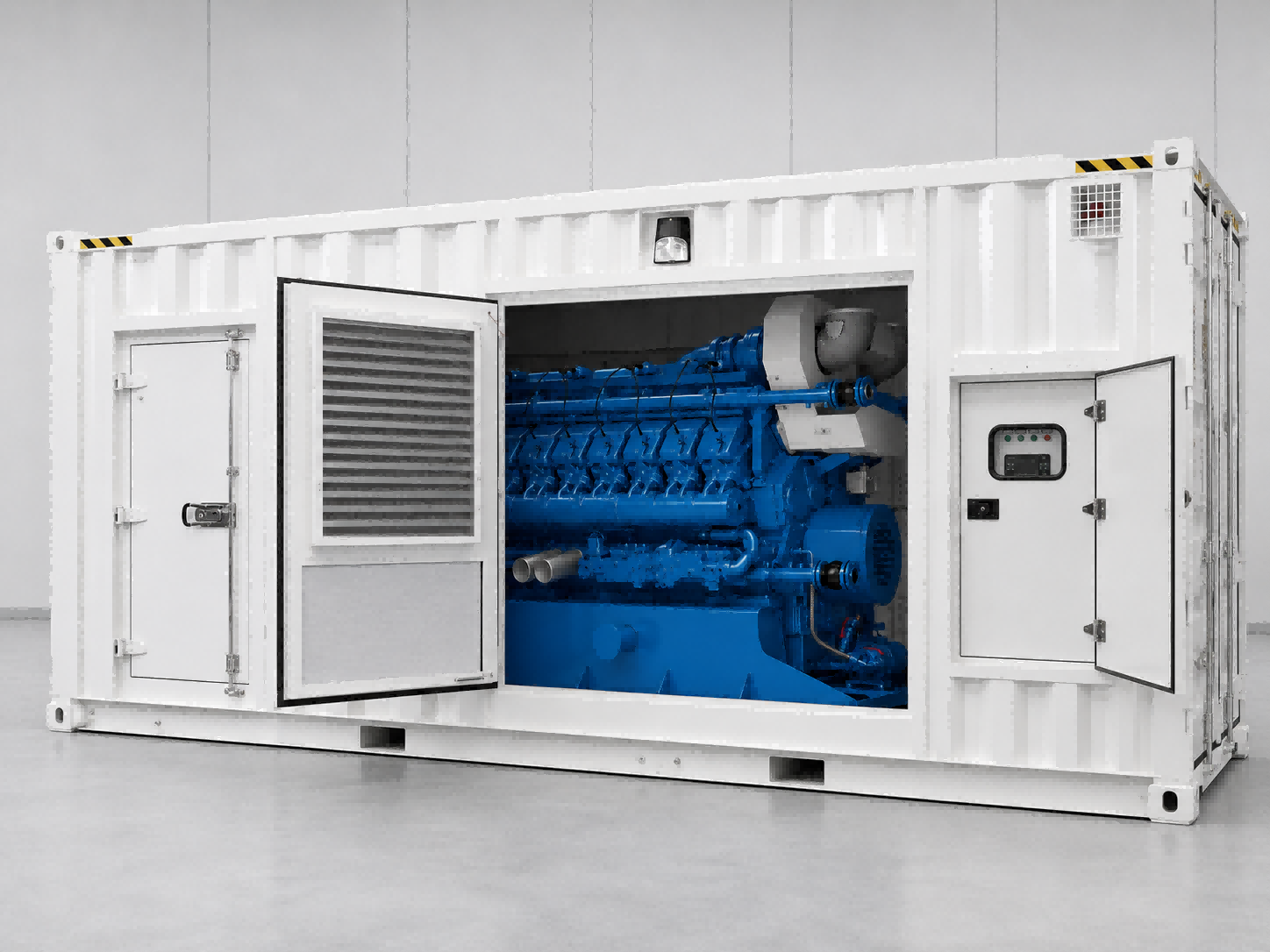
Reliable backup power is essential for every data center, and a data center generator like the SWT Cummins Series is designed to deliver dependable performance during emergencies. Cummins generators start quickly, accept large loads, and operate for long periods, making them trusted for critical applications. Power failures cause 45% of data center outages, highlighting the importance of robust generator solutions.
Key reliability factors include redundancy, automatic transfer switches, fuel management, monitoring, and regular testing. These features work together to prevent downtime and keep operations running smoothly.
Essential Data Center Generator Features
Redundancy and N+1 Design
Redundancy is a core principle in data center generator systems. It means having extra components ready to take over if one fails. The N+1 design is a common industry standard. In this setup, the facility installs one more generator than needed to support the full load. This extra unit acts as a backup, ensuring that power remains stable even if a generator goes offline for maintenance or repair.
In an N+1 configuration, the facility installs one additional component beyond what is required to support the load. This extra component acts as a backup if one unit fails or requires taking offline for maintenance.
Redundancy extends beyond generators. It applies to electrical power distribution, utility connections, UPS systems, cooling, and more. By using an N+1 design, a data center generator solution like the SWT Cummins Series can deliver continuous power, even during unexpected failures. This approach greatly reduces the risk of downtime.
Automatic Transfer Switches
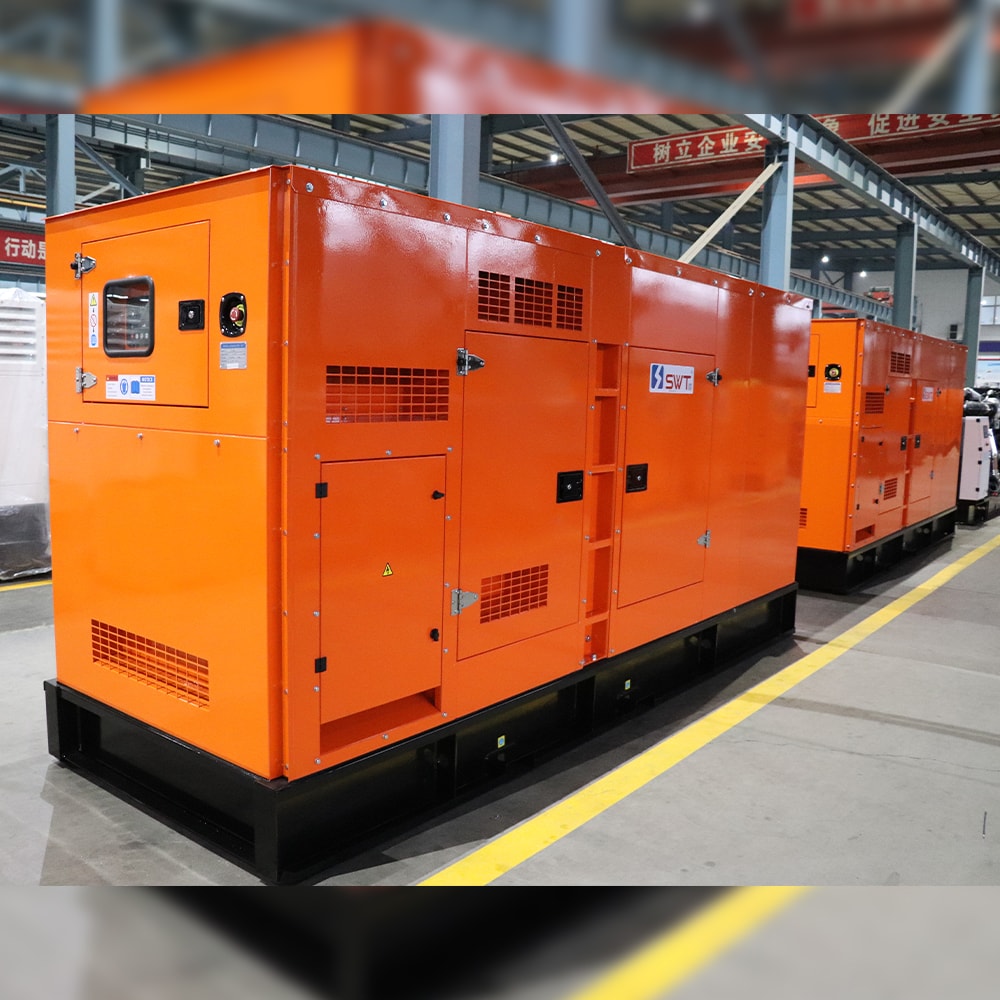
Automatic Transfer Switches (ATS) are essential for seamless power transitions. These devices detect power loss from the main utility and instantly switch the load to the backup generator. This process happens automatically, without human intervention.
- Automatic transfer switches provide seamless transitions between primary and backup power sources.
- They monitor power conditions and detect failures, ensuring that backup generators are activated automatically.
- This functionality prevents downtime and protects sensitive equipment in data centers.
ATS systems support critical power paths and help maintain network stability. They protect sensitive information and equipment from sudden outages. The SWT Cummins Series offers ATS as a customizable option, making it easier to integrate reliable switching into your power system.
Fuel Management and Diesel Reliability
Fuel management is vital for any diesel-powered data center generator. Reliable operation depends on having clean, high-quality fuel available at all times. On-site fuel storage ensures immediate access during outages, while automated fuel transfer systems keep the generator supplied without delay.
- Effective fuel management maintains fuel quality, ensuring that diesel generators operate efficiently.
- On-site fuel storage allows for immediate access to fuel during power outages, enhancing reliability.
- Automated fuel transfer systems minimize delays in fuel delivery to generators, ensuring consistent performance.
- Inadequate fuel management can lead to issues such as fuel availability shortages, logistics challenges, and fuel contamination, all of which compromise generator reliability.
Best practices for fuel storage and rotation help maintain fuel quality and prevent contamination:
| Best Practice | Description |
|---|---|
| Temperature Control | Monitor and manage temperature to prevent fluctuations that can affect fuel quality. Use insulated tanks and install them in shaded areas. |
| Fuel Rotation | Implement a first-in, first-out program to ensure older fuel is used first, reducing aging and contamination risks. |
| Contamination Prevention | Regularly inspect tanks, prevent water accumulation, and use biocides to combat microbial growth. |
| Regular Inspections | Conduct thorough inspections of tanks and connections to identify and address issues like corrosion or leaks. |
| Fuel Testing | Regularly test fuel for quality parameters such as water content and microbial contamination to ensure optimal storage conditions. |
The SWT Cummins Series supports day fuel tanks and automated systems, making it easier to follow these best practices.
Monitoring and Control Systems
Modern data center generator solutions rely on advanced monitoring and control systems. These systems provide real-time data on generator performance, fuel levels, and system health. Operators can spot issues early and take action before they cause downtime.
- Real-time data access enables operators to monitor generator performance continuously, which helps in identifying issues before they escalate.
- Predictive maintenance alerts allow for timely repairs, preventing minor issues from leading to significant downtime.
- AI-powered analytics provide early warnings about potential failures, facilitating proactive management of generator operations.
A robust monitoring system should include:
- Real-time power monitoring and management
- Redundant power systems for maintenance flexibility
- Advanced monitoring tools for quick issue identification
- Dashboards and alerts for proactive management
- Sequence of Event Recorders (SERs) for logging power anomalies
- Time Sync Hubs (TSHs) for accurate time synchronization
The SWT Cummins Series can be equipped with advanced monitoring panels, giving operators the tools they need to keep the system running smoothly.
Load Testing and Maintenance
Regular load testing and maintenance are critical for ensuring that a data center generator will perform when needed. Load testing checks if the generator can handle the required power demand. Maintenance keeps all parts in good working order.
| Generator Type | Recommended Testing Frequency |
|---|---|
| Standby/Emergency Generators | At least once a year |
| Prime/Continuous-use Generators | Every six months or after maintenance |
| Critical Applications | Quarterly testing per NFPA standards |
Routine inspections and scheduled maintenance help identify potential problems before they lead to failure. The SWT Cummins Series comes with a one-year warranty and can be supported by regular service plans, ensuring long-term reliability.
A data center generator with these essential features—redundancy, automatic transfer switches, effective fuel management, advanced monitoring, and regular maintenance—forms a strong foundation for uninterrupted data center operations.
Preventing Downtime in Data Centers
Seamless Power Transition
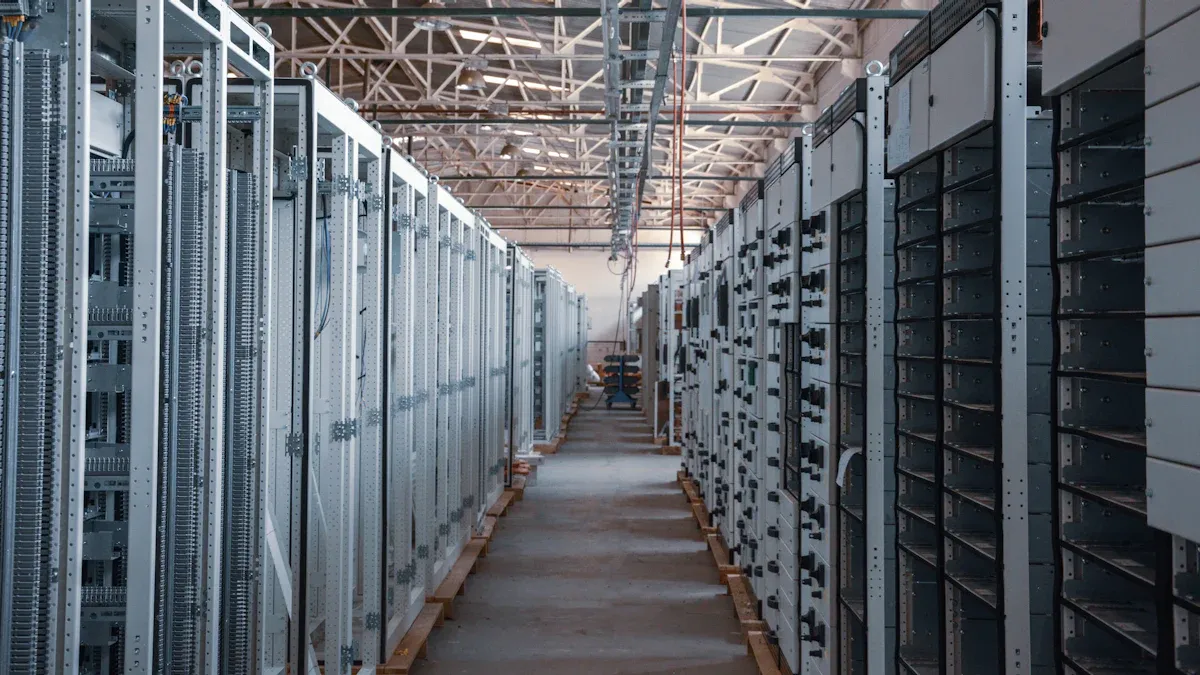
A reliable data center generator system ensures that power interruptions do not disrupt operations. When the main utility fails, automatic transfer switches (ATS) detect the outage and switch the load to backup generators within seconds. In many cases, standard ATS units complete this transition in 10–20 seconds. Closed transition switches can transfer power in less than 100 milliseconds, providing a seamless experience for sensitive equipment.
- N+1 redundancy means there is always an extra generator ready to take over if one fails.
- ATS maintains power continuity, which is essential for real-time data processing.
- Fast transfer times prevent operational disruptions and protect critical data.
⚡ Closed transition switches are preferred in data centers because they ensure no interruption during power transfer, keeping systems online without a hitch.
Disaster Recovery Support
Diesel generators play a vital role in disaster recovery plans for mission-critical data centers. Their quick start and high energy output provide a dependable backup power source during emergencies. This reliability minimizes downtime and helps prevent data loss.
- Diesel generators ensure continuous operation during outages.
- They support disaster recovery by maintaining power for essential systems.
- Reliable backup power allows data centers to recover quickly from unexpected events.
A robust data center generator solution, such as the SWT Cummins Series, is designed to deliver consistent performance when it matters most.
Reducing Human Error
Human error remains a leading cause of data center outages. Studies show that 66% to 80% of outages result from mistakes such as failing to follow procedures or misconfigurations. In recent years, the percentage of outages linked to staff not following established processes has increased.
- Common errors include skipping steps in checklists and incorrect system configurations.
- Regular training and clear procedures help reduce these mistakes.
- Adherence to checklists and ongoing education are essential for reliable generator operation.
📝 By focusing on staff training and strict adherence to procedures, data centers can significantly lower the risk of downtime caused by human error.
Choosing and Maintaining a Data Center Generator
Sizing and Scalability
Selecting the right generator size is essential for reliable data center operations. Start by assessing the total power consumption of your facility and consider future expansion plans. This ensures the generator can handle both current and anticipated loads. Diesel generators, such as the SWT Cummins Series, offer robust performance and scalability. When sizing, also evaluate the fuel type and align your choice with industry standards for redundancy, like the Uptime Institute’s Tier requirements. Proper sizing prevents overloads and supports seamless growth.
Key factors to consider when sizing a generator:
- Power capacity and load requirements
- Fuel type and availability
- Redundancy and tier standards
- Compliance with industry regulations
Vendor Support and Service
Reliable vendor support is crucial for installation and ongoing maintenance. Leading generator vendors provide a range of services to ensure optimal performance:
| Service Type | Description |
|---|---|
| Generator Sales | Offers generators tailored to data center needs. |
| System Design | Engineering support for custom power systems. |
| Installation | Certified technicians ensure correct setup. |
| Routine Maintenance | Scheduled service to prevent power loss. |
| Diagnosis and Repair | Fast response to resolve issues. |
| Replacement Parts | Access to a wide inventory of parts. |
Strong vendor partnerships help maintain system reliability and extend equipment lifespan.
Compliance and Standards
Data center generators must meet strict industry standards to ensure safety and performance. Look for certifications such as ISO 8528-1 for generator performance and EPA Tier Standards for emissions. Adhering to Uptime Institute and TIA-942B guidelines ensures your backup power system meets the highest reliability requirements.
Common certifications and standards:
| Certification/Standard | Description |
|---|---|
| ISO 8528-1 | Defines generator performance. |
| EPA Tier Standards | Regulate emissions for diesel generators. |
| Uptime Institute & TIA-942B | Ensure reliability for critical infrastructure. |
Routine Inspections
Routine inspections and maintenance are vital for long-term reliability. Weekly inspections confirm readiness, while monthly load tests verify performance under real conditions. Annual system checks and fuel testing help identify issues before they cause failures. Preventative maintenance tasks, such as oil changes, filter replacements, and system diagnostics, extend generator lifespan—often up to 20–30 years with proper care.
Tip: Schedule regular maintenance and use remote monitoring tools to catch problems early and keep your generator ready for any emergency.
Choosing a reliable generator for your data center means focusing on capacity, fuel management, compliance, and regular maintenance. Diesel generators stand out for their high reliability and excellent performance under demanding conditions. Trusted brands offer strong support, robust features, and compliance with industry standards, which help ensure continuous operation.
Tip: Regular testing and preventive maintenance plans keep your backup power ready for any emergency. Consider models like the SWT Cummins Series for dependable performance and long-term peace of mind.
FAQ
What is N+1 redundancy in data center generators?
N+1 redundancy means the system has one extra generator beyond what is needed. This extra unit ensures backup power stays available if one generator fails or needs maintenance.
How often should a data center generator be tested?
Experts recommend testing standby generators at least once a year. For critical applications, quarterly testing ensures the system works during emergencies.
Why are diesel generators preferred for data centers?
Diesel generators start quickly and provide high power output. They work well in emergencies and support long run times. The SWT Cummins Series offers these advantages.
What is an Automatic Transfer Switch (ATS)?
An ATS detects power loss from the main supply. It switches the load to the backup generator automatically. This process protects equipment and prevents downtime.