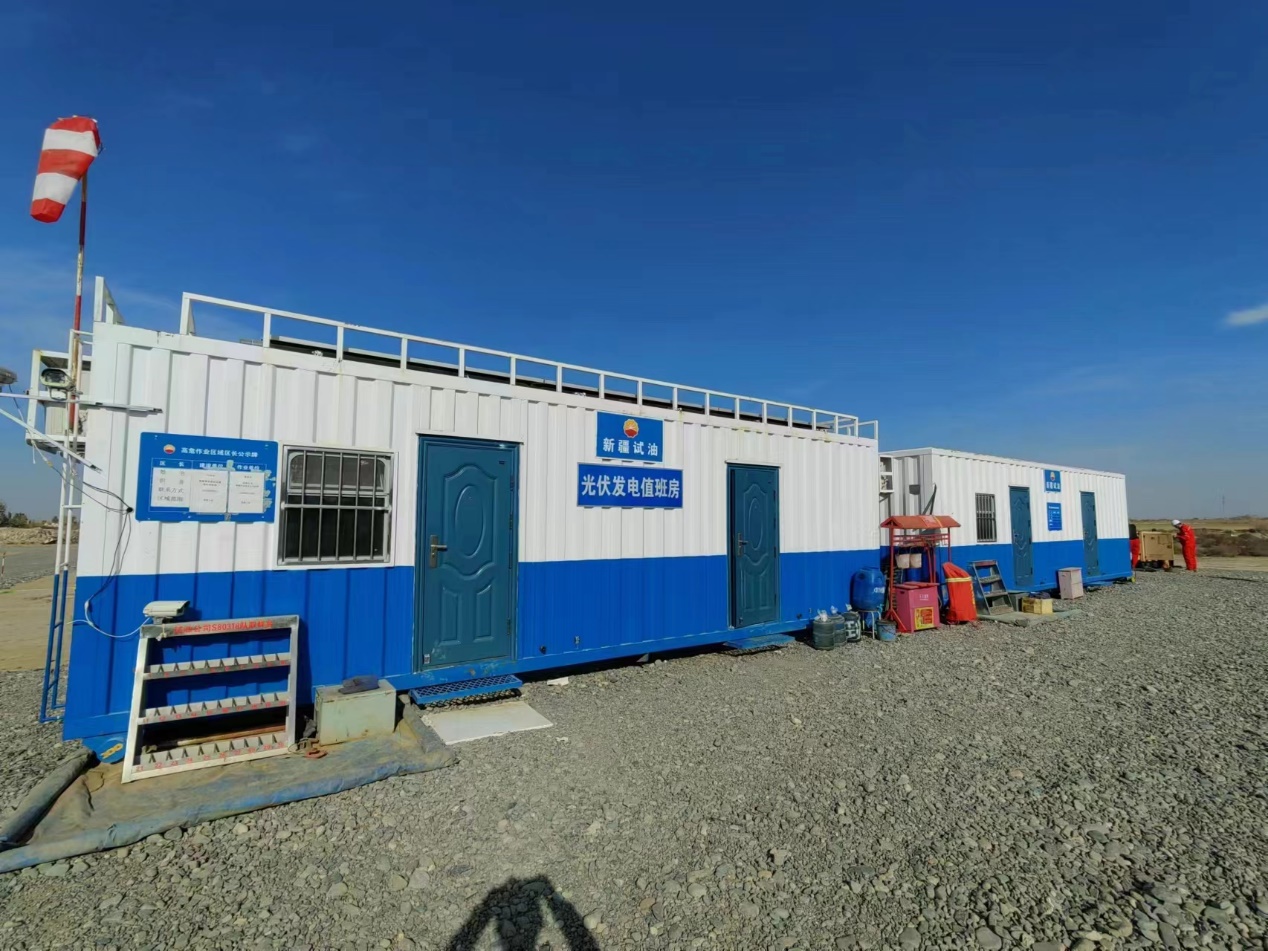
What is the role of diesel generators in AI infrastructure? They serve as the critical backup power source for AI data centers, ensuring uninterrupted operations during grid failures. Some large AI facilities deploy up to 1,500 units for diesel backup, illustrating the scale of this need. There is a central paradox: the most advanced computing depends on a decades-old technology. Training operations require continuous electricity for extended periods. Backup from diesel generation provides reliable energy for each data center. Without this generation, the data center’s training would face constant interruptions. These generators bridge this vulnerability. Their reliability ensures progress continues.
AI’s Power Demands and Reliability Needs
Why AI Data Centers Require Constant Power
AI workloads differ fundamentally from traditional computing tasks. Training a large language model involves processing billions of parameters across thousands of specialized processors simultaneously. These operations run continuously for weeks or months. A single interruption forces the entire process to restart from the last checkpoint, wasting days of computational progress and energy.
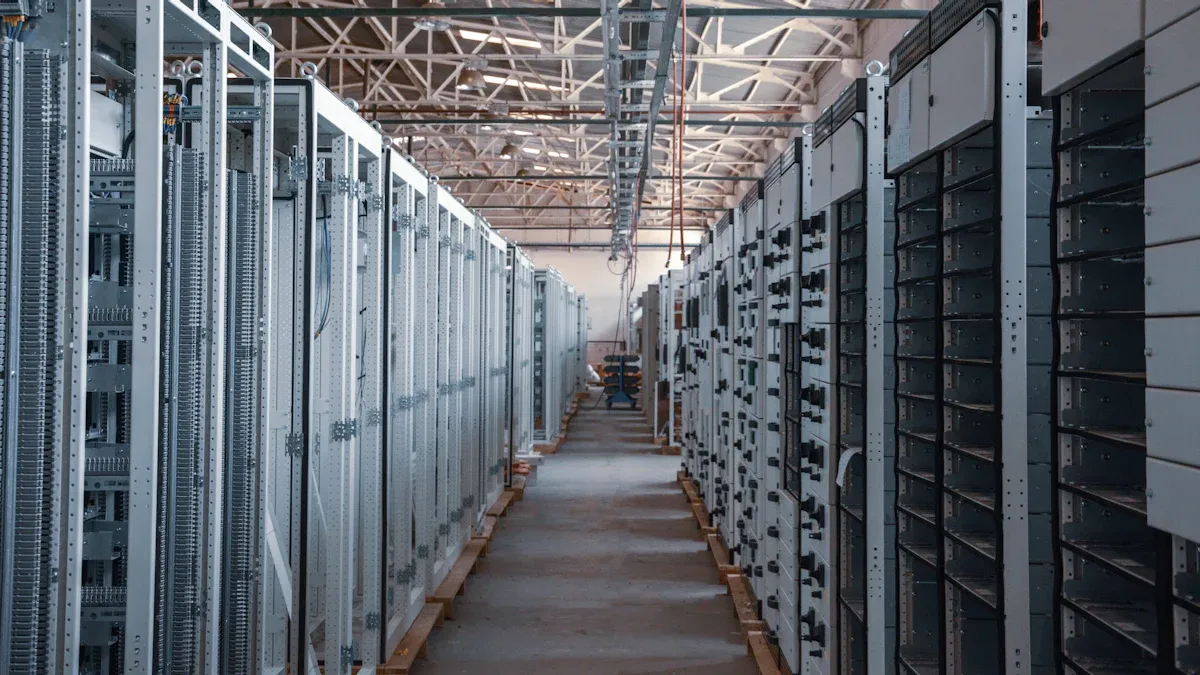
The scale of this demand reshapes how facilities plan their electrical architecture. Modern data centers employ a multi-layer power strategy. The utility grid serves as the primary source. Uninterruptible power supplies (UPS) bridge microsecond gaps during switching events. Diesel generators form the third layer, providing extended runtime beyond 24 hours when grid failures persist. This layered approach ensures that AI workloads never experience a complete loss of electricity.
Reliability expectations for these facilities follow established industry standards. The Uptime Institute defines four tiers of data center availability:
| Tier | Uptime Percentage | Allowed Downtime per Year |
|---|---|---|
| I | 99.671% | 28.8 hours |
| II | 99.741% | 22 hours |
| III | 99.982% | 1.6 hours |
| IV | 99.995% | 26.3 minutes |
Most AI-focused facilities target Tier III or Tier IV certification. These levels demand redundant backup systems that can activate automatically within seconds. The backup power infrastructure must match the critical load exactly, from cooling systems to server racks.
The High Cost of Downtime for AI Operations
Financial losses from interruption scale dramatically with training duration. Research on optimal training runs reveals the time investment at stake. Without hardware upgrades, most training runs last less than three months. With the ability to swap components during operation, runs can extend to 1.2 years. In specific scenarios, the longest possible training period ranges from 6.5 months to 3.6 years, depending on investment levels and software improvements. Overall, typical AI model training runs will likely last less than 14–15 months.
Every hour of unplanned downtime during these runs carries direct costs. Server depreciation continues regardless of operation. Staff salaries for engineers monitoring the process remain fixed. Cloud service credits or customer penalties may apply. The hidden cost involves opportunity loss: a failed training run delays product launches and competitive positioning.
This economic reality explains why powering AI demands serious investment in generation assets. Large facilities deploy hundreds of diesel generators as insurance against grid instability. The energy stored in fuel tanks represents a strategic reserve. When the grid falters, these units start within ten seconds and accept full load immediately. That rapid response protects weeks of accumulated training progress.
The question of what is the role of diesel generators in AI infrastructure finds its answer in this reliability framework. They serve as the final safety net beneath an expensive, time-sensitive computational process. Without this backup layer, data center operators would face unacceptable risk of catastrophic interruption.
Key Roles of Diesel Generators in AI Infrastructure
Providing Backup Power During Grid Outages
The primary function of diesel generators in AI facilities centers on uninterrupted operation during grid failures. When utility power disappears, these units respond with remarkable speed. Traditional diesel generators achieve full operational status within 10–15 seconds. Fast-start configurations accomplish the same feat in just 3–5 seconds. Data centers and critical infrastructure facilities specifically value this sub-5-second activation capability, as it minimizes the window of vulnerability for sensitive AI workloads.
| Generator Type | Start-up Time |
|---|---|
| Traditional diesel generators | 10–15 seconds |
| Fast-start diesel generators | 3–5 seconds |
This rapid response matters because AI training runs accumulate value with every passing minute. A single interruption can invalidate hours of computational progress. The backup power system must bridge the gap between grid failure and stable alternative supply without perceptible disruption.
When grid power is interrupted, whether due to weather-related outages, equipment failures, or other events, standby emergency generators respond rapidly, carrying a full power load within 10 seconds of grid outage. Through advancements in engine technology, switchgear, and other controls, these systems seamlessly manage power transitions between the grid and racks of computers, cooling, and other systems that data centers depend on.
Modern switchgear and control systems coordinate this transition automatically. The sequence unfolds without human intervention: sensors detect grid loss, generators start, transfer switches engage, and power flows resume. This seamless handoff protects the delicate balance of voltage and frequency that server infrastructure requires.
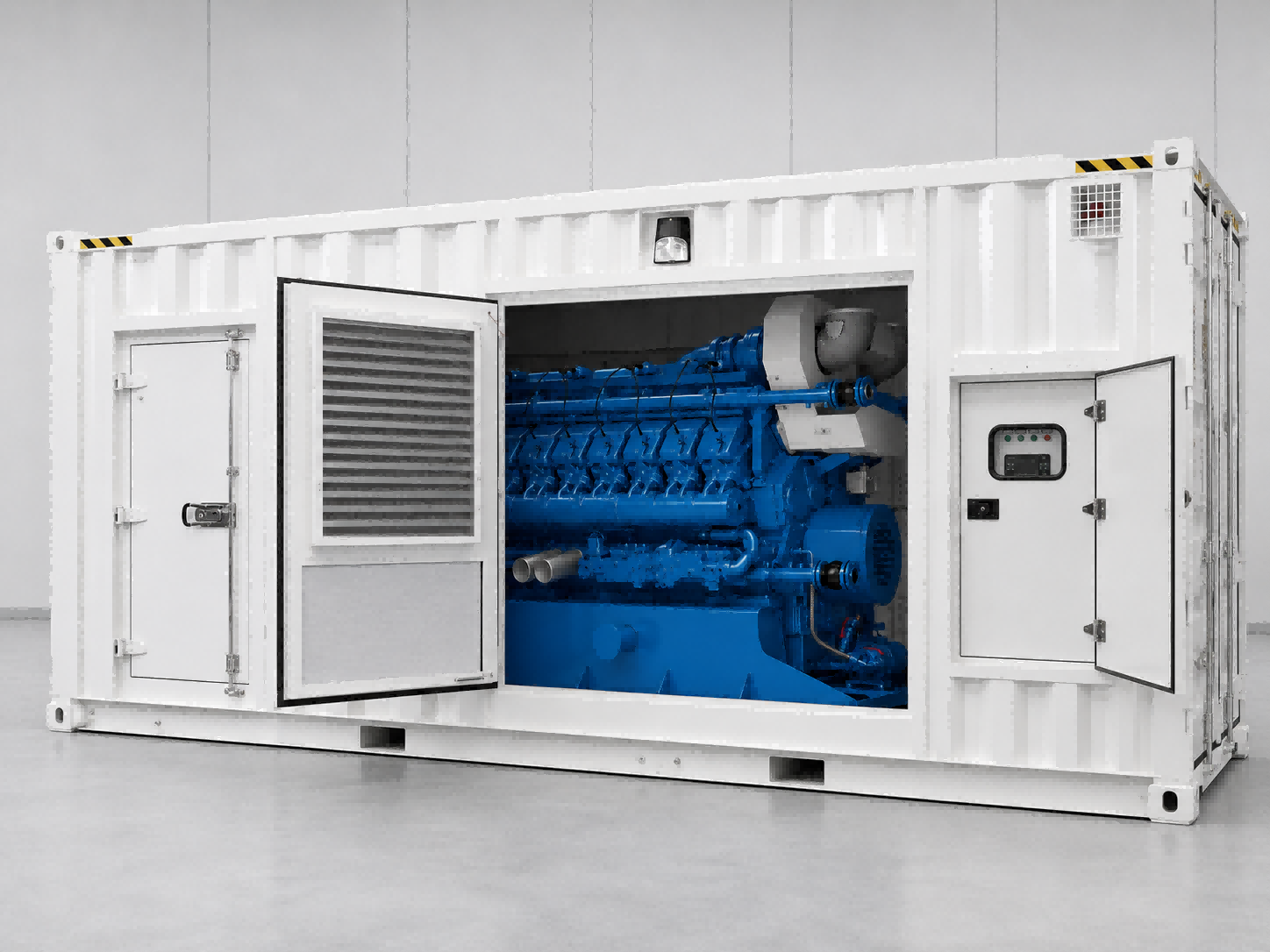
SWT manufactures diesel generator sets spanning a wide capacity range to match facility needs. Compact models start at 24 kW / 30 kVA, suitable for smaller edge deployments. Industrial-scale units reach 2000 kW / 2500 kVA for hyperscale campuses. Containerized configurations house the entire system in weatherproof enclosures for outdoor installation. Silent types reduce acoustic emissions for urban locations. This scalability ensures that facilities of every size can secure appropriate backup power.
Supporting Peak Loads and Grid Stability
Beyond emergency response, diesel generators contribute to grid stability through capacity market participation. Data center operators can register their generator fleets as dispatchable resources. During periods of regional peak demand, grid operators call upon these units to inject power into the network. This arrangement generates revenue for facilities while helping prevent brownouts that could affect entire communities.
The economic logic proves compelling. Generators that sit idle most of the year become income-producing assets during scarcity events. Capacity payments offset the capital cost of maintaining extensive backup fleets. This dual-use strategy transforms what is the role of diesel generators in AI infrastructure from pure insurance into a strategic energy asset.
AI workloads present unique load profiles that strain conventional grid infrastructure. Training clusters draw enormous power in unpredictable surges. Inference operations fluctuate with user demand patterns. Diesel generators absorb these variations without compromising their primary backup mission. Their ability to accept full load immediately makes them ideal for stabilizing frequency and voltage across the facility.
The energy stored in on-site fuel tanks represents a strategic reserve. Large facilities maintain sufficient diesel supply for 24–72 hours of continuous operation. This buffer allows time for fuel delivery logistics or systematic workload migration. The infrastructure investment extends beyond the generator sets themselves to include fuel storage, transfer systems, and maintenance protocols.
SWT’s product lineup demonstrates how generator technology adapts to these demanding applications. Units built around Cummins, Baudouin, SDEC, and other established engine platforms deliver reliable performance across duty cycles. Paralleling capabilities allow multiple units to operate as a single coordinated power source. Automatic transfer switches ensure seamless integration with existing electrical systems. These features make SWT diesel generators suitable for both emergency backup and grid support roles.
The dual function of emergency response and grid participation ensures that diesel remains central to data center energy strategy. Backup power requirements continue to drive investment in this proven technology.
Challenges and Alternatives to Diesel Generators
Environmental and Regulatory Concerns
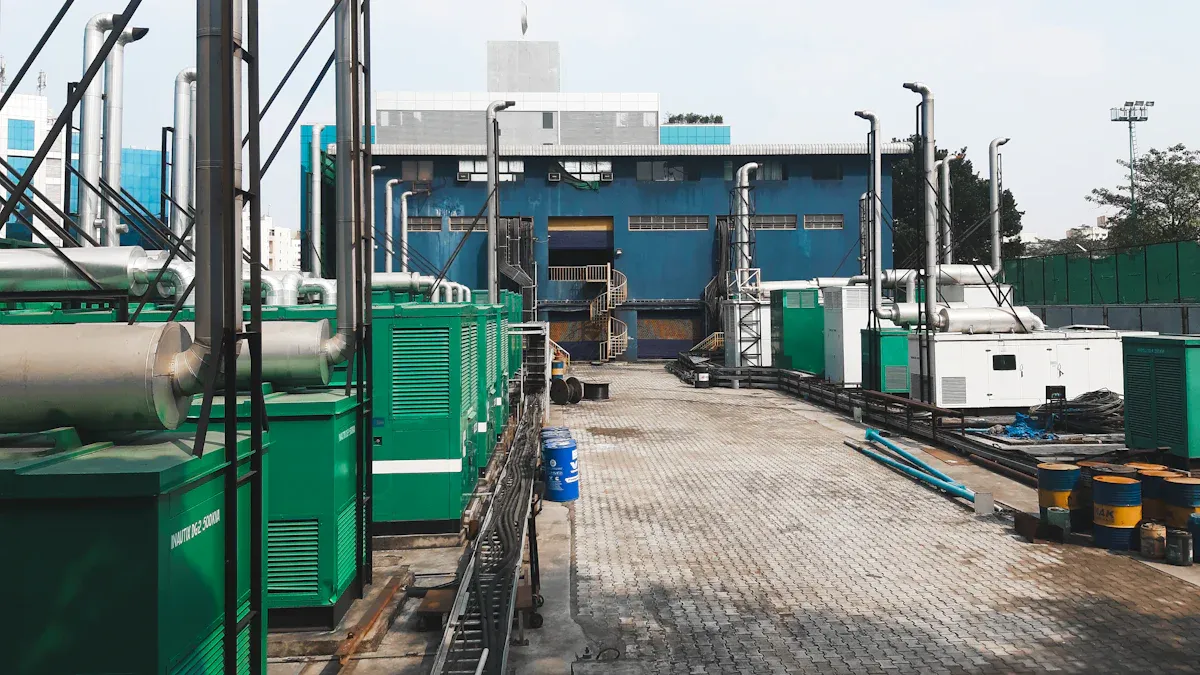
AI data centers rely on large banks of diesel backup generators for uninterrupted power. These generators emit nitrogen oxides, particulate pollution, and carbon monoxide. These pollutants are directly linked to asthma, heart disease, and premature death. Each data center operates many diesel-powered units tested regularly. The primary health-harmful air pollutants are tiny particles in diesel exhaust and nitrogen dioxide (NO2). Both contribute to respiratory and cardiovascular health problems.
The regulatory landscape for these generators is complex. Stationary engines face New Source Performance Standards (NSPS) and National Emission Standards for Hazardous Air Pollutants (NESHAP). Portable engines follow separate rules. However, islanded power generation—plants serving a data center without connecting to the public grid—is not subject to the Clean Air Act’s Acid Rain Program. This agency interpretation from the EPA creates some regulatory relief. Noise and operational cost remain additional operational drawbacks for these diesel units.
A July 16 memo from the EPA’s Assistant Administrator states that ‘islanded power generation’ (plants serving a data center without connecting to the public grid) is not subject to the Clean Air Act’s Acid Rain Program. However, this is an agency interpretation, not a final rule, and it does not exempt generators from other Clean Air Act requirements such as NSPS or NESHAP.
Comparing Diesel with Batteries and Renewables
Battery systems provide only short-duration backup, typically minutes rather than hours. They serve as a transitional bridge during power disruptions. In contrast, diesel generators sustain operations for extended periods. Many Tier III data centers engineer for 48–72 hours of on-site diesel generation. For mission-critical applications requiring full 72-hour backup, batteries alone are insufficient. The long-duration runtime of diesel makes it the primary choice for prolonged backup in AI data centers.
Renewable energy sources face a different limitation: intermittency. Solar generation depends on daylight and weather. Wind output fluctuates with geography and weather patterns. Without large battery storage, this intermittency easily disrupts system reliability. Most existing wind and solar integration uses grid-following inverters that function well when the grid is stable but do not support grid-forming stability. Finding a balance between increased renewable components and demand for more reliable utility power remains challenging.
Renewable energy sources are inherently intermittent. Without a large battery storage component, this intermittency easily disrupts the system’s reliability. Most of the existing wind and solar power integration are currently implemented through grid-following inverters, which function well when the grid is stable but do not support grid stability, in absence of ‘grid-forming’ generating sources. Coupled with weather-related impacts and grid design factors, this can cause large-scale grid failure events.
Despite these environmental and runtime concerns, diesel remains the most reliable backup for AI workloads. The question of what is the role of diesel generators in ai infrastructure? finds its answer in this reliability framework: they bridge the gap between grid limitations and AI’s absolute need for uninterrupted power. No alternative yet matches their proven dependability for extended outages.
The Future of Diesel Generators for AI
The Rise of Hybrid Power Systems
The next evolution in data center energy architecture combines diesel with batteries and renewable sources. These hybrid systems pursue grid harmony rather than grid separation. Facilities that integrate utility power, on-site dispatchable generation, and battery storage can support local grids while protecting uptime requirements. This approach reduces peak demand, stabilizes voltage, and enables participation in interruptible load programs.
The operational logic behind hybrids is straightforward. Batteries handle the first minutes of any disruption with instant response. Diesel units then start and carry the load for extended periods. Renewables contribute when conditions allow, reducing fuel consumption. This layered strategy cuts emissions without sacrificing reliability. The diesel component remains essential because it provides the long-duration assurance that batteries alone cannot deliver.
Several trends shape this transition:
- Many data centers rely on diesel gensets for 24-48 hours of backup power. The wave of massive AI facilities will require a significant number of these units.
- Even with green primary power, operators are unlikely to adopt fully green backup solutions. These systems run rarely and only for short durations.
- Battery energy storage systems sized for 24-48 hours are not currently feasible. Hydrogen fuel cells remain extremely expensive, as demonstrated by Microsoft and Caterpillar projects.
- The most practical solution remains diesel gensets for backup. Hydrotreated vegetable oil (HVO) offers a better long-term storage choice than biodiesel, which suffers from short shelf life.
| Trend | Projected Impact on Diesel Generator Usage | Timeline/Region |
|---|---|---|
| Shift to hybrid generators (diesel + natural gas/biogas/solar) | Reduces pure diesel reliance but retains diesel as a component; operators adopt renewable diesel for sustainability KPIs | Ongoing; U.S. hyperscaler example in Oregon |
| Hydrogen gensets and solid oxide fuel cells | Limited commercial deployment begins, displacing diesel in Tier IV green data centers | By 2026; Europe and Japan |
| Stringent emissions regulations | Increases compliance costs, forcing redesigns or market exclusion for diesel-only systems | Europe and North America |
| APAC growth with unreliable grids | Sustains high diesel demand via N+2 configurations, supplemented by gas/hybrid models | Fastest-growing region: India, China, Singapore, Indonesia, Australia |
Will Diesel Generators Become Obsolete?
The near-term answer is no. Diesel generators will remain essential for the foreseeable future. The question of what is the role of diesel generators in ai infrastructure? finds its clearest answer in this reliability framework. No alternative technology yet matches their proven dependability for extended outages.
Google has announced a corporate-wide initiative to phase out diesel generators from all its data centers globally by 2030, exploring fuel cells and battery systems as part of its 24/7 carbon-free energy goal. This signals a major shift away from diesel among hyperscalers within the next decade.
Two factors could accelerate this transition. Regulatory modernization matters considerably. Outdated permitting and reliability rules currently favor diesel because they make cleaner backup power too slow to deploy. Updating these rules would allow faster deployment of cleaner alternatives. AI workload flexibility also plays a role. Training can pause, inference can distribute across locations, and orchestration systems can shift loads dynamically. Combined with battery storage, this flexibility can shrink the role of diesel over time, reducing the need for 8-12 hours of on-site fuel storage.
The path forward involves gradual change rather than sudden replacement. Hybrid configurations will dominate new construction. Operators will adopt renewable diesel and HVO to lower emissions from existing fleets. Hydrogen and fuel cell technologies will gain ground in specific regions with supportive policies. The pace of this evolution depends on cost curves, regulatory action, and grid reliability trends.
For now, every major AI data center continues to deploy diesel backup capacity. The energy density of liquid fuel, the maturity of the supply chain, and the proven startup reliability create a formidable advantage. This infrastructure investment protects billions of dollars in computing assets. The transition to cleaner solutions will proceed carefully, ensuring that the AI revolution never suffers a power failure.
Diesel generators anchor modern AI infrastructure reliability. They bridge the gap between grid limitations and AI’s absolute demand for uninterrupted power. This dependency represents a transitional necessity despite environmental tension.
Companies like SWT address this challenge directly. They develop more efficient, lower-emission generator sets that reduce ecological impact while maintaining dependable performance. These improvements help data center operators meet sustainability goals without compromising uptime.
The future will likely shift toward cleaner, integrated solutions. Hybrid systems combining diesel with batteries and renewables will gain prominence. However, diesel backup remains vital for the foreseeable future. Its proven reliability protects billions in computing assets. The AI revolution continues without power failure, thanks to this enduring technology.