Selecting the right generator size is critical for data centers. Reliable power ensures servers stay online during outages. Data centers must evaluate their operational needs and understand how to choose between generators that fit their requirements. Generator types, such as diesel or gas, play a major role in performance. Trusted brands like SWT offer proven solutions. Operational demands and future growth also impact generator selection. This guide provides a practical approach for making informed decisions.
Assessing Power Needs
Calculating Load
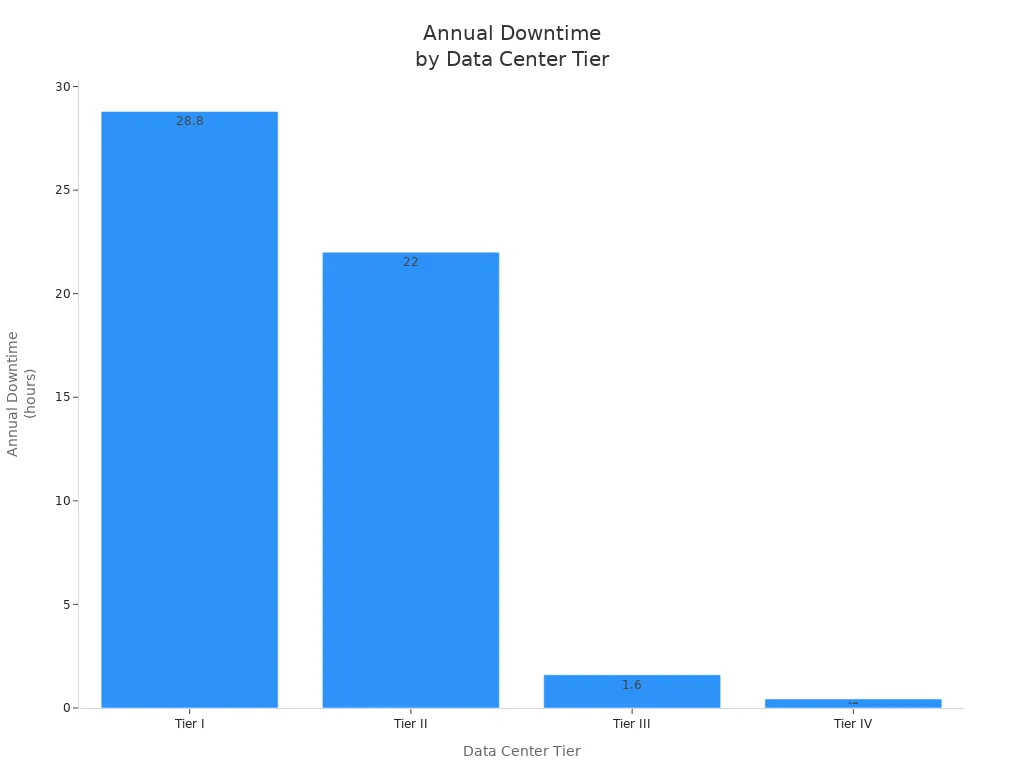
The total power demand is the first step when you choose between generators for a data center. Start by listing all critical equipment, such as servers, cooling systems, and network devices. Add up their maximum power consumption to estimate the total load. Data center tier classifications also play a key role in generator sizing. The Uptime Institute’s tier system outlines different levels of redundancy and uptime. As the tier increases, so do the requirements for generator capacity and reliability.
| Tier | Redundancy | Availability | Annual Downtime | Generator Rating Required |
|---|---|---|---|---|
| Tier I | N (no redundancy) | 99.671% | ~28.8 hours | Standby (ESP) acceptable |
| Tier II | N+1 partial | 99.741% | ~22 hours | Standby (ESP) acceptable |
| Tier III | N+1 full | 99.982% | ~1.6 hours | Continuous (COP) or Prime (PRP) |
| Tier IV | 2N or 2(N+1) | 99.995% | ~26.3 minutes | Continuous (COP) mandatory |
The difference between Tier III and Tier IV is significant. These tiers require generators that can run continuously at full load, which is essential for high-availability data centers.
Planning for Growth
Data centers must plan for future expansion. Estimating both maximum and minimum IT loads helps avoid under-sizing or over-investing. Consider these best practices:
- Align generator capacity with business growth projections.
- Use predictive analytics to forecast future needs.
- Manage power, cooling, and space resources efficiently.
- Conduct regular capacity reviews and use planning tools.
SWT offers tailored generator solutions that can scale with your data center’s growth, ensuring reliable power as demands increase.
Redundancy Requirements
Redundancy ensures uptime during maintenance or unexpected failures. Common standards include N+1 and 2N configurations.
| Redundancy Type | Description | Capacity Implications |
|---|---|---|
| N+1 | One extra generator beyond the minimum needed. | Maintains full capacity if one fails. |
| 2N | Two independent power systems. | Doubles generator capacity for maximum fault tolerance. |
Selecting the right redundancy level is crucial for mission-critical operations. SWT can help design systems that meet your specific redundancy and reliability needs.
Generator Comparison
1000kW vs 3000kW
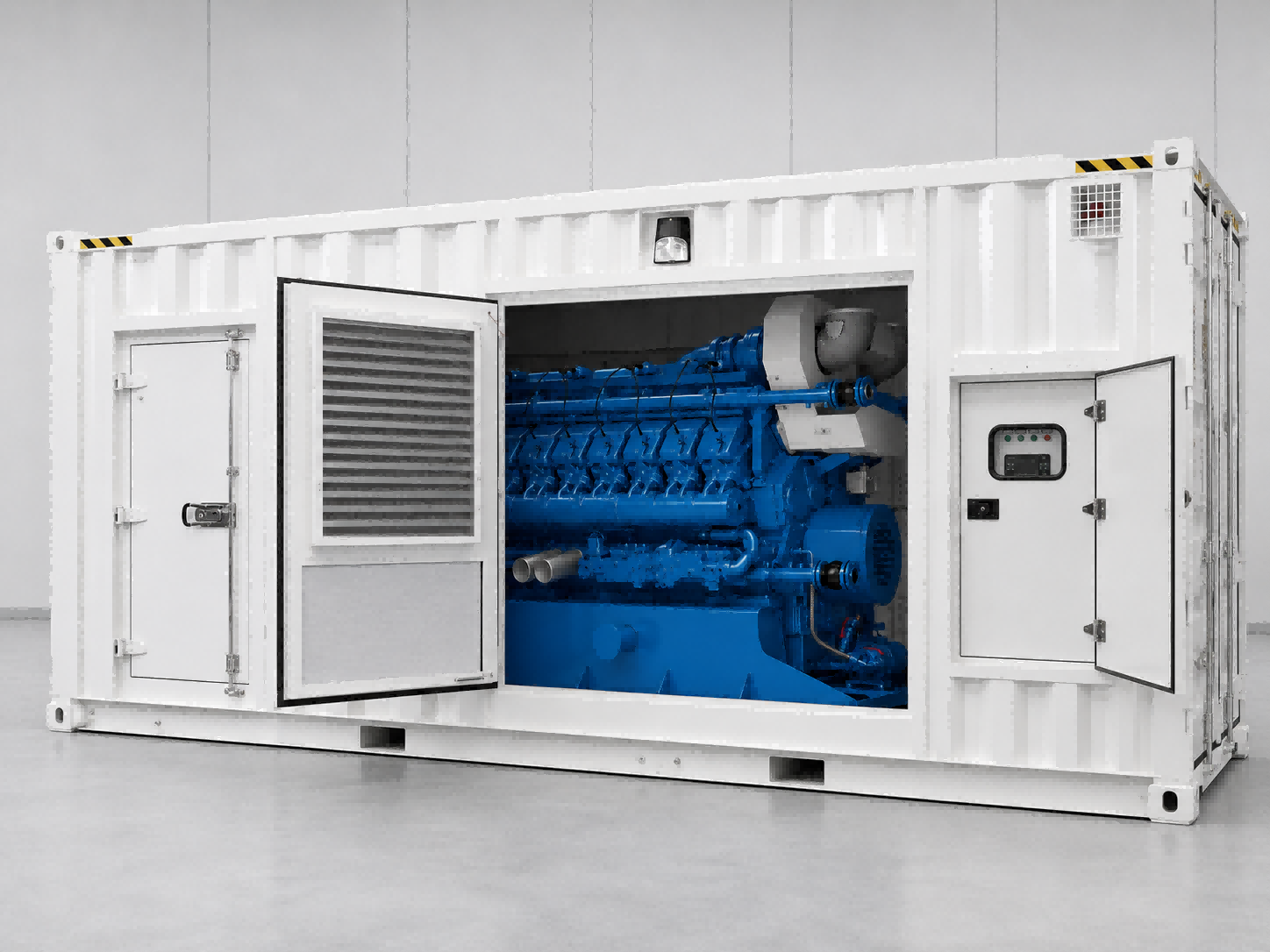
Data centers often need to choose between generators based on their operational scale. A 1000kW generator suits smaller facilities or those with moderate power requirements. A 3000kW generator fits large data centers with high-density racks and advanced cooling systems. SWT offers both diesel and gas generator sets, covering a wide range of power outputs. Diesel generators are preferred for their rapid startup times and efficiency. Diesel fuel has a higher energy content, which makes it ideal for critical operations. Gas generators provide cleaner emissions and are suitable for facilities with strict environmental standards.
- Diesel generators can take over within seconds during a power outage, ensuring minimal downtime.
- Regular maintenance is essential for both diesel and gas generators to maintain reliability.
Capacity & Scalability
Generator capacity affects how easily a data center can scale its operations. Load flexibility allows data centers to manage energy loads without needing additional generating capacity. This approach can increase load capacity significantly. For example, a small annual curtailment of power usage can enable up to 126 gigawatts of new load. Scalability is crucial for data centers facing rising demand, especially for AI applications that tolerate brief interruptions. SWT’s product range supports flexible scaling, helping operators choose between generators that match their growth plans.
Installation & Space
Installation requirements differ between 1000kW and 3000kW generators. Larger units need more space and complex engineering. The table below shows typical installation costs and complexity:
| Generator Size | Cost Range | Installation Complexity |
|---|---|---|
| 1000kW | Not specified | Standard installation requirements |
| 2500kW | $550,000 – $850,000 | Complex engineering and site preparation |
| 3000kW | $650,000 – $1,000,000 | High complexity with extended lead times |
Centralized generator systems offer flexibility in power rating and redundancy configurations. They adapt to real load consumption and allow for N+1 or N+2 setups. Decentralized systems are simpler but less flexible for large-scale operations.
Cost & Efficiency
Cost and efficiency play a major role when you choose between generators. Diesel generators are efficient and reliable, while gas generators offer environmental benefits. SWT provides customization options, including load profile considerations, redundancy architecture, fuel logistics, regulatory compliance, and commissioning timelines. The company emphasizes eco-friendly practices and advanced engineering to optimize performance and reduce environmental impact.
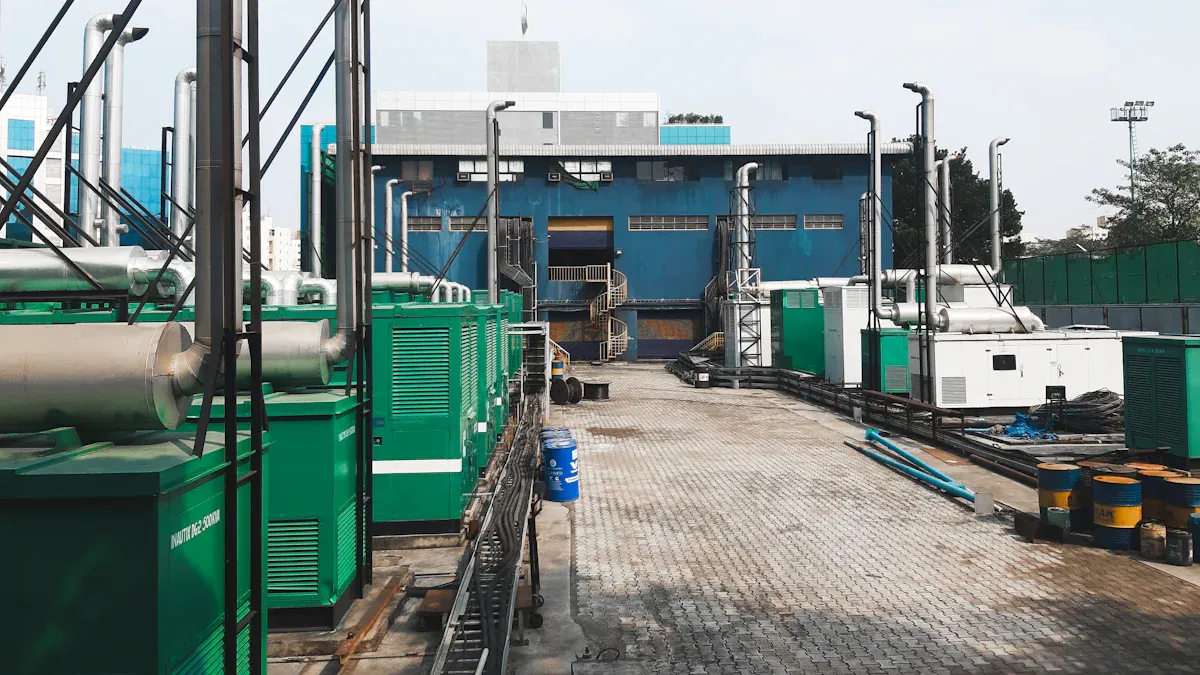
How to choose between generators for data centers
Use Cases for 1000kW
A 1000kW generator is a practical choice for small to medium-sized data centers. These facilities often require reliable backup power to maintain operations during outages. The generator supports critical services and prevents productivity decline. It also protects the organization’s reputation by ensuring uptime and power quality. Many businesses rely on this generator size to avoid revenue loss and keep essential systems running.
- Ensures continuous operation during power outages.
- Prevents revenue loss and productivity decline.
- Maintains organizational reputation by providing reliable backup power.
- Supports critical services by guaranteeing uptime and power quality.
Routine maintenance is important for operational reliability. Tasks include coolant system checks, fuel quality management, battery testing, and air filter service. Annual inspections help identify wear and ensure the generator remains dependable.
Use Cases for 3000kW
Large data centers often need to choose between generators with higher capacities. A 3000kW generator is suitable for facilities with high-density racks and advanced cooling systems. These generators are commonly used in large-scale backup systems. They provide fast-start standby power during outages and support parallel operation for redundancy. Cold-weather starts are important in regions with harsh climates.
| Generator Size | Application Scenario |
|---|---|
| 3MW Diesel Generator (3000 kW) | Commonly used in large-scale and high-density data center backup systems |
| Fast-start standby power | Required for outage scenarios |
| Parallel operation | Essential for N+1 redundancy |
| Cold-weather starts | Important for environmental considerations |
Maintenance for 3000kW generators involves comprehensive inspections. Coolant systems must be checked regularly to prevent overheating. Fuel quality management is necessary to avoid failures. Battery system testing and exhaust system inspections are also essential for safety and compliance.
Decision Checklist
Choosing between generators requires careful evaluation of several factors. A decision matrix helps data center operators select the right generator size.
| Factor | Description |
|---|---|
| Fuel Type | Consider trade-offs in fuel logistics, emissions, and maintenance burden. |
| Redundancy Needs | Align redundancy architecture (N, N+1, 2N) with industry expectations for acceptable outage risk. |
| Reserve Capacity | Budget roughly 20-25% above peak demand to protect against unexpected load increases. |
| Future Growth Considerations | Estimate near-term growth and add a percentage to the running kVA before applying derates. |
| Code Requirements | Ensure compliance with NEC/NFPA standards for reliability and safety. |
Tip: Proper sizing and capacity planning are crucial to avoid system failures during outages. Compliance with standards like ISO 8528 and NFPA 110 is essential for reliability.
Operators must also consider common mistakes when they choose between generators:
- Inaccurate estimation of data center power capacities can lead to inefficient generator sizing.
- Inadequate designing of the automatic transfer mechanism may cause issues like tripping or server freezing.
To ensure constant uptime, data centers should:
- Utilize remote monitoring and predictive analytics for early detection of potential failures.
- Conduct regular training and emergency drills for staff.
- Implement redundancy in the power system to meet high reliability standards.
Generator size selection impacts operational reliability. The generator must accommodate total consumption plus a security margin. Overestimation can lead to inefficiencies, while underestimation risks downtime. Key factors include the number of circuits, types of loads, anticipated load factor, and future growth.
Generator choices also affect compliance with industry standards. The type of fuel and generator model influence emissions and air quality. Data centers in states like Virginia and Illinois must adhere to stricter regulations. New requirements for backup generators are being implemented, which exceed previous assumptions for emergency equipment.
When data centers choose between generators, they must balance operational needs, future growth, redundancy, and compliance. SWT offers tailored solutions that help operators make informed decisions and maintain reliable power.
Selecting the right generator size depends on careful review of capacity, redundancy, and future growth. The table below highlights essential priorities:
| Factor | Importance |
|---|---|
| Reliability | Maintains uptime during outages |
| Scalability | Supports future expansion |
| Support | Ensures ongoing maintenance and rapid response |
Consulting with experts like SWT offers benefits such as tailored solutions, modular designs, and strong service support. For most data centers, matching generator size to both current and projected needs ensures long-term reliability and efficiency.