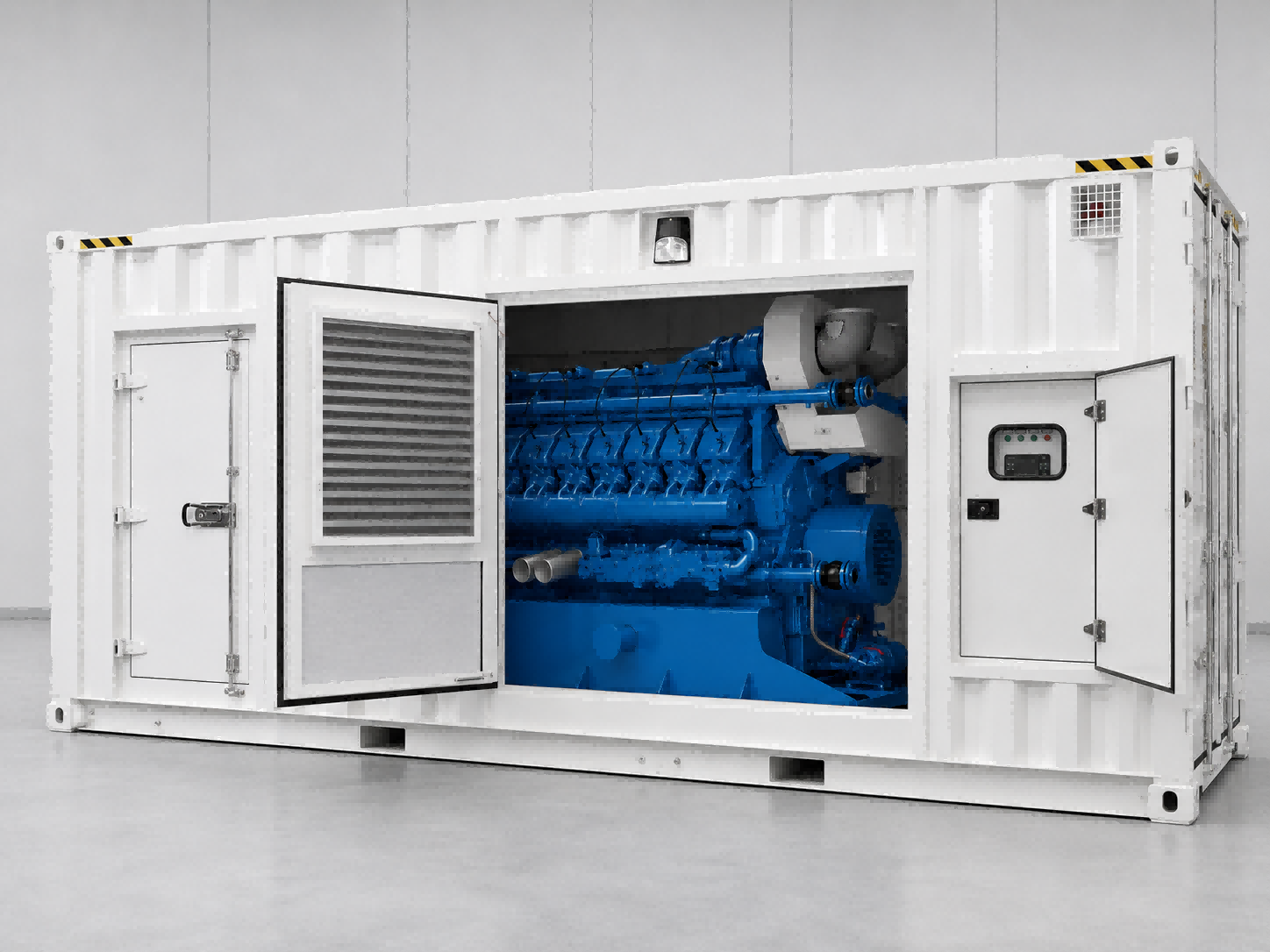
Power reliability has become one of the most critical considerations in industrial project planning. For facilities such as data centers, manufacturing plants, hospitals, mining operations, airports, and oil and gas installations, electricity is not only an operating resource but also a foundation for safety, productivity, and business continuity.
A utility power failure may last only a few minutes, but the consequences can extend far beyond the outage period. Production equipment may require complex restart procedures, sensitive electronic systems may experience damage, and critical services may face operational risks. For this reason, industrial projects increasingly treat backup power systems as a core part of electrical infrastructure rather than an optional installation.
The selection of a suitable Cummins Diesel Generator Set requires engineering analysis beyond rated power capacity. Procurement engineers must evaluate how the generator performs under actual site conditions, including load characteristics, operating hours, environmental challenges, maintenance requirements, and future expansion plans.
A generator installed in a hospital emergency system has different requirements from a generator operating as the main power source for a mining project. A data center focuses on fast transfer, stable voltage, and redundancy, while a construction project may prioritize mobility and continuous operation in temporary environments.
This difference explains why experienced EPC contractors and electrical engineers evaluate generator systems based on lifecycle performance instead of initial equipment price alone. Engine reliability, alternator quality, intelligent control systems, fuel efficiency, and global service capability all influence the long-term value of a power generation solution.
A properly selected industrial diesel generator should provide more than electricity production. It should integrate with ATS systems, support facility automation, maintain stable operation under changing loads, and remain serviceable throughout decades of operation.
Why Cummins Diesel Generator Sets Are Widely Used in Industrial Projects
When global engineering companies select generator systems, the decision is rarely based on brand recognition alone. Large industrial projects require equipment that can operate reliably in different environments, from high-temperature regions and remote mining areas to advanced data center facilities.
The reason Cummins-powered generator systems are widely adopted is related to engineering validation, maintenance support, and worldwide application experience.
For critical power projects, reliability is measured by several factors:
- Ability to start after extended standby periods
- Stable operation during sudden load changes
- Long-term durability under demanding conditions
- Availability of technical support and replacement components
A diesel engine used in industrial generation applications faces very different conditions compared with ordinary commercial engines. It may need to accept large motor starting currents, operate continuously for long periods, and maintain stable performance despite changes in temperature, altitude, and fuel quality.
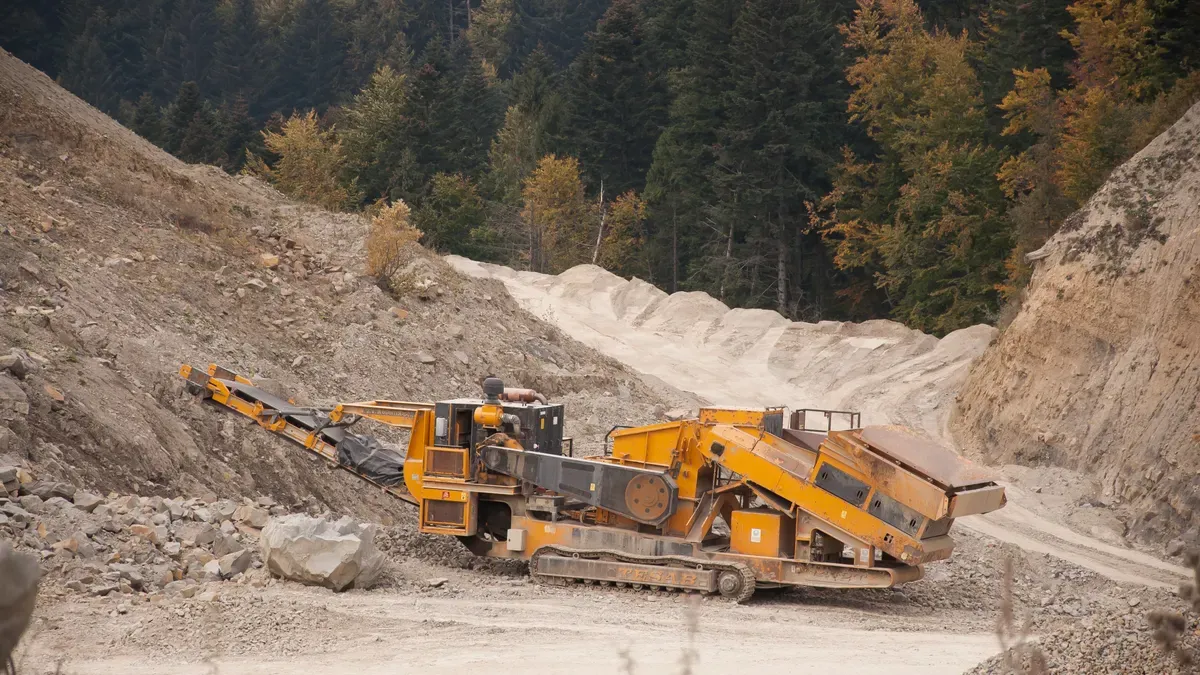
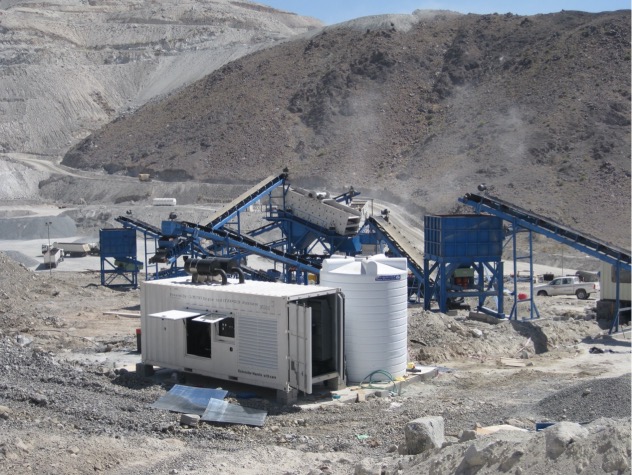
For example, a remote mining project may depend on generator power for crushing equipment, conveyors, ventilation systems, water pumps, and worker accommodation. In this environment, generator failure can stop production completely. The cost of downtime may exceed the equipment investment by a significant margin.
A similar situation exists in data centers. Although the generator may operate only during grid failures or scheduled testing, it must perform immediately when required. The system must start quickly, synchronize correctly, and provide stable power while sensitive IT infrastructure depends on continuous electricity.
Professional procurement teams therefore evaluate the entire generator package rather than only the engine model. The alternator, controller, cooling system, ATS compatibility, and after-sales support all influence final performance.
| Component | Engineering Function | Why It Matters |
|---|---|---|
| Diesel Engine | Converts fuel energy into mechanical power | Determines durability and load response |
| Alternator | Produces electrical output | Influences voltage stability and power quality |
| Controller | Monitors and manages operation | Improves protection and maintenance efficiency |
| Cooling System | Controls operating temperature | Supports continuous operation |
| ATS Integration | Transfers power sources automatically | Reduces interruption time |
For international projects, spare parts availability is another important consideration. A generator installed in a remote region may remain operational for twenty years. During this period, access to genuine components and qualified technicians directly affects maintenance efficiency.
A supplier with strong global support capability provides more than equipment delivery. It provides confidence that the power system can continue operating throughout its expected lifecycle.
Prime Power vs Standby Power: How to Select the Correct Generator Rating
One of the most important decisions during generator procurement is choosing the correct power rating category. Many project problems occur because buyers focus only on kVA capacity while ignoring the actual operating conditions.
The terms Standby Power, Prime Power, and Continuous Power describe different operating requirements. Selecting the wrong category can increase maintenance costs, reduce service life, and create reliability problems.
A standby diesel generator is designed for emergency operation when the utility supply fails. The generator normally remains inactive and starts automatically through an ATS system during an outage.
Typical applications include:
- Hospitals requiring emergency electrical supply
- Data centers protecting critical IT systems
- Commercial buildings maintaining essential services
- Government facilities requiring operational continuity
A prime power generator is designed to provide the main electricity supply where grid power is unavailable or unreliable. These systems often operate for extended periods and must handle regular load variations.
Typical prime power applications include:
- Remote mining projects
- Oil and gas facilities
- Construction sites
- Industrial plants in areas with unstable grids
The difference between standby and prime power is not simply operating hours. It affects engine design, cooling capability, maintenance intervals, and expected service life.
For example, a standby generator installed in a hospital may run only several hundred hours per year, mainly during outages and testing. A prime generator used in a mining operation may operate thousands of hours annually as the main electricity source.
Using a standby-rated machine for continuous industrial operation can create excessive mechanical stress. The engine may experience higher thermal loading, increased wear, and shorter maintenance intervals because the equipment is operating beyond its intended duty cycle.
On the other hand, selecting an oversized prime power system for a facility that only requires emergency backup may increase investment without delivering additional practical value.
Generator selection should consider:
- Actual annual operating hours
- Load variation patterns
- Motor starting requirements
- Environmental conditions
- Future expansion plans
Electrical load behavior is particularly important. Many industrial facilities include large inductive equipment such as pumps, compressors, cranes, and motors. These loads can create significant starting currents that affect generator performance.
A generator selected only according to average power consumption may experience voltage drops during equipment startup. This can interrupt production systems or trigger protection devices.
Therefore, professional engineers evaluate generator capacity based on real operating conditions rather than relying only on the connected load calculation.
The correct prime power generator or standby generator selection ensures that the equipment operates within its designed performance range while providing reliable power throughout the project lifecycle.
Key Factors That Determine Generator Performance and Reliability
Selecting a generator set for an industrial project requires evaluating the complete power generation system rather than focusing on one specification. Engine output, alternator performance, controller capability, cooling design, and switching equipment must work together to achieve reliable operation.
In large-scale projects, generator failure is rarely caused by one isolated component. Problems often appear when equipment selection does not match the actual application. A generator designed for occasional standby operation may struggle in continuous-duty environments, while an incorrectly configured control system may create unnecessary downtime during emergency operation.
For this reason, experienced EPC contractors evaluate generator performance from a system engineering perspective.
Engine Capability and Operating Durability
The engine is the core mechanical component of a generator set. It determines how effectively the system responds to load changes, maintains stable speed, and operates under demanding conditions.
Industrial buyers typically evaluate engine performance based on:
- Load acceptance capability during sudden demand changes
- Fuel efficiency under typical operating conditions
- Cooling and lubrication performance
- Maintenance intervals and overhaul requirements
For remote industrial applications, engine reliability becomes even more important. A diesel generator for mining may support heavy equipment such as crushers, conveyors, and pumps where unstable power supply can directly affect production output.
In these environments, the generator must handle frequent load fluctuations. When large motors start or production conditions change, the engine must quickly adjust output while maintaining stable frequency.
A water-cooled diesel generator is commonly preferred for industrial applications because it provides better thermal management during long operating periods. Stable engine temperature helps reduce component stress and supports reliable operation in high-temperature regions.
For example, a power system installed at an oil and gas site may operate continuously for weeks or months. The engine must maintain performance despite environmental challenges, fuel variations, and limited access to maintenance resources.
This is why international projects often prioritize proven engine platforms rather than selecting equipment only according to initial purchase cost.
Alternator Performance and Power Quality
The alternator determines the quality of electrical output delivered to the facility. While the engine provides mechanical energy, the alternator controls how effectively that energy becomes usable electricity.
Modern industrial facilities increasingly depend on sensitive electrical equipment, including automation systems, communication networks, medical devices, and IT infrastructure. These systems require stable voltage and frequency to operate correctly.
A suitable alternator should provide:
- Stable voltage regulation
- Fast recovery after load changes
- Reliable insulation performance
- Compatibility with sensitive electrical equipment
Applications involving motors, compressors, and pumps require particular attention because starting currents can significantly affect generator performance.
For example, a manufacturing plant may operate multiple production machines with large electric motors. When these motors start simultaneously, the generator must provide enough transient capability to avoid excessive voltage drops.
Many industrial generator systems combine Cummins engines with Stamford Alternator technology because this configuration has been widely applied in commercial and industrial power projects. The objective is to create a balanced system where engine durability and electrical stability work together.
A generator set should therefore be evaluated according to complete performance rather than individual component specifications.
Intelligent Controllers and Remote Monitoring Improve Maintenance Efficiency
The role of generator controllers has expanded significantly in modern power systems. Traditional generators mainly focused on mechanical operation, while current systems provide digital monitoring, communication, and automated protection functions.
A ComAp Controller allows operators to monitor critical operating parameters, including:
- Engine temperature
- Oil pressure
- Voltage and frequency
- Load conditions
- Alarm history
- Maintenance information
This capability has become increasingly valuable for companies managing distributed power assets.
A telecommunications company operating remote communication stations may not have technicians available at every location. Remote monitoring allows engineers to identify abnormal conditions before they develop into major failures.
The same principle applies to mining operations and industrial facilities located far from urban service centers. Early fault detection can reduce downtime, improve maintenance planning, and prevent unexpected shutdowns.
Modern generator systems can also integrate with SCADA platforms, building management systems, and energy management solutions. This allows facility operators to treat the generator as part of the overall electrical infrastructure.
Why Diesel Generators Remain Essential for Critical Power Applications
The growth of renewable energy has changed the global power landscape, but diesel generation remains an important solution for applications where reliability cannot be compromised.
Solar and wind systems provide valuable energy sources, yet their output depends on weather conditions. Battery storage improves flexibility but still has limitations in long-duration power supply.
Critical facilities require a power source that can operate whenever needed. This is where diesel generators continue to provide significant value.
Data Centers Require Reliable Backup Generation
Data centers represent one of the most demanding backup power applications. Servers, network equipment, and cooling systems must continue operating during utility failures.
UPS systems provide immediate short-term protection, but they are designed to bridge the transition period until generators start and stabilize.
A diesel generator for data center must provide:
- Rapid startup capability
- Stable frequency and voltage
- Reliable operation during extended outages
- Integration with ATS and UPS systems
The generator is not replacing the UPS. Instead, both systems work together to maintain continuous power availability.
Hospitals Depend on Automatic Backup Power
Hospitals require reliable electricity for operating rooms, intensive care units, emergency systems, and medical equipment.
A power interruption can affect patient safety and critical medical procedures. Therefore, hospitals typically use standby generator systems combined with ATS equipment to ensure rapid restoration.
The design objective is not simply starting the generator quickly. The complete system must coordinate the generator, ATS, electrical distribution, and emergency circuits.
Mining and Remote Projects Need Independent Power Sources
Mining operations often operate in locations where grid infrastructure is limited. Building a reliable connection may be expensive or technically impractical.
For these projects, generator systems provide independent power generation capability. Prime-rated units can support continuous operations while allowing companies to maintain production schedules.
How Hybrid Generator Systems Improve Energy Efficiency
The future of industrial power generation is moving toward integrated energy systems combining diesel generation, renewable energy, and energy storage.
A Hybrid Power System typically combines:
- Diesel generator
- Battery storage
- Solar PV generation
- Inverter technology
- Intelligent energy management controls
This approach allows facilities to reduce fuel consumption while maintaining reliable power availability.
For remote telecom sites, solar panels may provide daytime electricity while batteries manage short-term demand changes. The diesel generator operates only when renewable energy and battery capacity cannot meet requirements.
Mining camps and remote industrial facilities can also benefit from hybrid systems because fuel transportation represents a significant operating expense.
The purpose of hybrid generation is not eliminating diesel power completely. It is improving overall efficiency by allowing each energy source to operate under the conditions where it performs best.
How to Choose the Right Generator Manufacturer
Selecting a generator manufacturer requires more evaluation than comparing product prices.
A reliable supplier should provide:
- Proven engine and alternator combinations
- Engineering support during system design
- International project experience
- Spare parts availability
- Maintenance capability
- Compliance with relevant standards
Procurement teams should also evaluate whether the supplier understands the application environment. A manufacturer experienced in residential backup systems may not have the same capability as a supplier supporting data centers, mining projects, or industrial plants.
The best generator set manufacturer is not necessarily the company offering the lowest quotation. It is the partner that can provide reliable equipment, technical support, and long-term service throughout the project lifecycle.
Future Trends in Industrial Backup Power
Industrial backup power systems are becoming more intelligent and flexible.
Future developments will focus on:
- Remote monitoring and predictive maintenance
- Hybrid energy integration
- Improved fuel efficiency
- Lower-emission operation
- Smarter energy management
Diesel generators will continue evolving as part of broader energy systems. Their role will shift from simple backup machines toward intelligent power assets integrated with renewable generation and digital control platforms.
Choosing the right Cummins Diesel Generator Set requires a complete understanding of electrical requirements, operating conditions, and long-term project objectives.
The most reliable generator solution is not determined only by output capacity. Engine durability, alternator quality, controller technology, ATS integration, maintenance capability, and future energy strategy all influence performance.
For critical applications including data centers, hospitals, mining operations, and industrial facilities, diesel generation remains an important foundation for reliable power supply. When combined with renewable energy and battery storage, modern generator systems can provide greater efficiency while maintaining the reliability required by demanding projects.
A professional procurement decision should always consider lifecycle value rather than initial cost alone. The right generator system protects operations, reduces risk, and supports stable performance throughout years of service.