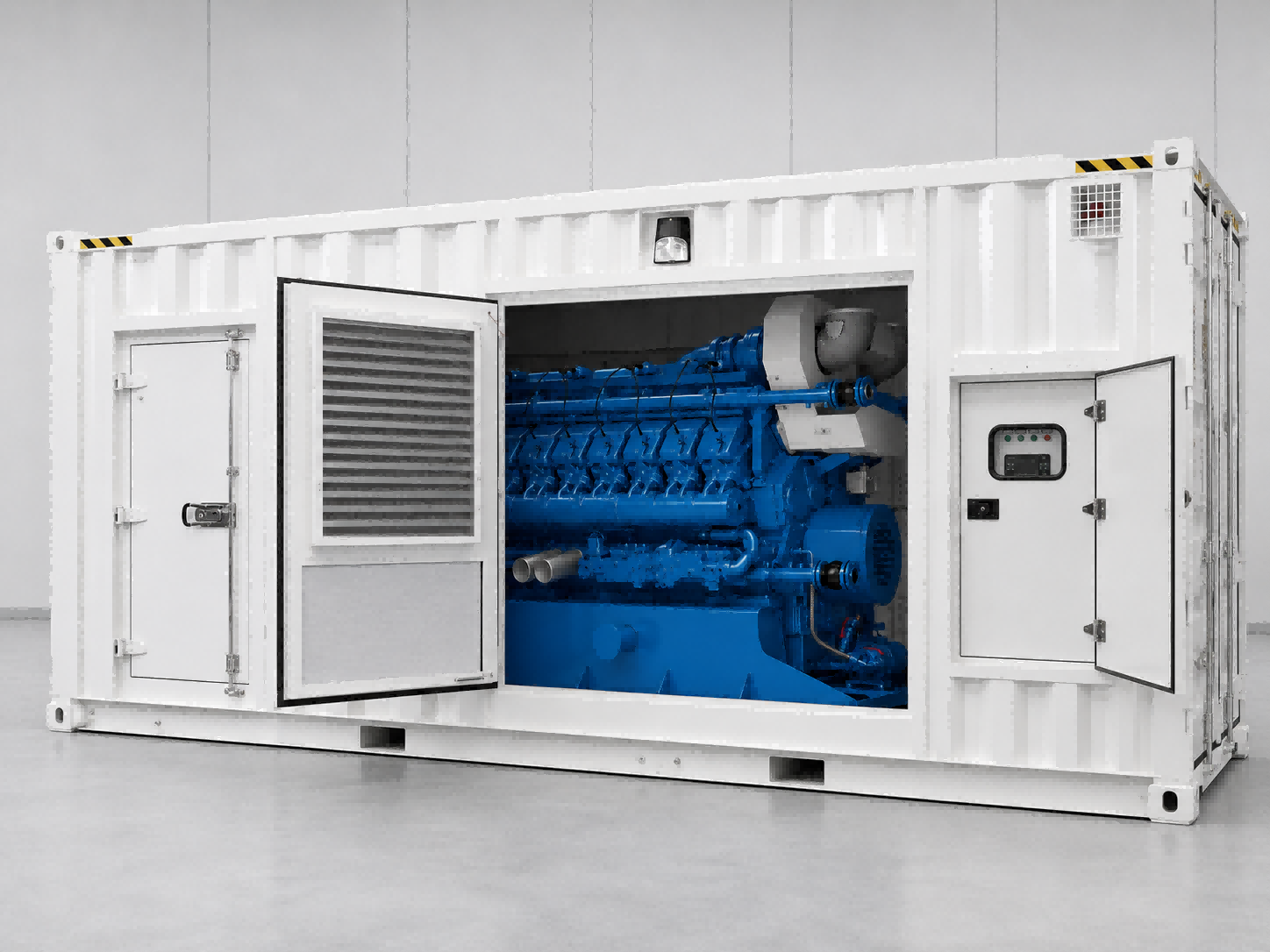
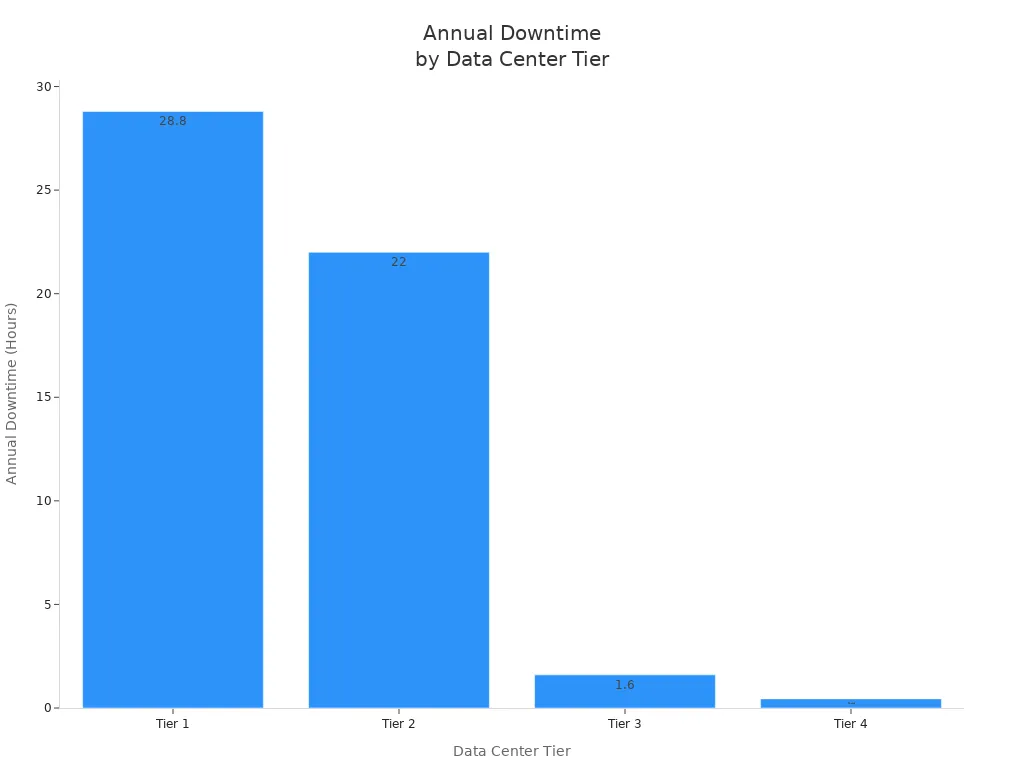
Data center backup diesel generators offer key features such as rapid start, high reliability, and extended run times. These features protect critical operations and prevent costly downtime. Diesel generators can operate for up to 96 hours with on-site fuel, making them a trusted choice for large facilities. The chart below shows how backup power systems help Tier 4 data centers reduce annual downtime to just 26.3 minutes.
SWT, with over 30 years of experience and a generator range from 8.3kVA to 3781kVA, delivers solutions trusted by data centers worldwide.
Key Features for Data Centers
Reliability & Fast Start
Reliability stands as one of the most important key features for data center backup diesel generators. Data centers must maintain continuous operation, even during unexpected power outages. Generators must start quickly—usually within 10 to 15 seconds—to ensure seamless handover from the main power supply. This rapid response prevents data loss and keeps critical systems running.
Redundancy is another vital aspect. Data centers often use multiple generators and uninterruptible power supply (UPS) systems. This setup creates redundant power paths, so if one generator or path fails, others can take over. Industry standards like N+1 and 2N+1 configurations help achieve high fault tolerance and minimize downtime.
The table below summarizes key reliability requirements for backup diesel generators in data centers:
| Requirement Type | Details |
|---|---|
| Emission Standards | Compliance with EPA Tier 1 through Tier 4 Final for non-road diesel engines. |
| Pollutant Limits | Limits on Nitrogen Oxides (NOx) and Particulate Matter (PM) as per EPA regulations. |
| Local Regulations | Adherence to state or local air quality regulations, which may be stricter than federal. |
| Start-up Time | Generators must start within 10-15 seconds of power outage detection for effective handover. |
SWT offers a broad range of generator sets, from 8.3kVA to 3781kVA, designed to meet the reliability needs of both small and large data centers.
Power Output & Sizing
Proper power output and sizing are key features that ensure all critical equipment in a data center remains operational during outages. The process begins with a thorough assessment of the facility’s needs. Operators must consider the number of storage racks, the total square area, and the expected heat load. These factors help determine the overall power consumption.
To select the right generator, data centers should:
- Assess the number of circuits and types of loads.
- Consider running generators in parallel for increased reliability.
- Choose a generator that matches the calculated power needs, including a security gap for unexpected consumption.
It is also important to follow technical standards such as ISO 8528 and NFPA 110. These standards guide the design and operation of backup systems, ensuring stable power delivery. Typical generator capacities for data centers range from 1,500 kVA to 4,000 kVA per unit. This range allows for scalability and efficient power distribution as data centers grow.
SWT’s extensive product line covers a wide spectrum of capacities, making it possible to tailor solutions for diverse operational requirements.
Fuel Storage & Safety
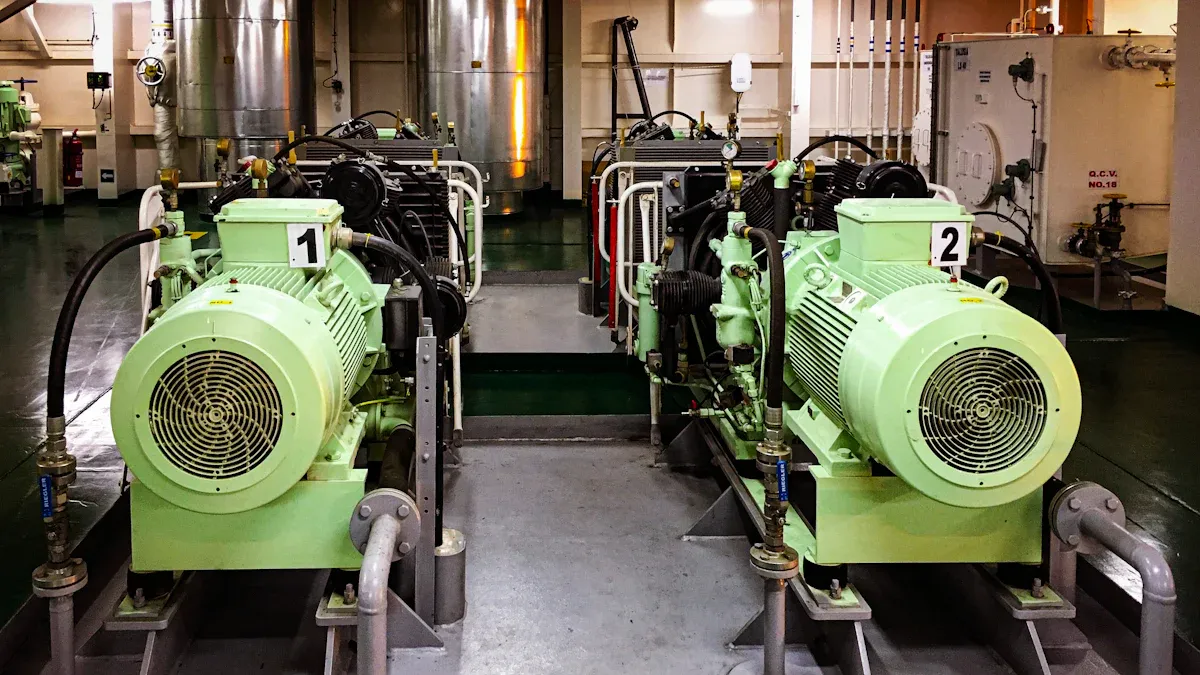
Fuel storage and safety protocols are essential key features for reliable generator operation. On-site fuel storage ensures immediate availability during outages, while automated fuel transfer systems minimize delays. Regular maintenance and fuel management help prevent common issues such as fuel contamination or spoilage.
Data centers must comply with local and national codes for safety and environmental standards. This includes adherence to noise and emission regulations during installation and operation. Collaborating with experts familiar with these regulations ensures legal compliance and promotes responsible practices.
Tip: Routine maintenance and proper fuel planning are crucial for preventing generator failures and ensuring long-term reliability.
SWT designs its generator sets with secure fuel storage options and advanced safety features, supporting data centers in meeting industry standards and maintaining uninterrupted operations.
Controls & Monitoring
Automatic Operation
Automatic operation is one of the key features that ensures data centers maintain power without interruption. Advanced control panels and automatic transfer switches (ATS) play a critical role in this process. When a power outage occurs, the ATS detects the loss of utility power and immediately signals the generator to start. This switch happens almost instantly, which is essential for real-time data processing and operational continuity.
- The ATS minimizes downtime by switching power sources quickly.
- It maintains power continuity, which is vital for protecting sensitive equipment.
- The fast response prevents disruptions during outages.
- The system automates the transfer process, allowing technical teams to focus on other important tasks.
SWT integrates advanced ATS and control systems into its generator sets. These systems ensure seamless operation and reliable performance, even in the most demanding environments.
Remote Monitoring
Remote monitoring technology has become a standard in modern data center backup systems. It allows operators to track generator status, receive alerts, and access performance data from any location. This capability supports proactive management and helps prevent unexpected failures.
The benefits of real-time status and alert systems include:
| Benefit | Description |
|---|---|
| Operational Continuity | Ensures that data centers maintain power during outages, preventing financial losses and SLA breaches. |
| Compliance | Provides automated documentation for compliance with standards like NFPA 110 and Joint Commission. |
| Maintenance Optimization | Transforms maintenance from reactive to proactive, optimizing service timing based on actual conditions. |
| Proactive Management | Identifies potential issues during standby periods, ensuring readiness and reducing emergency failures. |
Remote monitoring also reduces maintenance costs and improves efficiency:
| Evidence Type | Description |
|---|---|
| Predictive Maintenance | Identifies small issues before they escalate, allowing for timely repairs and reducing costs. |
| Performance Optimization | Continuous tracking of performance metrics leads to better operational efficiency and lower fuel costs. |
| Real-time Access | 24/7 access to generator data reduces the need for manual inspections, saving time and labor costs. |
SWT’s generator sets feature advanced remote monitoring platforms. These platforms provide real-time alerts and detailed reports, supporting data centers in maintaining high reliability and operational efficiency.
Noise, Emissions & Efficiency
Noise Reduction
Noise management plays a crucial role in data center environments. Backup diesel generators can produce sound levels ranging from 85 dBA for smaller units to 105 dBA for larger ones. These levels can affect both employee wellbeing and community relations. Prolonged exposure to high noise can lead to hearing loss and increased stress. Safe sound levels are considered to be 70 dBA or lower, so effective noise control is essential.
Data centers use several strategies to manage generator noise:
- Acoustic enclosures and sound attenuators help reduce noise to comply with workplace safety regulations.
- Regular monitoring ensures that noise does not exceed safe thresholds.
- Proper noise management supports a comfortable work environment and maintains good relations with nearby communities.
SWT designs its generator sets with advanced noise reduction features, making them suitable for sensitive environments.
Emissions Compliance
Emissions control is vital for meeting environmental standards and protecting air quality. Diesel generators emit substances such as nitrogen oxides, particulate matter, hydrocarbons, carbon monoxide, and carbon dioxide. Regulations like the National Ambient Air Quality Standards (NAAQS) and EPA Tier standards set strict limits on these emissions.
| Regulation Type | Description |
|---|---|
| NAAQS | Regulates emissions from diesel generators to protect air quality. |
| Tier 2 Standards | Required for engines over 752 HP. |
| Tier 3 Standards | Required for engines over 500 HP. |
| Tier 4 Standards | Most stringent, for new generators but not required for emergency standby. |
| NFPA 110 | Requires testing of critical power systems for compliance. |
SWT remains committed to sustainability by integrating advanced emission controls and supporting compliance with international standards.
Operational Efficiency
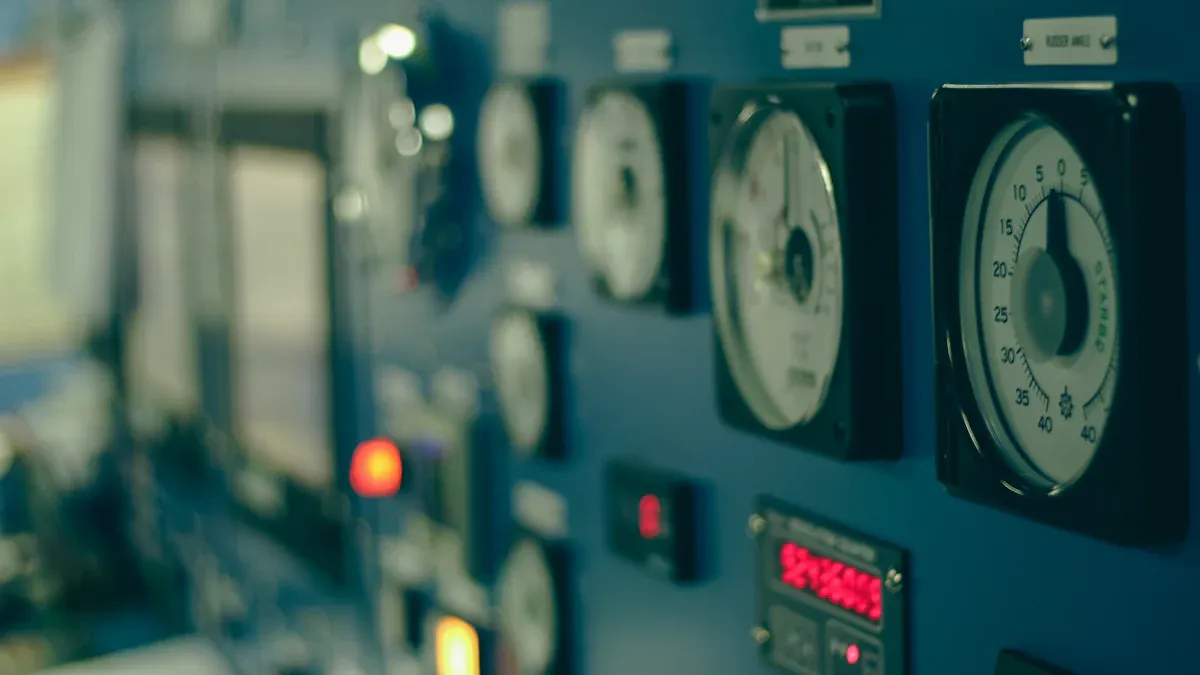
Operational efficiency ensures that data centers use energy wisely and minimize costs. Modern diesel generators achieve fuel consumption rates below 0.25 gallons per kilowatt-hour at full load. Advanced fuel injection and combustion technologies further enhance efficiency. Energy management systems use predictive analytics to optimize fuel use and schedule maintenance.
| Metric/Strategy | Description |
|---|---|
| Fuel Efficiency Goals | Targets fuel consumption below 0.25 gal/kWh at full load. |
| Advanced Technologies | Improves fuel efficiency through better combustion and control. |
| Energy Management Systems | Uses analytics for optimal fuel use and maintenance. |
| Diagnostic and Analytics | Predicts maintenance needs and improves reliability. |
SWT supports sustainable practices by offering generators with improved fuel efficiency, smart technology, and options for renewable integration. These features help data centers meet their sustainability goals and reduce their environmental impact.
Advanced generator solutions, such as those from SWT, use smart controls and remote monitoring to improve data center reliability. These innovations help reduce unplanned outages and support continuous operations. The table below shows how prioritizing important aspects leads to better performance:
| Aspect | Key Insights |
|---|---|
| Reliability | Diesel generators provide quick startup and uninterrupted power, essential for data center operations. |
| Scalability | Modular solutions allow for adaptation to changing demands, optimizing energy management. |
| Innovation | AI-enabled services enhance efficiency and support sustainability goals. |
Future trends include a shift toward sustainable systems and more digital monitoring. Choosing reliable backup power ensures safety, cost savings, and long-term success.